
What you’ll learn:
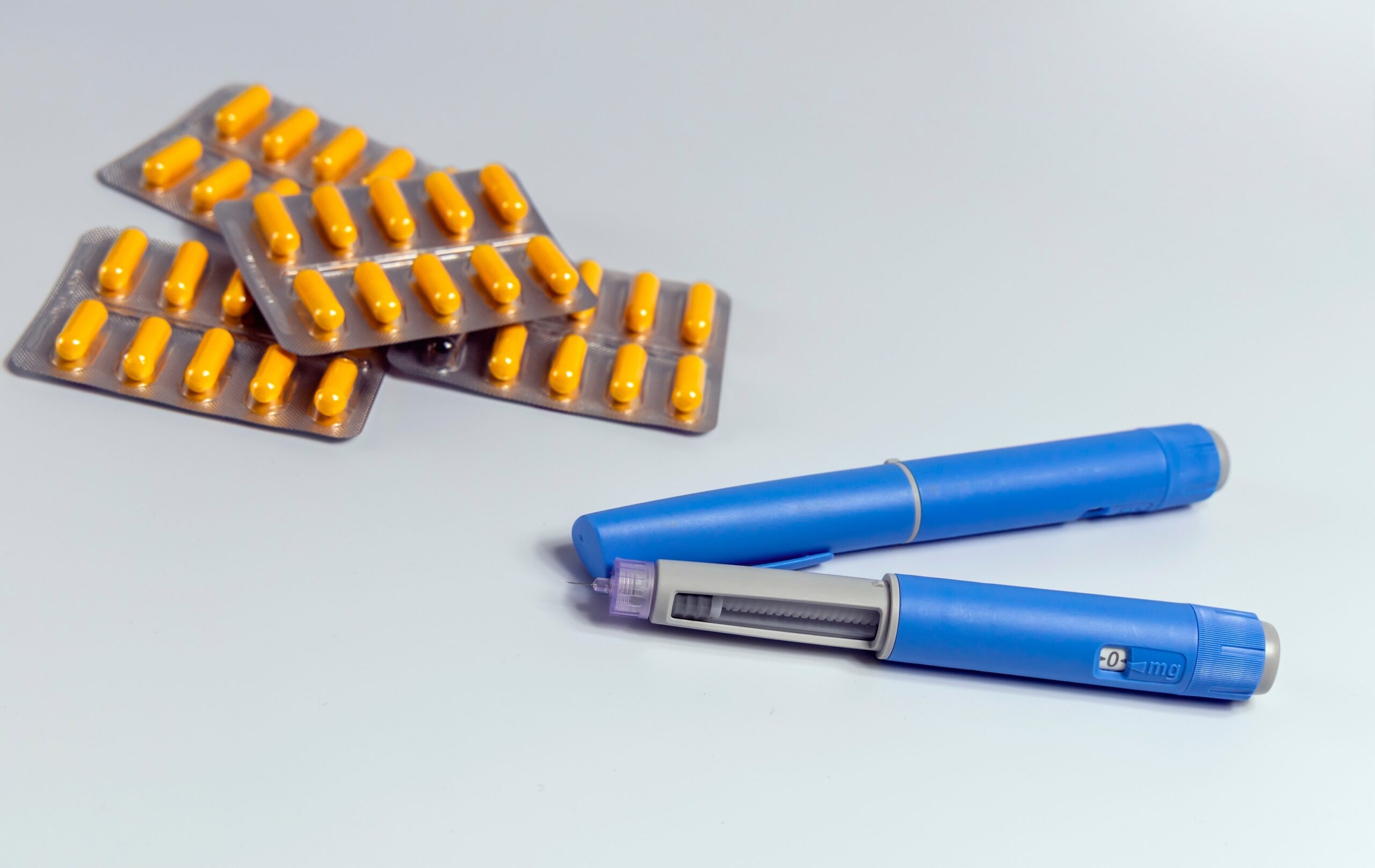
- Ozempic® and metformin are both approved for managing type 2 diabetes, but can be prescribed off-label for weight loss.
- Ozempic® is taken as a once-weekly injection, while Metformin is taken as a daily pill.
- You’ll likely lose more weight with Ozempic® versus metformin.
Ozempic® and metformin are two medications you’ve likely heard about in connection with type 2 diabetes treatment. But in recent years, they’ve also gained attention as weight loss options. Both are now commonly prescribed off-label to help people shed pounds.
Could one of them be right for you? Before deciding, it’s important to know that while both can support weight loss, they work in very different ways.
Ozempic® is a weekly injection that mimics a hormone called GLP-1, which can suppress appetite and slow digestion. Metformin is a daily pill that improves insulin sensitivity and stabilizes blood sugar. While both can help you lose weight, especially when combined with healthy lifestyle changes like diet and exercise, Ozempic® will likely work better for weight loss.
But effectiveness isn’t the whole story with these two medications. Ozempic® has a reputation for being very expensive, often costing nearly $1,000 a month without insurance, which rarely covers it for weight loss. Metformin, while also unlikely to be covered by insurance for weight loss purposes, is much more affordable due to generic options.
Noom’s Most Powerful Program
A dual-pathway GLP-1 and behavior change for lasting results.
When considering a medication to help you lose weight, your goals, lifestyle, and budget are all important. Let’s break it all down to see whether Ozempic® or metformin could be the right choice for you.
Ozempic® vs. metformin: How do they work?
As we said, both Ozempic® and metformin were originally designed to treat type 2 diabetes, but they are very different medications. Let’s go through what both of these drugs do and explain how they can help a person lose weight:
Ozempic®: How it works for weight loss
Ozempic® is the brand name for an injectable version of semaglutide. Semaglutide is a GLP-1 receptor agonist, meaning it binds to GLP-1 receptors in the body. GLP-1 is a hormone naturally released after eating that signals the body to reduce appetite, slow digestion, and stabilize blood sugar until it’s time to eat again. By mimicking and enhancing this process, semaglutide has been clinically proven to help people lose weight.
Metformin: How it works for weight loss
Metformin is the active ingredient in several medications, available as a generic drug and under brand names like Glucophage®, Glumetza®, and Fortamet®. It belongs to a class of drugs called biguanides, which help regulate how the body processes and uses glucose. This action makes it a popular choice for managing diabetes and can also indirectly support weight loss.
Unlike medications like Ozempic®, which directly suppress appetite, metformin works by improving insulin sensitivity, reducing glucose production in the liver, and influencing hormones related to hunger and metabolism.
It’s available in two forms, which will dictate how often you take it (and how much it costs):
- Immediate release (IR) is typically taken two to three times a day,
- Extended-release (ER) is taken once daily for a slower, more gradual effect on blood sugar levels, which could result in fewer side effects.
Ozempic® vs. metformin: What are the differences?
Ozempic® and metformin are very different medications. Here’s a detailed comparison to help you see how they might fit into your weight loss plan.
How they are taken
The biggest difference here is that Ozempic® comes as an injection you give yourself once a week, while metformin is taken as a pill. Let’s take a look at some of the specifics.
- Ozempic®: You will inject yourself with a prefilled pen in your upper arm, thigh, or stomach once a week. The needle is tiny, and most people report that the injection is relatively pain-free.
- Metformin: Metformin comes as a pill that is taken by mouth 1 to 3 times per day with meals, depending on whether it is IR or ER.
Price without insurance
Ozempic® and metformin can be very different in price. Let’s look at some list prices and whether they’re likely to be covered by insurance:
- Ozempic®: Ozempic® costs about $998 per month without insurance. Insurance coverage is unlikely when it’s prescribed for weight loss, but some people might have coverage when it’s prescribed to treat type 2 diabetes. If you need to go beyond the 2 mg dose of semaglutide, you will have to move to Wegovy®, which goes as high as 2.4 mg. Wegovy® can cost more than Ozempic®, though there are ways to save, which we’ll go through. Learn more about what Ozempic® might cost you.
- Metformin: Widely available as a generic medication, metformin typically costs under $30 per month, with prices ranging from $4 to $20 for a 30-day supply of 500 mg tablets. Brand-name versions can be much more expensive, with prices starting around $150–$200 for a 30-tablet pack of 500 mg. Prices for Metformin may vary depending on the pharmacy, location, and formulation (immediate vs. extended-release) which we’ll talk more about below. Learn more about the costs of metformin.
For those without insurance coverage, metformin is likely to be the more accessible option.
Access GLP-1 Weight Loss with Noom
Explore a wide range of prescription medications supported by Noom’s program.
Microdose GLP-1rx
Noom GLP-1rx
Noom GLP-1rx Plus
Wegovy®
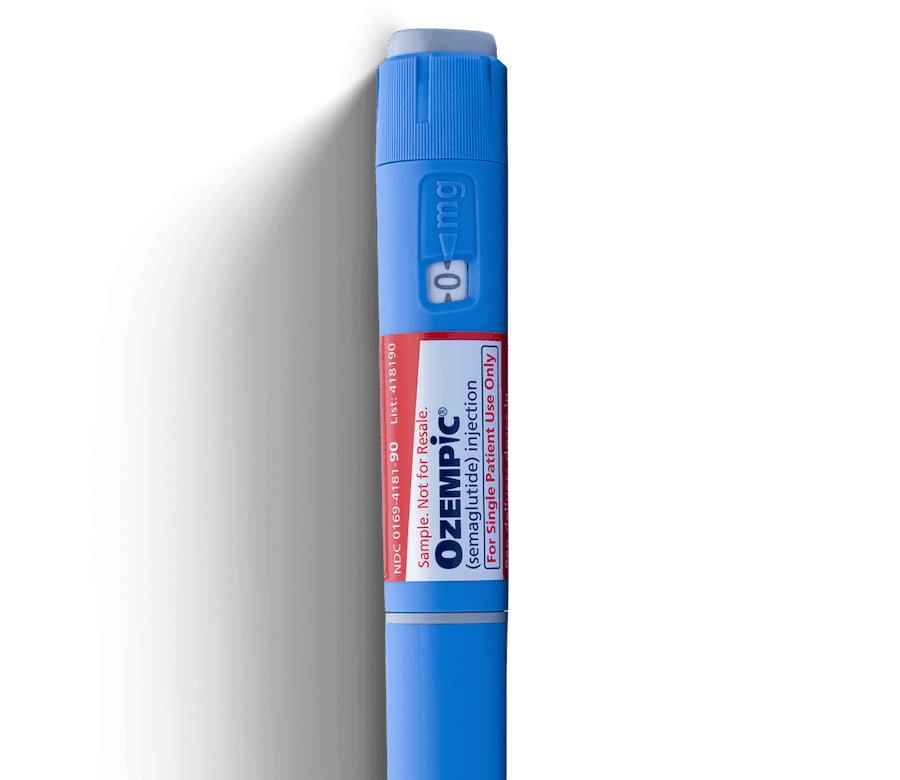
Ozempic®
Metformin
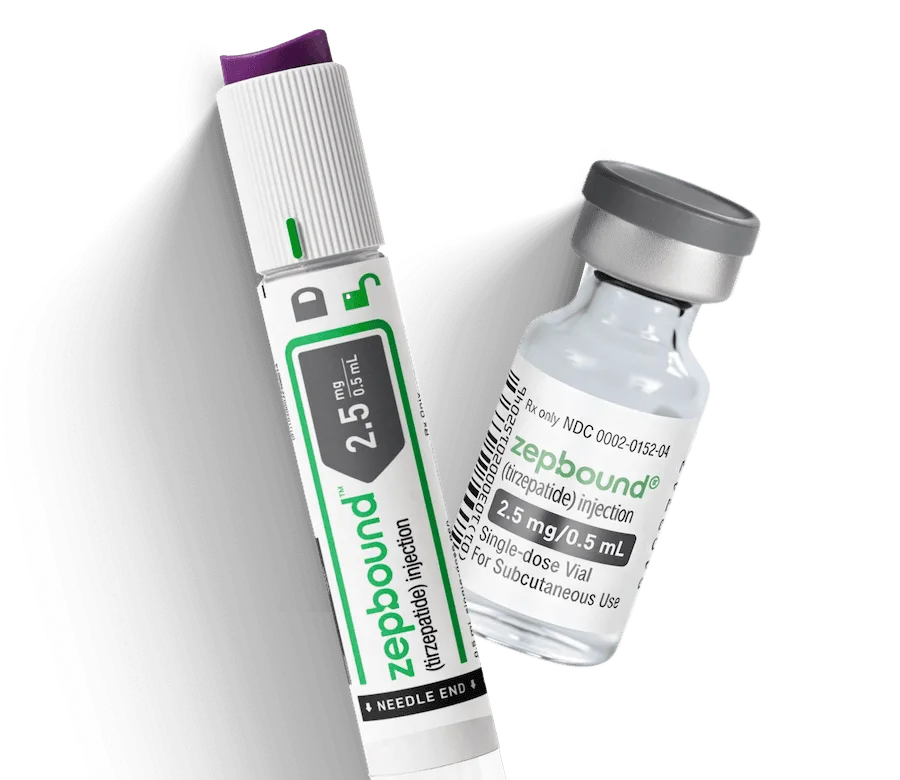
Zepbound®
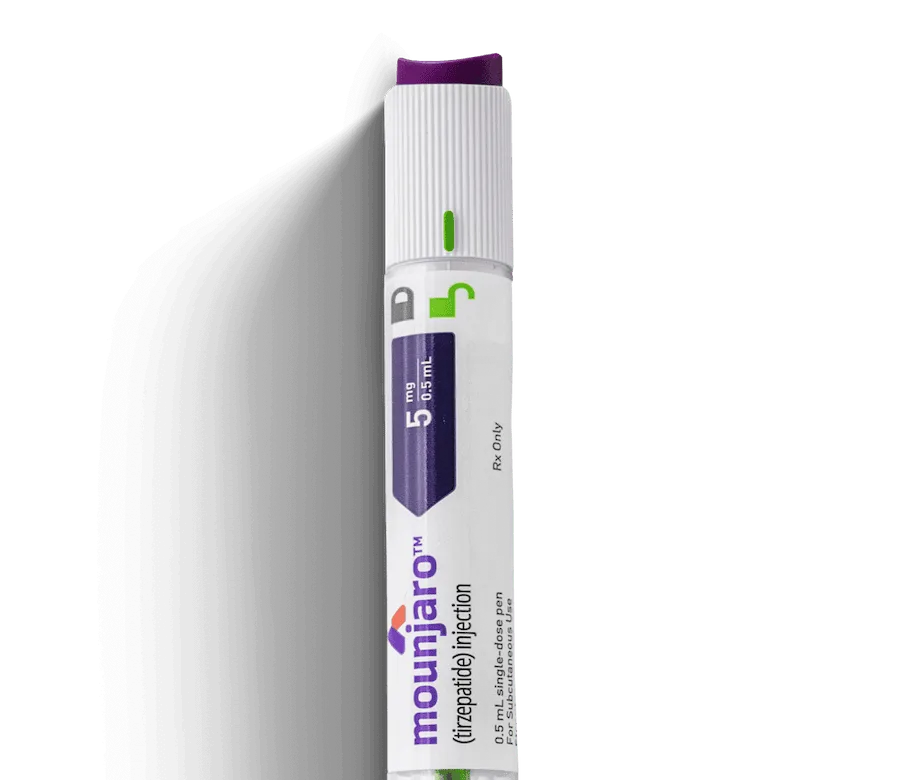
Mounjaro®
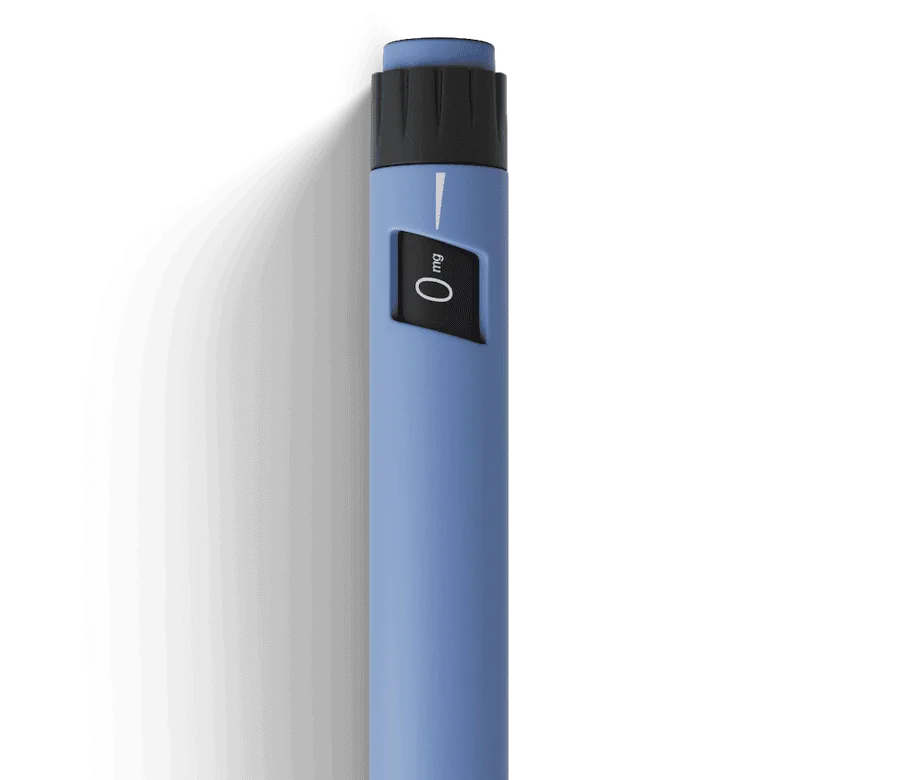
Liraglutide
Effectiveness
Ozempic® is generally considered more effective for weight loss than metformin, but results can vary, and lifestyle changes like diet and exercise play a big role in how much weight a person can lose. Below, we’ll break down what kind of weight loss you might expect with each option, and what else to keep in mind when choosing what’s right for you.
Ozempic® vs. metformin: What are the similarities?
Although Ozempic® and metformin function differently, they have some common ground in terms of FDA approval and insurance coverage.
FDA-approved uses
Both Ozempic® and metformin are FDA-approved for type 2 diabetes. Both are also prescribed off-label to help people lose weight. Metformin is also often prescribed to treat prediabetes and polycystic ovary syndrome (PCOS).
Insurance coverage
Insurance coverage for metformin and Ozempic® depends on your diagnosis and your plan.
Ozempic®:
- Insurance coverage is more likely when prescribed for type 2 diabetes, but is usually denied for off-label weight loss use.
- Even when covered for type 2 diabetes, insurers may require proof that cheaper alternatives (e.g., metformin) didn’t work first. Because Ozempic® is often considered a specialty drug, it sometimes comes with higher copays (around $50–$150 per month).
- For more information about insurance coverage for Ozempic®, check out our 2025 Ozempic® pricing guide.
Metformin:
- Insurance sometimes covers metformin, but often only for type 2 diabetes, prediabetes, and polycystic ovary syndrome (PCOS).
- Insurance plans don’t typically cover metformin for weight loss since most don’t cover any medications for weight loss. Even without insurance, you can often find metformin for as low as $4 for a 30-day supply through discount programs or pharmacies, and generic versions of both the immediate-release and extended-release options are available.
- Most insurance options will cover extended-release and brand-name versions for diabetes, but the person may be required to try the immediate-release version first due to the lower cost. Learn more about metformin costs and coverage in our 2025 guide.
Can you switch between Ozempic® and metformin?
You can switch between Ozempic® and metformin, but it’s not something to do on your own. Because these medications work in different ways, making the switch takes some planning, and your doctor will help guide the process.
They’ll look at things like your current dose, how you’ve been responding to treatment, and whether you’ve had any side effects. Most of the time, you’ll start at a lower dose of the new medication to help your body adjust.
Some of the reasons you may want to switch could include:
- You need more weight loss support: Since Ozempic® is generally more effective for weight loss than metformin, someone who hasn’t gotten the results they want with metformin might consider switching to Ozempic®. Wegovy® could be another alternative since it’s the same medication (semaglutide) and might be more affordable in some cases.
- You may be having uncomfortable side effects: Everyone reacts to medications differently. Some people tolerate one medication better than the other and may want to switch to alleviate negative effects.
- Cost or insurance coverage: Though both are rarely covered by insurance for weight loss, if yours covers one and not the other, you may want to switch. Since metformin is usually much cheaper than Ozempic®, you might also need to switch if your budget changes.
If you switch from Ozempic® to metformin
If you switch from Ozempic® to metformin, you’ll likely lose the appetite-suppressing effect of Ozempic®, which may make it harder to manage hunger and weight loss. Metformin can still help control appetite, but it doesn’t slow digestion or directly impact appetite the way Ozempic® does. You may notice changes in how full you feel after eating.
If you switch from metformin to Ozempic®
Ozempic® works differently than metformin, and you’ll probably notice it. You’ll likely feel fuller for longer and even eat less without trying. You could also have more side effects, like nausea, bloating, or stomach pain. The dose is slowly increased, and the side effects usually improve as your body adapts to the medication.
Also, unlike metformin, which is a pill, Ozempic® is a once-weekly injection, so you’ll need to get used to giving yourself a shot, though the needle is small and usually not painful. Also, while metformin is stored at room temperature, Ozempic® pens should be kept in the fridge until their first use, and then they can stay at room temperature for up to 56 days.
Can I take metformin and Ozempic® together?
Yes, you can take metformin and Ozempic® together if you have type 2 diabetes. Many doctors prescribe them as a combo to help with blood sugar control.
Since they work in different ways, they can complement each other for better results. This combination is commonly used for type 2 diabetes management and may also be considered for people with insulin resistance or prediabetes.
That said, there are some things to watch out for. Both medications can cause stomach-related side effects, like nausea, bloating, or diarrhea, especially when starting out. If you experience severe gastrointestinal issues, your doctor might adjust the dosing or recommend starting one medication first before adding the other. Also, while neither medication directly causes low blood sugar (hypoglycemia), if you’re on other diabetes meds or insulin, the combo could increase the risk.

The Easy Way
to lose weight and get healthy.
As always, it’s best to talk to your doctor about whether taking them together is right for you and how to adjust your diet and medication schedule to minimize side effects.
Ozempic® vs. metformin: Which is better for weight loss?
Ozempic® has been shown to lead to more weight loss than metformin, but lifestyle changes like eating right and exercising can be big factors. Here’s a look at how much weight you can expect to lose with both:
- Ozempic®: Studies show that people taking semaglutide, the active ingredient in Ozempic®, lost about 15% of their body weight after 16 months. About one in three people lost 20% or more.
- Metformin: Studies show that taking metformin can lead to a 5 to 7% weight loss over several months to a year. The Diabetes Prevention Program (DPP) found that people who made lifestyle changes lost more weight than those who took metformin alone. In fact, they were more than twice as likely to lose at least 5% of their body weight.
How long does it take to see results?
Losing weight with Ozempic® or metformin doesn’t look the same for everyone. While both medications can support weight loss, the amount of weight lost and the timeline can vary based on dosage, lifestyle habits, and individual metabolism.
The semaglutide in Ozempic® tends to produce faster and more significant weight loss, while metformin leads to more gradual changes. Let’s break down what the research says about the average percentage of body weight people can expect to lose at 3 months, 6 months, and beyond.
Semaglutide:
Metformin:
The bottom line is that you are likely to lose about 5% of your weight using metformin. Most of the weight loss occurs in the first 3 to 6 months, then often plateaus. Lifestyle factors (like diet and exercise) significantly enhance results. Metformin isn’t going to outperform Ozempic®, but it’s a useful tool, especially when paired with behavior change.
Who can be prescribed Ozempic® or metformin for weight loss?
Taking Ozempic® or metformin isn’t right for everyone. Your doctor will determine if either medication is right for you based on your health needs, medical history, and weight loss goals. Here’s a breakdown of who might qualify and who should avoid them.
Who can take Ozempic® for weight loss?
Although Ozempic® isn’t FDA-approved for weight loss, doctors often prescribe this GLP-1 medication off-label for people who meet certain criteria, including:
- A BMI of 30 or higher
or
- A BMI of 27 or higher with at least one weight-related condition, such as high blood pressure or high cholesterol.
Who shouldn’t take Ozempic®?
While Ozempic® can be effective for weight loss, it’s not safe for everyone. You shouldn’t take Ozempic® if you:
- Have a personal or family history of medullary thyroid carcinoma (MTC) or multiple endocrine neoplasia syndrome type 2 (MEN 2)
- Are allergic to semaglutide or any of the ingredients in Ozempic®
- Are pregnant, planning to become pregnant, or breastfeeding
Your doctor will decide if it’s right for you if you have:
- Have a history of pancreatitis, as the medication may increase your risk.
Who can take metformin for weight loss?
Like Ozempic®, metformin isn’t FDA-approved for weight loss, but doctors sometimes prescribe it off-label, particularly for:
- People with a BMI of 30 or higher
or
- People with a BMI of 27 or higher and at least one weight-related condition. In some cases, people with a BMI of 25 and higher may qualify, especially if they have insulin resistance, PCOS, or prediabetes.
Who shouldn’t take metformin?
Metformin is generally safe for most people, but there are a few exceptions. You’ll want to avoid it if you have certain health conditions, like:
- Severe kidney disease, since metformin is processed by the kidneys, and poor function increases the risk of lactic acidosis.
- Have liver disease, as this can also raise the risk of lactic acidosis.
- Have a history of lactic acidosis, since metformin may trigger a recurrence.
- Have severe heart or lung disease, such as heart failure or COPD, which may limit oxygen delivery and increase the risk of complications.
- Drink excessive amounts of alcohol, as alcohol can interfere with metformin metabolism and increase the likelihood of side effects.
- Are pregnant or breastfeeding. While metformin is sometimes used during pregnancy for gestational diabetes, it’s not recommended as a weight loss medication during pregnancy or lactation.
- Have a severe infection or are undergoing surgery, as these conditions can temporarily impact kidney function, making metformin unsafe.
For more information on safety and usage, visit the Ozempic® safety page or the Metformin safety page.
How do Ozempic® and metformin work for people without diabetes?
For people without diabetes, both medications may aid in weight loss, but Ozempic® generally leads to stronger appetite control and greater weight reduction. Metformin may be a better fit for those with prediabetes or insulin resistance, as it helps the body process glucose more efficiently.
If you take metformin or Ozempic® to lose weight, will you need to keep taking them forever?
It depends. Metformin and Ozempic® can help you lose weight, but they don’t permanently change the way your body works. If you stop taking them, some or all of the weight you lost may return, especially if lifestyle habits don’t change. Let’s take a look at some of the studies:
Ozempic®
It’s possible to gain weight back after stopping Ozempic®, but it’s not a given! Research shows there are ways to help keep the weight off:
- Slow tapering: Instead of stopping Ozempic® all at once, easing off gradually may make a big difference. One study found that people who slowly lowered their dose were able to maintain their weight loss for up to six months.
- Making lasting lifestyle changes: Building healthy habits around food and movement during treatment—and sticking with them afterward—can help prevent the weight from creeping back.
These findings are a good reminder that how you stop Ozempic® matters. Talk to your doctor about a personalized plan that includes both a thoughtful taper and a realistic approach to eating and exercise. It’s not just about coming off the medication—it’s about setting yourself up for long-term success.
Metformin
Metformin tends to support weight loss in a more gradual way—it doesn’t curb appetite like some newer medications, but it does help your body use insulin more efficiently and keep blood sugar in check. For people with prediabetes or insulin resistance, staying on metformin long-term can help stabilize both blood sugar and weight. But if you’ve been taking it mostly for weight loss, studies have found that stopping the medication could lead to slow weight regain over time, especially if healthy habits aren’t in place.
If you’re considering stopping either medication, always talk to your doctor first. They can help you create a transition plan to maintain your progress and minimize weight regain.
Metformin vs. Ozempic®: Costs
The cost difference between metformin and Ozempic® is significant, especially for those paying out of pocket. Ozempic® is a brand-name medication with a high price tag, while metformin is available as a generic drug, making it far more affordable.
Ozempic®
The list price for Ozempic® is about $998 per month without insurance. It will stay the same no matter which dose you are prescribed, the 0.25 mg, 0.5 mg, 1 mg, or 2 mg dose.
If you need to increase the dose to lose more weight, you’ll need to switch to Wegovy®, which can be prescribed up to 2.4 mg. Wegovy® costs $1,350 per month without insurance, or if you get your medication directly from the NovoCare® Pharmacy, you will pay $499 per month for all doses.
For more information about costs and coverage, see our guide on what Ozempic® costs in 2025.
Metformin
Metformin prices can vary depending on whether you are prescribed the generic medication or a brand name and whether you need the immediate-release (IR) or extended-release (ER) version. Let’s look at what affects the price of metformin:
IR vs. ER: If regular metformin (IR) gives you stomach trouble, your doctor might suggest switching to the extended-release (ER) version. ER metformin releases the medication more slowly, which is often gentler on your digestive system. It’s usually taken once a day, while the immediate-release version is typically taken two or three times daily. IR can be a good fit if you need faster blood sugar control and don’t have issues with side effects.
Both versions are available as generics, which helps keep costs low. IR metformin is especially affordable—some pharmacies offer it for as little as $2 a month with a coupon or discount program. ER metformin can cost a bit more due to the way it’s formulated. Still, many people can get it for under $15 a month.
Brand-name versions of metformin—like Glucophage, Fortamet, or Glumetza—can be surprisingly expensive, especially the extended-release forms, which can cost up to $2,000 a month without insurance. The good news? Generic metformin works just as well and is much more affordable. That’s why most people (and doctors) stick with the generic.
There are cases where a brand-name version might make sense, like if you’ve had trouble tolerating generics or need a specific release formula. In those situations, your doctor might recommend a switch and help you navigate insurance approval if needed.
Check out our guide on what to expect metformin to cost in 2025.
Does insurance cover metformin or Ozempic®?
Insurance coverage varies, depending on the condition being treated. Both medications are usually only covered for type 2 diabetes and not for weight loss treatment. Since insurance policies change frequently, it’s always best to check with your provider for the most up-to-date coverage details.
Does Medicare cover Ozempic® or metformin?
- Medicare Part D may cover Ozempic® if it’s prescribed for type 2 diabetes. It’s not typically covered for weight loss unless prescribed for another qualifying condition.
- Metformin is covered under Medicare Part D for diabetes management and is usually available at a low copay.
Beginning in 2025, the Inflation Reduction Act will cap annual out-of-pocket drug costs at $2,000 for Medicare Part D enrollees, which could help lower expenses for those taking Ozempic® for diabetes.
Ozempic® vs. metformin: Side effects and safety considerations
For most people, the side effects of these medications are mild and tend to go away on their own. Then there are the rare but more serious side effects. They don’t happen often, but it’s still good to know what to watch for.
The key is knowing what’s totally normal, what might get better with time, and when it’s smart to give your doctor a call or head to an emergency room.
Common side effects
If you’re starting Ozempic® or metformin, you might notice some digestive discomfort in the first few weeks. Here’s what to expect:
- With Ozempic®, nausea, vomiting, diarrhea, constipation, and stomach discomfort are fairly common at first. These symptoms usually improve as your body adapts to the medication.
- People taking metformin frequently experience nausea, diarrhea, and stomach upset. Extended-release (ER) formulations tend to be easier on the stomach for those who struggle with these side effects.
Rare side effects and warnings
While most people tolerate these medications well, there are a few rare but serious side effects to keep an eye on. If you experience any of these signs, you should get immediate medical attention.
Ozempic®: What to watch for
- Pancreatitis – Symptoms include severe abdominal pain that may spread to your back, with or without vomiting. Learn more about the risk of pancreatitis with Ozempic®.
- Vision changes – Any sudden vision loss or changes require immediate medical attention.
- Low blood sugar (hypoglycemia) – Symptoms include dizziness, shakiness, blurred vision, rapid heartbeat, and feeling jittery. This is more common in people taking additional diabetes medications. Read about Ozempic® and hypoglycemia here.
- Kidney problems – Dehydration from diarrhea, nausea, or vomiting can worsen kidney function. Watch for reduced urination, swelling in the ankles or legs, fatigue, or shortness of breath.
- Gallbladder issues – Signs include upper abdominal pain, fever, jaundice, or pale-colored stools.
- Allergic reactions – Swelling of the face, lips, tongue, or throat, difficulty breathing or swallowing, or a rapid heartbeat could indicate a severe allergic reaction. Seek emergency care immediately.
- Thyroid tumors – Ozempic® has an FDA-boxed warning about a potential risk of thyroid C-cell tumors, including medullary thyroid carcinoma (MTC). This risk has only been observed in animal studies, and it is unclear if it applies to humans.
Metformin: What to watch for
- Lactic acidosis – This is the most significant risk with metformin, though it’s very rare. Severe fatigue, muscle pain, difficulty breathing, or sudden weakness are warning signs that need immediate medical attention.
- Low blood sugar (hypoglycemia) – Metformin doesn’t usually cause low blood sugar, but it can happen if combined with other diabetes medications. Signs include dizziness, sweating, shakiness, and confusion.
- Vitamin B12 deficiency – Long-term metformin use can lower B12 levels, leading to fatigue, numbness, tingling in the hands and feet, weakness, pale/yellowish skin, and memory issues. A simple blood test can check for this, and supplements can help if needed.
Remember, many people take Ozempic® and metformin safely every day, and most side effects are mild and temporary. The key is to listen to your body, communicate with your doctor, and don’t ignore anything unusual.
For a detailed breakdown of potential risks and safety considerations, visit the Ozempic® safety page or the Metformin safety page.
Ozempic® or metformin: Which one is right for you?
Trying to decide between Ozempic® and metformin? The best choice depends on your health goals, budget, and how each medication fits into your life. Here’s a quick glance at the main characteristics side by side:
| Category | Ozempic® | Metformin |
|---|---|---|
| How it works | Mimics GLP-1 hormone to reduce appetite and slow digestion | Improves how the body processes sugar and reduces insulin resistance |
| FDA approval and other uses | FDA-approved to treat type 2 diabetes, can be prescribed off-label for weight loss | FDA-approved to treat type 2 diabetes, can be prescribed off-label for weight lossAlso often prescribed for prediabetes, insulin resistance, and PCOS |
| Weight loss | People lose an average of 15% of their body weight in 16 months. | People lose an average of 5% of body weight in six months to a year. |
| Insurance coverage | Sometimes covered for type 2 diabetes; often not covered for weight loss | Usually covered for type 2 diabetes and other conditions, not often covered for weight loss |
| Cost without insurance | Around $998/monthWegovy® is an alternative with the same active ingredient. It will cost $499 through the NovoCare Pharmacy. | Typically under $30/month, widely available as a generic medication |
| Available as a generic | No. | Yes. |
Alternatives to Ozempic® and metformin
If Ozempic® or metformin isn’t the right fit due to cost, availability, or personal preference, several alternatives may support weight loss. These include other GLP-1 receptor agonists, oral medications, and non-GLP-1 options.
GLP-1 receptor agonists
| Medication | Brand names and uses | Cost per month (without insurance) | Effectiveness | How it’s taken |
|---|---|---|---|---|
| Semaglutide – GLP-1 receptor agonist – Same active ingredient as Ozempic®. | Wegovy: weight loss and heart disease Rybelsus®: type 2 diabetes, off-label weight loss | Wegovy®: $1,350 Learn more $499 (NovoCare Pharmacy) Rybelsus®: $998 Learn more | Wegovy®: People lost an average of 15% of body weight in 68 weeks with injectable semaglutide Rybelsus®: People lost about 4% of their body weight | Wegovy®: Weekly injection Rybelsus®: Daily pill |
| Liraglutide – GLP-1 receptor agonist | Victoza®: type 2 diabetes, off-label weight loss Saxenda®: weight loss and heart disease Generic liraglutide: type 2 diabetes, off-label weight loss | Victoza®: $800 to $1,400 Saxenda®: $1,350 Learn more. Generic liraglutide: $470 – $700 | People lost an average of 5-6% of body weight in one year. | Daily injection |
| Tirzepatide – GLP-1/GIP receptor agonist | Mounjaro®: type 2 diabetes, off-label weight loss Zepbound®: weight loss and obstructive sleep apnea (OSA) | Mounjaro®: $1,080 Learn more Zepbound®: Pens: $1,087 Vials: $349 (2.5 mg) $499 (5 mg, 7.5 mg, 10 mg) Learn more | People lost an average of 21% of body weight at 72 weeks. | Weekly injection |
Other medications
GLP-1s aren’t the only options. These medications work in different ways and can be prescribed to help people lose weight if needed.
| Medication | Brand names | Cost per month (without insurance) | Effectiveness | How it’s taken |
|---|---|---|---|---|
| Phentermine | Lomaira®, Adipex-P® | $27-$100 | About 80% of people with a BMI of 30 or more lost at least 5% of their body weight in 6 months. | Daily pill |
| Diethylpropion | Tenuate®, Tenuate Dospan® | $40-$85 | People lost an average of 10% of their body weight in 6 months. | Pill taken one to three times daily |
| Naltrexone and bupropion | Contrave® | $600-$800 CurAccess™: $99 | People lost an average of 7 to 8% of their body weight in a year. | Pill taken up to twice daily |
| Orlistat | Xenical®, Alli® | $50-$800 | People in a study lost about 10% of body weight after taking Orlistat for 1 year. | Pill taken three times daily with meals. |
Your best option depends on your health goals, budget, and insurance coverage. Whether it’s a GLP-1 medication like Ozempic®, an alternative like tirzepatide, or another weight loss approach, working with a healthcare provider can help you find the best fit for long-term weight management.
Reviews from real Noom users
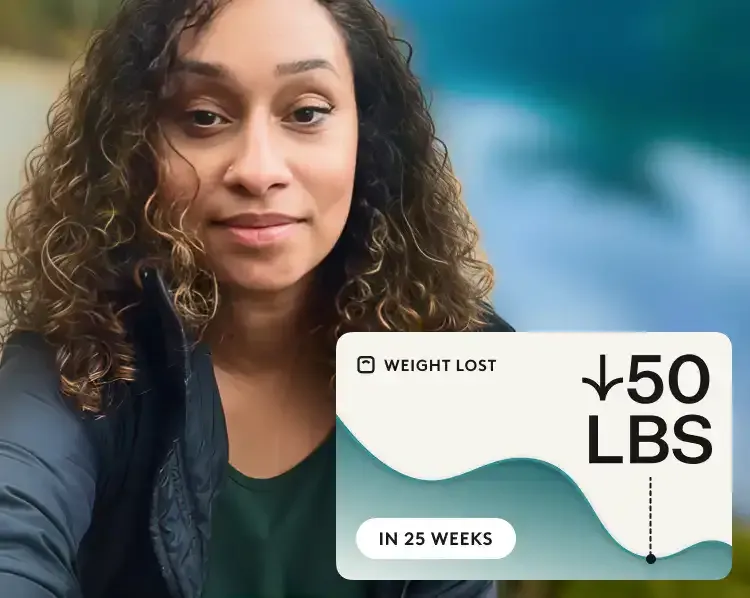
“My favorite parts of Noom are the care team and other Noomers. Sharing and getting help made me feel like I wasn’t doing it alone. That support made all the difference.”
Desirea N. — Real Noom user
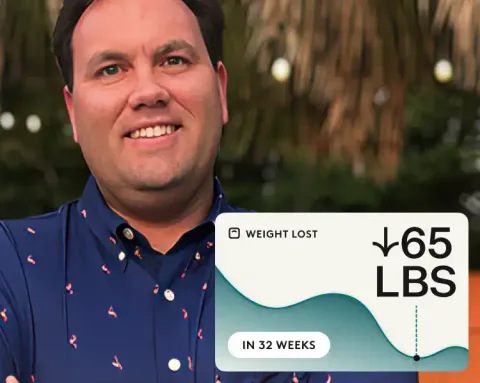
“Noom has taught me that every day is a new chance to make better, healthier choices. It’s taught me how to stop overeating.”
Matthew M. — Real Noom user
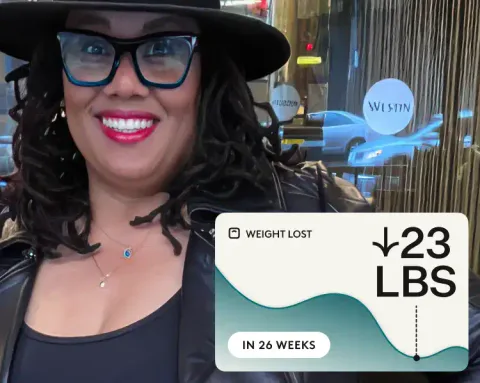
“Clinicians who understand how supportive medication can be is one of the best parts of Noom! I was convinced I wouldn’t have success but I’m down 11 pounds in two months.”
Lila M. — Real Noom user
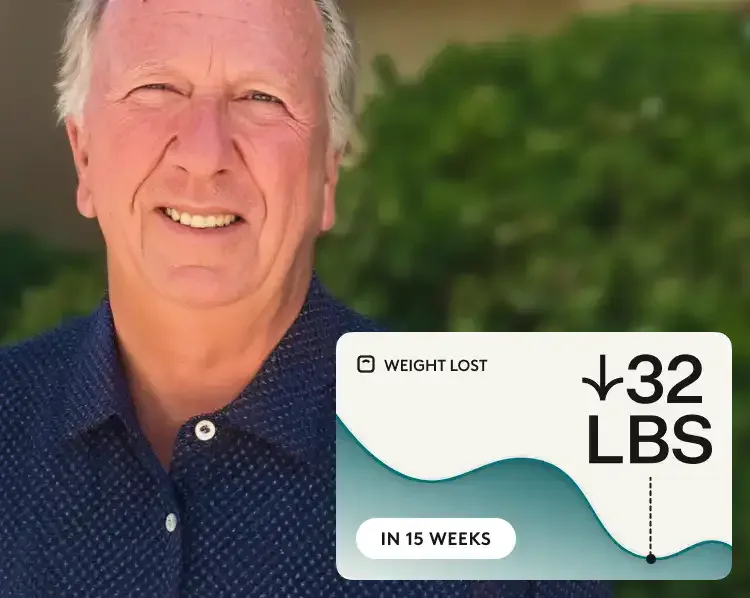
“Noom provided me with the medication which I could not get through Medicare. I have learned the tricks to better eating and life in general.”
Steve M. – Real Noom user
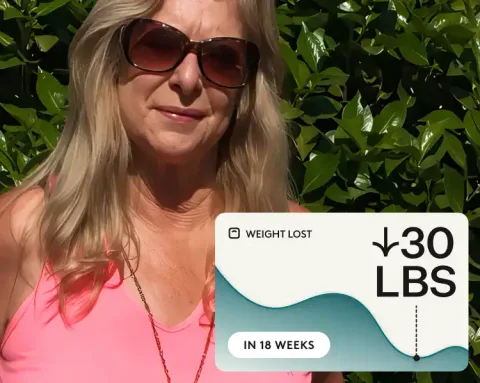
“Noom has changed my life and I’m so thankful, I feel great, have more energy and am no longer prediabetic.”
Daisy R. – Real Noom user
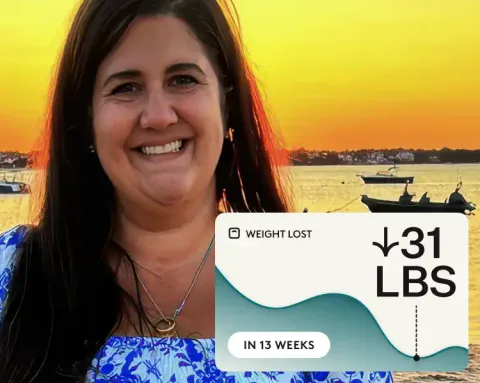
“All of the Noom providers that I’ve met with have been exceptional and prescribed medications that are appropriate for my situation and health.”
Sarah R. – Real Noom user
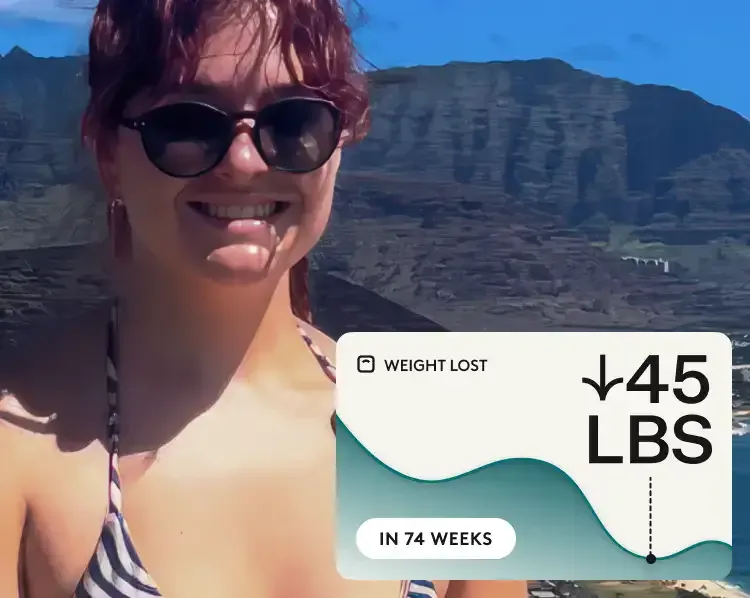
“Noom made the process so simple and now I feel full, free from diet obsession, and at ease in my body again.”
Madison S. – Real Noom user
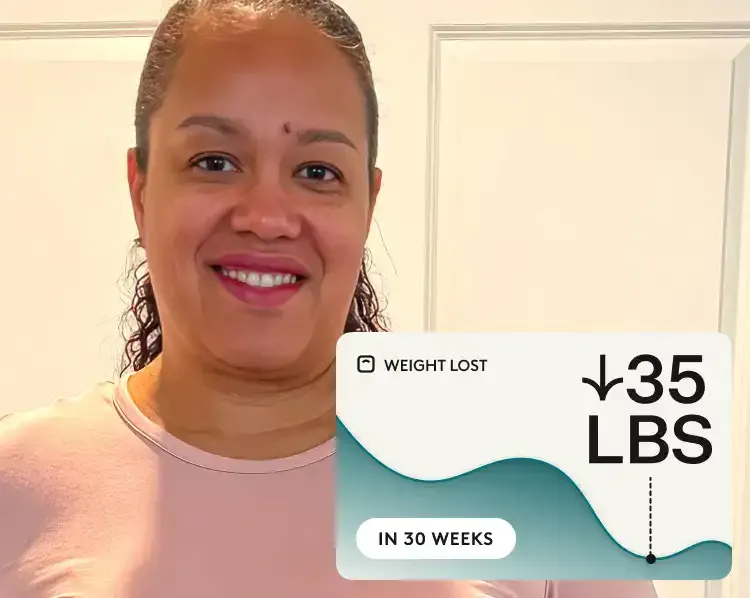
“My doctor recommended Noom after I was frustrated trying to lose weight. The lessons helped change my relationship with food. My body feels lighter & energized.”
Sonday K. – Real Noom user
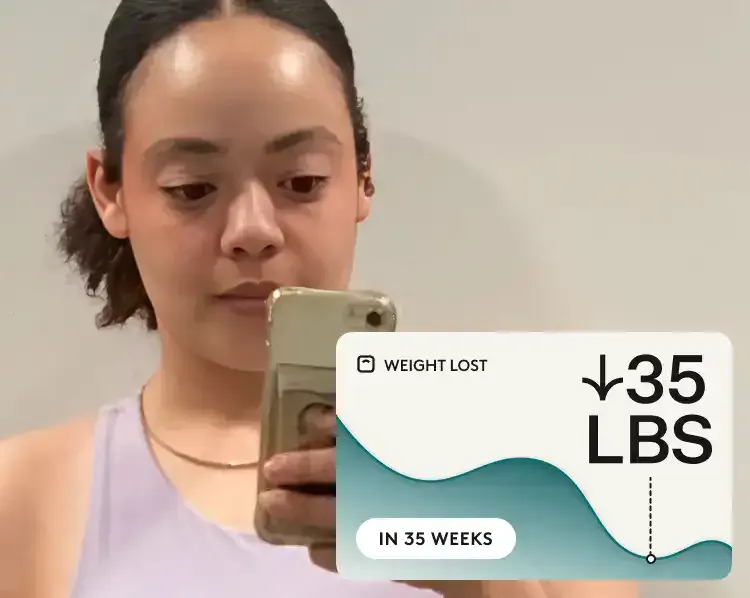
“I built healthy habits with coaching and lessons that make me confident I can maintain my weight loss long term.”
Cam K. – Real Noom user
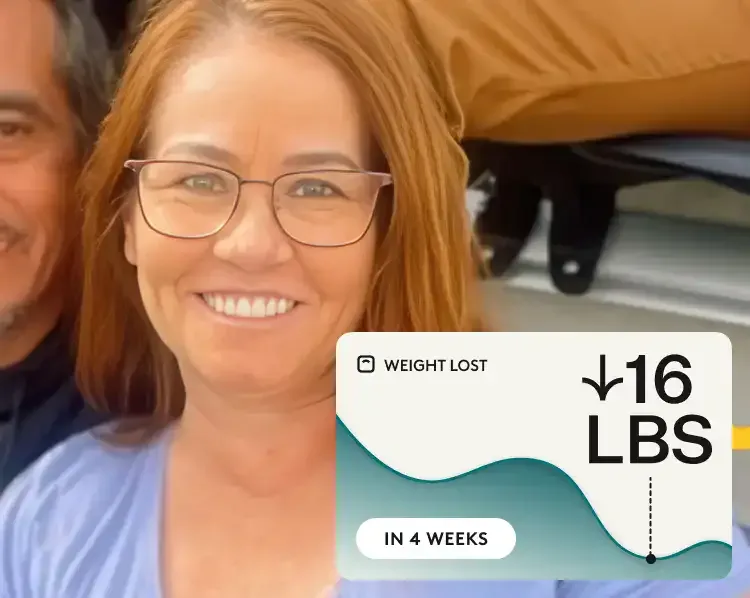
“With the right medication through Noom, hunger and sugar cravings finally quieted and I have the tools to break the cycle.”
Laura TR. – Real Noom user
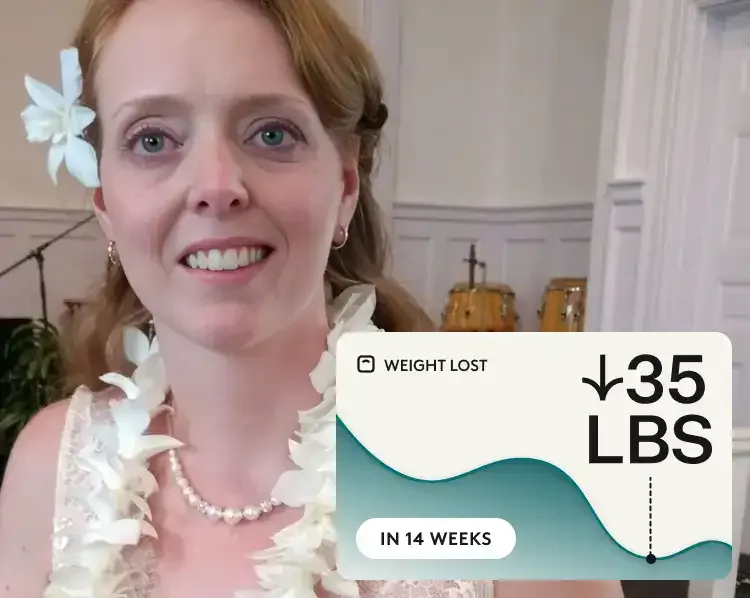
“Cravings and food noise are gone, I finally feel confident in the healthy habits I’ve built to last with Noom.”
Jessica S. – Real Noom user
Making the right choice: Ozempic® vs. metformin
Choosing between Ozempic® and metformin for weight loss isn’t just about which one works faster or leads to more pounds lost—it’s about what fits your life. Ozempic® tends to deliver more significant weight loss, but it’s also pricier, less likely to be covered by insurance, and comes with the commitment of weekly injections. Metformin, while not quite as powerful for weight loss, is a tried-and-true option that’s easy on the wallet and often a better starting point, especially if you’re dealing with insulin resistance or prediabetes. Both can be effective, especially when paired with healthy habits like balanced eating and regular movement.
The most important thing to remember is that there’s no one-size-fits-all solution. What works best for someone else might not be right for you. That’s why working with your doctor is key—they can help you weigh the pros and cons of each medication, figure out what’s realistic for your goals and lifestyle, and build a plan that sets you up for long-term success. Whether you start with metformin, explore Ozempic®, or even use them together under medical supervision, the goal is to find a strategy that helps you feel better, stay healthy, and reach your weight loss goals in a sustainable way.
If you’re unsure which option is right for you, see if you qualify for Noom Med. You’ll be paired with a clinician who can find the right medication for you and prescribe it if needed.
Note: Ozempic®, Mounjaro®, Rybelsus®, Victoza®, Trulicity®, and metformin are not FDA-approved to treat obesity or for weight loss
Editorial standards
At Noom, we’re committed to providing health information that’s grounded in reliable science and expert review. Our content is created with the support of qualified professionals and based on well-established research from trusted medical and scientific organizations. Learn more about the experts behind our content on our Health Expert Team page.