Our commitment to HRT safety and transparency
Noom + HRTRx pairs powerful, trusted medications with our proven behavior change program to help ease menopause symptoms, including weight gain.
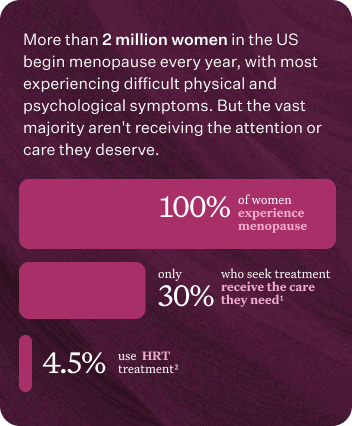
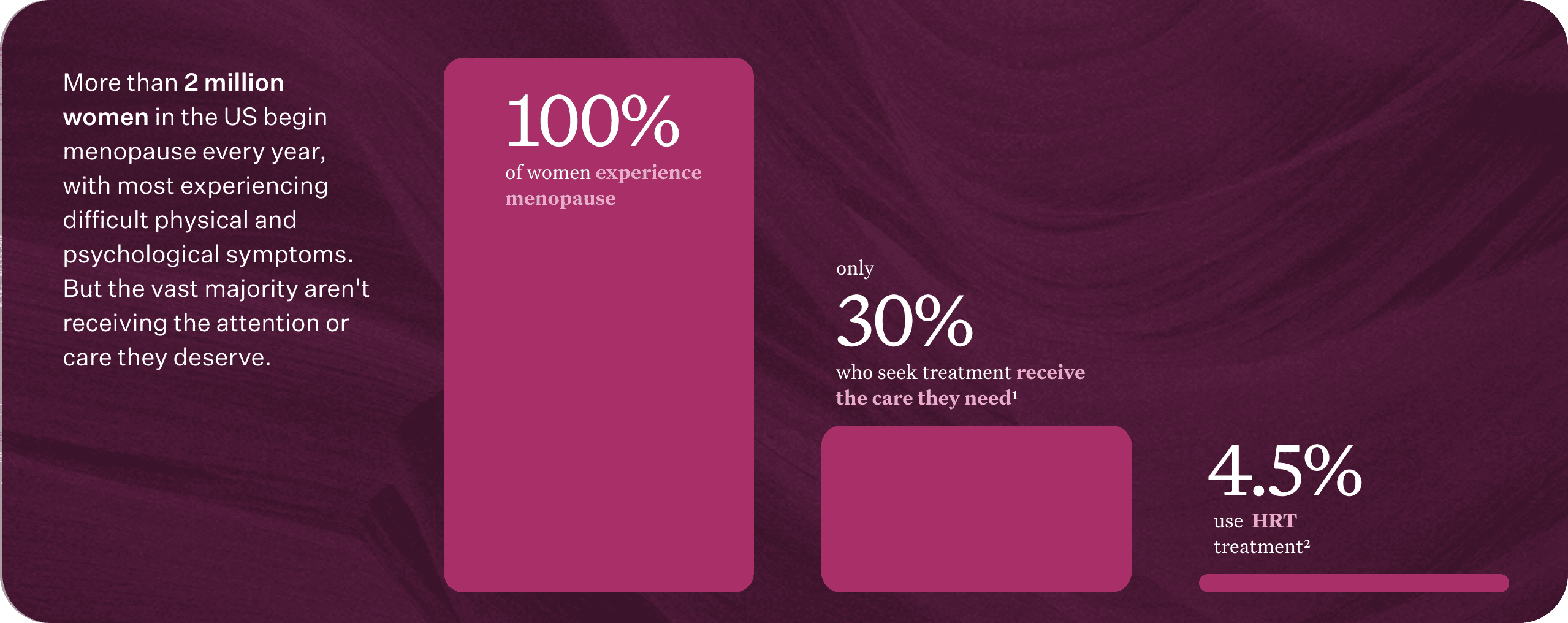
The menopause care gap — women have been overlooked and under-supported
How hormones change during menopause
As menopause approaches, estrogen levels begin to fluctuate. This can lead to a decrease in muscle and increase in fat mass, fat tissue accumulating around the abdomen, and shifts in metabolism—just to name a few. These shifts can negatively affect how the body metabolizes sugar and fat, and also cause more intense hunger signals—often leading to weight gain.3,4
To make things even more difficult, fluctuating hormone levels can cause symptoms like mood changes, hot flashes, sleep disturbances, and many more. Weight loss is hard when you’re feeling lethargic or having difficulty sleeping because of night sweats.
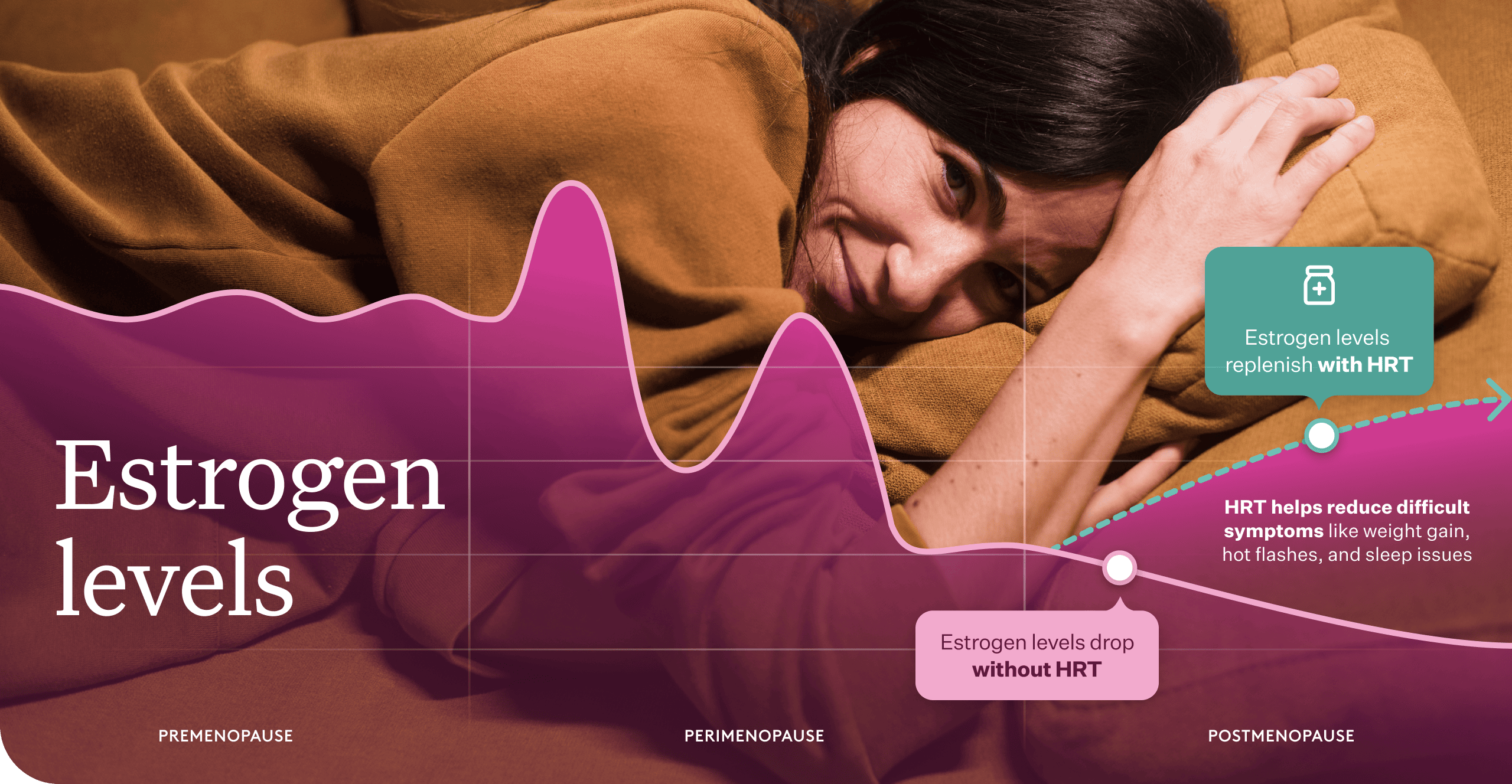
What is Hormone Replacement Therapy?
As estrogen levels fluctuate dramatically during perimenopause (the menopausal transition), symptoms like hot flashes, night sweats, and weight gain can occur.
HRT (sometimes referred to as Hormone Therapy, Menopausal Hormone Therapy, or MHT) can help ease these symptoms—and many more—by stabilizing erratic hormones in perimenopause and supplementing low levels of hormones, post menopause.

High-quality, trusted, effective menopause care: Introducing Noom + HRTRx
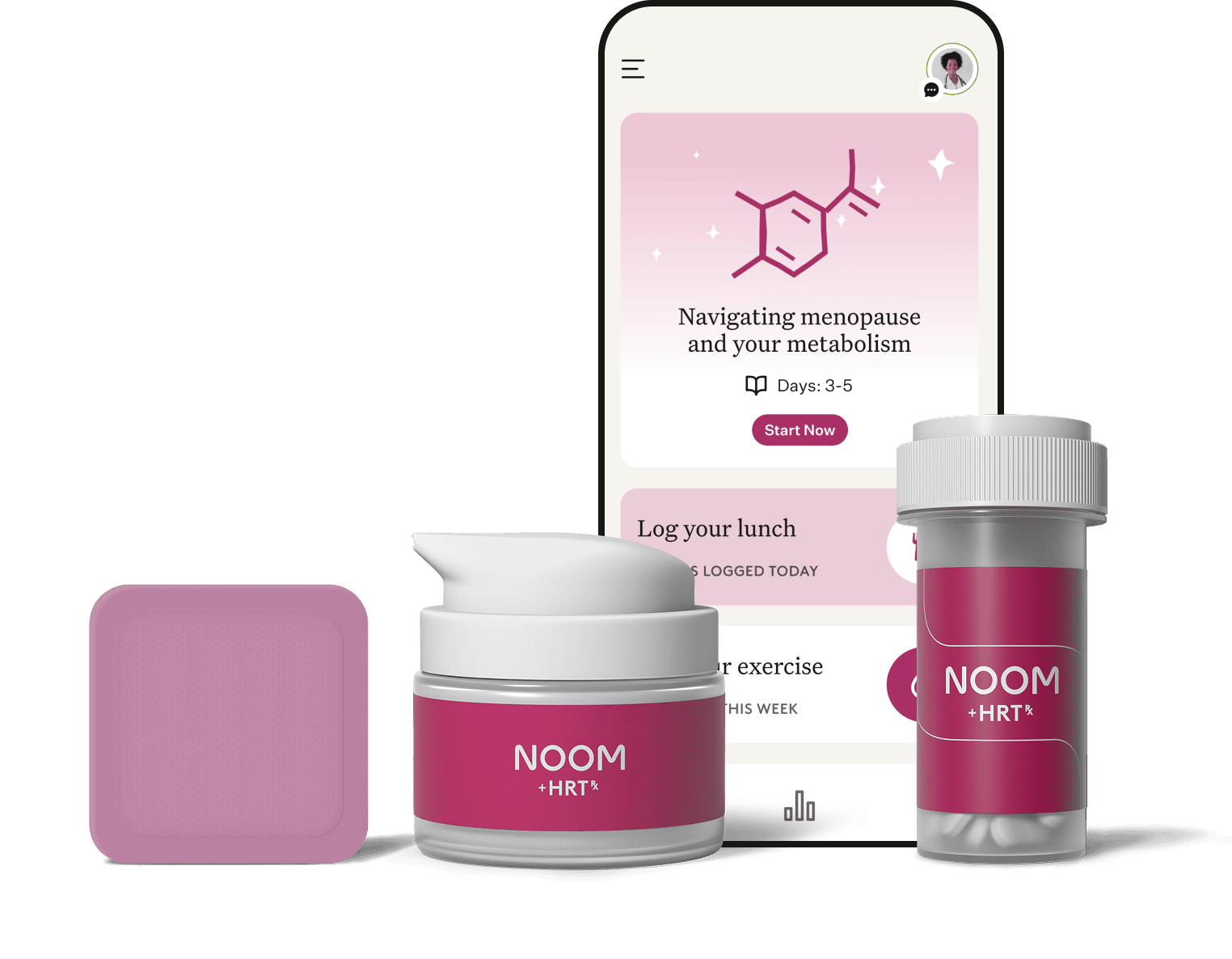
Noom clinicians prescribe FDA-approved transdermal patches and progesterone pills as well as a compounded transdermal cream option to meet the individual needs of our patients. While the FDA does not review compounded medications, our estrogen body cream is USP-compliant, which means that it meets the quality standards set by the United States Pharmacopeia (USP) and is produced in US-based, state-regulated compounding pharmacies. Every batch is tested by an FDA-registered third-party lab to ensure it meets Noom’s quality standards.
Estradiol patch

Our small adhesive patch works by delivering estrogen through the skin and directly into the bloodstream. The hormones in the patch are bioidentical, which means they’re chemically the same as what the human body naturally produces, which has been associated with less risk and fewer side effects for a more balanced, effective treatment.5
Estrogen body cream
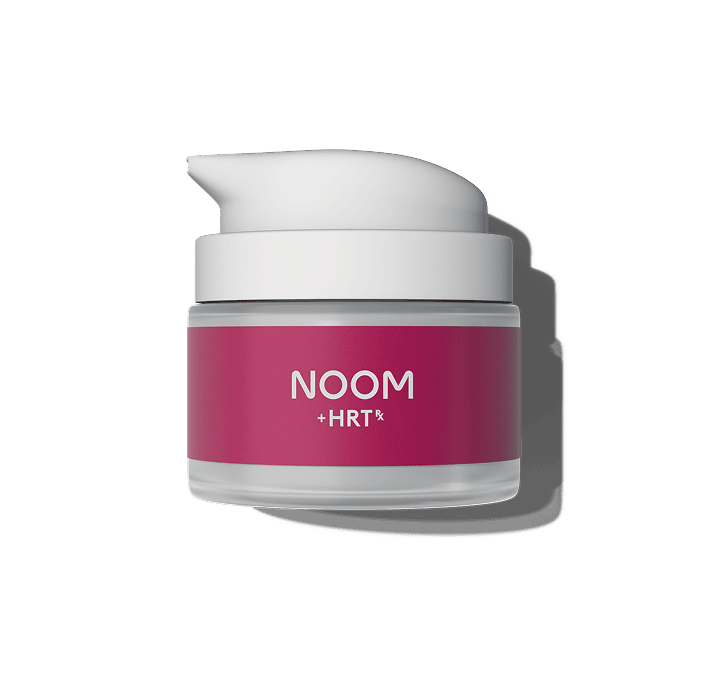
Our bi-est cream contains two types of bioidentical estrogen: estradiol and estriol. Estriol is a gentler form of estrogen included to reduce side-effects. Noom’s estrogen cream is manufactured in US-based, state-regulated pharmacies and is United States Pharmacopeia (USP) compliant, which sets the standard for quality. The FDA does not review compounded medications.
Progesterone pill
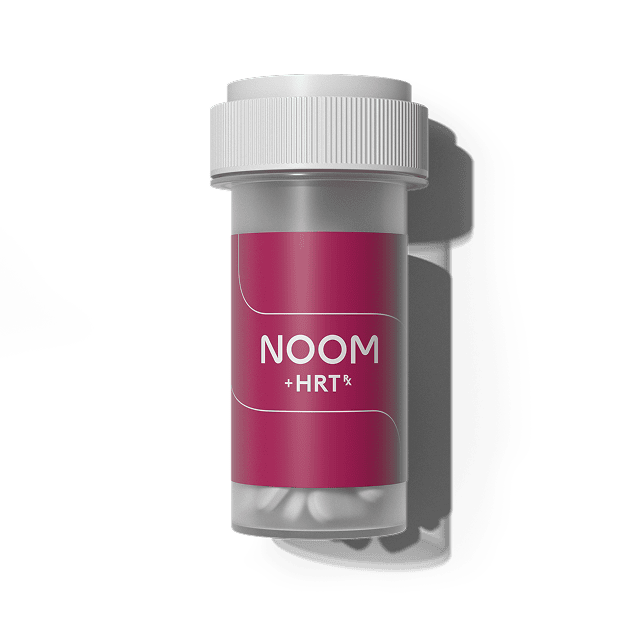
Our progesterone pill contains micronized progesterone, a bioidentical hormone that is chemically the same as the progesterone produced by the ovaries. Micronized progesterone is primarily prescribed to balance the effects of estrogen on the uterus.
Note: If a patient does not have a uterus, they may not receive progesterone as part of their Noom + HRTRx experience. All treatment decisions are individualized for each patient.

Our process
For every compounded medication offered through Noom, our partner pharmacies perform routine testing internally and through third-party FDA and DEA-registered labs for a robust quality control process. They test key characteristics to ensure consistency and quality standards are met for every prescription. Certificates of Analysis are available for each medication dispensed and we also keep track of all patient outcomes to maximize safety.
Compounded medications are not reviewed for safety, quality, or efficacy by the FDA.
Breaking down misconceptions about HRT
The controversy around HRT and breast cancer
- The Women’s Health Initiative (WHI), a study that ended in 2002, caused a lot of concern around HRT treatment. This study reported a link between HRT and breast cancer. As a result, millions of women (and their doctors) abandoned effective HRT treatment nearly overnight. Since then, we have heard from many researchers, including some involved in the WHI, who believe this study overstated the risks, was misleading, and failed to bring attention to the overall benefits of HRT for most women.
Outdated methods, flawed conclusions
- The WHI studied HRT in a group of women who were mostly over age 60, and mostly not experiencing active symptoms of menopause. We now know that the ideal window for starting HRT is typically within 10 years of menopause and before turning 60.
- A long-term followup of the population included in the WHI study showed no measurable difference in overall cancer deaths.6
- The WHI study’s conclusions were additionally based on treatment with oral conjugated equine estrogen and modified synthetic progesterone, versus bioidentical and natural hormones (which are what Noom prescribes). Current research suggests significant benefits for transdermal bioidentical estrogen and bioidentical progesterone.7,8
- A more recent study from the UK (that unfortunately got way fewer headlines), found that women who used estrogen-only HRT and women who used estrogen with bioidentical progesterone (the modern treatment that Noom and many other providers prescribe today) had no increased risk of breast cancer.9
What the latest research says about HRT and long-term health
- Using bioidentical hormones at the right time—closer to menopause—has been shown to reduce the already low risks and increase the substantial benefits of HRT.
- Across many studies, we have seen that HRT can reduce the risk of heart attack in women who started HRT before 60 or within 10 years of menopause.10
- The risk of colorectal cancer is also lower in women who used HRT. This data is shown in the WHI study.11
- Hormone therapy is proven to protect bone health in women starting HRT by 60, with the data consistently showing a 25% or greater reduction in fractures across groups of women on HRT.12
- In fact, a comprehensive analysis of many studies, altogether, showed that HRT reduces mortality risk (deaths from any cause) when HRT is initiated within 10 years of menopause and/or under 60 years of age.13
- The bottom line is the data shows HRT adds years of healthy life for many women who start it soon after menopause.14
Noom’s personalized approach for every patient
Menopause affects every woman differently. Noom’s personalized approach maximizes results.
A comprehensive medical intake questionnaire is used to understand each patient. If medication is right for you, you’ll get a tailored prescription and treatment plan based on your individual health needs and goals—plus access to Noom’s menopause toolkit and behavior-change program
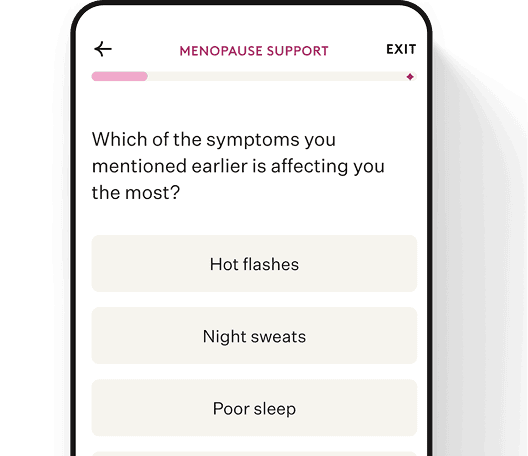
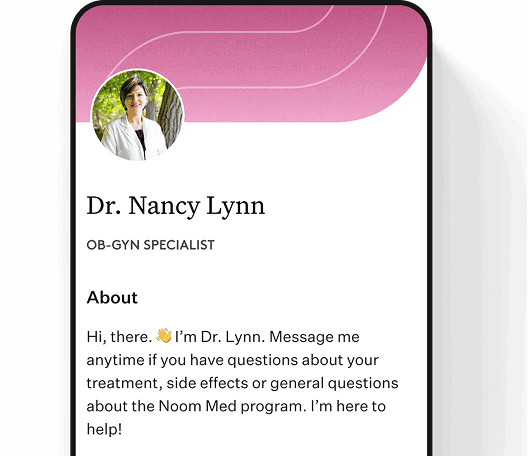
Continuous access to licensed clinicians and coaches experienced in menopause care
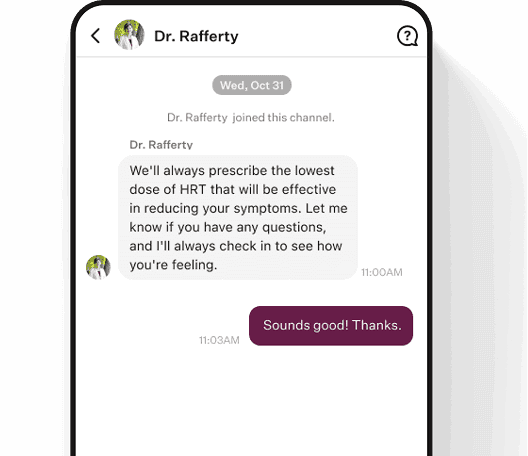
Clinicians start you on a lower dose of HRT that provides symptom relief while managing side effects—HRT contains a lower dose of hormones than in commonly used birth control pills
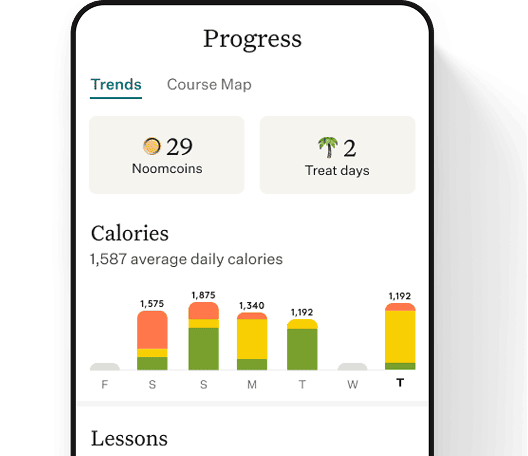
Noom’s app provides tools that help with healthy eating, exercise, and weight loss in conjunction with HRT so you can achieve sustainable results and long-term health improvements.
Women who used Noom with HRT lost 3.3x more weight than those who tried to lose weight on their own15
The Noom app comes with a huge library of content designed to help with menopause symptoms, weight loss, nutrition, and overall wellness. It’s fun and engaging, with lessons, quizzes, and quick tips to support your success
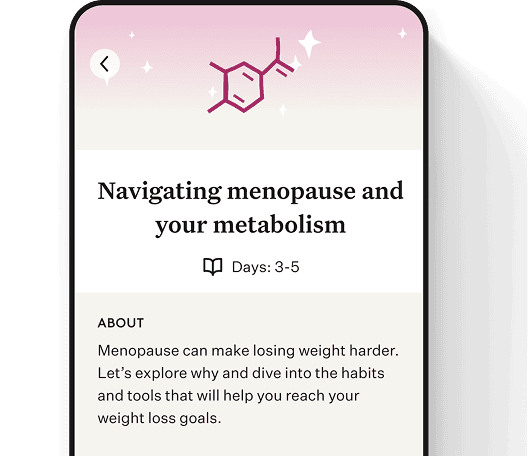
Simulated screen

Noom’s clinical experts

Dr. Julia Edelman, MD
Executive Director of Women’s Health
Dr. Julia Edelman, MD is a gynecologist, author, and public speaker. An expert in menopause and women’s health, Dr. Edelman has written two books for patients and their physicians: Menopause Matters: Your Guide to a Long and Healthy Life (Johns Hopkins University Press) and Successful Sleep Strategies for Women (Harvard Health Publications).
After earning a BS from Yale, and an MD at Columbia University’s College of Physicians and Surgeons, Dr. Edelman completed an OB-GYN residency at Brigham and Women’s Hospital. Dr. Edelman has taught at both Harvard and Brown University Medical Schools, and served as a clinical consultant at the Massachusetts General Hospital. She served on the Board of Trustees of the Massachusetts Medical Society for ten years. Massachusetts Medical Society selected Dr. Edelman as their Clinician of the Year in 2018. Dr. Edelman is also a certified menopause practitioner (MSCP) through The Menopause Society.
Dr. Edelman has operated a solo, private practice in Southeastern Massachusetts for over 25 years. Named “Menopause Clinician of the Year” by The North American Menopause Society in 2010, Dr. Edelman enjoys speaking with women about the latest developments in women’s health. Her new book The Savvy Woman’s Guide to Menopause: Before, During, and Beyond was published by Johns Hopkins University Press in 2025.

Dr. Karen Mann, MD
Medical Director
Dr. Karen Mann is a board-certified OB-GYN who received her medical degree from The George Washington University School of Medicine and completed her residency at Kaiser Permanente, Los Angeles Medical Center.
She also holds a BA in Sociology from UCLA, graduating Summa Cum Laude. With over a decade of experience in caring for women, her focus has been on family planning at a women’s health clinic in California, where she also led the “Weigh to Wellness” weight-loss program, managed their prenatal program, and spearheaded their telehealth platform, which has been running for over five years. Dr. Mann is a diplomate of the American Board of Obesity Medicine and a certified menopause practitioner (MSCP) through The Menopause Society.
Committed to ongoing education, she has studied nutrition science at Stanford and integrative nutrition through the Integrative and Functional Nutrition Academy. She became a certified life coach and strives to incorporate mindfulness-based stress reduction and trauma-informed care into her practice, living her mission of empowering individuals to achieve their health goals through a compassionate and holistic approach.

Yalda Olcott, PharmD
Head of Healthcare & Pharmacy Operations
Dr. Olcott holds a Doctor of Pharmacy degree from North Dakota State University and brings over a decade of pharmacy leadership experience, including retail pharmacy, medication therapy management (MTM), and pharmacy benefits management (PBM).
Dr. Olcott’s extensive PBM experience includes utilization management, formulary development, clinical program development, and maintaining client relationships. Most recently Dr. Olcott held the role of VP Operations and Account Services at ClearScript. In this role, she led oversight and strategy of clinical programs, clinical services, product development, client relationships, and vendor management. At Prime Therapeutics, she held many leadership roles, was heavily involved in utilization management and medication therapy management, and maintained client relationships while delivering cost-effective solutions for employers and health plans.
Frequently Asked Questions

When is the best time to start taking HRT?
There’s an ideal time to start hormone replacement therapy (HRT) to get the most benefits—usually within 10 years of menopause and before turning 60. Starting sooner rather than later could reduce your risk of Alzheimer’s, osteoporosis, and heart disease—all while helping you feel better now. With Noom’s personalized approach, you can take charge of your midlife health and get the guidance you need to make the most of this crucial window. Be sure to consult your clinician before beginning any new treatment plans.
What are the potential side effects?
Common side effects can occur, such as bloating, tenderness in the breasts, and temporary vaginal bleeding or spotting. Noom’s clinicians are here to help you manage side effects, which could include tailoring your prescription. Side effects can be similar to what’s experienced at certain times during the menstrual cycle, in pregnancy, or with the use of hormonal contraceptives like birth control pills.
Why is Noom prescribing HRT?
- Hormone replacement therapy has been shown to improve metabolic health in menopausal women, including insulin sensitivity and fasting glucose. It has additionally been shown to improve healthy body composition and fat distribution, improving visceral adiposity.16,17
- When your hormone levels are unbalanced, it can also make weight loss extra difficult. Research shows that hormone balancing can provide symptom relief and amplify weight loss achieved with Noom’s proven behavior-change approach.18
How do I use Noom + HRT Rx products?
Please visit noom.com/med/how-to-use-hrt
Will my risk of breast cancer go up using hormones?
- Unfortunately for women’s health, there remains conflicting information in the market about breast cancer risk and HRT, so it’s important to know the facts. There was a controversial study that ended in 2002, known as the Women’s Health Initiative (WHI), that many consider to have been flawed. This study caused a lot of concern around HRT treatment because it reported a link between HRT and breast cancer, which many now believe does not exist or is not applicable to today’s treatment methods. As a result of the study, millions of women (and their doctors) abandoned effective HRT treatment nearly overnight. Since then, we have heard from many researchers, including some involved in the WHI, who believe this study overstated the risks, was misleading, and failed to bring attention to the overall benefits of HRT for most women.
- For instance, it was found that women in the WHI study who used estrogen-only HRT (prescribed to patients without a uterus) actually showed a reduced risk of breast cancer. And overall, the data showed no increase in cancer deaths for women on HRT.
- A more recent study from the UK (that unfortunately got way fewer headlines), found that women who used estrogen-only HRT and women who used estrogen with bioidentical progesterone (the modern treatment that Noom and many other providers prescribe today) had no increased risk of breast cancer at all.
- Finally, a comprehensive analysis of many studies, including the WHI’s own data, showed that HRT reduces mortality risk (deaths from any cause) when HRT is initiated within 10 years of menopause and/or under 60 years of age. This key longevity finding supports our belief, and one that’s shared by millions of women and their doctors, that for most women experiencing menopause symptoms, the many benefits of HRT outweigh the potential risks.
Does the risk of getting a blood clot increase with hormone therapy?
- According to a large 2019 study, transdermal (through the skin) forms of HRT were not associated with increased blood clots. Noom only prescribes transdermal estrogen patches and creams as part of Noom + HRTRx. There is evidence that some forms of estrogen, primarily oral tablet forms of estrogen, have been associated with increased risk of blood clots.
- Your clinician will review your medical history before providing a prescription and you will have the opportunity to discuss your potential risks and concerns.
Can HRT treat depression in perimenopause and early menopause?
In some instances, patients may benefit from HRT if there are no contraindications to prescribing it, but HRT is not a first-line treatment for depression. Be sure to consult your clinician before beginning any new treatment plans.
Can HRT treat thin bones or osteoporosis?
HRT may be helpful in preventing bone loss, but it is not approved for the treatment of existing thin bones or osteoporosis. Be sure to consult your clinician before beginning any new treatment plans.
- Sarrel, P. et al., Incremental direct and indirect costs of untreated vasomotor symptoms. https://pubmed.ncbi.nlm.nih.gov/25714236/
- Yang, L. et al., Menopausal Hormone Therapy Use Among Postmenopausal Women. https://jamanetwork.com/journals/jama-health-forum/fullarticle/2823976
- Lizcano, F. Roles of estrogens, estrogen-like compounds, and endocrine disruptors in adipocytes. https://pmc.ncbi.nlm.nih.gov/articles/PMC9533025/
- McCarthy, M. and Raval, A. The peri-menopause in a woman’s life: a systemic inflammatory phase that enables later neurodegenerative disease. https://jneuroinflammation.biomedcentral.com/articles/10.1186/s12974-020-01998-9
- Holtorf, Kent. The bioidentical hormone debate: are bioidentical hormones (estradiol, estriol, and progesterone) safer or more efficacious than commonly used synthetic versions in hormone replacement therapy? https://pubmed.ncbi.nlm.nih.gov/19179815/
- Manson, J. et al., Menopausal Hormone Therapy and Long-term All-Cause and Cause-Specific Mortality. https://pmc.ncbi.nlm.nih.gov/articles/PMC5728370/
- Goldštajn, M. S. et al., Effects of transdermal versus oral hormone replacement therapy in postmenopause: a systematic review. https://pmc.ncbi.nlm.nih.gov/articles/PMC10147786/
- Levy, B. et al., A Contemporary View of Menopausal Hormone Therapy. https://journals.lww.com/greenjournal/fulltext/2024/07000/a_contemporary_view_of_menopausal_hormone_therapy.3.aspx
- Abenhaim, H. A., et al., Menopausal Hormone Therapy Formulation and Breast Cancer Risk. https://journals.lww.com/greenjournal/Abstract/2022/06000/Menopausal_Hormone_Therapy_Formulation_and_Breast.16.aspx
- Salpeter, Shelley R. et al., Bayesian Meta-analysis of Hormone Therapy and Mortality in Younger Postmenopausal Women. https://www.amjmed.com/article/S0002-9343(09)00666-4/fulltext
- Barzi, A. et al., Molecular Pathways: Estrogen Pathway in Colorectal Cancer. https://pmc.ncbi.nlm.nih.gov/articles/PMC3836673/
- Zhu, L. et al., Effect of hormone therapy on the risk of bone fractures: a systematic review and meta-analysis of randomized controlled trials. https://pubmed.ncbi.nlm.nih.gov/26529613/
- Hodis, H. and Mack W. Menopausal Hormone Replacement Therapy and Reduction of All-Cause Mortality and Cardiovascular Disease: It’s About Time and Timing. https://pmc.ncbi.nlm.nih.gov/articles/PMC9178928/
- Elsevier Health Sciences, Hormone Replacement Therapy Decreases Mortality In Younger Postmenopausal Women. https://www.sciencedaily.com/releases/2009/10/091028162632.htm
- Based on a comparison of 200 Noom Healthy Weight users experiencing active menopausal symptoms and utilizing hormone replacement therapy and women experiencing active menopausal symptoms receiving bi-monthly education on weight loss in an independent third party study.
- Papadakis, Georgios E. et al., Menopausal Hormone Therapy Is Associated With Reduced Total and Visceral Adiposity: The OsteoLaus Cohort. https://academic.oup.com/jcem/article/103/5/1948/4953992
- Salpeter, Shelley R. et al., Meta-analysis: effect of hormone-replacement therapy on components of the metabolic syndrome in postmenopausal women. https://pubmed.ncbi.nlm.nih.gov/16918589/
- Sayegh, R. A., et al., Impact of hormone replacement therapy on the body mass and fat compositions of menopausal women: a cross-sectional study. https://pubmed.ncbi.nlm.nih.gov/10614678/