
What you’ll learn:
- Orforglipron is an oral GLP-1 medication in clinical trials that offers weight loss benefits without the need for injections.
- Clinical trials show that orforglipron can help people lose, on average, about 12% of their body weight.
- Orforglipron is expected to receive Food and Drug Administration (FDA) approval by 2026.
When people turn to weight loss medication, the most effective choices today are the injectable GLP-1s: Wegovy® and Zepbound®. These options, developed by Novo Nordisk and Eli Lilly, respectively, have dominated the conversation because they help people lose an average of 15% to 20% of their body weight. For some, though, weekly injections remain a barrier.
When it comes to GLP-1 pills, only one is currently approved in the U.S. Rybelsus® is made by Novo Nordisk but is approved for diabetes management, not weight loss. Eli Lilly is now moving into the pill space with orforglipron, a once-daily medication that has gone through several successful clinical trials. These are typically the final, large-scale studies needed before FDA review, and early data show promising weight loss results.
If approved, orforglipron could become the first oral GLP-1 designed specifically for weight management. It will offer people the convenience of a pill while delivering many of the same benefits as current injectable GLP-1 therapies. Let’s take a look at what it is and when it might be on the market. Plus, we’ll go through potential side effects and compare them to other GLP-1 medications.
How orforglipron is different than other weight loss medications
Most GLP-1s like Wegovy® or Zepbound® are injections. They need to be delivered this way because the medications will break down in the stomach. Orforglipron is part of a new class of GLP-1 medications designed to survive digestion, be absorbed as a pill, and stay active in the body for over a day.
This makes it possible to take once daily, without needles or refrigeration. The design also allows it to avoid the strict timing rules required by Rybelsus, which must be taken on an empty stomach in the morning.

The Easy Way
to lose weight and get healthy.
How is orforglipron taken? Dosing and convenience
One of orforglipron’s biggest advantages is convenience. Orforglipron can be taken at any point in the day, with or without food. And unlike injectable medications, it does not require refrigeration, needles, or site rotation, making treatment much easier to manage day to day. That flexibility makes it easy to fit into any routine.
Like other GLP-1 medications, dosing is gradually increased to help the body adjust and reduce side effects. People involved in trials started at 12 milligrams (mg) and increased the dose over several weeks. The highest dose for weight management was set at 36 mg per day. Because it stays active in the body for 24 to 67 hours, orforglipron works with a simple once-daily dose.
How much weight can you lose with orforglipron?
Clinical trials suggest that orforglipron can help people lose an average of 12% of their body weight after about a year of treatment.
For comparison, injectable GLP-1 medications like Wegovy® and Zepbound® generally lead to greater reductions, helping people lose an average of 15% to 20% of their body weight. Still, orforglipron’s results are considered strong for a pill-based option.
Side effects and safety: What to know about orforglipron
Lilly reported that orforglipron’s safety profile was similar to other GLP-1 receptor agonists, with no unexpected safety issues. The most common side effects were nausea, constipation, and diarrhea, and they were generally mild to moderate in severity. Higher doses generally resulted in a higher rate of side effects.
| Side effect | 6 mg | 12 mg | 36 mg |
|---|---|---|---|
| Nausea | 29% | 36% | 34% |
| Constipation | 22% | 30% | 25% |
| Diarrhea | 21% | 23% | 23% |
| Vomiting | 13% | 21% | 24% |
| Dyspepsia | 13% | 16% | 14% |
Some people stopped taking orforglipron because of side effects, with higher doses leading to higher rates of discontinuation. About 5% stopped at the lowest dose, 8% at the mid dose, and 10% at the highest dose, compared to about 3% with placebo. Overall, discontinuation for any reason was similar between groups, and no liver safety concerns were reported.
Serious risks and concerns
So far, orforglipron’s clinical trials show a side effect profile that looks similar to other GLP-1 medications. Because it works on the same GLP-1 receptor, experts expect that it will likely carry the same warnings.
That means rare but serious risks may include pancreatitis, gallbladder problems, and a warning about thyroid tumors (a connection only made in animal studies). These risks are uncommon, but they are monitored closely in all GLP-1 studies and highlighted on existing GLP-1 medications. If orforglipron is approved, similar precautions are likely to apply.
Anyone considering orforglipron in the future should review their medical history with a healthcare provider to weigh potential benefits and risks before starting treatment.
When will orforglipron be available?
Again, orforglipron is still being studied and in late clinical trials, but here’s the expected timeline:
- Eli Lilly plans to submit it to the FDA in late 2025 for approval for weight loss in adults with a BMI of 30 or higher, or 27 and higher with a related health condition.
- If approved, orforglipron could become available in the U.S. for weight management sometime in 2026.
- A separate request for approval in people with type 2 diabetes is planned after the weight management submission, possibly later in 2026.
- Additional trials are still underway to gather more data on safety and long-term use, which the FDA will consider before making its final decision.
For now, orforglipron remains an investigational medication and can only be accessed through clinical trials.
Orforglipron vs. Rybelsus: What’s the difference?
Rybelsus® (oral semaglutide) and orforglipron are both oral GLP-1 medications, but they’re at different stages. Rybelsus® is FDA-approved for type 2 diabetes and is sometimes prescribed off-label for weight loss. Orforglipron is still in development and could be approved for weight management as early as 2026.
How they’re taken also sets them apart:
- Orforglipron can be taken once daily with or without food, making it easy to fit into a routine.
- Rybelsus® must be taken in the morning on an empty stomach with a small amount of water, followed by a 30-minute wait before eating, drinking, or taking other medications.
Here’s a side-by-side look at the highest doses studied for weight loss:
| Side effect (common GI) | Orforglipron (36 mg) | Rybelsus (14 mg) |
|---|---|---|
| Nausea | 34% | 20% |
| Diarrhea | 23% | 11% |
| Vomiting | 24% | 10% |
| Constipation | 25% | 8% |
| Dyspepsia | 14% | 5% |
Orforglipron vs. Rybelsus®: Which is better for weight loss?
In weight loss studies, orforglipron’s highest dose led to an average 12% reduction in body weight over 72 weeks. This is substantially higher than with the highest dose of Rybelsus, where people lost an average of 4% of body weight.
Note: People taking an investigational 50-mg dose of Rybelsus reached an average of 15% of body weight lost over 68 weeks, though this dose isn’t yet FDA-approved or available.
Orforglipron vs. other GLP-1 medications: How does it compare?
Here’s how this oral medication compares to the current GLP-1 treatments approved for weight loss:
| Medication | Average weight loss |
|---|---|
| Orforglipron 36 mg | 12.4% |
| Semaglutide 2.4 mg (Wegovy®) | 15% |
| Tirzepatide 15 mg (Zepbound®) | 21% |
What will orforglipron cost?
Eli Lilly hasn’t yet announced the brand name or price for orforglipron, and costs will only be confirmed after FDA approval.
The costs of Wegovy® and Zepbound® range from $800 to $1,400 per month without insurance. Both are cheaper through the manufacturer and with specific savings programs.
The CEO of Eli Lilly notes that because orforglipron is less complex, it may be less expensive to manufacture than injectable GLP-1s, potentially improving affordability.
Final pricing will still depend on insurance coverage, pharmacy negotiations, and Lilly’s pricing strategy.
Frequently asked questions (FAQs) about orforglipron
Here are answers to some of the most common questions about orforglipron.
When will orforglipron be available?
Eli Lilly plans to apply for approval in late 2025. If all goes well, it could be approved and available in 2026.
Is orforglipron the same as tirzepatide?
No, orforglipron and tirzepatide aren’t the same. Tirzepatide (the active ingredient in Zepbound® and Mounjaro® is an injectable that targets two hormone receptors: GLP-1 and GIP. Orforglipron is a daily pill that only targets GLP-1. It’s a “small molecule,” which means it can survive digestion and be absorbed by the body, while larger peptide drugs like tirzepatide would be broken down in the stomach and must be injected.
Does orforglipron need to be taken with food or on an empty stomach?
One of orforglipron’s advantages is its flexibility—it can be taken with or without food. Unlike Rybelsus, which requires specific timing, orforglipron doesn’t have strict requirements about when to take it.
Noom’s Most Powerful Program
A dual-pathway GLP-1 and behavior change for lasting results.
How is orforglipron’s chemical structure different from injectable GLP-1 drugs?
Orforglipron is what scientists call a “small molecule” medication, while injectable GLP-1 drugs like semaglutide are made from larger protein-like structures called peptides. This smaller size allows orforglipron to survive digestion and be absorbed as a pill, whereas the larger peptide medications would be broken down by stomach acid if taken orally.
Is orforglipron being studied for conditions other than weight loss or diabetes?
Lilly has also confirmed that orforglipron is being studied for weight-related conditions such as obstructive sleep apnea (OSA) and high blood pressure (hypertension) in adults with a BMI of 27 or higher.
Are there long-term safety data for orforglipron yet?
So far, studies have tracked people for up to 72 weeks. The most common side effects are gastrointestinal (nausea, diarrhea, vomiting, constipation, and indigestion), which are usually mild to moderate and dose-related. About 5% to 10% of people stopped treatment due to side effects.
Overall, orforglipron’s safety profile looks similar to other GLP-1 medications like semaglutide and tirzepatide. Because it works on the same GLP-1 receptor, regulators will apply the same class warnings (pancreatitis, gallbladder issues, and a thyroid C-cell tumor warning from animal studies). Larger trials are ongoing, and more research is needed to confirm its long-term safety.
Could orforglipron be less expensive than other GLP-1 medications?
Possibly. Its small molecule structure could make manufacturing less costly than peptide-based injectables. However, the final price will depend on Lilly’s pricing strategy, insurance coverage, and market conditions.
Reviews from real Noom users
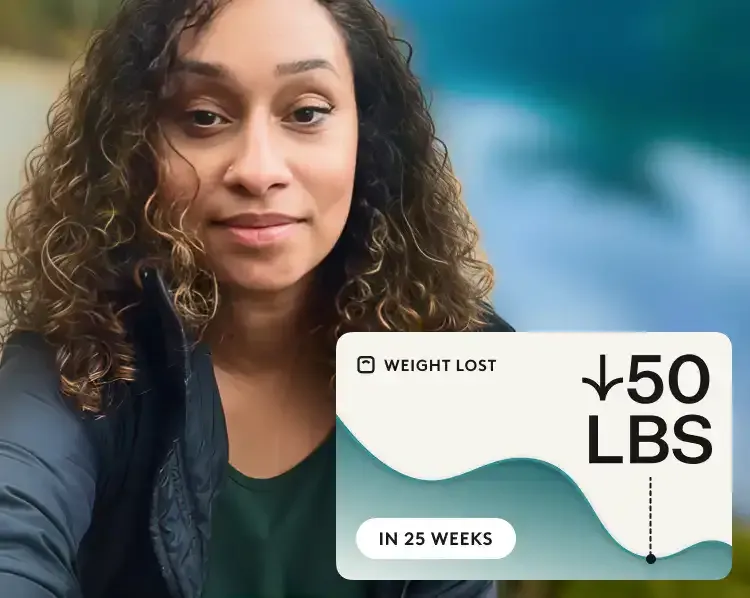
“My favorite parts of Noom are the care team and other Noomers. Sharing and getting help made me feel like I wasn’t doing it alone. That support made all the difference.”
Desirea N. — Real Noom user
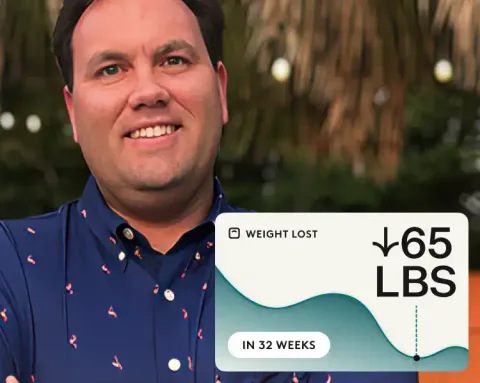
“Noom has taught me that every day is a new chance to make better, healthier choices. It’s taught me how to stop overeating.”
Matthew M. — Real Noom user
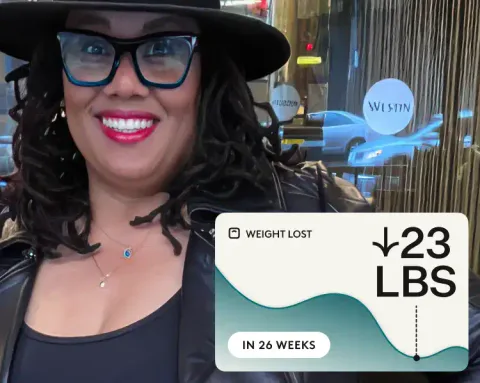
“Clinicians who understand how supportive medication can be is one of the best parts of Noom! I was convinced I wouldn’t have success but I’m down 11 pounds in two months.”
Lila M. — Real Noom user
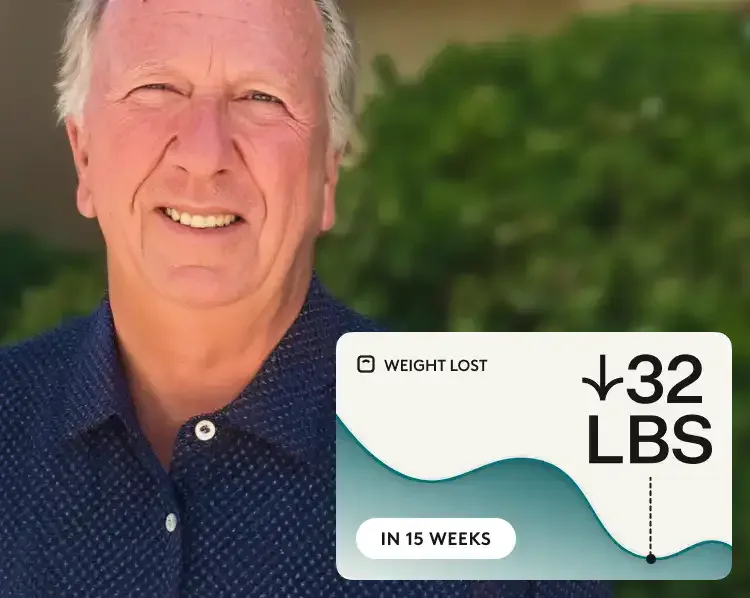
“Noom provided me with the medication which I could not get through Medicare. I have learned the tricks to better eating and life in general.”
Steve M. – Real Noom user
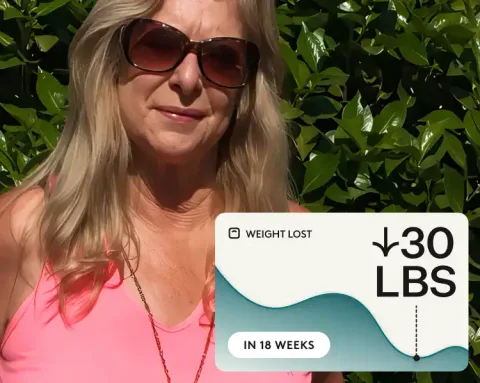
“Noom has changed my life and I’m so thankful, I feel great, have more energy and am no longer prediabetic.”
Daisy R. – Real Noom user
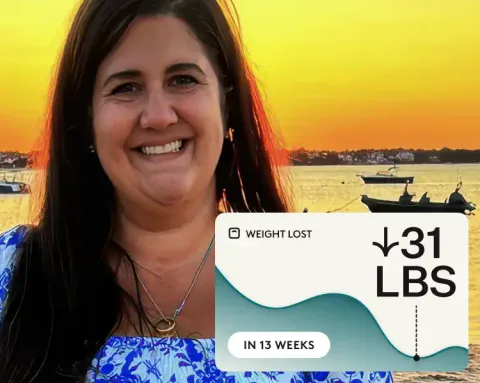
“All of the Noom providers that I’ve met with have been exceptional and prescribed medications that are appropriate for my situation and health.”
Sarah R. – Real Noom user
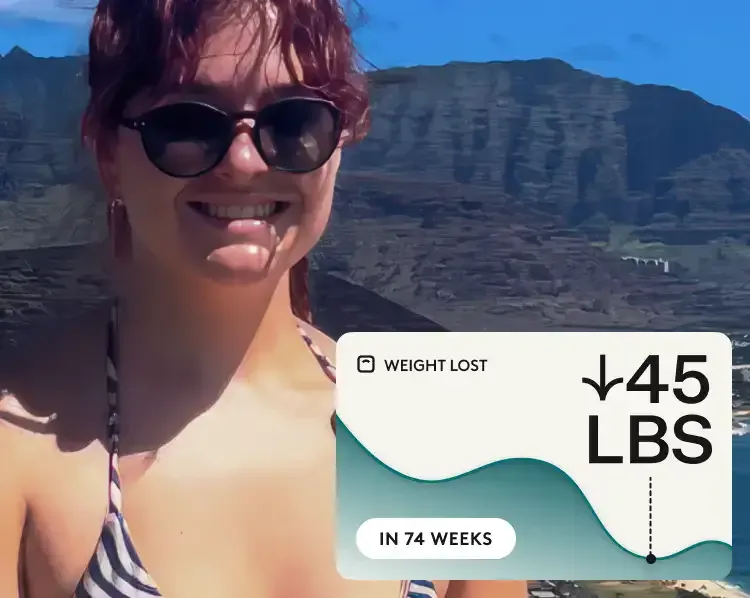
“Noom made the process so simple and now I feel full, free from diet obsession, and at ease in my body again.”
Madison S. – Real Noom user
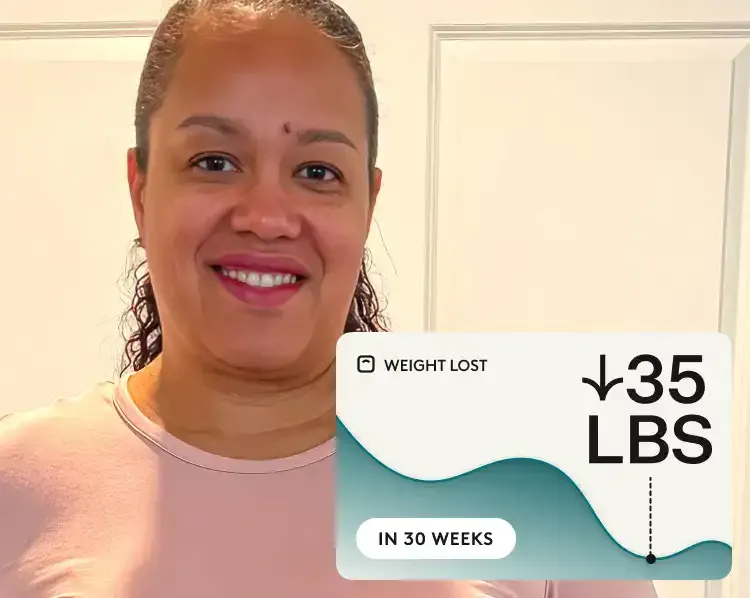
“My doctor recommended Noom after I was frustrated trying to lose weight. The lessons helped change my relationship with food. My body feels lighter & energized.”
Sonday K. – Real Noom user
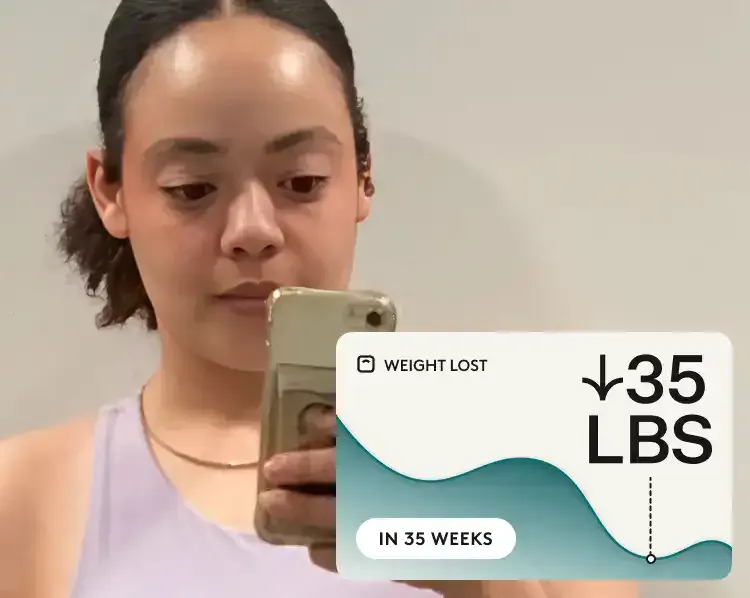
“I built healthy habits with coaching and lessons that make me confident I can maintain my weight loss long term.”
Cam K. – Real Noom user
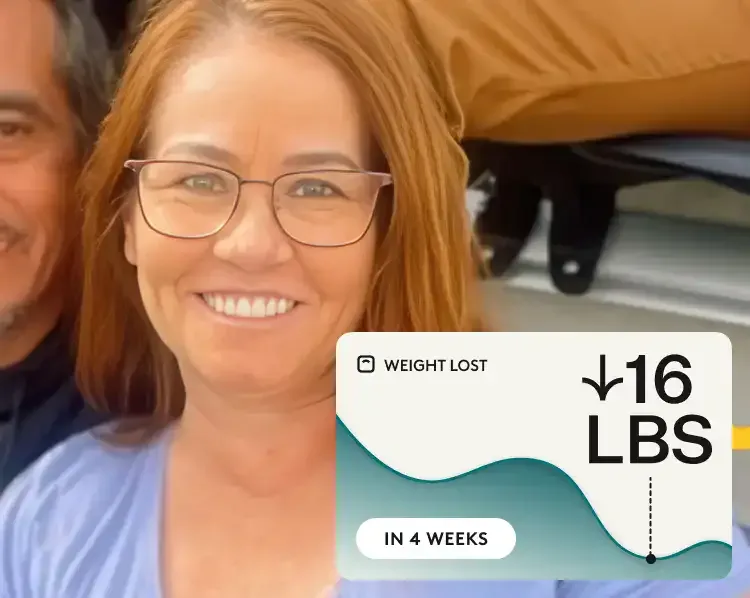
“With the right medication through Noom, hunger and sugar cravings finally quieted and I have the tools to break the cycle.”
Laura TR. – Real Noom user
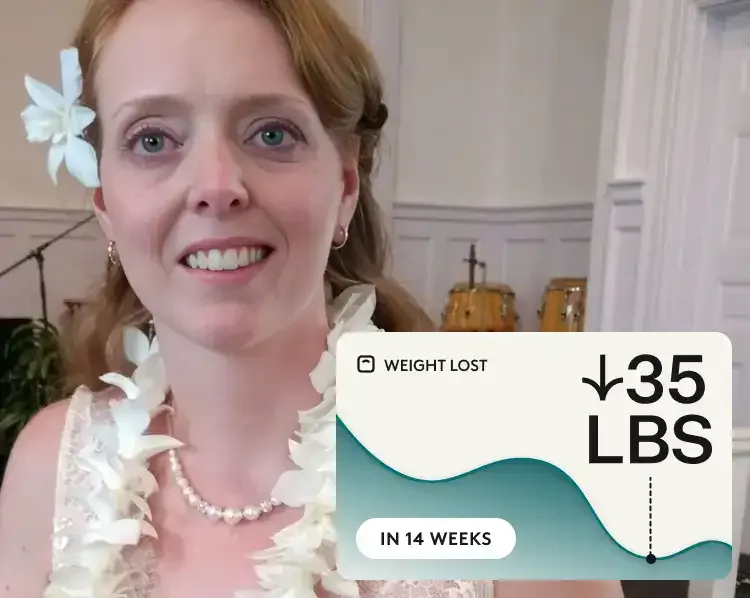
“Cravings and food noise are gone, I finally feel confident in the healthy habits I’ve built to last with Noom.”
Jessica S. – Real Noom user
The bottom line: Could orforglipron help you lose weight?
Orforglipron shows strong potential as a weight loss option for people who want results without injections. Higher doses in trials have delivered about a 12% average body weight reduction over 72 weeks, with side effects similar to other GLP-1 medications. Its main advantage is convenience—just one pill a day.
Orforglipron could be available in the U.S. sometime in 2026. Like other GLP-1 medications, it works best when paired with lasting lifestyle changes such as healthy eating, regular activity, and long-term habit support. If you’re interested in exploring weight loss medication, see if you qualify for Noom Med. You’ll be paired with a clinician who can assess whether weight loss medication is right for you and prescribe it if needed. Learn more about the different Noom Med plans and pricing options for 2025.
Note: Ozempic®, Rybelsus®, and Mounjaro® are not FDA-approved to treat obesity or for weight loss.
Editorial standards
At Noom, we’re committed to providing health information that’s grounded in reliable science and expert review. Our content is created with the support of qualified professionals and based on well-established research from trusted medical and scientific organizations. Learn more about the experts behind our content on our Health Expert Team page.