

What you’ll learn:
- Orlistat is a weight loss medication that helps by blocking about 25% of the fat you eat from being absorbed.
- You can find it in two forms: the over-the-counter version called Alli® and the prescription strength version called Xenical®.
- Since it works by stopping fat absorption, the most common side effects are digestive and include oily stools, gas, or increased urgency—especially if you eat too much fat while taking it.
When you start exploring medications for weight loss, you might come across orlistat, a medication that’s been helping people lose weight for more than 20 years. Orlistat is a drug that reduces how much fat your body absorbs from your food.
Unlike other weight loss medications that affect your appetite or metabolism, orlistat works directly in your digestive system. It blocks the enzyme responsible for breaking down fat, allowing about a quarter of the fat you eat to pass through your body instead of being absorbed.
Approved by the FDA in 1999, orlistat has a long history of safe use, though it does have some uncomfortable side effects that we’ll go into. Despite those, it remains a well-known option. Orlistat isn’t meant to replace healthy habits; it’s designed to support them. When combined with a balanced, lower-fat, reduced-calorie diet and regular activity, orlistat can give your efforts an extra boost.
Let’s look at what it does, how much weight you can lose, and go through the common side effects.
What is orlistat?
Orlistat is a pill that reduces the amount of fat the body absorbs from food. It targets an enzyme in your digestive system called lipase, which breaks down the fats you eat so your body can absorb them. By blocking some of this enzyme’s activity, the medication prevents some fat from being absorbed, allowing it to pass through your intestines instead. Since fat is calorie-dense, this process helps lower your overall calorie intake and supports gradual, sustainable weight loss.
Noom’s Most Powerful Program
A dual-pathway GLP-1 and behavior change for lasting results.
Orlistat comes in two main versions:
- Alli® is an over-the-counter option for people with a BMI of 25 or higher.
- Xenical® is a prescription-strength version for people with a BMI of 30 or higher, or a BMI of 27 or higher with weight-related conditions like type 2 diabetes, high blood pressure, or high cholesterol.
How much weight can I lose taking orlistat?
Studies show that when combined with a reduced-calorie, low-fat diet, orlistat can lead to moderate additional weight loss compared to diet and exercise alone.
Here’s the average weight loss you can expect according to studies:
- 60 mg (Alli®): On average, people lose about 2 to 3% of their starting body weight in the first 6 months, when combined with a reduced-calorie, low-fat diet.
- 120 mg (Xenical®): People lose about 8.5% of their starting weight after one year, under similar diet and lifestyle conditions.
To get the most out of orlistat, and to help avoid uncomfortable side effects like oily stools or cramps, it’s important to pair the medication with a nutritionally balanced, reduced-calorie, low-fat diet.
How to take orlistat and what to expect
Orlistat comes in two dosage strengths: The 60 mg over-the-counter version (Alli®) and the 120 mg prescription-strength (Xenical®). Both are taken the same way. You take a capsule with each main meal that has fat, up to three times a day.
The reason it’s tied to mealtimes is that orlistat works directly in your digestive system. It blocks about 25% of the fat from that specific meal from being broken down and absorbed, so the fat passes through your digestive system instead.
And here’s the part that surprises many people at first: Because the fat isn’t absorbed, it leaves your body in your stool. This is completely normal and shows the medication is doing its job, but it can also lead to some messy side effects if you eat too much fat at once; think oily or loose stools, gas, or urgent trips to the bathroom.
To minimize these side effects and get the best results, guidelines recommend that no more than 30% of your daily calories come from fat. This helps distribute fat intake evenly across meals and minimizes digestive issues.
Orlistat: Tips for best weight loss results
These simple strategies can help you get the most out of orlistat while keeping side effects under control.
| Guideline | Recommendation | Why it helps |
|---|---|---|
| When to take it | Take orlistat right before, during, or up to one hour after meals that contain fat. | Orlistat only works on the fat in your food. Timing your dose with your meal ensures it can block fat absorption effectively. |
| How to take it | Always pair orlistat with a fat-containing meal. | The medication won’t work if there’s no fat to block, and by skipping unnecessary doses, you won’t waste the medication. |
| How to reduce side effects | Keep fat intake to about 30% of your daily calories, plan balanced meals with high fiber carbohydrates, protein, and a small amount of healthy fats. Measure out fat-containing foods so you don’t eat too much. | Staying within fat targets lowers the chance of oily stools or bathroom urgency. High-fiber, nutrient-dense foods keep you fuller for longer, helping promote steady weight loss. |
What happens if you miss a dose?
Here’s what to do when it happens:
- Take it within the hour: If you remember within one hour after eating a fat-containing meal, take the missed dose. This timing window helps the medication work effectively with the fats you just ate.
- Skip it if it’s been too long: If more than an hour has passed since your meal, or if your meal didn’t contain fat, just skip that dose and continue with your regular schedule. Taking orlistat hours after eating won’t help.
- Never double up: Don’t take two doses at once to make up for the missed one. This won’t improve your results and could increase your risk of uncomfortable digestive side effects.
Orlistat: Side effects and safety
Orlistat’s side effects are usually digestive and happen more often if you eat meals higher in fat than recommended. Since the medication blocks about 25% of fat from being absorbed, that unabsorbed fat has to leave your body somehow, and it does so through your digestive system, which can cause some discomfort. Here’s a look at what happens most frequently:
Common side effects
- Oily or loose stools
- Gas and bloating
- Urgent bathroom trips
- Oily spotting or leakage
- Stomach discomfort
- Changes in bowel movements
Some people may also notice irregular menstrual periods, headaches, or feelings of anxiety while taking orlistat. While these side effects are not as common as digestive ones, it’s still important to bring them up with your healthcare provider, especially if they persist or interfere with your daily life.
Because orlistat works by blocking fat absorption, it can also reduce the absorption of fat-soluble vitamins A, D, E, and K, so supplementation may be needed.
Rare but serious side effects
Although most people tolerate orlistat without major problems, there are rare but more serious side effects you should be aware of. These reactions are uncommon, but recognizing them early is important so you can get medical attention right away if they occur.
- Hives, rash, or itching, difficulty breathing or swallowing may be signs of a severe allergic reaction (anaphylaxis). Get immediate emergency care right away if you experience any of these symptoms:
- Severe or continuous stomach pain may signal a problem with your pancreas or gallbladder.
- Nausea, vomiting, or loss of appetite and excessive tiredness or weakness may be related to liver problems, especially if combined with other symptoms like dark urine or yellowing of the skin or eyes (jaundice).
Who shouldn’t take orlistat?
While generally safe, orlistat isn’t right for everyone. You should avoid orlistat if you:
- Are pregnant or breastfeeding
- Have chronic malabsorption syndrome, since it can worsen nutrient deficiencies
- Have cholestasis, a liver condition that impairs bile flow and limits fat absorption
- Have a known allergy to orlistat or its ingredients
What does orlistat cost?
The price of orlistat can vary a lot depending on the version you buy, where you shop, and whether you have insurance or use coupons. Here’s what you can generally expect based on the current pricing on GoodRx:
- Alli® 60 mg: An over-the-counter medication, Alli® costs around $50 to $84 for 90 capsules, which is about a month’s supply if taken three times a day.
- Xenical® 120 mg: Without insurance, you can expect to pay around $424 to $487 per 90 capsules, though pharmacy discount cards can help lower that cost.
- Generic orlistat is also available at the 120 mg prescription strength, and can cost between $623 and $727 for 90 capsules.
Insurance and coverage options
- Private insurance: Coverage depends on your plan. Some insurers cover Xenical, but often with requirements like a certain BMI or prior authorization.
- Medicare: By law, Part D plans generally don’t cover medications used for weight loss, which includes orlistat.
- Medicaid: Coverage is state-specific. Some states cover FDA-approved weight-loss medications with restrictions, while others don’t.
Manufacturer’s discount: You can often find coupons on Alli®’s official website to help lower its cost. Meanwhile, for prescription Xenical®, savings usually come from pharmacy discount cards like GoodRx or SingleCare rather than manufacturer copay programs.
Orlistat vs. other weight loss medications: Weight loss potential
If you’re exploring medication options for weight management, it helps to see how orlistat stacks up against other commonly used GLP-1 medications like Wegovy® and Ozempic®. Here’s a side-by-side look at the type of medication and the average weight loss each one offers:
| Medication | Type of medication | How you take it | Average weight loss |
|---|---|---|---|
| Orlistat – Xenical® | Lipase inhibitor | A pill with meals up to 3 times a day | 8.5% |
| Orlistat – Alli® | Lipase inhibitor | A pill with meals up to 3 times a day | 5% |
| Tirzepatide – Zepbound® | Dual GIP/GLP-1 receptor agonist | Weekly injection | 21% |
| Semaglutide – Wegovy® | GLP-1 receptor agonist | Weekly injection | 15% |
| Bupropion/naltrexone- Contrave® | Combination antidepressant/opioid antagonist | Daily pill | 12% |
| Phentermine/topiramate ER – Qsymia® – | Combination sympathomimetic/antiepileptic | Daily pill | 10% |
| Metformin (off-label) | Biguanide | Daily pill | 7% |
| Liraglutide – Saxenda® | GLP-1 receptor agonist | Daily injection | 6% |
| Dapagliflozin – Farxiga® | SGLT2 inhibitor | Daily pill | 5% |
Frequently asked questions about orlistat
If you’re thinking about using orlistat as part of your weight management plan, you probably have a few questions about how it fits into everyday life. These FAQs cover some of the most common concerns so you know what to expect and how to use the medication safely.
Can you drink alcohol while taking orlistat?
In most cases, moderate drinking isn’t a problem with orlistat, but it’s still smart to check with your doctor about your situation. Remember that alcohol adds calories and can slow down your progress. If you do drink, try to account for those calories in your daily plan.
What happens if I miss a dose of orlistat?
Only take orlistat if the meal you’re about to eat contains fat. If you miss a dose with a fat-containing meal, you can take it as soon as possible, but if the meal has no fat, or it’s been more than one hour, just skip it and go back to your usual schedule. Don’t double up on your next dose.
How long can you safely take orlistat?
Orlistat can be used for up to a year as part of a structured weight management plan. The exact timeline depends on how well it’s working for you, whether you’re experiencing side effects, and what your health goals are. Regular check-ins with your healthcare team help determine if continuing is the right choice.
Can you stop taking orlistat abruptly?
Yes. You can stop taking it at any time without tapering or worrying about withdrawal. That said, it’s a good idea to talk to your doctor before stopping so you can make a plan to maintain your progress through diet, exercise, and other strategies. Having that support helps you stay on track.
What kind of diet and movement plan works best with orlistat?
The medication works best when paired with healthy lifestyle changes. Aim for a reduced-calorie diet where no more than 30% of your daily calories come from fat. Combine this with regular movement, whether it’s walking, cycling, swimming, or any activity you enjoy, to build habits you can stick with long-term.
Reviews from real Noom users
“My favorite parts of Noom are the care team and other Noomers. Sharing and getting help made me feel like I wasn’t doing it alone. That support made all the difference.”
Desirea N. — Real Noom user

“Noom has taught me that every day is a new chance to make better, healthier choices. It’s taught me how to stop overeating.”
Matthew M. — Real Noom user

“Clinicians who understand how supportive medication can be is one of the best parts of Noom! I was convinced I wouldn’t have success but I’m down 11 pounds in two months.”
Lila M. — Real Noom user
“Noom provided me with the medication which I could not get through Medicare. I have learned the tricks to better eating and life in general.”
Steve M. – Real Noom user
“Noom has changed my life and I’m so thankful, I feel great, have more energy and am no longer prediabetic.”
Daisy R. – Real Noom user
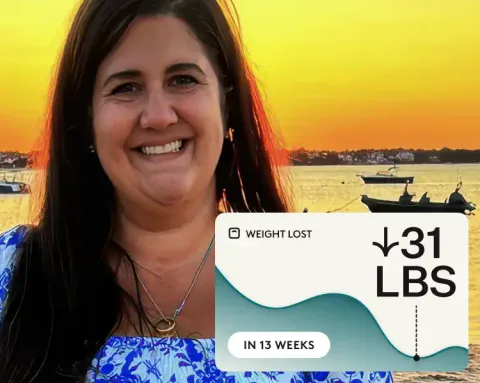
“All of the Noom providers that I’ve met with have been exceptional and prescribed medications that are appropriate for my situation and health.”
Sarah R. – Real Noom user

“Noom made the process so simple and now I feel full, free from diet obsession, and at ease in my body again.”
Madison S. – Real Noom user
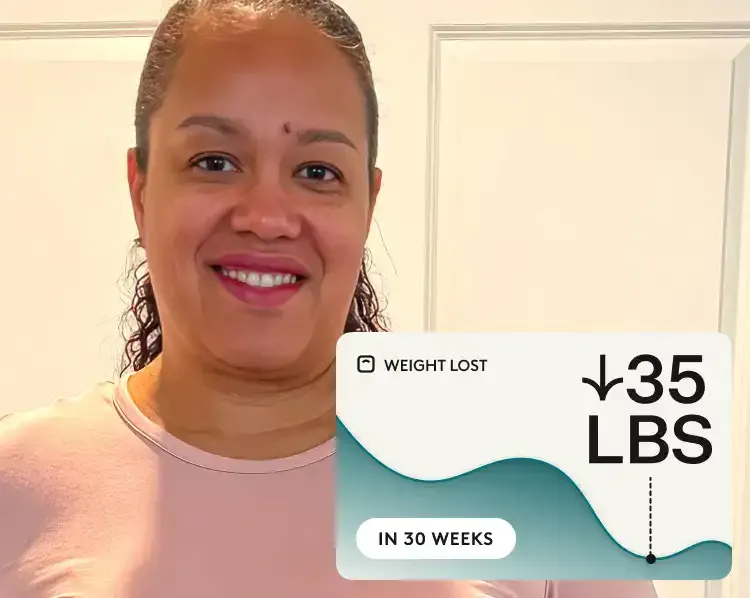
“My doctor recommended Noom after I was frustrated trying to lose weight. The lessons helped change my relationship with food. My body feels lighter & energized.”
Sonday K. – Real Noom user
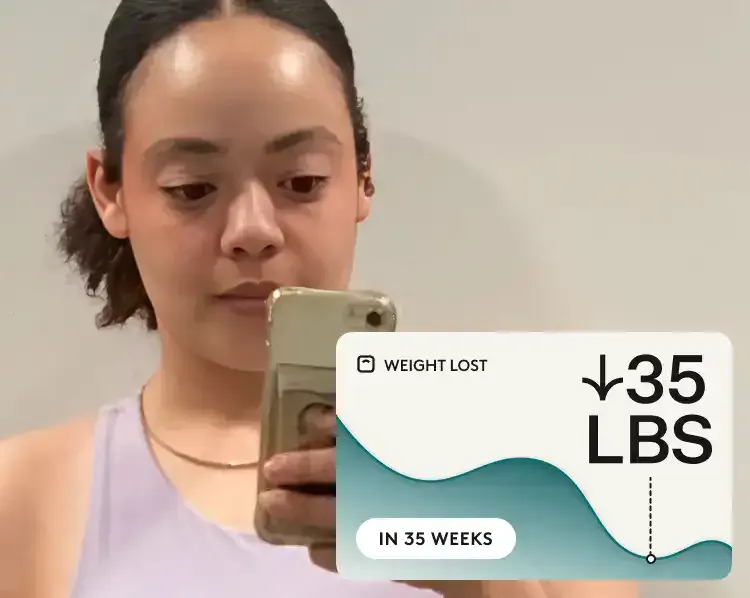
“I built healthy habits with coaching and lessons that make me confident I can maintain my weight loss long term.”
Cam K. – Real Noom user
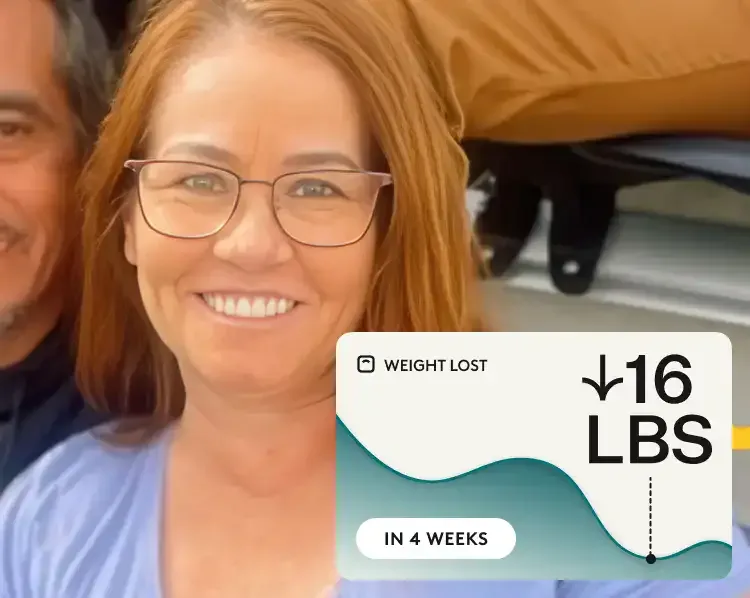
“With the right medication through Noom, hunger and sugar cravings finally quieted and I have the tools to break the cycle.”
Laura TR. – Real Noom user
“Cravings and food noise are gone, I finally feel confident in the healthy habits I’ve built to last with Noom.”
Jessica S. – Real Noom user
The bottom line: Orlistat can help you lose weight, but watch out for side effects
Orlistat can help people lose a moderate amount of weight, but diet is very important due to how the medication works. A balanced, lower-fat eating plan, regular movement, and support from your healthcare team will help you get the most out of taking orlistat. If you’re interested in exploring weight loss medication, see if you qualify for Noom Med. You’ll be connected to a clinician who can find the right weight loss medication for you and prescribe it if needed. The program pairs psychology-based coaching with medical guidance to help you achieve your weight loss goals while building healthy habits that last.
Noom’s Most Powerful Program
A dual-pathway GLP-1 and behavior change for lasting results.
Editorial standards
At Noom, we’re committed to providing health information that’s grounded in reliable science and expert review. Our content is created with the support of qualified professionals and based on well-established research from trusted medical and scientific organizations. Learn more about the experts behind our content on our Health Expert Team page.