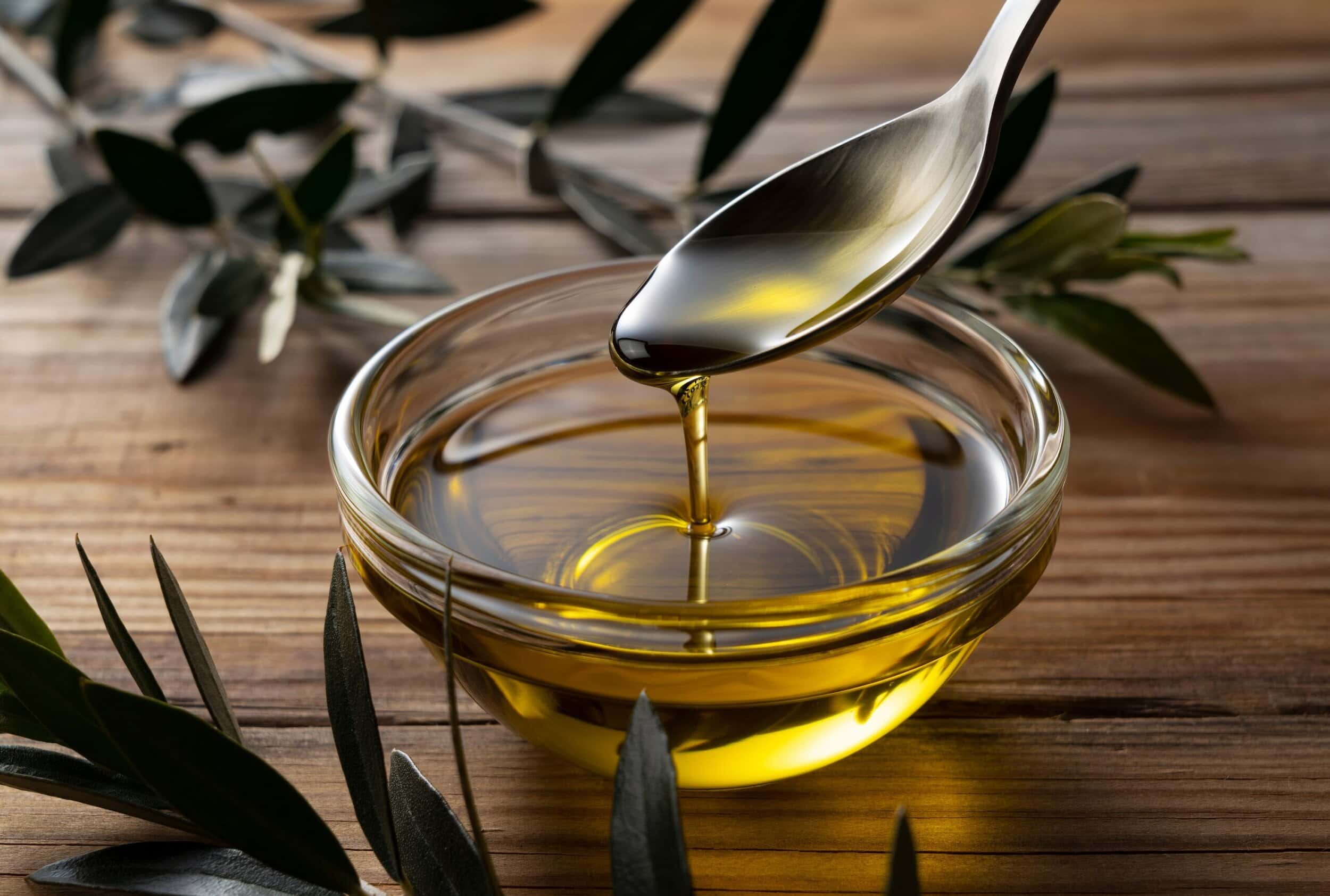
Olive oil has earned its reputation as a staple of healthy eating, especially in the Mediterranean diet. It’s often celebrated for its heart-healthy properties and rich, distinctive flavor that can enhance simple dishes and provide a base for salad dressings. But when it comes to weight loss, olive oil presents an interesting paradox: It’s pure fat, making it extremely calorie-dense, yet research suggests it might actually support your weight management goals when used correctly.
The key lies in understanding that olive oil is 100% fat with about 120 calories packed into just one tablespoon. While it doesn’t have lots of vitamins and minerals, it does contain beneficial compounds like antioxidants and anti-inflammatory polyphenols. It has a unique fatty acid profile and bioactive compounds that can benefit your health when used in small amounts. Let’s take a look at how you can add olive oil to your diet and still lose weight.
✅ Quick answer
- It depends – Olive oil can support weight loss when used in small, measured amounts as part of a balanced diet. Its healthy monounsaturated fats can increase satiety and help you feel satisfied with smaller portions of food overall.
✅ Why olive oil can support your goals
- It promotes lasting fullness – The monounsaturated fats in olive oil slow down digestion and help you feel satisfied longer after meals. This can naturally reduce your overall calorie intake throughout the day.
- It contains anti-inflammatory compounds – Extra virgin olive oil contains polyphenols like oleocanthal, which have anti-inflammatory effects. Chronic inflammation is linked to weight gain and metabolic dysfunction, so reducing inflammation may support a healthier weight.
- Supports stable blood sugar – Unlike refined carbohydrates, olive oil doesn’t spike blood sugar levels. The healthy fats can actually help improve insulin sensitivity, which may reduce cravings and prevent energy crashes that lead to overeating.
⚠️ Things to be mindful of:
- Extremely high in calories – One tablespoon contains 120 calories, and it’s easy to use multiple tablespoons without realizing it. Just three tablespoons can add 360 calories to your daily intake, which could easily sabotage weight loss efforts.
- Easy to overconsume – Because olive oil is liquid and often poured freely, portion sizes can quickly get out of hand. Many people use far more than they realize when cooking or dressing salads, turning a healthy choice into a calorie bomb.
- Quality matters significantly – Only extra virgin olive oil contains meaningful amounts of beneficial antioxidants and polyphenols. Refined olive oils have fewer of these compounds, making them little more than expensive calories without the health benefits.
🥗 Nutrients in olive oil (per 1 tablespoon)
| Nutrient | Amount | % RDA* |
|---|---|---|
| Calories | 120 calories | 6% |
| Protein | 0 g | 0% |
| Total carbs | 0 g | 0% |
| Fiber | 0 g | 0% |
| Sugars | 0 g | — |
| Total fat | 13.5 g | 17% |
| – Saturated fat | 1.9 g | 9% |
| – Monounsaturated fat | 9.9 g | — |
| – Polyunsaturated fat | 1.4 g | — |
| Omega-3 | 0.1 g | — |
| Omega-6 | 1.3 g | — |
As you can see from this nutritional breakdown, olive oil is pure fat—there are no proteins, carbohydrates, or fiber present. The standout feature is its high concentration of monounsaturated fats, primarily oleic acid, which makes up about 73% of its fat content. These are the “good fats” that give olive oil its heart-healthy reputation, but remember that even good fats are still very high in calories.
*Recommended dietary allowance (RDA) is defined as the average daily amount of nutrients needed to meet the requirements of nearly all healthy people in a specific group.
💊 Vitamins & minerals in olive oil (per 1 tablespoon)
| Vitamin/Mineral | Amount | % RDA* |
|---|---|---|
| Vitamin E | 1.9 mg | 13% |
| Vitamin K | 8.1 μg | 7% |
| Iron | 0.1 mg | <1% |
| Potassium | <1 mg | <1% |
| Calcium | <1 mg | <1% |
Olive oil provides modest amounts of fat-soluble vitamins, particularly Vitamin E, which acts as an antioxidant to protect cells from damage. It also contains some Vitamin K, important for blood clotting and bone health. However, the mineral content is minimal since most micronutrients remain in the olive pulp during the pressing process. While olive oil does contain beneficial compounds, it’s more accurate to view it as a source of healthy fats rather than a significant source of vitamins and minerals.
Noom’s Most Powerful Program
A dual-pathway GLP-1 and behavior change for lasting results.
🔍 Nutrient breakdown
Glycemic index (GI) of olive oil
Glycemic index: 0 (Low) 💡Tip: Since olive oil contains no carbohydrates, it doesn’t raise blood sugar levels and can actually help slow the absorption of sugars from other foods when consumed together.
Is olive oil high in protein?
❌No: Olive oil contains 0 g of protein per tablespoon. As a pure fat, it provides energy but no muscle-building nutrients.
Better protein alternatives: Greek yogurt | Chicken breast | Lentils
Is olive oil high in fiber?
❌No: Olive oil has 0 g of fiber per tablespoon. Since it’s an extracted oil, all the fiber remains in the olive pulp.
💡Tip: Pair olive oil with high-fiber foods like vegetables and whole grains to create more satisfying, weight-loss-friendly meals.
Is olive oil low in carbs?
✔️Yes: Olive oil has 0 g of carbs per tablespoon, making it completely compatible with low-carb and ketogenic diets.
💡Tip: Use olive oil to add healthy fats to low-carb vegetable dishes, which can help with nutrient absorption and satiety.
Is olive oil gluten-free?
✔️Yes: Olive oil is naturally gluten-free since it’s derived from olives, not grains containing gluten.
Is olive oil good for fat loss?
Maybe: While olive oil can promote satiety and reduce inflammation, its extremely high calorie content means portion control is absolutely critical for fat loss success.
Types of olive oil: What’s the difference?
All olive oils contain the same 120 calories per tablespoon, regardless of type or processing method. The difference lies in the beneficial compounds that might support your weight loss efforts indirectly through better metabolic health and satisfaction. Portion control remains critical with any type.
Noom’s Most Powerful Program
A dual-pathway GLP-1 and behavior change for lasting results.
Extra virgin olive oil (EVOO)
- What it is: Made from the first cold pressing of olives with no heat or chemicals used in extraction.
- Nutrition impact: Contains the highest levels of antioxidants, polyphenols, and vitamin E. These beneficial compounds are what provide the anti-inflammatory and heart-health benefits.
- For weight loss: Best choice because the antioxidants may help reduce inflammation linked to weight gain, and the stronger flavor means you might use less.
- Calories: 120 calories per tablespoon.
Virgin olive oil
- What it is: Also cold-pressed but with slightly lower quality olives or minor defects in taste.
- Nutrition impact: Contains fewer antioxidants and polyphenols than extra virgin, but still more than refined oils.
- For weight loss: Good second choice with similar benefits to EVOO but less potent.
- Calories: 120 calories per tablespoon.
Pure/regular olive oil (sometimes labeled “light”)
- What it is: A blend of refined olive oil with a small amount of virgin olive oil for flavor.
- Nutrition impact: Most beneficial compounds are removed during refining. Contains minimal antioxidants or polyphenols.
- For weight loss: Offers no significant advantages over other cooking oils since the beneficial compounds are largely gone.
- Calories: 120 calories per tablespoon.
Light olive oil
- What it is: Refers to light flavor and color, not fewer calories. It’s highly refined olive oil.
- Nutrition impact: Very few beneficial compounds remain after processing. Essentially just fat calories.
- For weight loss: Misleading name – contains the same calories as all other olive oils but without health benefits.
- Calories: 120 calories per tablespoon.
Cold-pressed vs. heat-processed
Cold-pressed varieties (extra virgin and virgin) retain more of the compounds that may support weight management through reduced inflammation and improved satiety.
- Cold-pressed: Olives are pressed at temperatures below 80°F, preserving heat-sensitive antioxidants and vitamins.
- Heat-processed: Uses heat and sometimes chemicals to extract more oil, but destroys many beneficial compounds.
🍽️ Diet compatibility: Which diets include olive oil?
| Diet | ✅Yes /❌No | Why |
|---|---|---|
| Keto | ✅ | Perfect for keto since it’s pure fat with zero carbs, helping meet high-fat macronutrient requirements. |
| Paleo | ✅ | Fits paleo principles as a minimally processed fat from a whole food source. |
| Mediterranean | ✅ | The cornerstone fat of the Mediterranean diet, used extensively for its health benefits and flavor. |
| Vegan | ✅ | Completely plant-based and widely used in vegan cooking for healthy fats. |
| Gluten-free | ✅ | Naturally free from gluten and safe for those with celiac disease or gluten sensitivity. |
Olive oil’s versatility makes it compatible with virtually every major healthy eating pattern. Its status as a whole food fat source, combined with its neutral impact on blood sugar and inflammatory markers, allows it to fit seamlessly into diverse dietary approaches. However, regardless of which diet you follow, portion control remains essential due to its high calorie density.
🌟 Is olive oil healthy? What are the health benefits
Metabolic health: Is olive oil good for your metabolism?
- Boosts metabolism? ❌No – Olive oil doesn’t directly increase metabolic rate, but its anti-inflammatory properties and ability to improve insulin sensitivity can support overall metabolic health.
- Improves insulin sensitivity? ✔️Yes – The oleic acid in olive oil has been shown to improve how effectively your body uses insulin, which can help with blood sugar control and fat storage.
- Effect on fat storage? Positive – Research suggests that replacing saturated fats with monounsaturated fats like those in olive oil may help reduce visceral (belly) fat accumulation.
Cholesterol impact: Does olive oil affect cholesterol levels?
- Does it lower LDL (bad) cholesterol? ✔️Yes – Multiple studies show that the monounsaturated fats in olive oil can effectively lower LDL cholesterol levels when used to replace saturated fats.
- Does it raise HDL (good) cholesterol? ✔️Yes – Some research indicates that the polyphenols in extra virgin olive oil may help improve HDL cholesterol function and levels.
- Overall impact on heart health? Consistently positive research shows olive oil consumption is associated with reduced cardiovascular disease risk, primarily through its effects on cholesterol and inflammation.
💡 Tip: Use olive oil to replace butter or other saturated fats in cooking to maximize heart health benefits while managing calories.
Can I eat olive oil for a calorie deficit?
✔️Yes, with caution: You can include olive oil in a calorie deficit, but measuring portions is absolutely essential due to its high calorie density.
💡 Tip: Use a measuring spoon rather than pouring freely, and consider using cooking spray or smaller amounts to control calories while still getting the flavor and satiety benefits.
Is olive oil rich in antioxidants?
✔️Yes: Extra virgin olive oil contains polyphenols like oleocanthal, oleuropein, and hydroxytyrosol, which provide antioxidant and anti-inflammatory benefits.
Does olive oil support gut health?
✔️Yes: The polyphenols in olive oil can act as prebiotics, promoting beneficial gut bacteria growth, which supports overall digestive health and may aid weight management.
Does olive oil support digestion?
Positive: Olive oil has mild laxative properties and helps with the absorption of fat-soluble vitamins from other foods in your meal.
Does olive oil help you feel satiated and less hungry?
High: The monounsaturated fats in olive oil are highly satiating and slow gastric emptying, leading to prolonged feelings of fullness.
Satiety Level: High
💡Tip: Add a measured tablespoon to salads or vegetables to significantly increase meal satisfaction and reduce between-meal snacking.
Does olive oil help with nighttime cravings?
✔️Possibly: Including healthy fats like olive oil in dinner can help stabilize blood sugar overnight, potentially reducing late-night cravings.
💡 Tip: Try drizzling a small amount over roasted vegetables or using it in a light vinaigrette for your evening salad.
Does olive oil help reduce inflammation?
✔️Yes: The oleocanthal in extra virgin olive oil has anti-inflammatory effects similar to a low dose of ibuprofen, which may help reduce chronic inflammation linked to weight gain.
Is olive oil beneficial for brain health?
✔️Yes: The antioxidants and healthy fats in olive oil support brain health by protecting against oxidative stress and inflammation.
Can olive oil improve skin and hair health?
✔️Yes: Rich in Vitamin E and antioxidants, olive oil can help protect skin from damage and support healthy hair when consumed as part of a balanced diet.
Can olive oil help balance hormones?
✔️Limited evidence: Healthy fats are necessary for hormone production, and olive oil provides essential fatty acids needed for hormone synthesis. 💡 Tip: Focus on overall dietary balance rather than relying on any single food for hormonal health.
🍽️ Best ways to eat olive oil for weight loss
- As a measured salad dressing: Combine 1 tablespoon of extra virgin olive oil with vinegar or lemon juice and herbs for a satisfying dressing that makes vegetables more palatable and filling.
- As a finishing oil: Drizzle a small measured amount over cooked dishes just before serving to preserve delicate antioxidants while adding flavor and satiety.
- For light sautéing: Use 1 to 2 teaspoons to lightly sauté vegetables, adding flavor and helping with nutrient absorption without excessive calories.
🍏 Best alternatives & comparisons (Per 1 tablespoon)
| Food | Calories | Carbs | Fiber | Protein | Fat |
|---|---|---|---|---|---|
| Olive oil | 120 | 0 g | 0 g | 0 g | 13.5 g |
| Avocado oil | 120 | 0 g | 0 g | 0 g | 13.5 g |
| Coconut oil | 121 | 0 g | 0 g | 0 g | 13.5 g |
| Butter | 102 | 0 g | 0 g | 0.1 g | 11.5 g |
| Avocado (1/4 medium) | 60 | 3 g | 2.5 g | 1 g | 5.5 g |
When comparing pure oils, most have similar calorie profiles since they’re concentrated fats. The main differences lie in their fatty acid composition and processing methods. For weight loss purposes, consider that 1/4 of an avocado provides healthy fats along with fiber and nutrients for half the calories of oil, making it a more nutritionally dense choice when calories matter.
Frequently asked questions about olive oil and weight loss
How much olive oil should I use per day for weight loss?
For weight loss, limit olive oil to 1 to 2 tablespoons (120-240 calories) per day maximum. This provides the health benefits while keeping calories in check. Always measure rather than pour freely.
Is olive oil better than butter for weight loss?
Butter has fewer calories than olive oil—about 100 versus 120—because it has some water. Olive oil provides more beneficial monounsaturated fats and antioxidants. Both should be used sparingly during weight loss due to their high-calorie content.
Access GLP-1 Weight Loss with Noom
Explore a wide range of prescription medications supported by Noom’s program.
Microdose GLP-1rx
Noom GLP-1rx
Noom GLP-1rx Plus
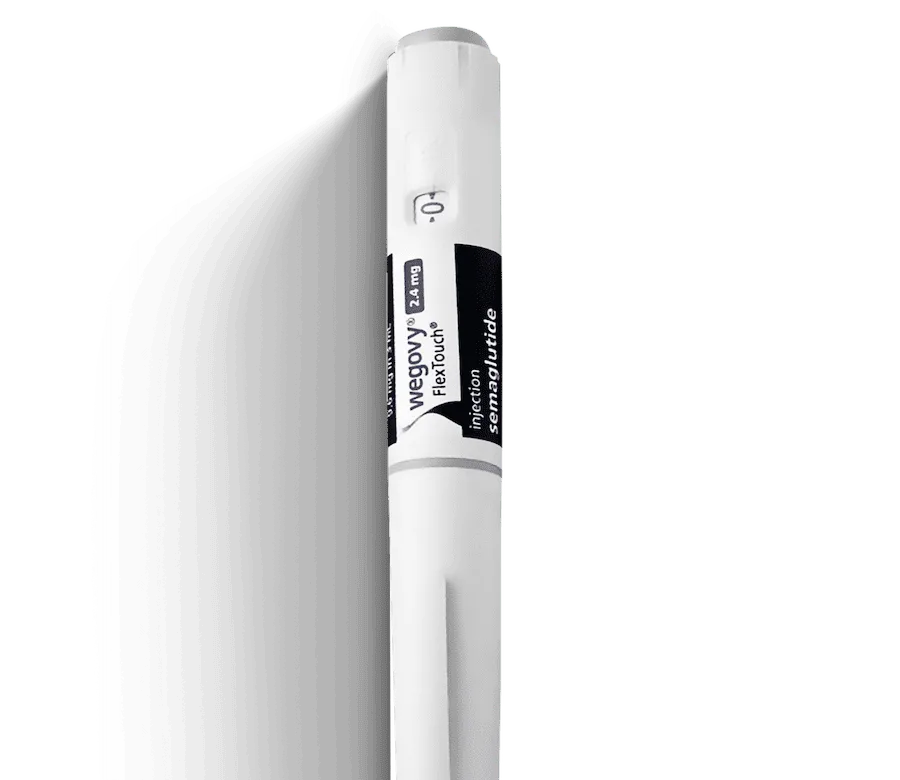
Wegovy®
Ozempic®
Metformin
Zepbound®
Mounjaro®
Liraglutide
Can I cook with olive oil and still lose weight?
Yes, but use minimal amounts and measure carefully. Light sautéing with 1 to 2 teaspoons is better for weight loss than deep frying or using large amounts for roasting.
Does the type of olive oil matter for weight loss?
Extra virgin olive oil is best because it contains the most antioxidants and anti-inflammatory compounds. All olive oils have the same calories, so portion control matters most for weight loss.
Should I avoid olive oil completely when trying to lose weight?
No, small amounts of olive oil can actually support weight loss by increasing meal satisfaction and providing health benefits. The key is moderation and careful measurement.
Can olive oil help reduce belly fat?
Some research suggests that replacing saturated fats with monounsaturated fats like those in olive oil may help reduce visceral fat, but this only works within a calorie-controlled diet.
Is it better to use olive oil raw or cooked for weight loss?
For weight loss, the calorie content is the same either way. But, using it raw as a finishing oil or in dressings may help preserve more antioxidants and make it easier to control portions.
The bottom line: Is olive oil good for weight loss?
Olive oil occupies a unique position in weight management. It’s healthy and heart-friendly, but it is high in calories. The key is understanding that while olive oil provides genuine health benefits through its monounsaturated fats and antioxidant compounds, it remains pure fat with 120 calories per tablespoon.
The evidence suggests that olive oil can support weight loss efforts by increasing meal satisfaction, reducing inflammation, and supporting stable blood sugar levels. These benefits only happen when portions are carefully controlled. A measured tablespoon used to dress a large salad or lightly sauté vegetables can make healthy foods more enjoyable and satisfying, potentially reducing overall calorie intake. But freely pouring olive oil without measuring can easily add hundreds of excess calories that undermine any weight loss efforts.
For sustainable weight loss, treat olive oil as a valuable but potent ingredient—a little goes a long way. Focus on using 1 to 2 measured tablespoons per day maximum, choose extra virgin varieties for maximum health benefits, and pair it with nutrient-dense, lower-calorie foods like vegetables and lean proteins. When used this way, olive oil can be part of a healthy, satisfying eating pattern that supports both weight management and long-term health.
Noom’s Most Powerful Program
A dual-pathway GLP-1 and behavior change for lasting results.
📖 Scientific evidence
- Mediterranean diet with olive oil might help people maintain weight loss (British Journal of Nutrition, 2020) – A study found that people who more closely followed a Mediterranean-style diet. Those who included regular use of olive oil were about twice as likely to keep lost weight off compared to those who didn’t.
- A compound in olive oil might help with weight management (Clinical Nutrition, 2023) – Oleocanthal, a compound in extra-virgin olive oil, has anti-inflammatory effects; small studies link high-oleocanthal EVOO to less visceral fat and better metabolic health, suggesting a role in weight management.
- Olive oil and long-term weight gain (American Journal of Clinical Nutrition, 2025) – In a study, people who increased their olive oil intake gained less weight over time; replacing fats like butter, margarine, or other vegetable oils with olive oil was associated with smaller weight increases.
- Olive oil is linked to a lower risk of diabetes and not associated with weight gain (Nutrition & Diabetes, 2017). A study found that people using about 1 tablespoon of olive oil per day had a 13% lower risk of type 2 diabetes.
Editorial standards
At Noom, we’re committed to providing health information that’s grounded in reliable science and expert review. Our content is created with the support of qualified professionals and based on well-established research from trusted medical and scientific organizations. Learn more about the experts behind our content on our Health Expert Team page.