

What you’ll learn:
- Retatrutide is a medication that is being tested for weight loss and is still in clinical trials.
- It works by targeting three pathways as opposed to one for semaglutide and two for tirzepatide, creating a powerful effect on appetite and blood sugar regulation.
- In early studies, people taking retatrutide lost as much as 24% of their body weight in less than a year.
- Retatrutide’s trials are expected to run until at least 2026, and it isn’t available yet outside of research studies.
If you’ve been following the rise of GLP-1 medications like semaglutide (Wegovy®) or tirzepatide (Zepbound®), you know they’ve reshaped the way many people approach weight loss. These treatments work by mimicking hormones to help regulate appetite, slow digestion, and balance blood sugar. But there are several medications being tested that developers think could be even more powerful.
Retatrutide is a medication still in clinical trials that might surpass these popular medications in weight-loss effectiveness. Eli Lilly, the company behind Mounjaro® and Zepbound®, is leading the development of this new injectable medication. They are also developing what’s projected to be a more powerful oral GLP-1 pill, orforglipron.
Retatrutide is being studied as the first weight-loss drug to target three different pathways at once: GLP-1, GIP, and glucagon. This new approach could mean bigger changes for weight management than what we’ve seen so far. And while it’s not yet available, many experts are already calling it one to watch.
Let’s take a closer look at retatrutide, what early studies have shown so far, and when it could be available.
What is retatrutide?
Retatrutide is an injectable medication currently being studied for both weight management and type 2 diabetes. Its name was assigned by Eli Lilly—“reta” doesn’t have a published etymology, but the “–tide” ending is common for peptide medicines like semaglutide or tirzepatide. Before being named this, it was only known by its research code, LY3437943.

The Easy Way
to lose weight and get healthy.
What makes retatrutide different from other GLP-1s is that it’s a “triple agonist,” sometimes nicknamed “triple G,” because it targets three hormone pathways at the same time:
- GLP-1 (glucagon-like peptide-1): Found naturally in your gut, this hormone helps lower blood sugar by triggering insulin release and slowing down how fast food moves through the stomach, so you feel fuller for longer. It also acts on appetite centers in the brain, which helps reduce food cravings. Well-known drugs like semaglutide (Ozempic® and Wegovy®) act on this pathway.
- GIP (glucose-dependent insulinotropic polypeptide): Like GLP-1, this hormone is primarily released after meals and helps your pancreas release insulin in a glucose-dependent way (meaning it only kicks in when your blood sugar is up). It also plays a role in digestion and may help reduce appetite. Medications such as tirzepatide (Mounjaro® and Zepbound®) act on both GLP-1 and GIP, which is why they’re called dual agonists.
- Glucagon receptor: Glucagon helps unlock stored sugar when your blood sugar dips, but it also plays a role in fat metabolism. By prompting fat breakdown, it may contribute to calorie burn as well.
Taken together, these three actions create what a study calls a synergistic effect—curbing appetite, steadying blood sugar, and encouraging the body to burn more energy.
How is retatrutide taken?
Like GLP-1 medications, Wegovy® and Zepbound®, retatrutide is taken as a once-a-week injection. Clinical trials followed a step-up dosing schedule, starting low and moving up gradually. People were tested on these weekly doses:
- 1 milligram (mg)
- 4 mg (starting at either 2 mg or 4 mg)
- 8 mg (starting at either 2 mg or 4 mg)
- 12 mg (starting at 2 mg)
The highest dose tested was 12 mg per week, and the gradual increase was important for making side effects easier to handle.
How much weight can you lose with retatrutide?
Early research suggests retatrutide may be one of the most powerful weight-loss medications studied so far. In a 48-week clinical trial, people taking the highest dose (12 mg weekly) lost an average of 24% of their body weight. For someone starting at 240 pounds, that’s about 58 pounds.
Even at lower doses, the results were impressive—people taking 8 mg lost around 17% of their body weight in 24 weeks. People with type 2 diabetes also saw meaningful weight loss in early studies, along with better blood sugar control.
These findings suggest retatrutide could set a new bar in weight-loss treatment, potentially even more effective than today’s top GLP-1 options.
What does retatrutide cost?
Since retatrutide is still in trials, there’s no official price tag (or even brand name) yet. Looking at comparable GLP-1 medications can give us a ballpark idea:
- Wegovy® (semaglutide) pens have a list price of about $1,350 per month without insurance. You can get all dose sizes through NovoCare® Pharmacy for $499 per month with a prescription. Learn more about the cost of Wegovy.
- The Zepbound® (tirzepatide) pens have a list price of around $1,000 without insurance. You can get them in vial and syringe form through LillyDirect. The price of the vial starts at $349 per month for the 2.5-mg dose, and $499 for all other doses (5 mg, 7.5 mg, 10 mg, 12.5 mg, and 15 mg). Learn more about the cost of Zepbound.
Retatrutide: Side effects and safety considerations
As promising as retatrutide looks for weight management, it’s important to know about possible side effects. Trials suggest its side effect profile looks a lot like what’s been seen with other GLP-1 drugs like Wegovy® and Zepbound®. These issues are typically related to the digestive system and tend to show up when the dose is increased.
The most common side effects that showed up in trials include:
- Nausea, vomiting, or diarrhea
- Constipation
- Fatigue or tiredness
Most of these effects were mild to moderate and tended to improve as the body adjusted. Starting at a lower initial dose (for example, 2 mg instead of 4 mg) also helped partially reduce these GI symptoms, and—as with other GLP-1 medications—the dose was gradually increased over time to improve tolerability. Still, some people found the side effects difficult enough to stop treatment—6% to 16% of participants discontinued retatrutide.
Serious side effects were uncommon (0% to 6% in trials), but as with other GLP-1–based drugs, rare risks such as pancreatitis, gallbladder problems, or thyroid tumors (in animal studies) remain a concern. These aren’t unique to retatrutide, but they underline why close medical supervision is essential.
Retatrutide: Clinical trials and FDA status
Before a new drug makes it to pharmacy shelves, it has to pass through a series of clinical trial phases. Retatrutide has now reached phase 3 trials, which is one of the biggest steps before a new drug can be submitted to the Food and Drug Administration (FDA). To put that into context, here’s how the trial phases usually work:
- Phase 1: Tests a brand-new drug in a very small group (20 to 80 people) to make sure it’s safe and to figure out an appropriate dose.
- Phase 2: Expands to a few hundred people to see if the drug actually works for its intended purpose, while still tracking side effects.
- Phase 3: Involves hundreds or even thousands of people, comparing the new drug to existing treatments and gathering the large-scale safety and effectiveness data the FDA needs.
- Phase 4: Happens after FDA approval, when the drug is already on the market, to monitor long-term use in the general population.
If the results continue to look strong, Eli Lilly could seek FDA approval as early as 2026. For now, though, it’s still experimental and only available to people taking part in clinical studies.
Retatrutide vs. other weight-loss drugs
Retatrutide is still in clinical trials, but the results so far have been very promising. Studies have shown that people taking the highest dose lost nearly a quarter of their body weight over about a year. That’s more than what’s typically seen with today’s leading GLP-1s.
To put things in perspective, here’s how retatrutide’s trial data compares to Zepbound® and Wegovy®:
| Medication | Study length | Average weight loss |
|---|---|---|
| Retatrutide – 12 mg | 48 weeks | 24% |
| Tirzepatide – 15 mg (Zepbound®) | 72 weeks | 21% |
| Semaglutide – 2.4 mg (Wegovy®) | 104 weeks | 15% |
Is it true that there are counterfeit versions of retatrutide?
Unfortunately, yes. Even though retatrutide isn’t FDA-approved yet and is still only available in clinical studies, counterfeit versions are already being advertised and sold online.
Fitness forums and social media platforms have promoted powders and injectables, sometimes marketed as “reta” or “ret,” often with instructions on how to self-mix or inject. These aren’t regulated medications, and there’s no guarantee of what’s actually in them, making them dangerous to use.
The FDA has issued warnings about this exact issue, cautioning people not to purchase unapproved drugs labeled “for research only” or “not for human consumption.” Since retatrutide hasn’t been approved yet, anything sold directly to consumers at this time could put your health at risk.
Until retatrutide is officially FDA-approved and available at pharmacies, the safest choice is to avoid anything that claims to be it. If you’re interested in medication options, make sure you’re getting them through trusted healthcare providers and legitimate pharmacies.
Frequently asked questions about retatrutide
Here are some simple answers to common questions you may have about retatrutide.
When will retatrutide be available?
Retatrutide is still in phase 3 trials, so it’s not on the market yet. If everything goes well, approval could happen as soon as 2026. Until then, the only way to access it is by joining a clinical trial, which has specific eligibility requirements.
Is retatrutide more effective than Zepbound® or Wegovy®?
Early studies suggest retatrutide may lead to more weight loss than current options, with people losing around 24% of their body weight compared to about 21% with Zepbound® and 15% with Wegovy®. More direct head-to-head studies will be needed to confirm how it really stacks up against other weight-loss medications.
How does targeting the glucagon receptor make retatrutide different?
Current GLP-1 drugs work on one or two pathways, but retatrutide adds a third by targeting the glucagon receptor. Normally, glucagon tells the liver to release sugar into the blood. When retatrutide acts on this pathway, it seems to help the body burn more energy instead.
Combined with the appetite and blood sugar effects of GLP-1 and GIP, the three together may create a stronger, synergistic effect that explains the impressive results seen in early trials. Researchers are still studying exactly how this effect works.
Noom’s Most Powerful Program
A dual-pathway GLP-1 and behavior change for lasting results.
What long-term safety data do we have for retatrutide?
Long-term data on retatrutide is still pretty limited. So far, the longest completed study has followed people for about 48 weeks. The good news is that the phase 3 trials are set to run much longer—up to about two years—so we’ll have a clearer picture of safety and results once those wrap up.
Could retatrutide be used for conditions beyond weight loss and diabetes?
Right now, there’s no definite answer on whether retatrutide could be used for conditions other than weight management and diabetes. Some early research is looking into its potential for fatty liver disease, sleep apnea, and even heart and kidney health. But it’s too soon to say how effective it might be, and any new uses would require separate FDA approval once the studies are complete.
Reviews from real Noom users
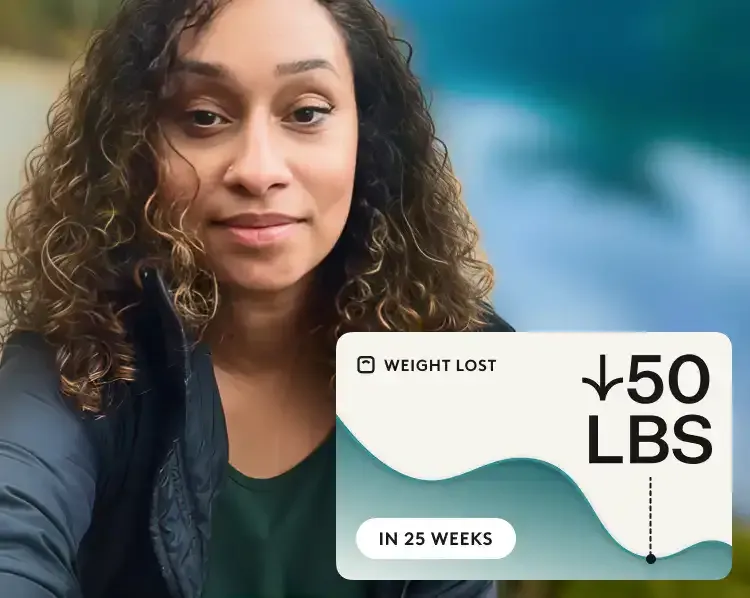
“My favorite parts of Noom are the care team and other Noomers. Sharing and getting help made me feel like I wasn’t doing it alone. That support made all the difference.”
Desirea N. — Real Noom user
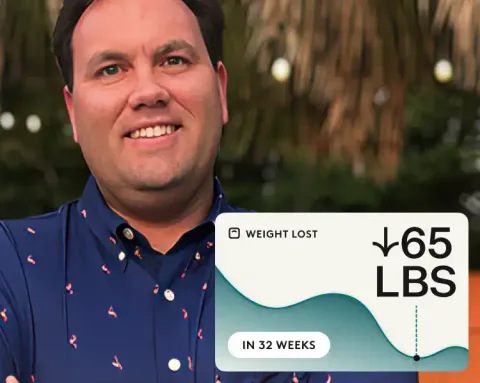
“Noom has taught me that every day is a new chance to make better, healthier choices. It’s taught me how to stop overeating.”
Matthew M. — Real Noom user
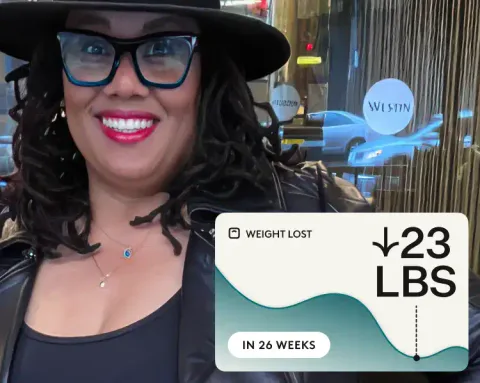
“Clinicians who understand how supportive medication can be is one of the best parts of Noom! I was convinced I wouldn’t have success but I’m down 11 pounds in two months.”
Lila M. — Real Noom user
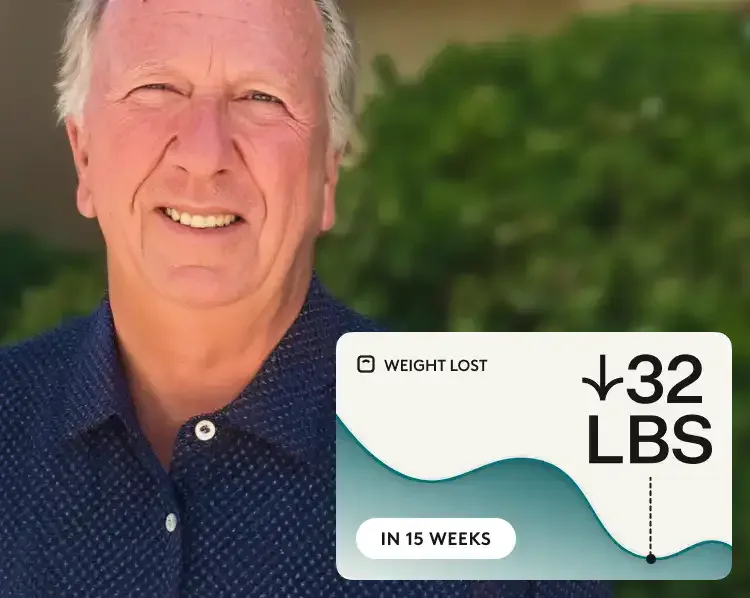
“Noom provided me with the medication which I could not get through Medicare. I have learned the tricks to better eating and life in general.”
Steve M. – Real Noom user
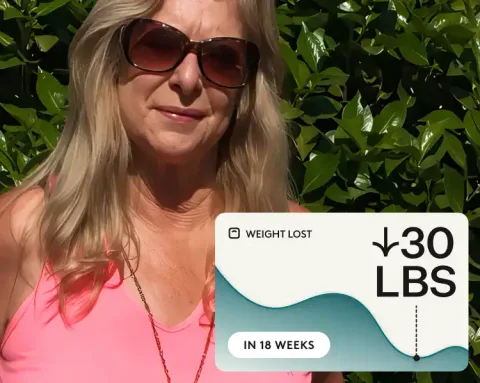
“Noom has changed my life and I’m so thankful, I feel great, have more energy and am no longer prediabetic.”
Daisy R. – Real Noom user
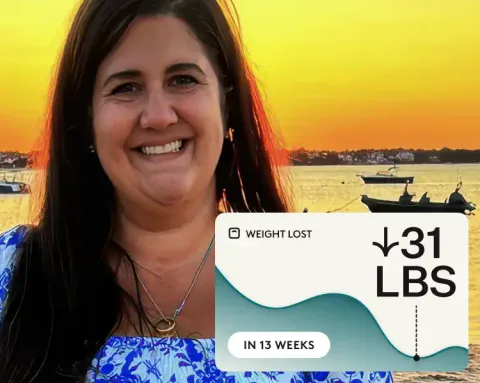
“All of the Noom providers that I’ve met with have been exceptional and prescribed medications that are appropriate for my situation and health.”
Sarah R. – Real Noom user
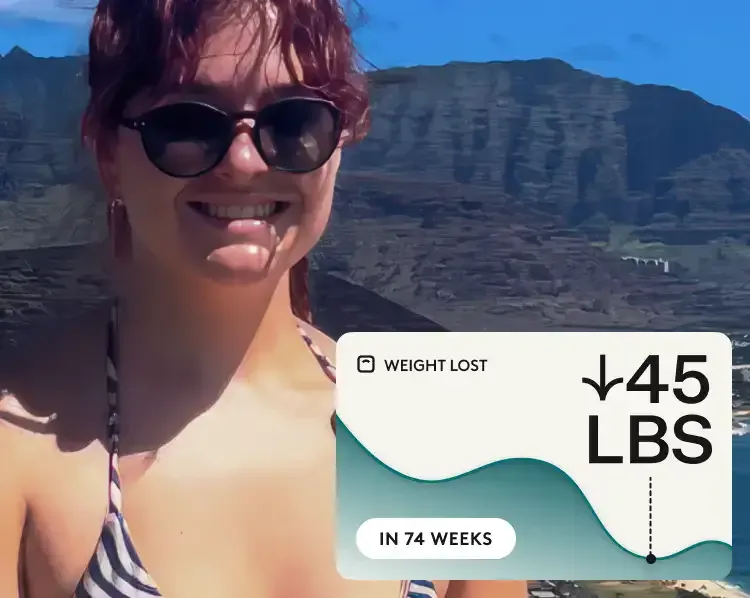
“Noom made the process so simple and now I feel full, free from diet obsession, and at ease in my body again.”
Madison S. – Real Noom user
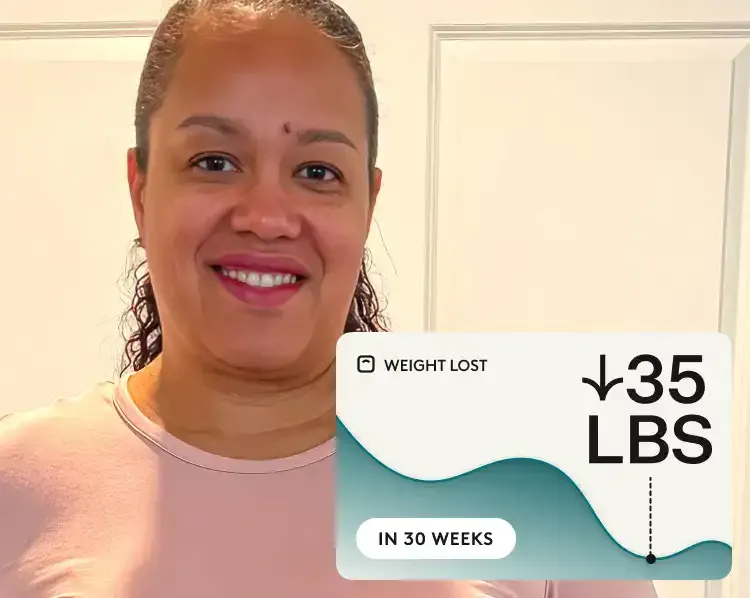
“My doctor recommended Noom after I was frustrated trying to lose weight. The lessons helped change my relationship with food. My body feels lighter & energized.”
Sonday K. – Real Noom user
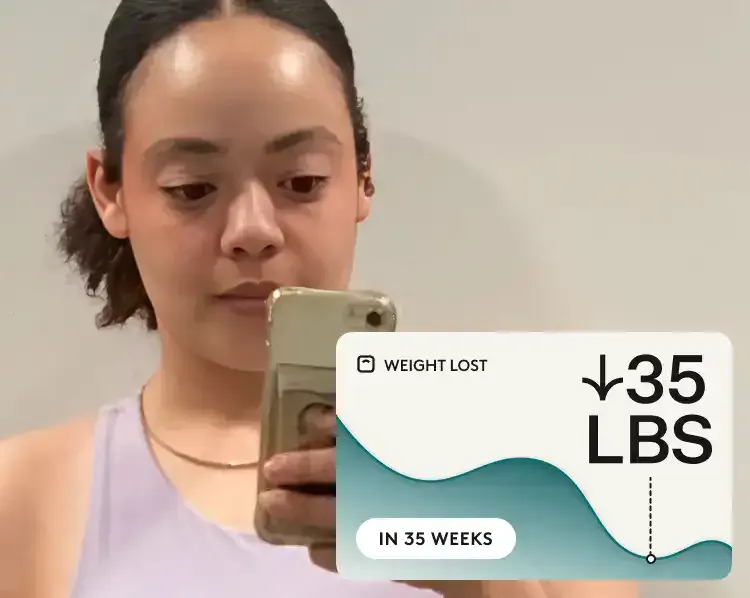
“I built healthy habits with coaching and lessons that make me confident I can maintain my weight loss long term.”
Cam K. – Real Noom user
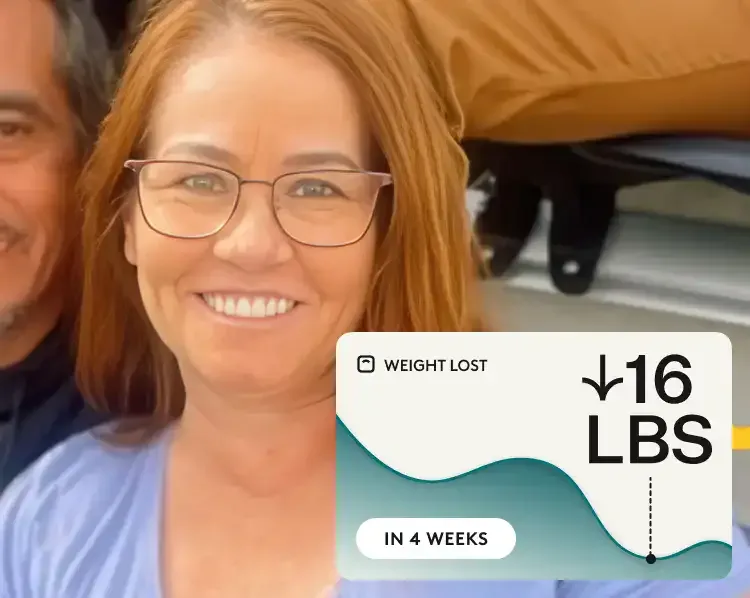
“With the right medication through Noom, hunger and sugar cravings finally quieted and I have the tools to break the cycle.”
Laura TR. – Real Noom user
“Cravings and food noise are gone, I finally feel confident in the healthy habits I’ve built to last with Noom.”
Jessica S. – Real Noom user
The bottom line: Retatrutide might be a powerful weight-loss choice in a few years
Retatrutide is shaping up to be one of the most exciting developments in weight management, with early trials showing average weight loss of around 24% over 48 weeks. That’s more than what we’ve seen with today’s leading medications.
Now, researchers are focused on completing larger trials for retatrutide to confirm its safety and effectiveness. If everything lines up with the early data, it has the potential to set a new standard for weight-loss treatment.
In the meantime, there are safe, effective treatments already on the market—and they work best when combined with changes that support your everyday habits. If you’re curious about GLP-1s or other weight-loss drugs, see if you qualify for Noom Med. If you qualify, you’ll be connected with a qualified clinician who can find the right medication for you and prescribe it if needed. You also get one-on-one behavioral coaching and access to all of Noom’s easy-to-use habit-building tools to achieve weight-loss results that last.
Note: Ozempic® and Mounjaro® are not FDA-approved to treat obesity or for weight loss.
Editorial standards
At Noom, we’re committed to providing health information that’s grounded in reliable science and expert review. Our content is created with the support of qualified professionals and based on well-established research from trusted medical and scientific organizations. Learn more about the experts behind our content on our Health Expert Team page.