

What you’ll learn:
- Diethylpropion is a prescription weight-loss medication in the stimulant family, FDA-approved for short-term use—typically up to 12 weeks.
- Studies show that people taking diethylpropion can lose an average of about 10% of their starting weight during that time.
- It works best when paired with balanced, lower-calorie meals, regular movement, and sustainable habit changes that support long-term success.
With the rise of GLP-1 medications like Wegovy® and Zepbound®, prescription weight-loss treatments are becoming part of more people’s wellness plans. And while these newer injectables tend to dominate the headlines, older, proven medications still have their place in helping people reach—and maintain—their goals. Diethylpropion
Diethylpropion is one of those long-standing options. Also known as amfepramone, it’s a mild stimulant that helps quiet hunger signals and makes it easier to stick with a lower-calorie plan.
Diethylpropion has been FDA-approved since 1959 for short-term weight loss use. It’s available in generic form only, which tends to make it far more affordable than some other weight loss medications.
Let’s explore how diethylpropion works, what kind of weight loss results you might expect, and how to get the best outcome. Plus, see how it compares with other prescription options available today.
What is diethylpropion and and how does it work?
Diethylpropion is a prescription pill taken one to three times a day that helps curb appetite. It’s part of a group of medications called sympathomimetic amines—a class of stimulants that mimic the body’s natural “fight-or-flight” response, helping boost energy and reduce appetite. This group also includes phentermine, another short-term weight-loss medication.

The Easy Way
to lose weight and get healthy.
It works by acting on the brain’s hunger signals. Specifically, it increases levels of norepinephrine, a neurotransmitter that helps your body stay alert and energized instead of focused on eating. It helps to quiet cravings and keep you feeling in control around food.
Diethylpropion may also influence leptin, a hormone that helps regulate long-term appetite and energy use. Leptin sends the “I’m full” signal to your brain, so supporting its activity can help your body better recognize when you’ve had enough.
Because of its stimulant effects, diethylpropion is FDA-approved for short-term use—usually about 12 weeks—alongside healthy eating and regular movement. Research on its long-term safety is limited, so it’s meant as a temporary tool to help jump-start weight loss, not a permanent solution.
How much weight can I lose taking diethylpropion?
When combined with a balanced eating plan and regular movement, diethylpropion can help support meaningful early weight-loss progress. In one study, people who took the medication for 12 weeks lost about 10% of their starting body weight—while maintaining muscle mass and reducing body fat.
To put that into perspective, someone starting at 200 pounds could expect to lose around 20 pounds in three months when pairing the medication with structured, healthy habits.
How quickly will I lose weight with diethylpropion?
Research suggests that diethylpropion can lead to noticeable weight loss in as little as 20 days. From there, progress tends to build steadily over the following weeks—especially when it’s paired with consistent healthy habits like balanced eating, regular movement, and mindful portion control.
How to take diethylpropion for weight loss
Diethylpropion comes in two generic forms: a 25 mg immediate-release tablet and a 75 mg extended-release tablet. Both work the same way to reduce appetite, but the difference comes down to your schedule and how your body responds.
- The 25 mg tablets are usually taken three times a day, about an hour before meals. This setup offers a little more flexibility—your provider may adjust the timing to help with afternoon or evening hunger.
- The 75 mg extended-release tablet, on the other hand, is taken once a day in the midmorning and releases gradually throughout the day.
Taking your dose at the same time every day helps keep your hunger cues steady and your progress on track.
💡 Good to know: Both forms are available only as generics—brand names like Tenuate® and Tenuate Dospan® were discontinued years ago.
How to get a prescription for diethylpropion
Diethylpropion is approved for adults with BMIs of 30 or higher, or 27 and above if you also have a weight-related health condition like high blood pressure or high cholesterol.
Access GLP-1 Weight Loss with Noom
Explore a wide range of prescription medications supported by Noom’s program.
Microdose GLP-1rx
Noom GLP-1rx
Noom GLP-1rx Plus
Wegovy®
Ozempic®
Metformin
Zepbound®
Mounjaro®
Liraglutide
Because it’s a mild stimulant, your provider will check your heart health, blood pressure, and medical history before prescribing it to make sure it’s a safe fit for you.
Since diethylpropion is a controlled medication, most states require an initial live or video visit before it can be prescribed—but after that, follow-ups can often be done virtually.
What does diethylpropion cost?
The price of diethylpropion can vary depending on your pharmacy, dosage, and insurance coverage. On average, here’s what you can expect to pay for a one-month supply:
- Diethylpropion IR tablets (25 mg): $50–$112
- Diethylpropion ER tablets (75 mg): $50–$160
Because diethylpropion is available only as a generic, there aren’t any brand-name savings cards or manufacturer coupons—but that also means it’s far more affordable upfront.
For comparison, newer prescription weight-loss medications like semaglutide (Wegovy®) and tirzepatide (Zepbound®) can cost anywhere from $800 to over $1,200 per month without insurance. Diethylpropion typically runs less than 10% of that price—making it one of the most affordable short-term prescription options available.
💡 Noom tip: Prices can vary a lot, so check a few options before filling your prescription. Tools like GoodRx or your pharmacy’s discount program can help you find the best deal in your area.
Is diethylpropion covered by insurance?
Coverage for diethylpropion can be limited because most insurance companies don’t cover weight loss medications. Check with your insurance company to get the latest before filling your prescription.
Diethylpropion: Dosage adjustments & personalization
Your healthcare provider will personalize your diethylpropion plan based on your progress, side effects, and overall health. Because the medication comes in two forms—a 25 mg immediate-release tablet and a 75 mg extended-release tablet—your provider may adjust which version you take, depending on how your body responds.
Some people start with the lower, immediate-release tablets to see how they tolerate the medication, then switch to the once-daily extended-release option for convenience. Others may stay on the smaller, more frequent doses if that helps them manage hunger more evenly throughout the day. The goal is to find what works best for your body and your routine.
There are a few common reasons your provider might tweak or pause your dose:
- Lack of progress: Diethylpropion is meant for short-term use and should be continued only if it’s working. If you haven’t lost enough weight in the first four weeks, your provider may decide to stop or switch your treatment plan.
- Side effects: If you start to notice trouble sleeping, restlessness, dry mouth, or changes in blood pressure that interfere with your day-to-day life, let your provider know right away. They can adjust your plan or switch to a different medication if needed.
- Drug tolerance: Over time, your body might get used to the medication, and it may not feel as effective. If that happens, the FDA recommends stopping the medication rather than increasing the dose—a change your provider can guide you through safely.
Tips for the best weight loss results
For the best results with diethylpropion, it helps to combine the medication with consistent, healthy habits. A study recommends following a low-calorie plan of about 1,000 to 1,500 calories per day and pairing it with daily exercise. This means building balanced meals within that range, along with walking, cycling, or other light exercise, can make the medication’s effects more consistent and sustainable over time.
Diethylpropion: Side effects and safety
As your body adjusts, you may experience side effects; many are mild or transient, but some are signals that need urgent attention. Below is a guide to help you understand what’s expected, what’s serious, and when to act.
Common side effects
Common side effects tend to appear early in treatment and may lessen over time. These can include dry mouth, restlessness, dizziness, headaches, nausea, diarrhea, vomiting, anxiety, or trouble sleeping. These symptoms are usually manageable with small adjustments. Still, it’s important to let your provider know if any side effects become difficult to manage.
Rare but serious side effects
Most people using diethylpropion experience only mild side effects, but some symptoms may signal something more serious. Here’s what to look out for—and what to do if they happen:
- Chest pain, shortness of breath, or swelling in your legs or ankles: These can be signs of pulmonary hypertension, a rare but serious condition affecting the heart and lungs. Seek emergency care immediately if you notice these symptoms.
- Fast heartbeat or high blood pressure that doesn’t go away: Call your doctor right away if your pulse feels consistently rapid or your blood pressure remains elevated after resting.
- Severe dizziness, fainting, or unusual fatigue: These could point to circulation or heart issues. Contact your provider promptly if these symptoms occur.
- Extreme restlessness or anxiety, or feeling unusually on edge: If these symptoms become hard to manage or interfere with your day, talk to your healthcare provider about adjusting your dose or taking a break from the medication.
- Rash, swelling, or difficulty breathing: These are signs of a severe allergic reaction. Call 911 or go to the nearest emergency room immediately.
- Feeling you need more of the medication: This may mean your body is developing tolerance. Don’t take extra doses—contact your provider for guidance. Taking more than prescribed or using diethylpropion for too long can increase the risk of dependence or withdrawal symptoms.
Who shouldn’t take diethylpropion
Diethylpropion isn’t suitable for everyone. Before starting this medication, make sure to tell your doctor about your full health history and any other medicines or supplements you take. You shouldn’t take diethylpropion if you have or have had any of the following:
Noom’s Most Powerful Program
A dual-pathway GLP-1 and behavior change for lasting results.
- Heart or circulation problems: People with heart disease, hardened arteries, uncontrolled high blood pressure, or a history of chest pain or irregular heartbeat shouldn’t take diethylpropion.
- Overactive thyroid: Those with hyperthyroidism should avoid this medication, as it can make symptoms worse.
- Glaucoma: Diethylpropion can raise pressure inside the eyes and should not be used if you have this condition.
- History of substance misuse: Because diethylpropion can cause dependence if misused, it’s not recommended for anyone with a history of drug or alcohol misuse.
- Recent MAOI use: Don’t take diethylpropion if you’ve used a monoamine oxidase inhibitor (MAOI) antidepressant in the last 14 days. Combining the two can cause dangerous spikes in blood pressure.
- Allergies to stimulant-type medications: Avoid this medication if you’ve ever had an allergic reaction to diethylpropion or other drugs in the same class (sympathomimetic amines).
- Use of other weight loss medications: Diethylpropion shouldn’t be used with other appetite suppressants or weight loss drugs.
- Pregnancy or breastfeeding: Diethylpropion shouldn’t be taken during pregnancy or while nursing.
Also, your doctor may also be cautious if you’re older, have kidney or liver problems, or are taking medications for diabetes or high blood pressure. Always check with your provider before starting or stopping any prescription.
Overdose risks and symptoms
Overdose symptoms may include tremors, restlessness, confusion, panic, nausea, or irregular heartbeat. Severe cases can lead to seizures, hallucinations, or loss of consciousness.
If an overdose occurs, call Poison Control at 1-800-222-1222 right away. If the person is unresponsive, having a seizure, or struggling to breathe, call 911 immediately.
Frequently asked questions about diethylpropion
If you’re considering or currently taking diethylpropion, it’s normal to have questions about how it works, what to expect, and how to use it safely. Here’s what you should know.
Which is better for weight loss, diethylpropion or phentermine?
Some studies have found that phentermine generally leads to slightly greater short-term weight loss than diethylpropion. Over 12 weeks, people taking phentermine see an 13% average weight, compared with roughly 10% with diethylpropion.
Results can vary depending on factors like lifestyle habits and overall health.
How long does diethylpropion stay in your system?
Diethylpropion starts working fairly quickly after you take it, but how long you feel its effects depends on the type you use.
The medication itself leaves your body in about 48 hours, regardless of whether you’re taking the immediate-release (25 mg) or extended-release (75 mg) version. The difference lies in how long it helps suppress appetite:
- The immediate-release tablets act quickly and wear off within a few hours.
- The extended-release tablets are designed to release the medication gradually, so the appetite-suppressing effects last longer—typically through most of the day.
Because diethylpropion can slightly increase alertness, most people are advised to take it earlier in the day to avoid trouble sleeping.
Does diethylpropion give you energy?
Not exactly. Diethylpropion is a mild stimulant, so it can make some people feel a bit more alert or focused—but that’s a side effect, not its main goal. The medication works by acting on brain chemicals like norepinephrine and dopamine, which help regulate appetite and alertness.
Can you have caffeine while on diethylpropion?
It’s best to limit caffeine. Both caffeine and diethylpropion can increase your heart rate and make you feel jittery or restless. If you enjoy coffee or tea, keep your intake moderate and pay attention to how your body feels.
Can you drink alcohol while taking diethylpropion?
No, it’s best to avoid alcohol entirely. Mixing alcohol with diethylpropion can increase side effects like dizziness, mood changes, or impaired judgment. It may also raise your risk for serious reactions, especially if you drink regularly.
What happens if I miss a dose of diethylpropion?
If you miss a dose of diethylpropion, just skip it and take your next one at the usual time. Don’t double up or take extra tablets—doing so can increase the risk of side effects like nervousness or a racing heartbeat.
How long can you safely take diethylpropion?
Diethylpropion is approved for short-term use, typically 12 weeks, and long-term safety data are limited. Your provider will typically reassess your progress after 4 weeks to decide whether it’s safe to continue or if another approach would be a better fit.
Can you stop taking diethylpropion at any time?
You shouldn’t stop suddenly without talking to your doctor. Because diethylpropion affects your nervous system, stopping too quickly may cause fatigue, mood changes, or withdrawal symptoms.
What kind of diet and exercise plan works best with diethylpropion?
Research suggests that diethylpropion works best when paired with a structured, reduced-calorie eating plan that includes adequate protein—about 0.8 to 1 gram per kilogram of body weight. Combining that plan with regular movement—like walking, strength training, or low-impact cardio—can help support steady, sustainable progress.
Reviews from real Noom users
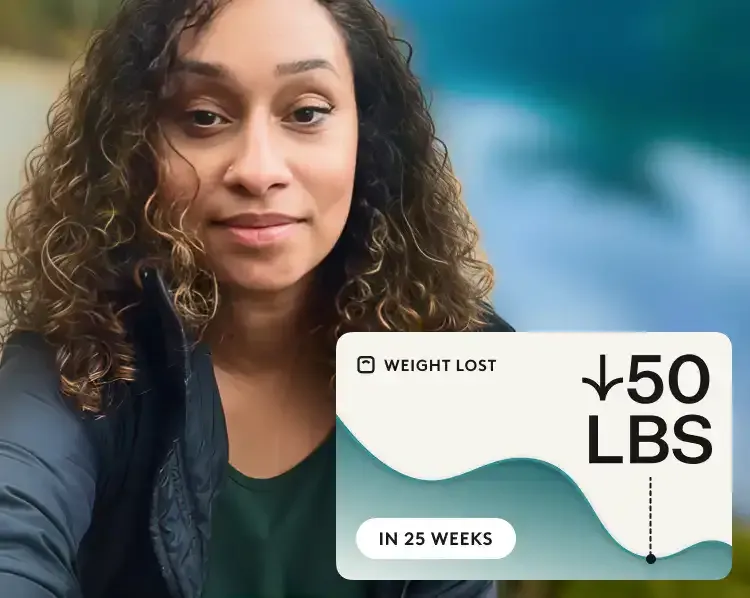
“My favorite parts of Noom are the care team and other Noomers. Sharing and getting help made me feel like I wasn’t doing it alone. That support made all the difference.”
Desirea N. — Real Noom user
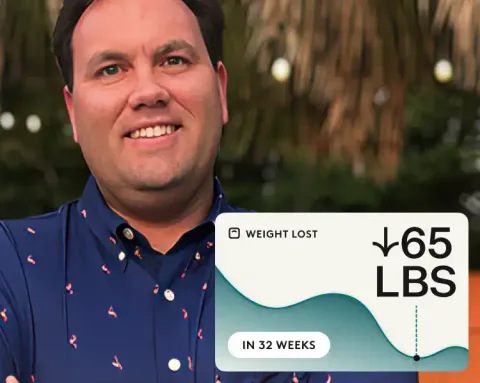
“Noom has taught me that every day is a new chance to make better, healthier choices. It’s taught me how to stop overeating.”
Matthew M. — Real Noom user
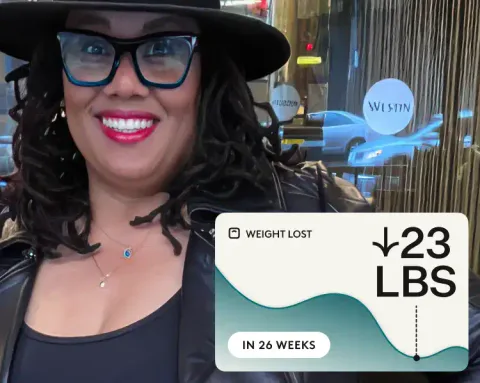
“Clinicians who understand how supportive medication can be is one of the best parts of Noom! I was convinced I wouldn’t have success but I’m down 11 pounds in two months.”
Lila M. — Real Noom user
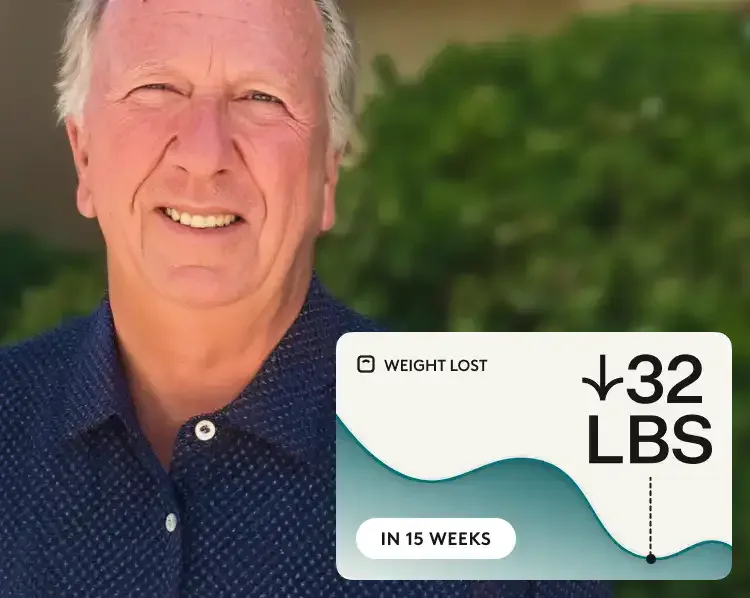
“Noom provided me with the medication which I could not get through Medicare. I have learned the tricks to better eating and life in general.”
Steve M. – Real Noom user
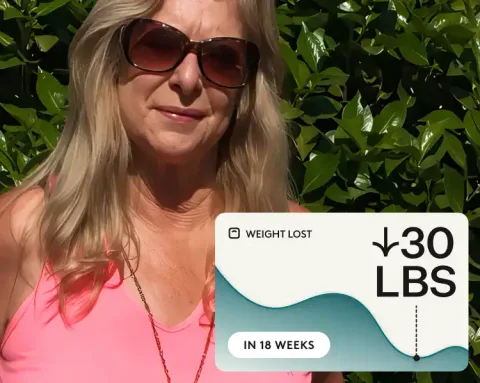
“Noom has changed my life and I’m so thankful, I feel great, have more energy and am no longer prediabetic.”
Daisy R. – Real Noom user
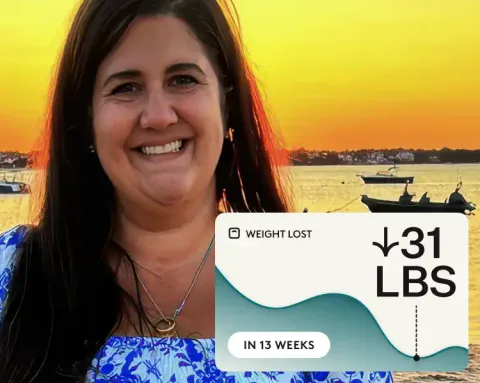
“All of the Noom providers that I’ve met with have been exceptional and prescribed medications that are appropriate for my situation and health.”
Sarah R. – Real Noom user
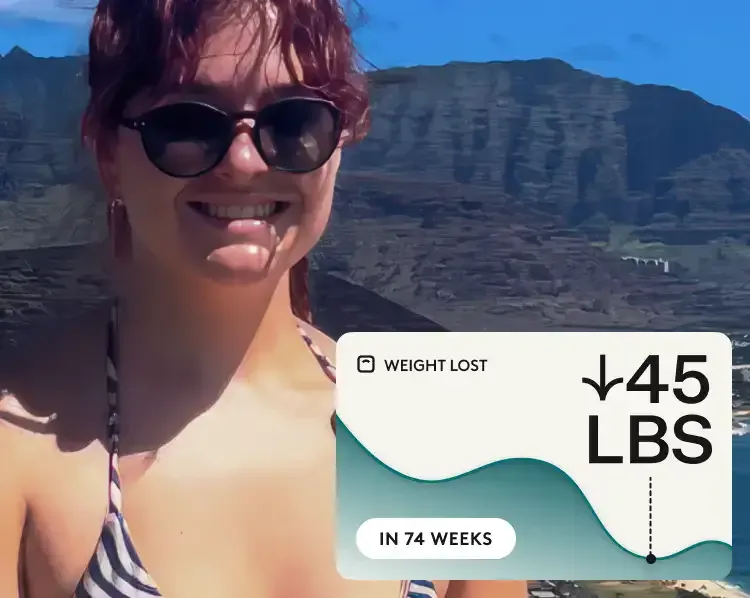
“Noom made the process so simple and now I feel full, free from diet obsession, and at ease in my body again.”
Madison S. – Real Noom user
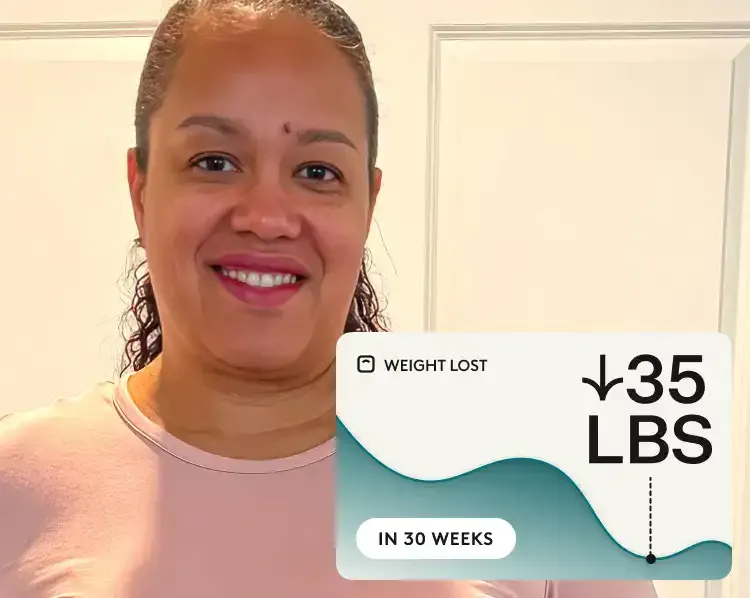
“My doctor recommended Noom after I was frustrated trying to lose weight. The lessons helped change my relationship with food. My body feels lighter & energized.”
Sonday K. – Real Noom user
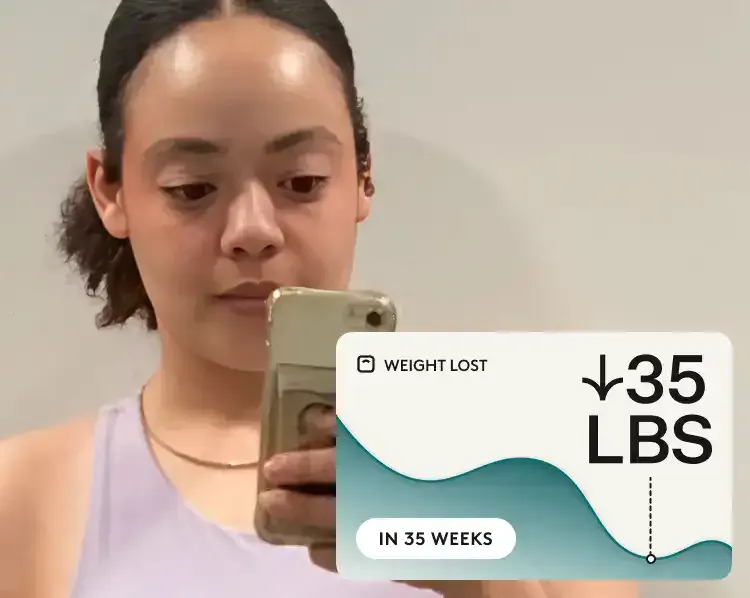
“I built healthy habits with coaching and lessons that make me confident I can maintain my weight loss long term.”
Cam K. – Real Noom user
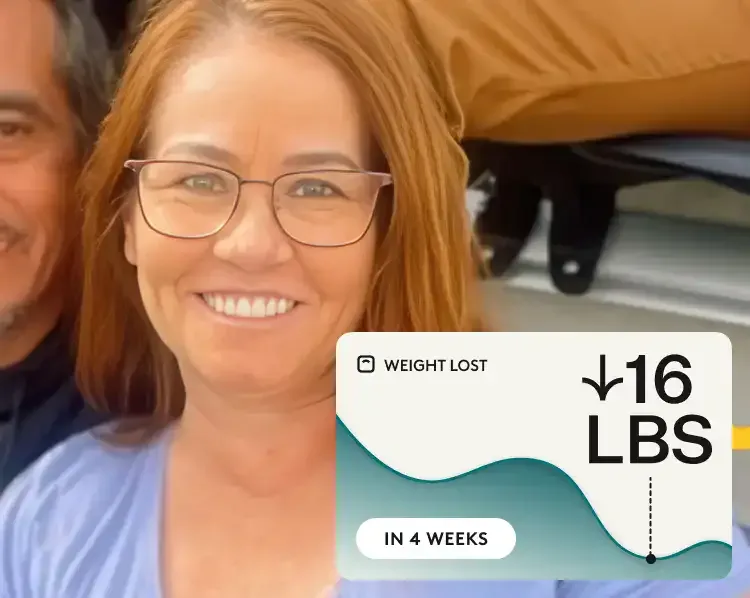
“With the right medication through Noom, hunger and sugar cravings finally quieted and I have the tools to break the cycle.”
Laura TR. – Real Noom user
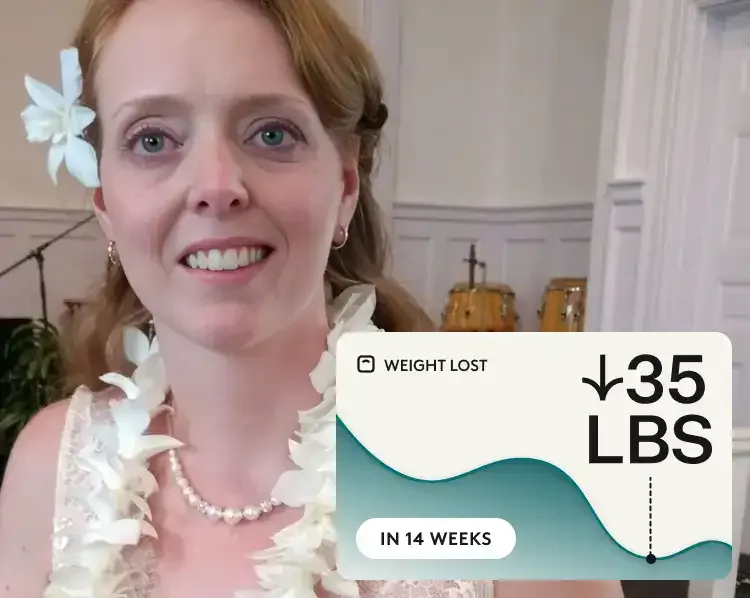
“Cravings and food noise are gone, I finally feel confident in the healthy habits I’ve built to last with Noom.”
Jessica S. – Real Noom user
The bottom line: Short-term use of diethylpropion can help people lose weight
Short-term use of diethylpropion—typically about 12 weeks—can help jump-start weight loss by curbing appetite and making it easier to follow a structured eating plan. When combined with balanced meals, adequate protein, and regular movement, research shows that people can lose an average of 10% of their starting body weight in roughly three months.
Because it’s available only as a generic, diethylpropion is also one of the more affordable prescription options—usually $50 to $160 per month, depending on your pharmacy and dose. That’s typically less than 10% of the cost of medications like Wegovy® or Zepbound®.
Still, diethylpropion is designed for short-term use. Your provider will typically reassess your progress after four weeks and decide whether to continue or explore other options. Its goal isn’t to replace healthy habits—but to help you get traction while building them.
If you and your provider decide it’s the right fit, pairing diethylpropion with consistent nutrition, exercise, and mindful eating can lead to steady, sustainable results—and set you up for success well beyond your prescription.
If you’re thinking about weight loss medication, see if you qualify for Noom Med. You’ll be matched with a clinician who can evaluate your health, discuss your goals, help find a prescription that fits, and prescribe it if needed. Plus, your team will help design a weight loss plan that works for you.
Editorial standards
At Noom, we’re committed to providing health information that’s grounded in reliable science and expert review. Our content is created with the support of qualified professionals and based on well-established research from trusted medical and scientific organizations. Learn more about the experts behind our content on our Health Expert Team page.