What you’ll learn:
- The lectin-free diet limits many plant foods in an effort to reduce inflammation and promote weight loss, but research doesn’t support these claims.
- Many foods high in lectins are nutrient-rich foods for gut, heart, and overall health.
- Instead of cutting out major food groups, focus on cooking foods correctly and making small changes to your diet
If you’ve seen people suddenly swearing off beans, grains, and even tomatoes in the name of better gut health, you’re not imagining it. The reason behind the trend is lectins—plant proteins that some claim fuel inflammation, digestive issues, and stubborn weight gain. The idea took off after cardiologist Dr. Steven Gundry popularized the lectin-free diet, arguing that these proteins “poke holes” in the gut wall and “trigger fat storage.”
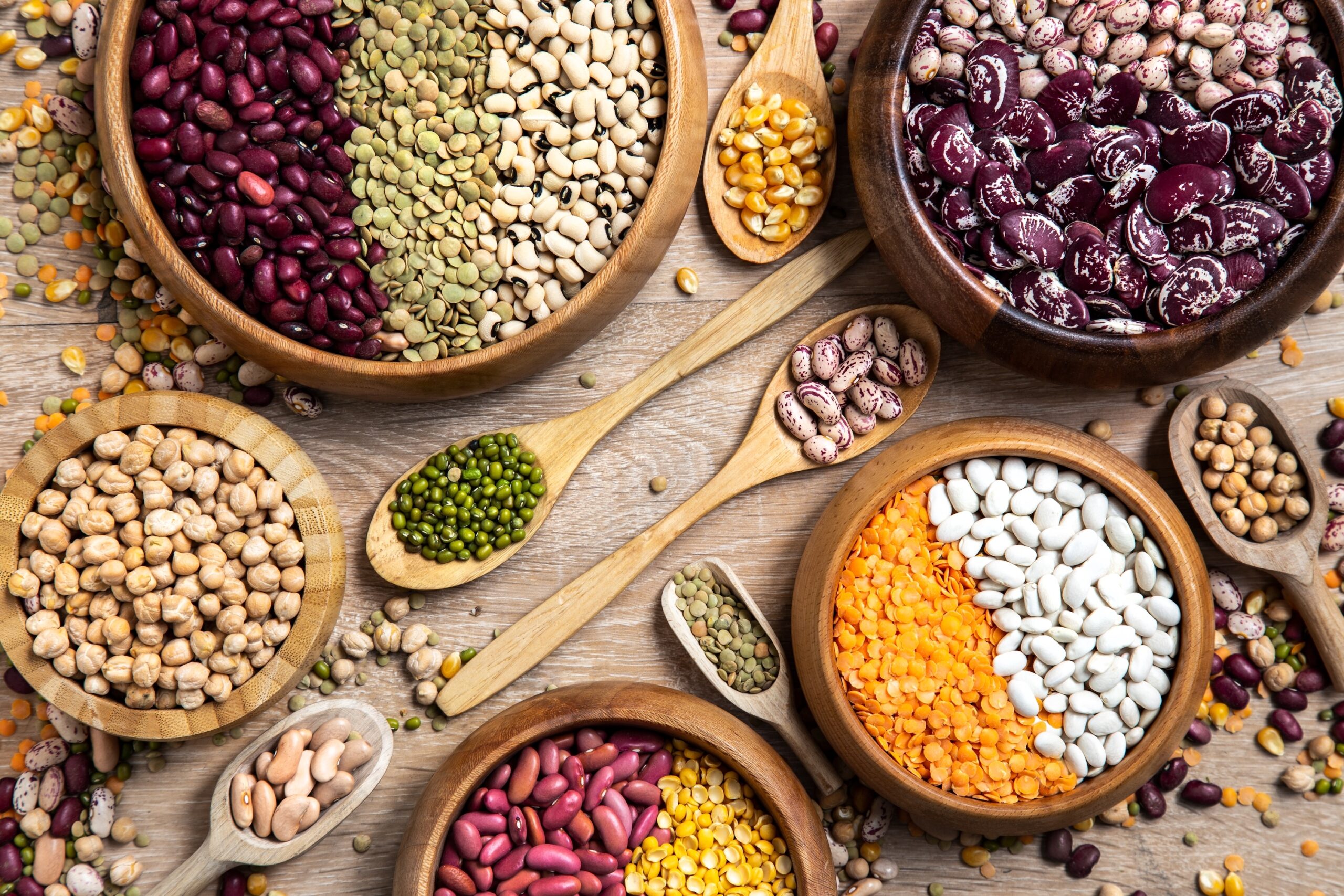
But nutrition experts—and decades of research—paint a very different picture. Lectins are naturally occurring compounds found in nutrient-dense staples like beans, lentils, peanuts, and whole grains—and most lectins are destroyed by soaking or cooking.
Emerging research adds some helpful nuance. Reviews and large analyses suggest lectins aren’t all good or all bad—they can be irritating in large or raw amounts, but when foods are cooked or prepared properly, they may also support immune function and gut health.
So before turning your grocery cart away from half of the produce aisle, it’s worth asking: Is lectin really harmful or simply another misunderstood nutrient caught in the latest wellness trend? We asked Dr. Karen Mann, MD, Noom Medical Director, for her take.
What are lectins?
Lectins are natural proteins in many plant foods that help the plant protect itself from pests. While lectins are supposedly harder to digest in large raw amounts, almost all lectin-containing foods are cooked before we eat them. Cooking breaks the lectins down, making them safe and easy to tolerate.
Noom’s Most Powerful Program
A dual-pathway GLP-1 and behavior change for lasting results.
What foods are high in lectin?
It helps to remember that lectins show up in all kinds of plant foods. One major analysis found the highest lectin activity in legumes, but also detected lectins across other plant families—including certain leafy greens and grains, grains, and nightshade vegetables, like tomatoes, eggplant.
A separate review looking at everyday eating patterns found that roasted nuts, processed cereals, and fresh fruits and vegetables also contain measurable lectin-like activity, even when prepared in typical ways.
So in practical terms? If you eat beans, whole grains, tomatoes, potatoes, nuts, or seeds, you’re getting some lectins—and that’s normal. What matters most isn’t whether lectins are present, but how much active lectin remains after soaking, boiling, or cooking, and how well your body tolerates them. For most people, simple prep steps like soaking and boiling are enough to deactivate them.
How cooking affects lectins
Research shows that traditional preparation methods can dramatically reduce lectins in plant foods. Here’s a look at what works and what doesn’t:
- Soaking, boiling, and stewing: An analysis of commonly eaten plant foods found that soaking and boiling significantly lowered active lectin levels, in some cases bringing them close to zero. Wet-heat methods like boiling and stewing are the most effective for deactivating lectins in foods like beans and grains.
- Pressure-cooking: Pressure-cooking is considered one of the most effective ways to deactivate lectins and safely prepare high-lectin foods.
- Baking and roasting: Dry-heat methods such as baking or roasting are far less effective at inactivating lectins compared with wet-heat cooking.
Note: Raw beans should never be eaten—they contain the highest levels of active lectins.
What’s the lectin-free diet?
The lectin-free diet is an eating plan that eliminates foods containing lectins based on claims that these proteins cause inflammation, digestive issues, and weight gain. It also follows a broader “clean eating” philosophy, which involves cutting out processed foods, refined carbs, added sugars, and industrial oils.
Dairy is restricted too for a different reason. It doesn’t contain lectins, but the diet discourages products made with a type of protein called A1 casein. Dr. Gundry claims A1 casein in most conventionally raised milk products contributes to inflammation. For that reason, only A2 dairy (from goats, sheep, or certain cow breeds) is allowed.
Here’s what typically gets cut in the lectin-free diet:
- Refined carbs and grains: Pasta, rice, oats, breads
- Legumes and nightshades: Beans, lentils, soy, peanuts, tomatoes, potatoes, peppers, eggplant
- Conventional dairy: Cow’s milk, soft cheeses, yogurts made with A1 casein
- Processed oils and condiments: Vegetable, corn, and soybean oils; ketchup, soy sauce, commercial mayonnaise
- Added sugars and sweeteners: Aspartame, sucralose, saccharin, and other refined or artificial sweeteners
“A lectin-free diet cuts out foods that Noom considers healthy and part of a varied diet. Plants in the bean family are consistently linked to lower rates of heart disease, type 2 diabetes, and obesity. Avoiding lectins may lead you to eat less nutritious foods overall,” warns Dr. Mann.
While this list does cut out many highly processed options, it also eliminates fiber-rich, nutrient-dense foods that are linked to better gut health, heart health, and long-term weight management.
“Fiber is an unsung hero of wellness. I would never suggest removing fiber from your diet without a true medical reason,” asserts Dr. Mann. “If you enjoy eating beans, nuts, and grains, the supposed concerns about lectins shouldn’t stop you if they aren’t causing any issues. Fiber supports heart health, helps balance blood sugar, and even plays a role in managing weight.”
What’s the appeal of the lectin-free diet?
Part of the appeal of the lectin-free diet is that it takes one main component—lectins—and blames it for many modern health problems. Beyond that, other factors helped it catch on:
- Some research supports it: Some animal studies show that lectins can irritate the gut lining, disrupt digestion, and trigger inflammation that leads to weight gain. These studies have not yet been replicated in human studies.
- What Dr. Mann says: “When we look at the research about lectin-free, most of it doesn’t really apply to humans.”
- Gut health appeal: It taps into growing public interest in gut health. This diet offers an explanation for why people have digestive issues and a quick way to solve them.
- What Dr. Mann says: “If you’re experiencing distressing symptoms that are affecting your daily life, it makes sense to try a different diet. People want to find a way to feel better. But it may not be as simple as removing foods, especially those that are what we usually think of as healthy options.”
- A move toward “natural” eating: The diet cuts out many ultra-processed foods, appealing to people who want to eat fewer packaged products and feel closer to a whole-food lifestyle
- What Dr. Mann says: “It’s great that this approach limits many processed foods, but we also need to be mindful not to cut out healthy, nutrient-rich options along the way. Going too far in the other direction can also lead to problems down the road.”
Does a lectin-free diet help with weight loss?
Many people turn to the lectin-free diet hoping it will reduce inflammation, heal their gut, and make weight loss easier. But while the theory sounds convincing, does the scientific evidence back it up?
Claim 1: Lectins cause inflammation and weight gain
Verdict: False
According to some research, lectins can bind to the gut lining, damage it, and trigger inflammation that leads to fat storage. The problem is that this claim, as we said above, comes mostly from lab and animal studies, not real-world human diets. Also, many of those experiments used lab-made lectins that were injected into animals, not the small, naturally occurring amounts found in cooked foods.
Again, levels of lectins are significantly reduced through cooking. And human studies show some lectin-heavy foods, like legumes, are linked to lower body weight, smaller waistlines, and less long-term weight gain.
Claim 2: When lectins disrupt insulin, they increase belly fat
Verdict: False
We couldn’t find any credible evidence that lectins affect insulin in people.
Diets rich in legumes and whole grains—foods that naturally contain lectins—are linked to better insulin sensitivity and lower belly fat. In one long-term study, researchers found that for every 10 grams of soluble fiber added to the diet, visceral belly fat gain dropped by almost 4%. In other words, the foods blamed for fat storage may actually help prevent it.
Claim 3: Removing foods with lectins removes unhealthy foods from your diet
Verdict: Partially true.
Some people may lose weight on a lectin-free diet, but mainly because they’re cutting out high-calorie, processed foods—not because lectins were the problem. Eating fewer of these foods naturally reduces calorie intake and can increase weight loss.
If you lose weight on this plan, it’s likely from eating less overall, not from eliminating lectins. A balanced diet that includes properly prepared plant foods is a healthier, more sustainable way to reach your goals.
Is the lectin-free diet safe?
The lectin-free diet isn’t necessarily dangerous, but it does come with some downsides to keep in mind.
Risk of calcium deficiency
For everyone—but especially women—getting enough calcium is important for building and maintaining strong bones and overall health.
“Women experience a gradual loss of both bone density and muscle mass as they age,” says Dr. Mann. “Calcium plays a critical role in preserving skeletal strength. In addition to strength training, getting enough calcium in your diet is important, and A1 dairy is just as effective.”
Noom’s Most Powerful Program
A dual-pathway GLP-1 and behavior change for lasting results.
The lectin-free diet, specifically Dr. Gundry’s version, only allows dairy products made from A2 milk (which contains a slightly different protein than most milk). A2 milk may cause less digestive discomfort than conventional dairy, but the research is still inconclusive.
A2 dairy comes from cows that naturally produce only the A2 protein. Farmers identify these cows through basic genetic testing and use them to produce A2-labeled milk. These products are clearly marked on the package, and they’re typically more niche and more expensive than regular dairy.
Restriction rarely leads to lasting weight loss
Strict diets can cause short-term weight loss, but they’re rarely sustainable. Studies show that highly restrictive eating plans are linked to more weight regain over time. Long-term success comes from building flexible, balanced habits that fit your lifestyle.
Expense and social stress
Following a lectin-free diet can be expensive and isolating. Strict “approved” food lists make it difficult to eat out or share meals with others—and the cost of A2 dairy and lectin-free products can add up quickly.
If you’re concerned about your digestive health, it’s always best to consult with a trusted healthcare provider or gastroenterologist who can provide you with personalized diet recommendations.
Reviews from real Noom users
“My favorite parts of Noom are the care team and other Noomers. Sharing and getting help made me feel like I wasn’t doing it alone. That support made all the difference.”
Desirea N. — Real Noom user
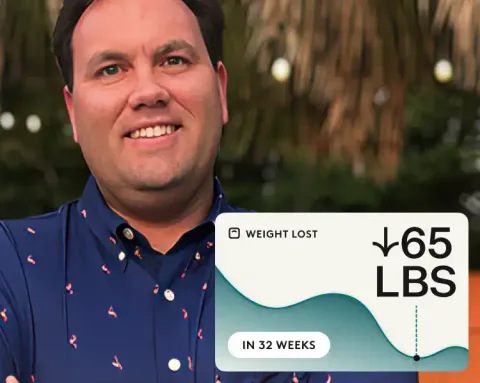
“Noom has taught me that every day is a new chance to make better, healthier choices. It’s taught me how to stop overeating.”
Matthew M. — Real Noom user
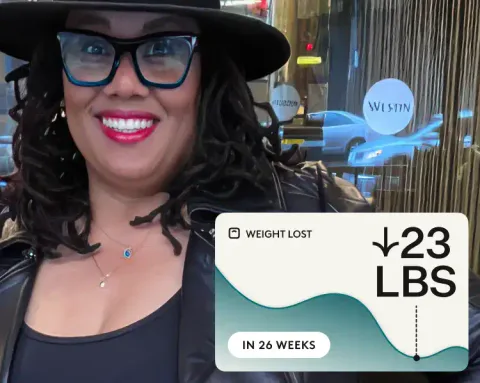
“Clinicians who understand how supportive medication can be is one of the best parts of Noom! I was convinced I wouldn’t have success but I’m down 11 pounds in two months.”
Lila M. — Real Noom user
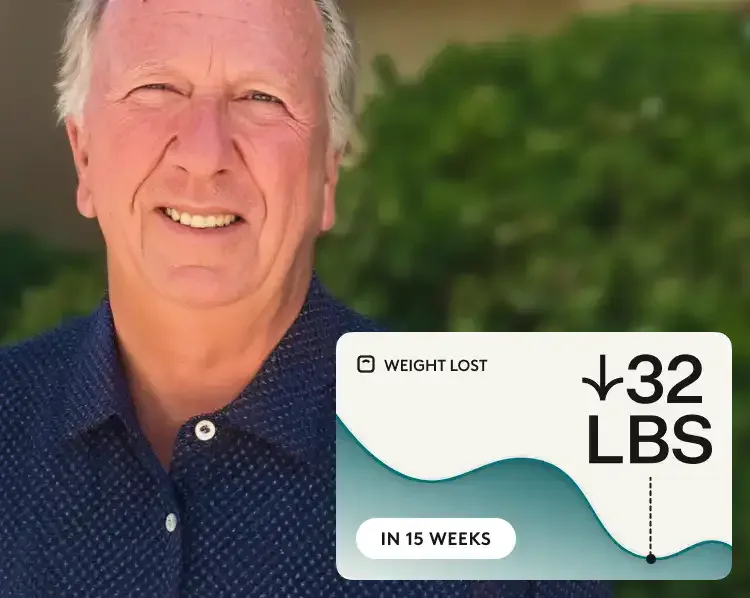
“Noom provided me with the medication which I could not get through Medicare. I have learned the tricks to better eating and life in general.”
Steve M. – Real Noom user
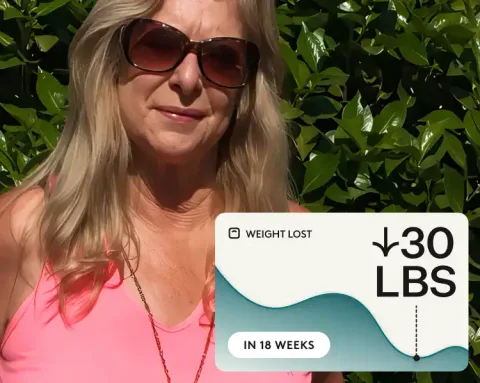
“Noom has changed my life and I’m so thankful, I feel great, have more energy and am no longer prediabetic.”
Daisy R. – Real Noom user
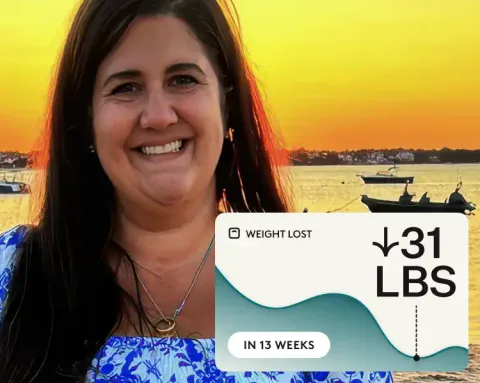
“All of the Noom providers that I’ve met with have been exceptional and prescribed medications that are appropriate for my situation and health.”
Sarah R. – Real Noom user

“Noom made the process so simple and now I feel full, free from diet obsession, and at ease in my body again.”
Madison S. – Real Noom user
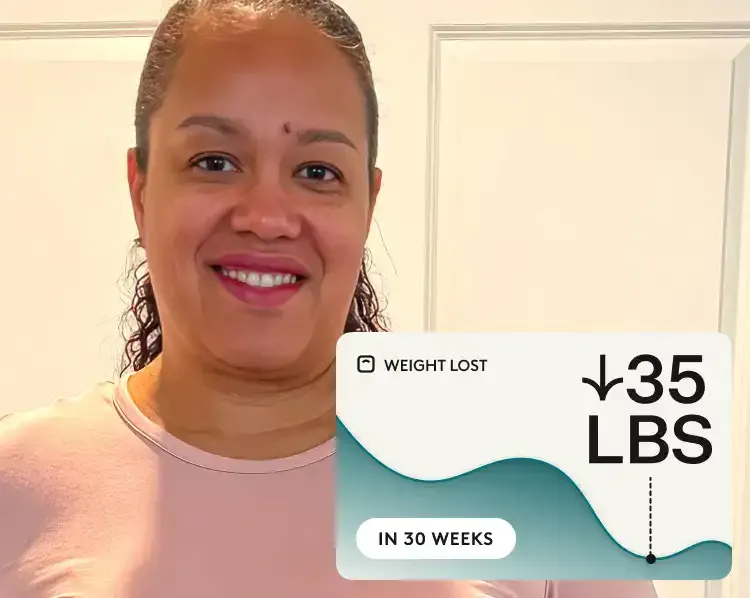
“My doctor recommended Noom after I was frustrated trying to lose weight. The lessons helped change my relationship with food. My body feels lighter & energized.”
Sonday K. – Real Noom user
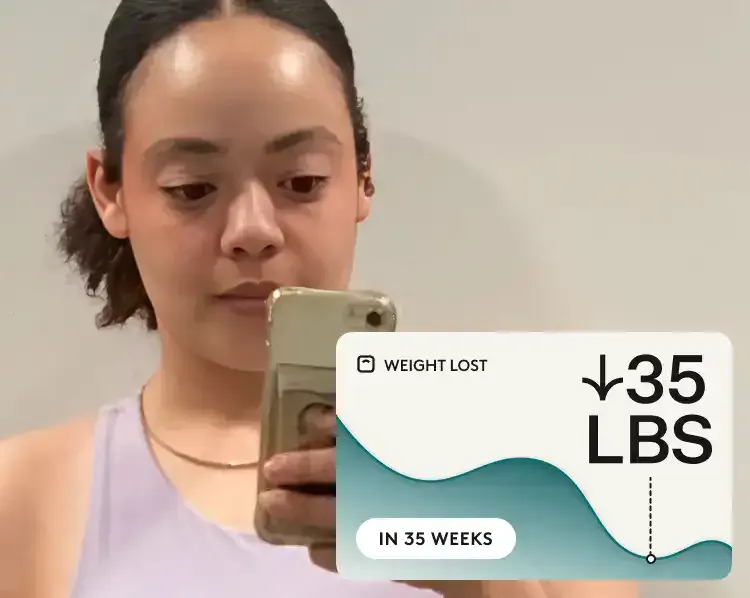
“I built healthy habits with coaching and lessons that make me confident I can maintain my weight loss long term.”
Cam K. – Real Noom user
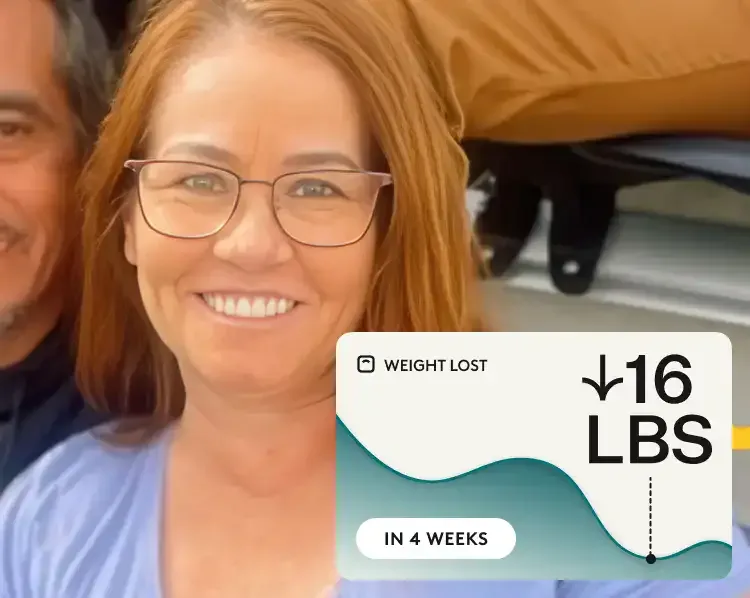
“With the right medication through Noom, hunger and sugar cravings finally quieted and I have the tools to break the cycle.”
Laura TR. – Real Noom user
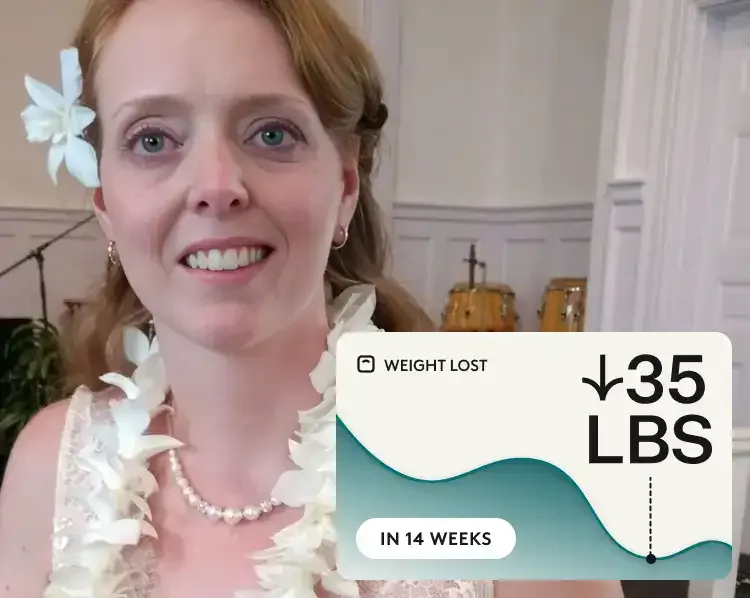
“Cravings and food noise are gone, I finally feel confident in the healthy habits I’ve built to last with Noom.”
Jessica S. – Real Noom user
The bottom line: Eliminating lectins won’t help you lose weight, and may create nutrient deficiencies
The lectin-free diet promises to reduce inflammation, heal the gut, and make weight loss easier. While the plan focuses on whole foods like vegetables, healthy fats, and quality proteins, it also cuts out many nutrient-rich staples that have long been linked to better health and longevity.
Research shows that properly cooked lectin-containing foods are safe and that diets rich in these foods support heart, gut, and metabolic health. Eliminating them entirely may lead to nutrient gaps, lower fiber intake, and a feeling of defeat if you can’t keep up with the strict rules.
Ultimately, sustainable health and weight loss come from balance, variety, and consistency, not restriction. You likely don’t need to fear foods with lectins—just prepare them properly and enjoy them as part of a diverse, colorful diet.
That’s how you build lasting habits that work with your life—not against it. Download the Noom iOS & Android to start building healthy habits and find what habits you can slowly change to get healthier.
Editorial standards
At Noom, we’re committed to providing health information that’s grounded in reliable science and expert review. Our content is created with the support of qualified professionals and based on well-established research from trusted medical and scientific organizations. Learn more about the experts behind our content on our Health Expert Team page.