

What you’ll learn:
- When you stop taking Wegovy®, some weight regain can happen as the medication stops reducing appetite.
- Studies show that tapering off Wegovy® slowly while keeping up with healthy habits can help you maintain your results.
- Support programs can help you handle the return of appetite and emotional eating, so you can stay in control and sustain your weight loss long-term.
People stop taking Wegovy® for many reasons—reaching a goal weight, managing side effects, navigating cost or insurance changes, or planning for pregnancy. Whatever the reason, as Wegovy leaves your system, your body gradually returns to its own appetite and digestion patterns.
Because Wegovy contains semaglutide, its appetite-regulating effects don’t stop all at once. Hunger cues usually come back slowly. You might notice you’re thinking about food more often or feeling hungry at times you haven’t in a while.
Many people experience some weight regain after stopping Wegovy or other GLP-1 medications. Research shows that weight regain can begin as early as eight weeks after stopping treatment and may continue over the following months, without continued support.
This doesn’t mean your progress will disappear completely—but it does highlight why planning ahead matters. Coming off a GLP-1 is a transition, and like any transition, it goes more smoothly with the right approach.
This guide walks through what typically happens as Wegovy leaves your system, how tapering may help, and how to support your metabolism, hunger hormones, and long-term habits so your results last. With the right plan, you can protect your progress and move forward without feeling like you’re starting over.

The Easy Way
to lose weight and get healthy.
Why you might regain weight after stopping Wegovy®
The semaglutide in Wegovy® lowers appetite, slows digestion, and helps regulate blood sugar while you’re taking it. Those effects play a major role in weight loss, but your habits matter just as much. When you stop the medication, those GLP-1-like signals fade, and you’re left relying on the eating and movement patterns you built while on treatment. And that can be challenging, as the research shows.
A study that followed people for 68 weeks of treatment and a full year after stopping, showed that what people experienced after stopping a GLP-1 varied, but there were some commonalities. On average, most people regained about two-thirds of the weight they had lost. Some gained almost all of it back. Others regained much less. A small number kept most of the weight off.
That variation makes sense once semaglutide wears off. Appetite signals come back at different speeds, habits vary, and stress or underlying metabolic issues can make weight maintenance harder for some people than others.
A similar pattern shows up in other research, too. A large review looked at results from 11 different studies and more than 2,400 people who stopped medications like GLP-1s. The timelines varied, but many tracked people for months after their last dose. Across these studies, weight regain often began around eight to twenty weeks after stopping and then slowly leveled off.
People who lost more during treatment tended to regain more afterward, and even those who kept up with healthy habits saw some rebound. It all points to the same idea: once the medication is out of your system, your body pushes back in its own way, which is why maintenance can feel so challenging without ongoing support.
What happens when you stop taking Wegovy®?
Once a person stops Wegovy®, the effects that helped regulate appetite and digestion start to fade. Semaglutide stays in the body for about 5 to 7 weeks after the last dose, so as levels drop, digestion speeds back up and appetite returns. Here’s what happens:
- Metabolism adjusts: In the STEP 1 extension study, people regained 11.6 percentage points of the weight they had lost, and the health improvements they saw on the drug, including better blood sugar, blood pressure, cholesterol, and waist size, returned to baseline by week 120. This shows that once semaglutide’s effects wear off, your body naturally moves back toward its pre-treatment metabolic state.
- You might have lost muscle: GLP-1s don’t directly cause muscle loss, but anytime a person loses weight rapidly, some muscle can be lost along with fat. And with less muscle, your body doesn’t burn as many calories as it used to. That’s one reason weight can come back once you stop semaglutide.
Learn more about taking Wegovy® for weight loss.
Why people stop taking Wegovy® and what that means for your next steps
Understanding why you want to stop can help you make the best move forward. Here are some of the most common reasons people decide to stop taking Wegovy®, and what you can do next:
Cost and insurance
Studies show that nearly half of people taking it stop because of cost or insurance barriers. Wegovy® costs around $1,350 per month without insurance, and coverage is rare.
What to consider: You can now get Wegovy through Novo Nordisk’s NovoCare® Pharmacy for $199-a-month pricing for the first two months, and then $349 a month after. If you want something lower in cost, talk to your provider about switching to an alternative. There are different types of weight loss medications available at all prices.
Access GLP-1 Weight Loss with Noom
Explore a wide range of prescription medications supported by Noom’s program.
Microdose GLP-1rx
Noom GLP-1rx

Noom GLP-1rx Plus
Wegovy®

Ozempic®

Metformin
Zepbound®
Mounjaro®
Liraglutide
Side effects
Nearly 15% of people stop taking GLP-1 medications like Wegovy due to side effects. In clinical trials, about 4% of people stopped taking Wegovy® due to gastrointestinal issues, like nausea, vomiting, and constipation.
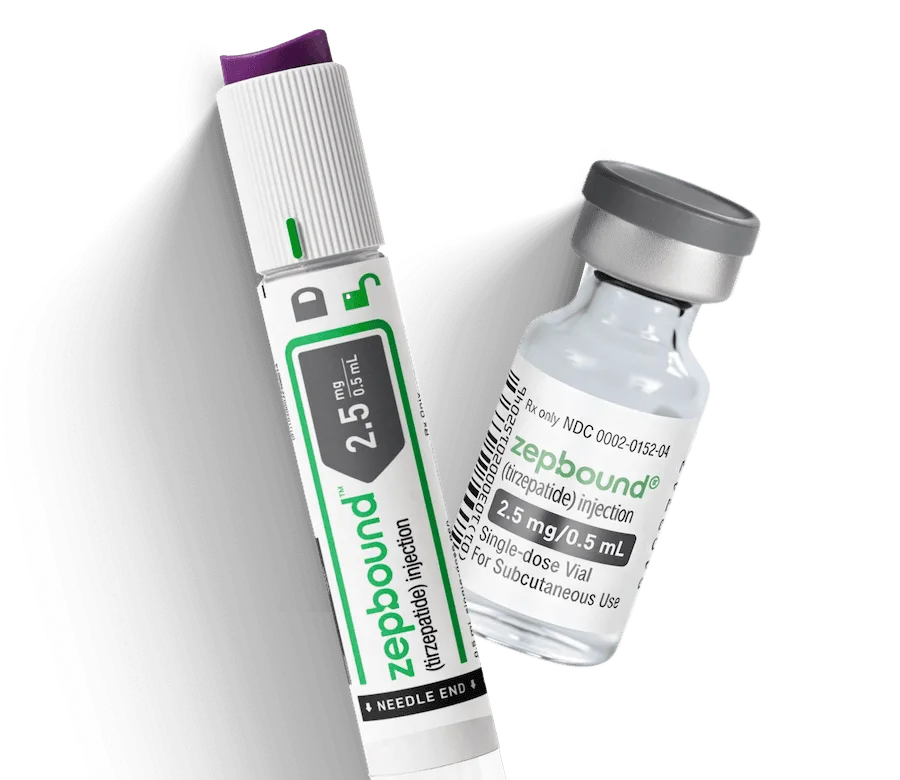
What to consider: If side effects are pushing you to stop, ask your healthcare provider about adjusting your dose or trying an alternative like Zepbound®. Some people report fewer side effects on Zepbound® (tirzepatide) compared to Wegovy® (semaglutide), so switching medications can sometimes make things easier.
Learn more: Wegovy® side effects: Symptom guide and management tips
Reaching your goal weight
Hitting your target can be a crossroads. You can decide to continue, perhaps on a lower maintenance dose, or stop and see how you do on your own.
What to consider: If you’ve changed your lifestyle enough to maintain a healthy weight, you might be ready to taper off. Sometimes this is a process of trial and error that you coordinate with your provider.
You’ve hit a plateau
Weight plateaus are normal, especially after months on the same dose. Sometimes Wegovy® seems to “stop working” because your body adapts.
What to consider: Before quitting altogether, consider a dose adjustment or tweaks to your nutrition and movement routine. A healthcare provider can also help you decide if another GLP-1 medication might help. For instance, tirzepatide medications typically result in greater weight loss compared to semaglutide medications.
You’re planning to conceive
You can’t take Wegovy® during pregnancy or while trying to conceive. Experts advise stopping the medication at least two months before trying to conceive to allow the drug to clear from your system safely.
What to do: Inform your provider about your plans and plan a slow taper before trying.
Questions to ask: Are you ready to stop taking Wegovy®?
If you’re thinking about stopping Wegovy®, use this checklist to determine if you’re medically and behaviorally prepared for this transition:
- Are you medically ready? Have you talked with your healthcare provider about how stopping Wegovy® could affect your other medications or blood sugar? If you take insulin or oral diabetes drugs, you’ll need a clear plan. Wegovy® stays in your system for about five weeks after your last dose, and during that time, its effects on appetite and blood sugar gradually fade.
- Have you changed your eating and exercise habits? Have you practiced balanced eating and adding more protein? Are you following a fitness plan that works for you?
- Is the timing right? If you’re juggling major stress, travel, or life changes, consider waiting. Stopping during a stable period helps you focus on maintaining healthy routines without added pressure.
- Do you have a backup plan? What’s your safety net? Talk to your provider about a gradual taper, maintenance dose, or alternative medications if you notice early rebound. A structured maintenance plan, including nutrition, exercise, and follow-ups, helps cushion the transition.
- Figure out why you are stopping. Ask yourself: Am I stopping because I’ve reached my goal or because I’m frustrated by side effects or a plateau? If the reason is side effects or a plateau, your provider might suggest a dose adjustment or switching medications instead of stopping altogether.
Even if you feel ready to stop, remember that long-term success takes support and structure. Your healthcare team, a nutrition coach, or structured program can help you stay consistent and catch challenges early. The transition off Wegovy® is smoother and far more sustainable when you have guidance, accountability, and encouragement along the way.
How to stop taking Wegovy
There aren’t any medical reasons you can stop Wegovy at any time, but you’ll experience some changes when you do. A gradual taper, supervised by your healthcare provider, helps prevent a rebound of appetite.
According to research, tapering over roughly eight to ten weeks led to better weight maintenance compared to stopping abruptly. While there’s no universal formula, the taper is typically adjusted based on your dose, how long you’ve been on treatment, and your overall health profile.
Here’s what a medically supervised taper plan might include:
- Follow a gradual dose reduction. Your provider will determine when and how much to lower your dose and watch for signs of rebound appetite or blood sugar changes.
- Prioritize protein and strength training. Preserving lean muscle helps keep your metabolism steady.
- Track appetite and energy. Journaling or using an app helps you and your care team spot changes early.
- Monitor blood glucose closely if you have diabetes. Your provider may need to adjust insulin or oral medications.
- Reinforce your habits. Focus on structured meals, consistent movement, and quality sleep to maintain satiety and stability.
- Schedule check-ins. Regular reviews allow your provider to fine-tune your taper and prevent unwanted rebound.
A slow, structured taper off of Wegovy® can help you protect your metabolism, control hunger, and maintain your progress.
Noom’s Most Powerful Program
A dual-pathway GLP-1 and behavior change for lasting results.

Note: Medication changes must always be supervised by a qualified healthcare professional.
Medication alternatives when stopping Wegovy
After stopping Wegovy®, it’s important to maintain a healthy diet and exercise plan, but some people may find their appetite too strong for this and need some medication. Here are options for stopping medication altogether.
Stay on a maintenance dose
Continuing a lower or maintenance dose of a GLP-1 medication can help. Clinical data show that people who keep using semaglutide maintain their weight loss.
Prescription alternatives
If continuing Wegovy® isn’t feasible, several evidence-backed prescription options can help manage appetite and metabolic changes after discontinuation.
- Metformin: Traditionally used for type 2 diabetes, metformin improves insulin sensitivity and might help people coming off of Wegovy minimize weight regain. A two-year observational study in women who continued metformin after stopping semaglutide found they regained only about one-third of their prior weight loss.
- Learn more: Metformin for weight loss: How does it work?
- Contrave®: This medication works on the brain’s appetite and reward pathways. The American Gastroenterological Association (AGA) recommends it as an effective long-term weight-management option.
- Qsymia: Another option endorsed by the AGA and often prescribed for people unable to continue GLP-1 therapy but who still benefit from pharmacologic appetite support.
- Learn more: Qsymia® for weight loss: What you need to know
Do supplements help prevent weight regain?
Some people try chromium, green tea extract, berberine, or fiber supplements hoping to curb appetite or support metabolism after Wegovy®. No high-quality studies show that these will work, and some can be dangerous. Green tea extract, for example, has been linked to liver damage.
The National Center for Complementary and Integrative Health advises people to approach these supplements with caution. It also highlights that yoga, meditation, and mindful eating can be helpful for some people.
Learn more: Does berberine work for weight loss? Here’s what studies say
Tips for preventing weight gain after Wegovy
When Wegovy®’s appetite-suppressing power fades, most people start feeling their appetite return within weeks. The strongest predictor of maintaining weight after stopping semaglutide is continuing the habits that supported weight loss, like diet and exercise. Research suggests that people who tapered their dose and stayed engaged with lifestyle support maintained a stable weight for several months after stopping.
Here’s your post-Wegovy® playbook for lasting results.
- Consider tapering instead of stopping suddenly: Early findings suggest that gradually reducing a semaglutide dose may help limit weight regain. In a study of 240 people who tapered off a GLP-1 medication, participants maintained stable weight for 26 weeks after stopping and even lost a bit more weight.
- Focus on nutrition: Build each meal around lean protein, fruits and vegetables, high-fiber carbohydrates, and healthy fats. When combined into healthy meals and snacks, these nutrients keep you fuller for longer, stabilize blood sugar, and help preserve lean muscle.
- Prioritize movement: Physical activity is one of the strongest predictors of long-term weight maintenance after GLP-1 therapy. Aim for at least 150 minutes of moderate cardio each week and add 2 to 3 strength-training sessions.
- Improve your sleep: Getting 7 to 9 hours of quality sleep helps regulate appetite hormones and can even help you eat less. Studies show that people tend to eat up to 300 extra calories after a poor night’s sleep.
- Keep track: Long-term weight maintenance often takes awareness and structure. Tracking meals, identifying thought patterns around food, and staying consistent through small, realistic behavior changes can help. Having a coach or community to lean on can keep you motivated.
Learn more about how Noom can help you keep the weight off.
Craving control kit: Psychology tricks to prevent weight gain
As Wegovy® leaves your system, your appetite will return. But there are simple, psychological tricks that can help prevent emotional eating from affecting your progress.
Here are the most effective psychological strategies to keep in your toolkit:
- Track your food, mood, and triggers daily: Research shows that people who maintain weight loss consistently monitor their eating patterns.
- Use mindful eating to reconnect with your body’s signals: Take time to notice flavors, textures, and hunger cues during meals. This helps you recognize when you’re truly satisfied, since your brain needs about 20 minutes to register fullness signals from your stomach.
- Create supportive environments that make healthy choices easier: Stock your kitchen with satisfying, minimally processed foods. Research shows that environmental changes work alongside psychological tools to support lasting behavior change, which is why Noom’s psychology-based approach combines these strategies for comprehensive support.
When is the best time to restart Wegovy® if I regain weight?
There’s no strict rule, but research gives a few clear signs that it may be time to resume. Weight regain often begins within about 8 weeks of stopping GLP-1 medications. Even small regains matter. One large study found that each 1% increase in weight after stopping a GLP-1 was linked to a higher chance of restarting treatment.
Because this rebound is typical, many clinicians suggest checking in if your weight trends up for a few weeks, your appetite jumps, or 4 to 8 weeks of solid habits aren’t helping.
Frequently asked questions about stopping Wegovy®
These questions address the most common concerns people have about topping Wegovy, surrounding weight regain, and long-term management.
Are there side effects of stopping Wegovy®?
You won’t get true withdrawal symptoms, but you will feel the medication wearing off. Your appetite usually comes back pretty quickly, digestion speeds up again, and hunger can feel stronger than before, which is why weight can start returning slowly.
How long after stopping Wegovy® can I get pregnant?
If you’re planning a pregnancy, you need to stop Wegovy at least 2 months beforehand so the medication has plenty of time to fully clear from your body before you try to conceive.
If you stop Wegovy® because of nausea, how long does it take to feel better?
Nausea is one of the most common stomach-related symptoms people get while taking Wegovy®, especially during dose increases. So once you stop, and the drug level starts dropping, nausea usually eases up over the next few days to a couple of weeks.
Read more: Wegovy® side effects: Symptom guide and management tips
Is there a withdrawal syndrome after stopping Wegovy®?
No, stopping Wegovy® doesn’t cause withdrawal symptoms like you might experience with some other medications. What you will likely experience is the return of your natural appetite signals and normal digestion as the medication leaves your system. This can be powerful if you’ve gotten used to reduced hunger and slower digestion while on treatment.
Can I stop Wegovy® cold turkey?
Stopping Wegovy® abruptly isn’t recommended. Your appetite typically returns within days to weeks of stopping, which can lead to rapid weight regain. A gradual tapering approach, supervised by your healthcare provider, can help minimize the sudden return of appetite and reduce the risk of rapid weight regain.
Reviews from real Noom users
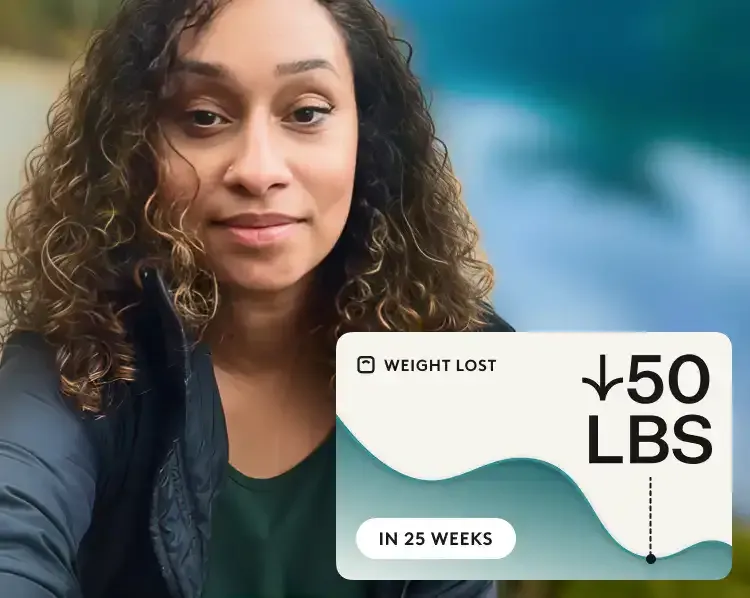
“My favorite parts of Noom are the care team and other Noomers. Sharing and getting help made me feel like I wasn’t doing it alone. That support made all the difference.”
Desirea N. — Real Noom user
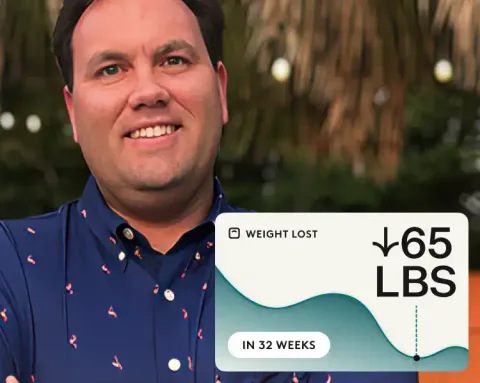
“Noom has taught me that every day is a new chance to make better, healthier choices. It’s taught me how to stop overeating.”
Matthew M. — Real Noom user
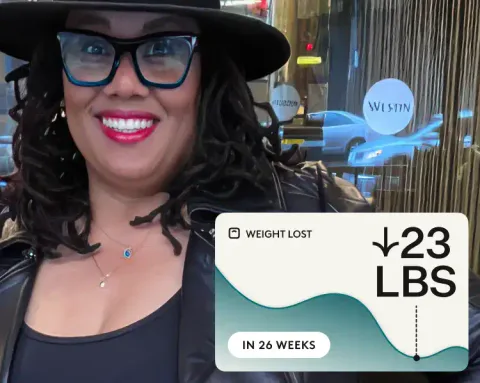
“Clinicians who understand how supportive medication can be is one of the best parts of Noom! I was convinced I wouldn’t have success but I’m down 11 pounds in two months.”
Lila M. — Real Noom user
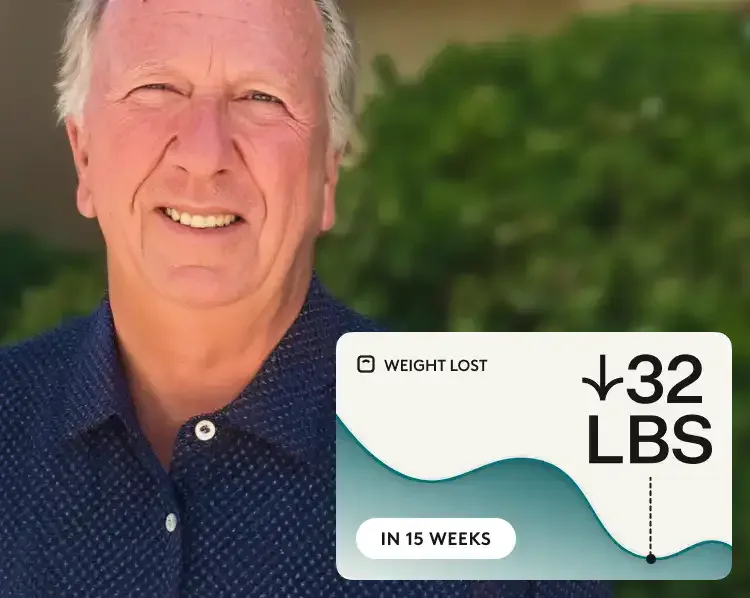
“Noom provided me with the medication which I could not get through Medicare. I have learned the tricks to better eating and life in general.”
Steve M. – Real Noom user
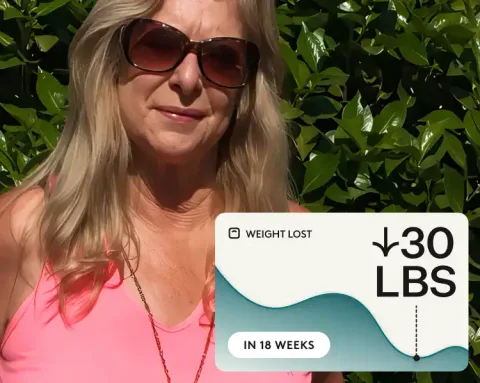
“Noom has changed my life and I’m so thankful, I feel great, have more energy and am no longer prediabetic.”
Daisy R. – Real Noom user
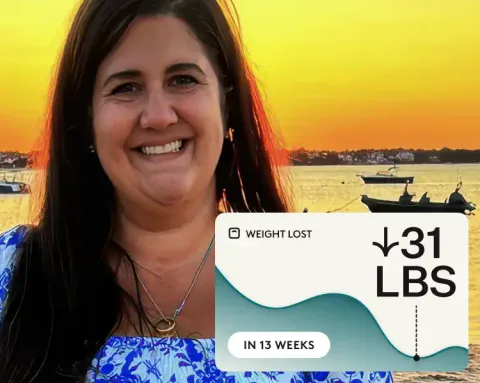
“All of the Noom providers that I’ve met with have been exceptional and prescribed medications that are appropriate for my situation and health.”
Sarah R. – Real Noom user
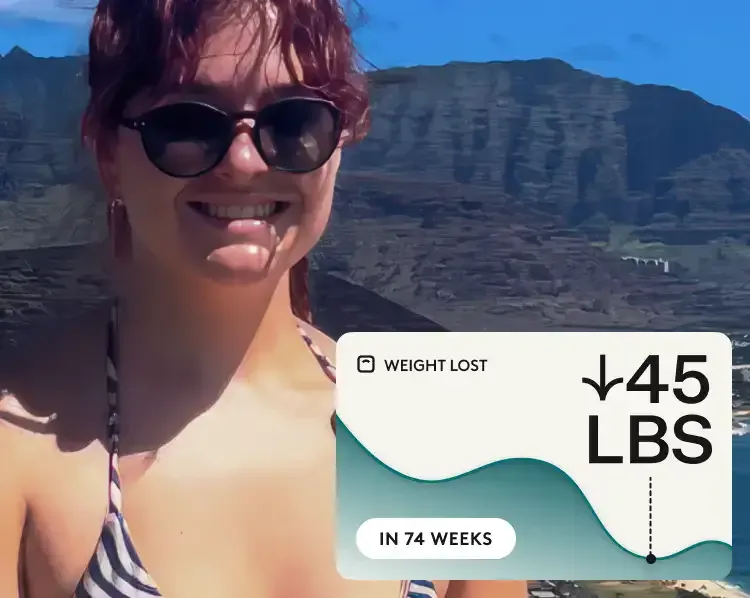
“Noom made the process so simple and now I feel full, free from diet obsession, and at ease in my body again.”
Madison S. – Real Noom user
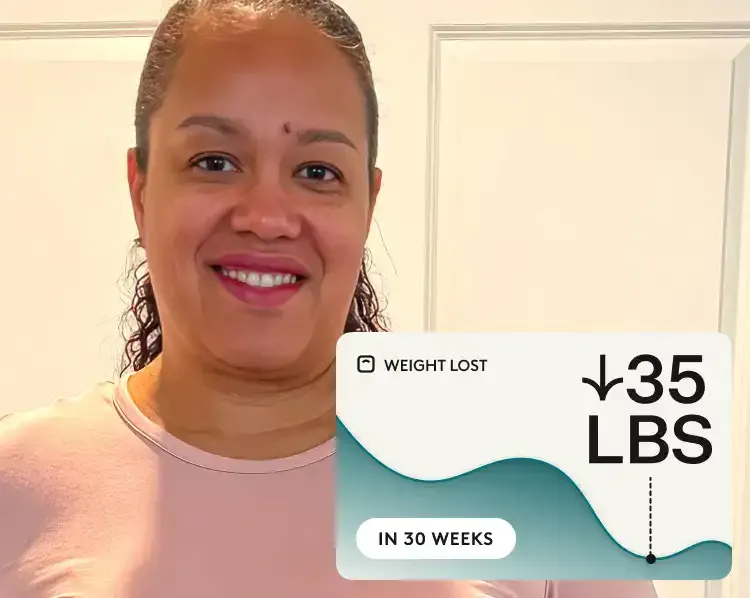
“My doctor recommended Noom after I was frustrated trying to lose weight. The lessons helped change my relationship with food. My body feels lighter & energized.”
Sonday K. – Real Noom user
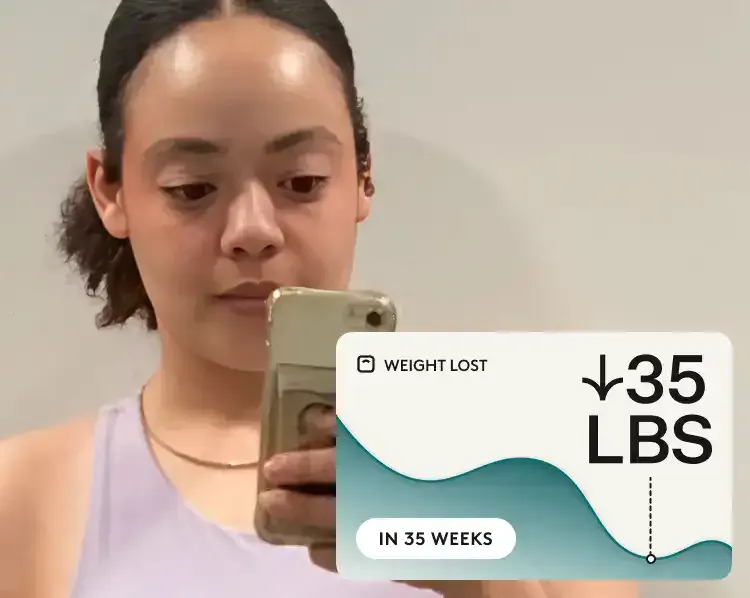
“I built healthy habits with coaching and lessons that make me confident I can maintain my weight loss long term.”
Cam K. – Real Noom user
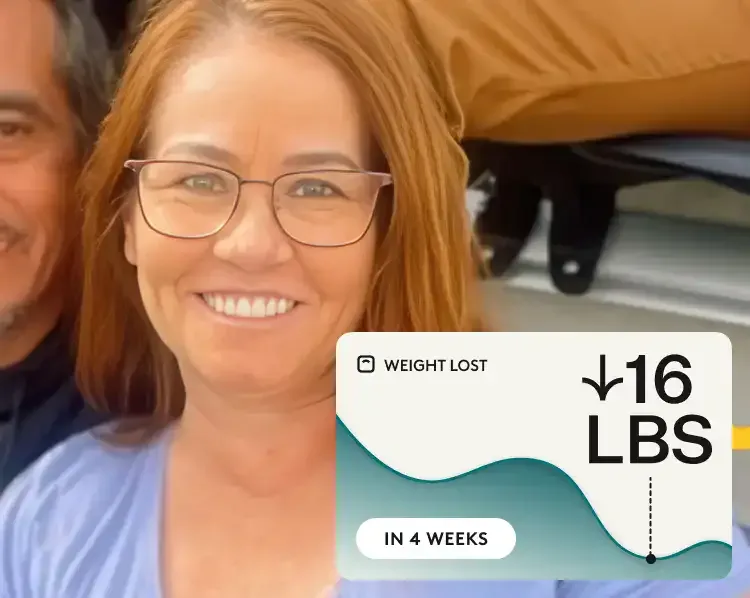
“With the right medication through Noom, hunger and sugar cravings finally quieted and I have the tools to break the cycle.”
Laura TR. – Real Noom user
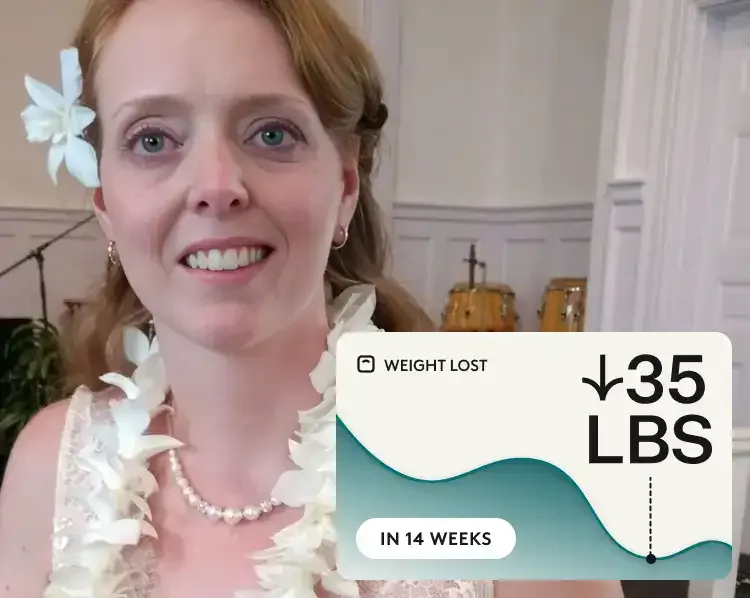
“Cravings and food noise are gone, I finally feel confident in the healthy habits I’ve built to last with Noom.”
Jessica S. – Real Noom user
The bottom line: Have a plan in place before stopping Wegovy®
If you’re thinking about stopping Wegovy, the best way forward is to be prepared. Work with your healthcare provider on a gradual taper, strengthen your daily habits, and set up support.
Sustainable weight management after Wegovy® goes beyond the number on the scale. It’s about building a balanced relationship with food, understanding your body’s signals, and creating routines that fit your real life.
Noom is designed to help you do exactly that: offering psychology-based guidance, personalized tracking tools, and ongoing support to keep your progress intact.
Editorial standards
At Noom, we’re committed to providing health information that’s grounded in reliable science and expert review. Our content is created with the support of qualified professionals and based on well-established research from trusted medical and scientific organizations. Learn more about the experts behind our content on our Health Expert Team page.