

What you’ll learn:
- Stopping metformin can lead to some weight regain and higher blood sugar for people with diabetes.
- Easing off metformin slowly with your provider’s guidance is the safest way to avoid big swings in how you feel.
- Healthy routines like steady meals, daily movement, and stress management can help you keep weight off once you stop the medication.
Metformin has been used for many years to treat diabetes, so many people think of it strictly as a type 2 diabetes medication. And yes—it’s still a go-to treatment for blood-sugar control because it helps your body use insulin more efficiently. But these days, you’ll also see metformin popping up in conversations about off-label uses, especially for supporting weight loss. It’s typically not a medication that results in dramatic weight loss, but for some people, it offers a gentle nudge by helping stabilize appetite and blood sugar.
If you’ve been taking metformin for weight loss, you may reach a point where you and your provider decide it’s time to taper off or stop. That can bring up some totally normal questions: Will your appetite change? Will your weight shift? How will your body feel without it?
Studies show that metformin usually leaves the system pretty quickly, doesn’t cause a harsh “rebound,” and isn’t associated with withdrawal effects. But as your body settles back into its natural patterns and insulin response, you could gradually regain weight and changes in blood sugar levels, which can also impact your hunger levels.
If you’re thinking about stopping metformin, you’ll need to be sure you are prepared. This guide breaks down what you might notice after stopping metformin, how to minimize weight regain, and how to decide on the best next steps for your health goals.
Stopping metformin: What to know
Metformin doesn’t directly suppress appetite the way GLP-1 medications do, but it can still influence how hungry you feel by improving insulin sensitivity and stabilizing blood sugar, reducing the spikes and dips that often drive cravings.

The Easy Way
to lose weight and get healthy.

When you stop, your body loses that extra layer of support, which is why the transition might be difficult.
All of these shifts can contribute to some weight regain, according to studies—but it’s important to look at who those studies were done in. Most of the research on weight changes after stopping metformin focuses on people with type 2 diabetes, often including those with chronic kidney disease.
In those groups, stopping metformin is linked to a loss of the medication’s blood-sugar–stabilizing and insulin-sensitizing effects. When that support is removed, the body may handle carbs and insulin less efficiently, which can make appetite regulation a bit harder and, over time, make weight regain more likely.
If you don’t have diabetes and are taking metformin mainly for weight loss, the same pattern doesn’t necessarily play out in the same way. But a milder version can still happen. Even in people without diabetes, metformin helps keep blood sugar and insulin responses steadier. When you stop taking it, you may notice subtle changes in hunger, cravings, or how satisfied you feel after meals—which can make maintaining weight feel more challenging, even without dramatic metabolic changes.
Reasons for stopping metformin: What they mean for weight management
There are a lot of different reasons why someone might stop taking metformin. Maybe you’ve reached your goal weight, or maybe you’re struggling with side effects or aren’t getting the results you want. The “why” behind your decision gives helpful clues about what your body may need as you move forward. Breaking things down by situation can help you see what to expect and how to stay on track.
If you’re stopping because of side effects
Metformin tends to be well-tolerated by many people, but others might deal with side effects that never quite resolve. According to studies, up to 25% of people experience gastrointestinal side effects, and in about 5% of cases, the side effects are bothersome enough for people to stop taking metformin. If you find the side effects difficult to manage, you might want to look for an alternative with fewer side effects.
What happens next: Your provider may recommend trying a smaller dose or switching to the extended-release version, as its side effects have been found to be more tolerable than the immediate-release tablets. Your provider may also suggest exploring another medication that’s easier on your stomach. There are many weight loss medications available.
Learn more: Metformin side effects: Symptom guide and management tips
If you’re stopping because you’ve reached your goal weight
If you’ve been using metformin off-label for weight loss and have reached the weight you were aiming for, stopping the medication may come to mind. You might feel ready to see how you manage with the habits you’ve built.
What happens next: Your provider can help you figure out the safest way to step off, including whether you should taper or stop more gradually so your appetite and blood sugar don’t shift too fast.
Access GLP-1 Weight Loss with Noom
Explore a wide range of prescription medications supported by Noom’s program.
Microdose GLP-1rx
Noom GLP-1rx

Noom GLP-1rx Plus

Wegovy®
Ozempic®

Metformin

Zepbound®
Mounjaro®
Liraglutide

If you’re stopping because weight loss has plateaued
Weight loss plateaus can be common. When you lose weight, your body naturally lowers its calorie burn, boosts hunger signals, and becomes more efficient with energy. For metformin specifically, one study showed that the bulk of weight loss occurred within the first year, with weight loss slowing down after that initial period. These shifts can make progress stall for a bit, but it’s a normal part of the process.
What happens next: A check-in with your provider can help you figure out whether changes to your routine or your treatment plan can get things moving again. They might suggest increasing your dose, switching to a different medication, or changing your diet and exercise routine.
Learn more: How to spot—and break through—a weight loss plateau
If you are stopping because you’re switching to another medication
There may be a time when metformin just isn’t the right match anymore. Maybe your blood sugar needs more support, maybe you’re hoping for stronger weight-loss effects, or maybe the routine doesn’t fit your life. Do some research on the other weight loss medications.
What happens next: Your healthcare provider can walk you through when to stop metformin and how to start the new medication safely. It’s important not to make these changes on your own, especially if you’re also using metformin for type 2 diabetes, as stopping suddenly can cause your blood sugar to rise quickly.
Learn more about how metformin compares to other medications:
Stopping metformin: How to maintain your weight loss
There isn’t a lot of research showing exactly how people keep weight off after stopping metformin, but there’s plenty we can learn from weight-loss maintenance studies. These studies looked at people who lost weight and actually kept it off, and the same patterns showed up again and again. People who kept the weight off reported:
1. Staying physically active most days
Physical activity stood out as the strongest and most consistent behavior linked to long-term weight maintenance across weight control registries. While small movement tricks (like taking the stairs or parking farther away) were less common over time, regular, intentional physical activity remained a core habit among people who successfully kept weight off.
2. Stocking the kitchen with healthier choices
People who maintained weight loss commonly reported having healthy foods readily available at home—most often fruits and vegetables—and, separately, keeping fewer high-fat foods around. This supportive food environment showed up consistently during both weight loss and long-term maintenance, suggesting that easy access mattered more than relying on willpower alone.
3. Eating regular meals, including breakfast
Regular breakfast intake was one of the most consistently reported habits among long-term maintainers. In some registries, nearly all participants who kept weight off reported eating breakfast regularly, pointing to the importance of routine and meal structure rather than skipping meals or eating erratically.
4. Cutting back—gently—on higher-calorie foods
Rather than eliminating foods entirely, successful maintainers tended to limit sugary foods and high-calorie additions like sauces. These moderate, flexible limits were common during both weight loss and maintenance, while extreme restriction (such as eating only one or two foods) was rare and did not carry over into long-term success.
5. Prioritizing vegetables and fiber-rich foods
Increasing vegetable intake and fiber-rich foods was common during weight loss and remained high during maintenance. These foods likely supported fullness and satiety, helping people regulate intake more easily without relying on rigid rules.
What wasn’t linked to long-term success
The registries also make it clear what didn’t consistently show up among people who kept weight off:
- Fad or highly restrictive diets
- Extreme food rules (such as limiting intake to one or two foods)
- Supplements or hypnosis
- Relying on motivation alone without supportive habits
- Avoiding social situations or isolating from others
Long-term success wasn’t driven by quick fixes or extreme approaches. It was built on repeatable habits—especially regular physical activity, a supportive food environment, and consistent eating patterns—that were easier to sustain over time.
Are you ready to stop taking metformin? Here’s what to ask yourself
Before you decide to step away from metformin, it can help to take a quick readiness check. By looking at your habits, appetite, and blood sugar fluctuations (if you are managing diabetes), you can get a clear sense of what your next step should be.
Noom’s Most Powerful Program
A dual-pathway GLP-1 and behavior change for lasting results.

If you’re using metformin for weight loss
You might not be ready to stop if:
- Your eating, movement, or sleep patterns are still unsteady.
- You’ve had fast weight regain after other diets or medications.
- You feel like metformin is the main thing keeping your hunger steady.
- You don’t yet have a plan for how you’ll maintain progress afterward.
If you’re using metformin for diabetes
Signs you might not be ready to stop include:
- Your fasting blood sugar isn’t usually between 80–130 mg/dL.
- Your after-meal blood sugar often goes above 180 mg/dL.
- Your A1c hasn’t been close to 7%.
- You haven’t talked with your doctor about other ways to manage your blood sugar safely.
If any of these feel true for you, this just means a slower, supervised plan might work better. Your clinician can help you figure out the right timing, the right steps, and the best way to keep your body steady during the change.
How to taper off metformin safely
Coming off metformin is easier when you don’t rush it. Your body has gotten used to the medicine helping with appetite control and blood sugar balance, so taking things slowly gives you a smoother transition.
Here’s what a gentle taper might look like:
- Start with a check-in appointment. Your doctor will look at your dose, how long you’ve taken it, and what your blood sugar looks like right now. For people using metformin for diabetes, this step helps make sure blood sugar won’t climb too quickly once the dose is lowered.
- Reduce the dose in small steps. Instead of stopping right away, your provider might lower the amount slowly over time. Taking small steps allows your hunger and blood sugar levels to adjust gradually without experiencing big spikes or dips.
- Keep track of how you feel. Notice if you’re hungrier, more tired, or feeling off after meals. Tell your provider so they can help. Quick updates make it easier to adjust the plan and avoid uncomfortable symptoms.
- Hold steady with your healthy habits. Regular meals, movement, sleep, and stress breaks help your body stay balanced while the medication affects fade. These habits support your metabolism and blood sugar, especially if you’re also managing diabetes.
Note: Medication changes must be supervised by a qualified healthcare professional.
When to consider a maintenance dose or other medications
Since studies have shown that stopping metformin is linked with some weight regain for many people, staying on a lower maintenance dose can help. This helps you keep some of the support you’ve gotten from the medication and prevent weight regain. In fact, one study that followed up with people who had lost at least 5% of their body weight found that those who continued taking metformin were able to maintain weight loss of about 6% 6 to 15 years after their initial weight loss.
Your provider will match this to your health needs, including whether you’re also using metformin for blood-sugar control.
Learn more: Metformin dosage guide: Finding the right dose for weight loss
Considering other GLP-1 medications
Sometimes, metformin isn’t enough on its own, or it simply doesn’t meet your needs or health goals. In that case, GLP-1 medications could be an option. Let’s take a look at the options and how much weight people lose on average with each.
| Medication | Brand names and uses | Cost per month (without insurance) | Effectiveness | How it’s taken |
|---|---|---|---|---|
| Semaglutide – GLP-1 receptor agonist | Ozempic®: type 2 diabetes, off-label weight lossLearn more Wegovy®: weight loss, heart disease, MASHLearn more Rybelsus®: type 2 diabetes, off-label weight lossLearn more | Ozempic®: $998 NovoCare Pharmacy: $199 for the first two months (0.25 mg and 0.5 mg dose), then $349 for all doses except 2 mg ($499). Learn more Wegovy®: $1,350 NovoCare Pharmacy: $199 for the first two months (0.25 mg and 0.5 mg dose), $349 thereafter. Learn more Rybelsus®: $998 Learn more | People lost an average of 15% of body weight in 104 weeks with injectable semaglutide. Rybelsus®: People lost about 4% of their body weight. | Ozempic® and Wegovy®: Weekly injection Rybelsus®: Daily pill |
| Tirzepatide – GLP-1/GIP receptor agonist | Mounjaro®: type 2 diabetes, off-label weight loss Learn more Zepbound®: weight loss and obstructive sleep apnea (OSA) Learn more | Mounjaro®: $1,080 Learn more Zepbound®: Pens: $1,086 Vials: $299 (2.5 mg), $399 (5 mg), $449 7.5 mg, 10 mg, 12.5 mg, 15 mg) Learn more | People lost an average of 21% of body weight at 72 weeks. | Weekly injection |
| Liraglutide – GLP-1 receptor agonist | Victoza®: type 2 diabetes, heart disease, off-label weight loss Learn more Saxenda®: weight loss Learn more Generic liraglutide: weight loss, type 2 diabetes, heart disease | Victoza®: $800 to $1,400 Learn more Saxenda®: $1,350 Learn more Generic liraglutide: $470 – $700 | People lost an average of 5-6% of body weight in one year. | Daily injection |
Other medication options
You also have choices beyond GLP-1s if weight loss is your primary concern. Your provider can walk you through what each option does and help you choose something that lines up with your health goals.
| Medication | Brand names | Cost per month (without insurance) | Effectiveness | How it’s taken |
|---|---|---|---|---|
| Phentermine | Lomaira®, Adipex-P® Learn more | $27-$100 Learn more | About 80% of people with a BMI of 30 or more lost at least 5% of their body weight in 6 months. | Daily pill |
| Diethylpropion | Tenuate®, Tenuate Dospan® Learn more | $40-$85 | People lost an average of 10% of their body weight in 6 months. | Pill taken one to three times daily |
| Naltrexone and bupropion | Contrave® Learn more | $600-$800 CurAccess™: $99 | People lost an average of 5 to 10% of their body weight in a year. | Pill taken up to twice daily |
| Orlistat | Xenical®, Alli® Learn more | $50-$800 | People in a study lost about 10% of body weight after taking Orlistat for 1 year. | Pill taken three times daily with meals. |
| Phentermine and topiramate ER | Qsymia® Learn more | $180–$260 | People lost an average of 10% of their body weight in 56 weeks. | Daily capsule |
How to keep the weight off after metformin: Lifestyle changes
Once you stop taking metformin, leaning on your habits becomes more important. Your meals, how much you move, and the way you take care of yourself all help your body stay steady without the extra support from the medication. Here’s what you can do:
1. Nutrition: Focus on meals that will keep you satisfied
Once metformin is out of your routine, what—and how—you eat starts to matter even more. Choosing foods that keep you satisfied for longer can make the transition much smoother.
- Make lean protein a priority for most meals and snacks. It helps keep you full, steadies your appetite, and supports your muscle mass.
- Focus on veggies and fiber-rich carbs. They digest slowly and help keep your blood sugar steady.
- Don’t forget healthy fats—things like avocado, olive oil, nuts, and seeds. They add flavor, boost fullness, and help your meals feel more complete.
A little intentional planning goes a long way in keeping your hunger in check without metformin’s help.
Learn more: Foods to avoid while taking metformin for weight loss
2. Movement: Incorporate physical activity to maintain weight loss and muscle mass
When you’ve been losing weight—whether with metformin or other support—it’s pretty common to drop a bit of muscle along with the fat. That small dip in muscle can slow your metabolism, so movement becomes a key part of keeping your progress going.
- A good place to start is with a regular activity you enjoy. Walking, swimming, casual bike rides—anything that gets you moving—about 3 to 5 days a week is a solid baseline. Hitting roughly 150 minutes of moderate exercise a week is the general goal, and mixing in things like hills, intervals, or slightly faster bursts can give your blood sugar and calorie burn an extra boost.
- On top of that, try to fit in two or three strength-focused sessions each week. This doesn’t have to mean heavy gym workouts—bodyweight moves like squats or pushups, simple resistance-band routines, or basic dumbbell/kettlebell exercises all count. Building back even a little muscle goes a long way in supporting your metabolism and helping you maintain your weight over the long term.
Learn more: 18 ways to add movement to your day
3. Sleep, stress, and more
When you scale back or stop a medication like metformin, the basics—sleep, stress, and your daily routine—can make a big difference in how hungry you feel. Getting 7 to 9 hours of sleep, using simple stress-busters (like a quick walk outside or a few slow breaths), and eating meals at roughly the same times each day can help your appetite feel steadier and predictable. As your body adjusts, these little habits act like anchors that keep things from swinging too far in either direction.
If you like having some structure, tools like Noom’s check-ins and trackers can help you spot what’s working, where things feel off, and how to tweak your routine so it supports you instead of fighting against you.
Frequently asked questions about stopping metformin
These answers address the most common concerns people have about stopping metformin, from timing and safety to long-term effects on weight and health.
Will you eventually stop losing weight on metformin?
Yes. Most people reach a point where the scale stops moving even if they’re still taking metformin. For example, the Diabetes Prevention Program study showed that the most significant weight loss occurred during the first year on metformin, with weight seeming to stabilize after that. Your body simply adjusts as you lose weight, so things slow down over time. It’s completely normal. If you’re unsure what’s going on, a quick check-in with your healthcare provider can help you figure out the next steps.
Why did I stop losing weight on metformin?
Plateaus are normal for anyone losing weight. People taking metformin usually see the biggest results in the first year, with weight loss tending to slow down after that initial period. Changes in eating, movement, sleep, or stress can stall progress. A review of your habits with your provider or a nutrition coach can help you spot what’s going on and decide what to do next.
Learn more: How to spot—and break through—a weight loss plateau
Do you have to stay on metformin forever to keep weight off?
Current research shows that many people regain some weight after stopping metformin. That doesn’t mean everyone needs to stay on it forever, but it does mean the medication plays a big role in your weight loss progress.
Some people do well easing off slowly while leaning on strong habits, and others feel better staying on a maintenance dose. Your provider can help you figure out which approach fits your goals and health needs, and can help you determine the right dose if you decide to stay on the medication long term.
How long does metformin stay in your system?
Metformin makes its way through your body fairly quickly. Because it has a half-life of around 18 hours, it usually takes around 4 days for most of the medication to be gone once you stop taking it.
Learn more: Safety information for metformin
What are the signs I should restart metformin?
If you’re taking metformin for diabetes, you might need to restart it if your blood sugar starts creeping up again or you notice familiar signs like extra thirst, more bathroom trips, or feeling tired for no clear reason. If you were using it for weight support, stronger hunger or steady weight gain can also be clues. Always check in with your provider before restarting so you can figure out the safest next step.
Can metformin stop working?
Sometimes, metformin can seem less effective when your body’s needs change. If you’re using it for diabetes, your body’s response to insulin levels may shift over time, and metformin on its own may not keep your blood sugar as steady as before.
If you’re taking it off-label for weight support, progress may slow simply because your body has reached a point where a different dose or another approach is needed. Since weight loss with metformin is usually modest and tends to slow down over time, you might find it’s no longer working for you if you’re not getting the results you want.
If things feel “off,” it’s a good idea to check in with your doctor to see what adjustments might help.
How long to stop metformin before pregnancy?
Most people don’t need to stop metformin before trying to get pregnant, since it’s often used during pregnancy for blood sugar support. Your doctor may adjust your dose or timing, but they’ll let you know if anything needs to change based on your health needs. However, the recommendations are different if you’re taking metformin for weight loss, as weight loss generally isn’t recommended during pregnancy. Always check with your doctor about taking any medications while pregnant or if you’re planning to become pregnant.
Reviews from real Noom users
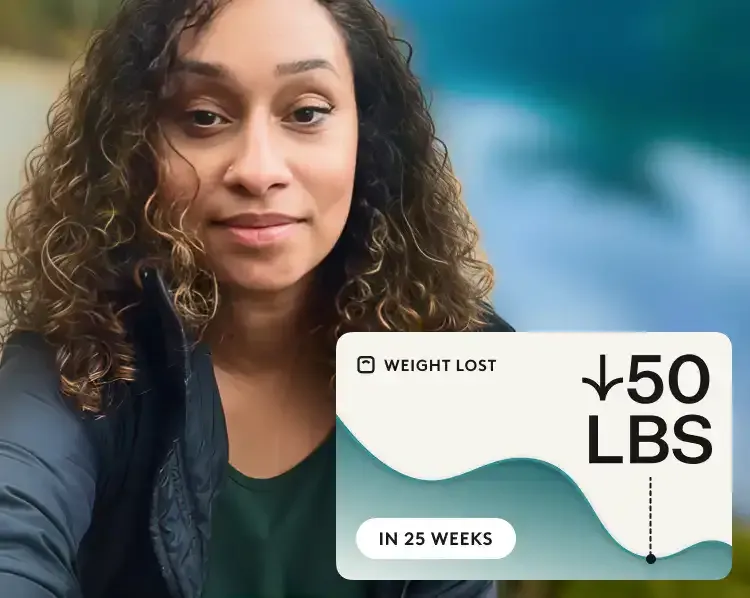
“My favorite parts of Noom are the care team and other Noomers. Sharing and getting help made me feel like I wasn’t doing it alone. That support made all the difference.”
Desirea N. — Real Noom user
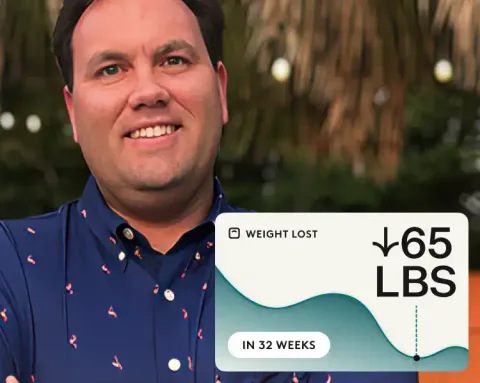
“Noom has taught me that every day is a new chance to make better, healthier choices. It’s taught me how to stop overeating.”
Matthew M. — Real Noom user
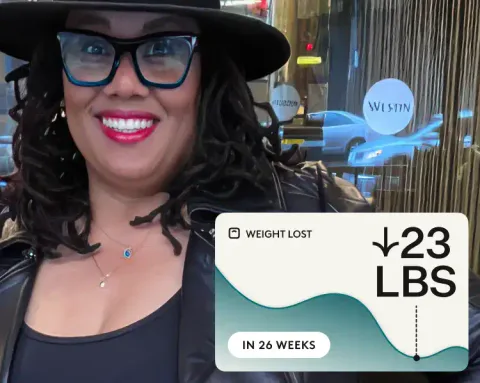
“Clinicians who understand how supportive medication can be is one of the best parts of Noom! I was convinced I wouldn’t have success but I’m down 11 pounds in two months.”
Lila M. — Real Noom user
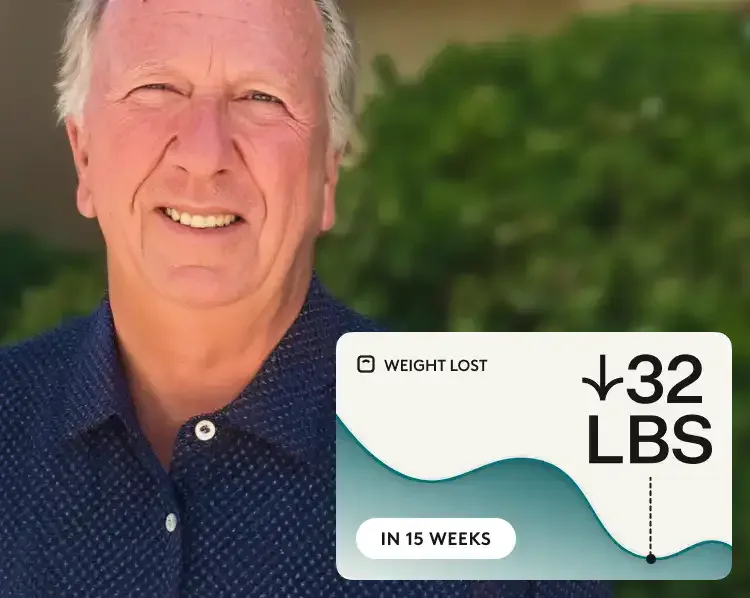
“Noom provided me with the medication which I could not get through Medicare. I have learned the tricks to better eating and life in general.”
Steve M. – Real Noom user
“Noom has changed my life and I’m so thankful, I feel great, have more energy and am no longer prediabetic.”
Daisy R. – Real Noom user
“All of the Noom providers that I’ve met with have been exceptional and prescribed medications that are appropriate for my situation and health.”
Sarah R. – Real Noom user
“Noom made the process so simple and now I feel full, free from diet obsession, and at ease in my body again.”
Madison S. – Real Noom user
“My doctor recommended Noom after I was frustrated trying to lose weight. The lessons helped change my relationship with food. My body feels lighter & energized.”
Sonday K. – Real Noom user
“I built healthy habits with coaching and lessons that make me confident I can maintain my weight loss long term.”
Cam K. – Real Noom user
“With the right medication through Noom, hunger and sugar cravings finally quieted and I have the tools to break the cycle.”
Laura TR. – Real Noom user
“Cravings and food noise are gone, I finally feel confident in the healthy habits I’ve built to last with Noom.”
Jessica S. – Real Noom user
The bottom line: Have a plan in place before stopping metformin
Stopping metformin can bring a lot of changes, from shifts in hunger to changes in blood sugar, if you live with type 2 diabetes. If you’re using it for weight loss support, it’s very common to see some weight come back. This phase is an adjustment, but it’s one you can prepare for.
The habits you build become your safety net. Regular meals, steady movement, prioritizing sleep, and stress management give your body the signals it needs to stay balanced, with or without medication. These routines are powerful tools for anyone coming off metformin.
If you’d like a little help keeping those habits going, Noom offers tools, coaching, and everyday support that fit naturally into your life. It’s a simple way to stay supported while you find your new normal.
Note: Metformin, Ozempic, Mounjaro, and Victoza are not FDA-approved to treat obesity or for weight loss.
Editorial standards
At Noom, we’re committed to providing health information that’s grounded in reliable science and expert review. Our content is created with the support of qualified professionals and based on well-established research from trusted medical and scientific organizations. Learn more about the experts behind our content on our Health Expert Team page.