

What you’ll learn:
- Weight loss on Zepbound® (tirzepatide) often plateaus within about 24 to 36 weeks, depending on your starting BMI.
- Higher doses and certain individual factors, such as age and sex, were linked to delayed plateaus.
- Zepbound® plateaus don’t mean you’ve stopped making progress—habit adjustments and the right support can help.
Weight loss with Zepbound® can be steady, especially in the first few months. The scale moves, your appetite is lower, and it can seem like making healthy food choices is easier. Then one day, weight loss slows down or stops altogether. Even though nothing about your routine has really changed, progress suddenly feels harder to see, which can be frustrating and confusing.
If you’re on Zepbound® and notice that early weight loss is tapering off, you’re likely hitting a Zepbound® plateau. This doesn’t mean you did anything wrong or that the medication stopped working. More often, it’s a sign that your body is settling into a new weight range and adjusting its hunger cues, metabolism, and energy needs to that new weight.
That pattern showed up clearly in the research on tirzepatide, the active ingredient in Zepbound®. In clinical trials, people saw the biggest drops earlier in treatment, losing an average of around 13 to 14% of their body weight first in the 24 weeks, with weight loss naturally slowing later on. By about week 72, nearly 90% of people taking Zepbound® had reached a plateau. Knowing this ahead of time can help you know what to expect. Let’s break down why Zepbound® plateaus happen and discuss some ways to break a plateau.
Why plateaus happen: The science behind a Zepbound® plateau
When weight loss slows on Zepbound®, it’s typically because your body is doing what it’s designed to do: adapt. As you lose weight, your body needs fewer calories to maintain your current size.
Research on tirzepatide shows that this kind of slowdown is common and driven by normal shifts in hormones, energy use, and body composition. Even though the medication continues to help regulate appetite, those behind-the-scenes changes can shrink the calorie gap that once fueled steady weight loss.

The Easy Way
to lose weight and get healthy.

A helpful way to think about it: you are eating in the same manner that brought weight loss initially, but your body now needs less fuel. What you see is a stall in weight loss, even though the medication is still working and health habits are still working.
Here’s what’s typically happening in your body:
- Hunger and fullness signals begin to recalibrate. Your hunger and fullness signals start to recalibrate. As body weight drops, studies show that leptin—the hormone that helps you feel satisfied—tends to decrease, while ghrelin, which plays a role in hunger, can rise. In other words, your body quietly starts nudging appetite back up. Zepbound® helps keep those signals more balanced than they would be on their own. But over time, the brain still does what it’s programmed to do: gently push appetite up and energy use down in an effort to maintain your new, lower weight.
- Your body starts using energy more efficiently. Your body also starts using energy more efficiently. Research shows that changes in energy use can play a big role in weight loss plateaus on tirzepatide. As your body gets smaller, it takes fewer calories to power everyday basics like breathing, walking, and digestion. Scientists call this shift adaptive thermogenesis—a fancy term for a very normal process where your body burns fewer calories at rest after weight loss. It’s not a setback or a sign the medication isn’t working; it’s your body adjusting to its new size.
- Changes in muscle mass can affect how many calories you need. Research shows that weight loss, and rapid weight loss in particular, often includes some loss of lean mass along with fat. Because muscle burns more energy than fat at rest, even small shifts in muscle can slightly lower how many calories your body uses each day.
Zepbound® plateaus: What research shows
Researchers have spent a lot of time looking into weight-loss plateaus with Zepbound® in large clinical trials. Those studies give us a pretty good idea of what’s to be expected, and help explain why weight loss often slows down after a certain point.
Here’s what stood out most:
- Zepbound plateaus were very common over time for everyone. In the trials, weight loss often began to slow within the first several months, with many people reaching a plateau between 24 and 36 weeks, depending in part on their starting BMI. Over the longer term, that slowdown became even more common, and by around 72 weeks, most people had reached a plateau at some point.
- People with lower BMIs plateaued sooner. People who start at a lower BMI often reach a plateau sooner. Research on tirzepatide found that individuals with lower starting BMIs tended to level off earlier, while those with higher BMIs often continued losing weight for several additional months. This comes down to how the body manages energy. When you begin at a lower body weight, your metabolism may already be closer to its “steady state,” meaning there’s less room for a large, sustained calorie deficit. As a result, your body reaches balance sooner—even while healthy changes are still happening.
- Higher doses delayed plateaus. But they did not prevent them.
- Women and younger people plateaued later. Women and younger adults tended to reach plateaus later. In studies of tirzepatide, people who were younger and women, on average, continued losing weight for longer before leveling off compared to older adults and men.
Seeing these patterns in clinical trials helps put a Zepbound® plateau into perspective. Slower progress over time is expected, and when it happens, it can vary based on dose and individual factors.
How to assess whether it’s a true Zepbound® plateau
A true plateau usually doesn’t show up after just a few days of no change on the scale. Weight naturally fluctuates, sometimes as much as 2 to 5 pounds per day, so it helps to look at the pattern over time. One study defined a plateau as a weight change of less than 5% for at least 12 weeks. How long it lasts varies, with some people breaking through right away and others hovering for a few weeks.
Signs of true plateau:
- You’ve been on Zepbound® for a while, and the scale hasn’t moved for several weeks or more, even though you’re still taking your medication as prescribed, eating well, and staying active.
- You’re already at the highest dose of Zepbound®, or your provider has bumped your dose up, and despite that adjustment, your weight has stayed the same for several weeks.
Learn more: How to spot—and break through—a weight loss plateau
How to break a Zepbound® plateau safely
The message to take away here is that plateaus are a common part of long-term weight loss, even with a medication like Zepbound®. When your body pauses to adjust, small, realistic shifts can help restart weight loss without feeling overwhelming. These ideas focus on everyday habits that gently support what the medication is already doing. Research shows that combining these evidence-based approaches can help counter your body’s natural tendency to slow down weight loss over time. These ideas focus on everyday habits that gently support what the medication is already doing.
Reassess your calorie intake and eating patterns
After some weight loss, it’s normal for progress to slow. A smaller body simply needs fewer calories, which can narrow the gap that helped you lose weight at the start. Research shows this adjustment is usually gradual and manageable, not a sign that your metabolism is “broken.”
Here are some eating habit changes that can help:
Access GLP-1 Weight Loss with Noom
Explore a wide range of prescription medications supported by Noom’s program.
Microdose GLP-1rx
Noom GLP-1rx

Noom GLP-1rx Plus
Wegovy®
Ozempic®
Metformin

Zepbound®
Mounjaro®
Liraglutide
- Make protein a priority to protect muscle. Getting enough protein helps preserve lean mass during weight loss—especially when paired with strength training, which research shows is more effective for muscle retention than cardio alone. A commonly used range is about 1.2–1.5 g per kilogram of body weight per day, which comes out to:
- Around 80–100 grams/day for someone near 150 pounds
- Around 110–135 grams/day for someone near 200 pounds
- Use fiber to help with fullness and consistency. Fiber-rich foods can help you feel satisfied and stick with your plan more comfortably. Their biggest benefit is making it easier to eat in a way that supports long-term progress.
- Watch for small shifts that add up. Extra bites, slightly larger portions, or more frequent snacks can quietly close the calorie gap over time—especially as your body size changes. Track what you’re eating to get a clear picture.
- Revisit intake instead of holding it steady forever. Plateaus often reflect updated energy needs. Periodically reassessing what and how much you’re eating can help bring things back into balance.
Most plateaus come down to changing needs, not something going wrong. Small, thoughtful adjustments—rather than drastic cuts—tend to be the most sustainable way forward.
Take a look at how you’re exercising and moving
Research suggests that combining strength training with regular movement helps preserve lean muscle better than cardio alone and may help prevent plateaus.
What that can look like in real life:
- Strength training 2–3 times per week, using body-weight moves, resistance bands, or weights (think squats, lunges, push-ups, rows, and presses).
- Regular moderate movement most days, like walking, cycling, dancing, or swimming—at a pace where you can talk but not sing.
- Short bouts count. Ten-minute walks, movement breaks, or active errands all add up over the week.
You don’t need long workouts or perfect consistency. Starting where you are and building gradually—while mixing strength and movement—is often more effective (and sustainable) than trying to hit a specific number right away.
Weigh yourself regularly—but look beyond the scale
Self-monitoring works best when it’s flexible, not rigid. Weigh yourself as often as feels helpful to you—daily, weekly, or somewhere in between—while remembering that the scale is just one data point.
Questions to track progress beyond weight:
- Energy and stamina: Do you feel more energized during the day or less wiped out by everyday tasks?
- Fitness gains: Are you getting stronger, walking farther, or recovering more quickly after workouts?
- Clothing fit and body composition: Do your clothes feel more comfortable or fit differently than before?
- Sleep quality: Are you falling asleep more easily or waking up feeling more rested?
- Joint comfort and mobility: Is movement feeling easier or less uncomfortable?
- Health markers: Have any lab numbers—like blood sugar, cholesterol, or blood pressure—improved?
These questions help capture progress that the scale can’t always show and can make plateaus feel more manageable.
Learn more: Here’s why you’re not losing weight (and what to do instead)
Breaking a Zepbound plateau: Exploring a dose adjustment
Beyond lifestyle changes, it is also important to consider whether a dose change could help to restart your weight loss. Zepbound® dosing is meant to be adjusted slowly over time, and finding the right dose often involves checking in with how your body has been responding to the medication. If you’re struggling to break out of a Zepbound® plateau, talk to your doctor to see if increasing your dose could help.
When deciding whether a dose change makes sense, your clinician may consider:
- How long you’ve been on your current dose: If you’ve stayed at the same dose for a while and your weight has leveled off, moving up may help support appetite regulation again.
- How you handled earlier dose increases: If side effects from past adjustments have settled, your provider may feel more confident about increasing the dose.
- Changes in hunger or appetite signals: Noticing hunger coming back between meals can sometimes be a sign that extra medication support could help.
- Weight changes over multiple weeks: Providers typically assess progress over several weeks to understand whether a dose adjustment could be helpful.
Zepbound® is approved at doses up to 15 mg once a week. If you’re already at that highest dose and your weight has stayed the same for a while, your provider may talk with you about next steps. That could include adjusting your overall plan or discussing whether a different medication might be a better fit.
Note: Never change your Zepbound® dose on your own—any adjustments should be made under the guidance of a healthcare provider.
Learn more: Zepbound® dosage guide: How to find the right dose for weight loss
Medication alternatives when a Zepbound® plateau won’t break
If you’ve already tried adjusting daily habits and reviewing your Zepbound® dose, and the scale has stayed steady for a while, it may be time to look at other options. Medication changes aren’t always necessary, but for some people, they can help provide a different kind of support when progress stalls.
While there aren’t many drugs currently on the market that can top Zepbound®’s results, there are a few medications that are currently in trials that could be good alternatives. Here’s a look at some of the most promising new medications that are still in development:
Noom’s Most Powerful Program
A dual-pathway GLP-1 and behavior change for lasting results.

Retatrutide
Retatrutide is an injectable medication being tested that targets three hormone pathways (GLP-1, GIP, and glucagon) instead of the two targeted by Zepbound®, which may help it impact appetite, fullness, and energy use more strongly. In early clinical trials, people taking the highest weekly doses lost an average of about 24% of their body weight over roughly a year which is higher than the average 21% seen with Zepbound®. Retatrutide isn’t FDA-approved yet, but if it is, it could become a potent option for people who feel stalled on current medications
Amycretin
Amycretin works through a different hormone pathway—amylin, which slows digestion and helps signal fullness after eating—rather than the GLP-1/GIP pathways targeted by Zepbound®. Because it acts on a distinct appetite mechanism, researchers are studying it both as an alternative to, and a potential complement with, GLP-1-based treatments. In early clinical trials, people taking amycretin lost about 15% of their body weight over roughly 36 weeks, which is in a similar range to many existing medications. Its unique mechanism may make it a useful option for people struggling with appetite or plateaus on their current medication.
Orforglipron
Orforglipron is a pill rather than an injection. It works on the GLP-1 pathway to reduce appetite and help control blood sugar, but it’s designed to be taken daily by mouth. In trials, people taking orforglipron (36 mg) lost an average of about 12% of their body weight over 72 weeks, which is less than Zepbound®’s average but still meaningful. Its convenience and tolerability may make it attractive for people who have struggled with weekly injections or side effects from other GLP-1 drugs.
If Zepbound® has helped but you’ve hit a plateau—or you’re looking ahead at what else might be available—it’s encouraging to know there are options in the pipeline that work in new and different ways. From broader hormone coverage with retatrutide, to targeting entirely new hunger signals with amycretin, to the convenience of a daily pill like orforglipron, future treatments may offer more personalized paths forward.
Frequently asked questions about Zepbound® plateaus
If you’re currently experiencing a weight loss plateau with Zepbound®, it’s normal to have questions about what it means and what to do next. The answers below help put those changes into context so you can better understand what’s happening and have more informed conversations with your care team.
Do plateaus mean Zepbound® stopped working?
No, plateaus don’t mean Zepbound® has stopped working and are actually a normal part of the weight loss process. Research shows that weight loss on tirzepatide often slows earlier in treatment, commonly within the first 24 to 36 weeks, and that most people reach a plateau at some point by around 72 weeks. The medication continues to help maintain your current weight and provide health benefits even during plateaus.
Does increasing the Zepbound® dose always break a plateau?
Increasing your Zepbound® dose isn’t a surefire way to break a plateau, but it can help some people. Higher doses (10-15 mg) were associated with longer times to plateau in studies. Your doctor can help determine if a dose increase makes sense based on your response and tolerance to the medication.
Learn more: Zepbound® dosage guide: How to find the right dose for weight loss
How long do Zepbound® plateaus usually last before weight loss starts again?
Plateau duration varies widely between individuals. For some people, a plateau can be a brief pause of a few weeks, while for others it can last longer. Some studies define a plateau as weight loss of less than 5% over 12 weeks or longer. How your body responds, where you started, and what support you have in place all influence when progress may pick back up.
Learn more: How to spot—and break through—a weight loss plateau
What’s the difference between a plateau and the medication not working?
A plateau means your weight is staying steady after the loss you’ve already achieved. In studies, this looks like a period of weight loss followed by a period where weight stays more or less the same. The medication not working would look more like not losing weight at all or regaining a significant amount. If you’re unsure which one you’re experiencing, a healthcare provider can help review your weight pattern and decide what adjustments, if any, make sense.
Can you build a tolerance to tirzepatide?
No, there’s currently no research showing that tirzepatide loses its effectiveness due to “building tolerance”. A slowdown in weight loss is more often tied to your body’s normal biological adaptation as it adjusts to a lower weight. Even during a plateau, the medication is still doing its job in the background.
Reviews from real Noom users
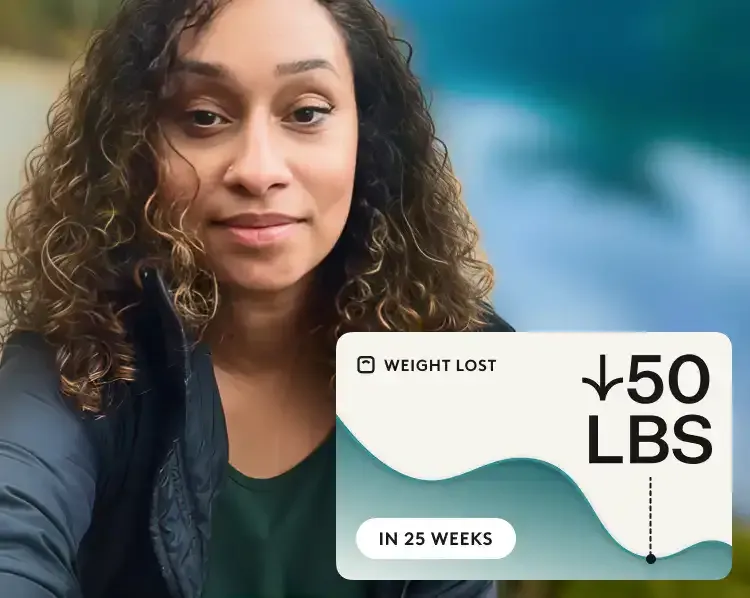
“My favorite parts of Noom are the care team and other Noomers. Sharing and getting help made me feel like I wasn’t doing it alone. That support made all the difference.”
Desirea N. — Real Noom user
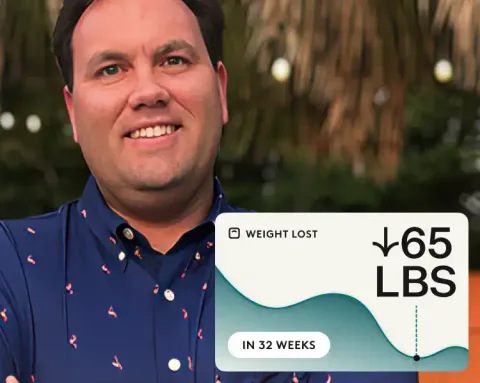
“Noom has taught me that every day is a new chance to make better, healthier choices. It’s taught me how to stop overeating.”
Matthew M. — Real Noom user
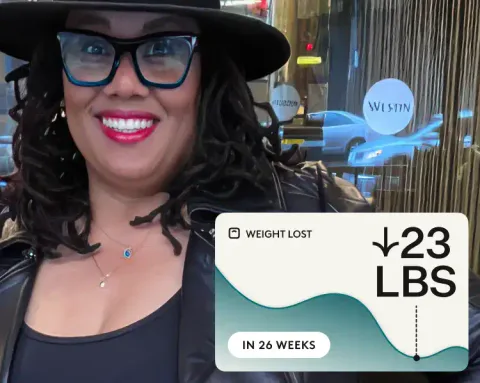
“Clinicians who understand how supportive medication can be is one of the best parts of Noom! I was convinced I wouldn’t have success but I’m down 11 pounds in two months.”
Lila M. — Real Noom user
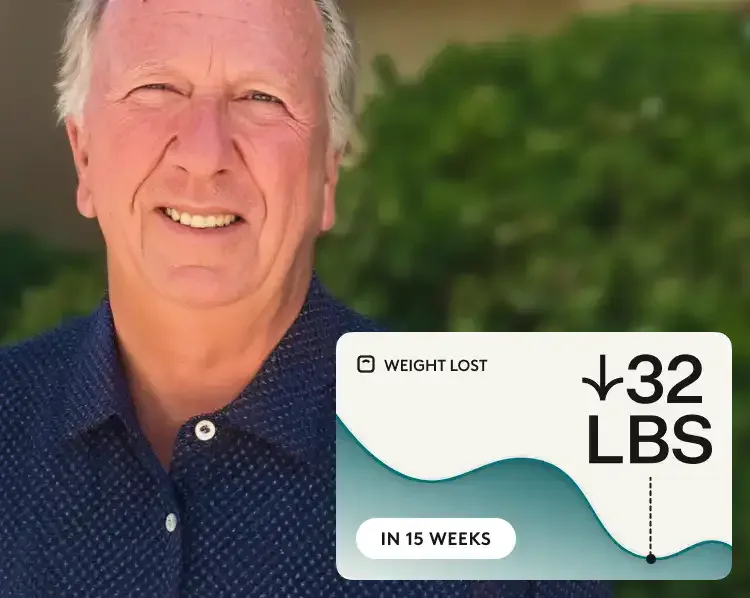
“Noom provided me with the medication which I could not get through Medicare. I have learned the tricks to better eating and life in general.”
Steve M. – Real Noom user
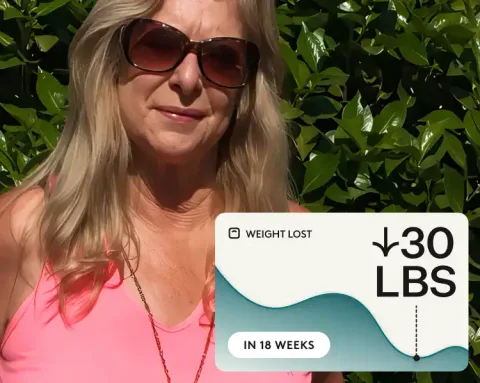
“Noom has changed my life and I’m so thankful, I feel great, have more energy and am no longer prediabetic.”
Daisy R. – Real Noom user
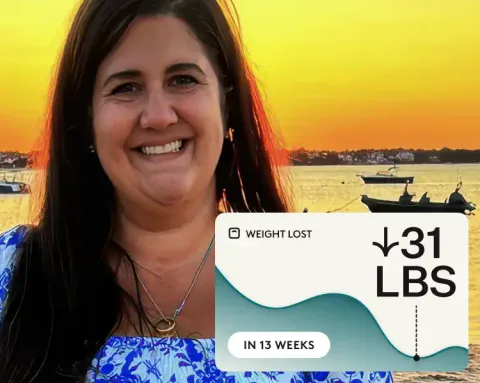
“All of the Noom providers that I’ve met with have been exceptional and prescribed medications that are appropriate for my situation and health.”
Sarah R. – Real Noom user
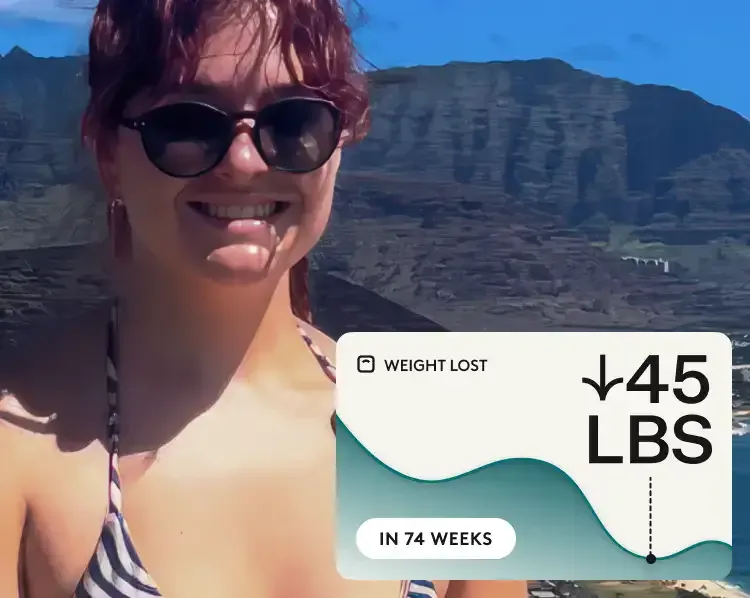
“Noom made the process so simple and now I feel full, free from diet obsession, and at ease in my body again.”
Madison S. – Real Noom user
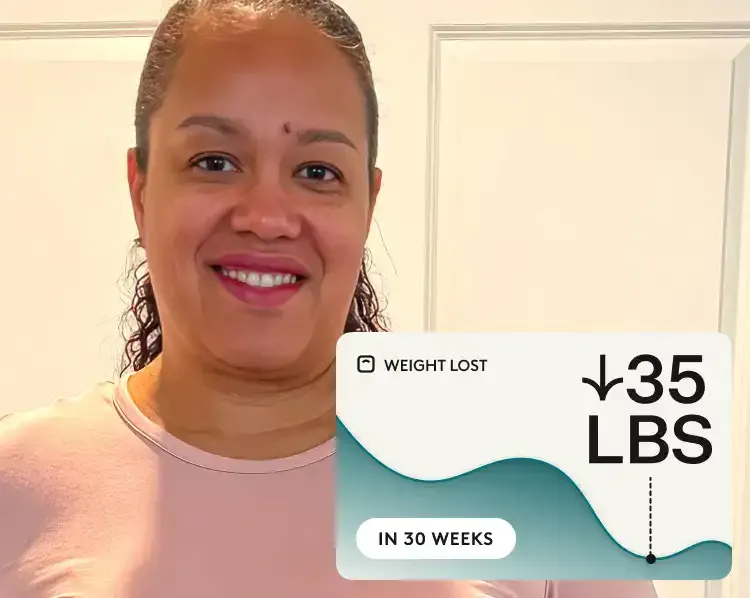
“My doctor recommended Noom after I was frustrated trying to lose weight. The lessons helped change my relationship with food. My body feels lighter & energized.”
Sonday K. – Real Noom user
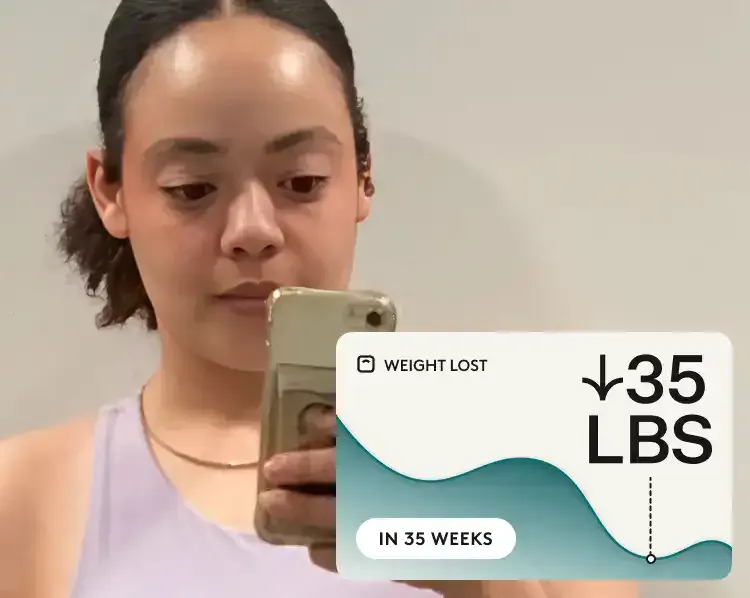
“I built healthy habits with coaching and lessons that make me confident I can maintain my weight loss long term.”
Cam K. – Real Noom user
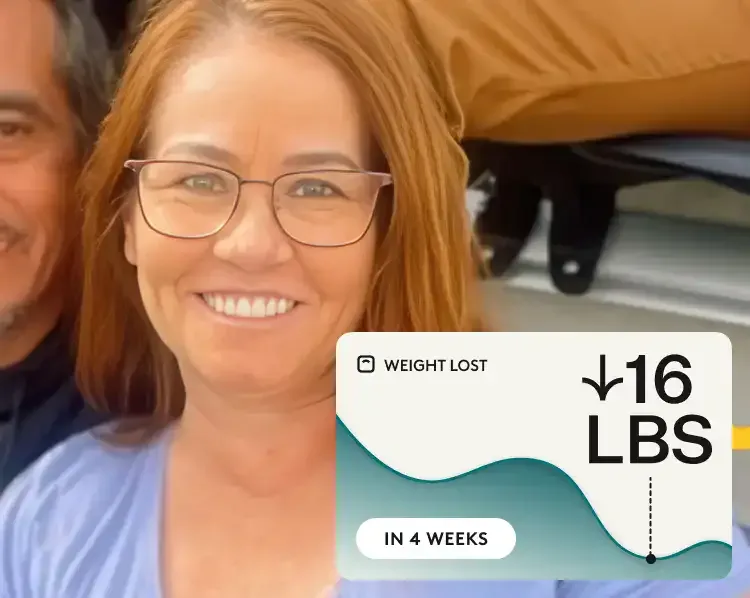
“With the right medication through Noom, hunger and sugar cravings finally quieted and I have the tools to break the cycle.”
Laura TR. – Real Noom user
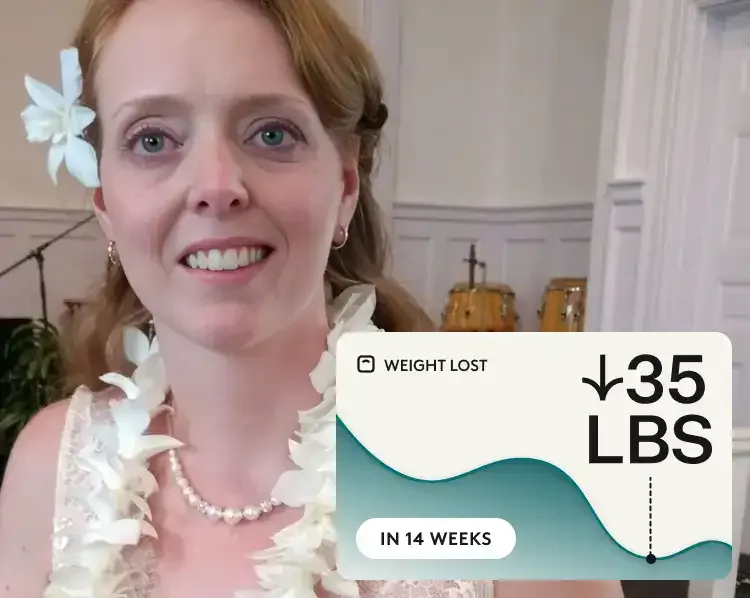
“Cravings and food noise are gone, I finally feel confident in the healthy habits I’ve built to last with Noom.”
Jessica S. – Real Noom user
The bottom line: Zepbound® plateaus are common and manageable
A Zepbound® plateau can feel frustrating, but it’s a normal part of how the body adjusts during long-term weight loss. As your weight changes, hunger signals, energy needs, and metabolism shift too, which can slow progress even when you’re staying consistent.
What matters most during a plateau is how you respond to it. Small, realistic adjustments to meals, movement, sleep, and stress can help support your body as it adapts. Sometimes a plateau is simply a pause. Other times, it’s a sign that your routine or medication plan needs a closer look.
If you want structured support as you sort through your options, see if you qualify for Noom Med. The program helps you navigate the next steps in coordination with any prescribed medication. You’ll work with a clinician who can help guide medication choices, prescribe them if needed, and get coaching and tools that make long-term progress easier to understand and maintain.
Editorial standards
At Noom, we’re committed to providing health information that’s grounded in reliable science and expert review. Our content is created with the support of qualified professionals and based on well-established research from trusted medical and scientific organizations. Learn more about the experts behind our content on our Health Expert Team page.