

What you’ll learn:
- Research shows that weight regain after stopping GLP-1 medications is common but manageable.
- Gradually tapering medication or staying on a lower maintenance dose can help reduce the risk of rapid rebound weight gain.
- Developing sustainable lifestyle strategies before stopping a GLP-1 helps protect long-term progress.
People stop taking GLP-1 medications for many reasons. For some, reaching—or getting close to—a goal weight can prompt the question of whether it’s time to stop. Others consider stopping if insurance coverage changes, costs increase, or side effects begin to interfere with day-to-day life. Health priorities can also shift, including plans for pregnancy. Whatever the reason, deciding to stop a GLP-1 can feel like a big step.
If you’re taking a GLP-1, it’s natural to wonder how stopping might affect your weight-loss progress. Research shows that weight regain is common after discontinuing these medications. And if you’re using a GLP-1 to help manage other conditions, stopping may also influence things like blood sugar control or cardiovascular risk.
Stopping a GLP-1 can also bring back cravings or change how food feels to you. That shift can be unsettling, especially as your hormones and metabolism adjust. But weight regain isn’t inevitable—and there are strategies that can help reduce or even prevent it.
Let’s look at the science behind weight regain after stopping a GLP-1 and what can help you transition smoothly.
What are GLP-1s and how are they used?
GLP-1 medications work by mimicking a natural gut hormone called glucagon-like peptide-1 (GLP-1 for short). This hormone helps regulate appetite, blood sugar, and the pace at which your stomach empties—all of which influence how hungry you feel.

The Easy Way
to lose weight and get healthy.
Several medications fall under the GLP-1 umbrella, and each works a little differently. These are the three main active ingredients that are used in medications approved for weight loss, diabetes management, and other health purposes. Let’s take a look at them:
Semagltuide
Semaglutide works by mimicking GLP-1. It’s well studied, highly effective for both improving blood sugar and supporting significant weight loss, and is available as:
Learn more: What is semaglutide? Exploring the weight loss benefits, side effects, and cost
Tirzepatide
Tirzepatide is a dual-hormone medication. It acts on GLP-1 plus GIP, another gut hormone involved in insulin release and appetite regulation. This dual action is one reason people often report stronger appetite suppression and, in clinical trials, greater weight loss compared with semaglutide. It’s available as:
Learn more: Tirzepatide for weight loss: How it works and what to expect
Liraglutide
Liraglutide is a daily injectable GLP-1. It’s been available the longest, and while it can be effective, its once-daily dosing and typically slower rate of weight loss make it a different fit than weekly medications like semaglutide or tirzepatide. Here are the medications that have liraglutide:
Learn more: Liraglutide for weight loss: What to expect
Across all of these medications, the benefits come from the same core mechanisms: reduced appetite, improved fullness after meals, and steadier blood sugar, which lead to a shift toward more mindful, consistent eating patterns.
Understanding the differences among GLP-1s makes it easier to anticipate what may happen when you stop them. Each of these medications changes how your hunger hormones behave, so when you discontinue treatment, those hormones gradually return to their baseline. That’s why planning ahead with supportive nutrition, activity, and behavioral strategies matters so much as you start transitioning off therapy.
Why you might regain weight after stopping a GLP-1
When you stop taking a GLP-1 medication, its effects slowly fade. As your natural appetite comes back, your digestion returns to a regular pace again, and your blood sugar can fluctuate.
Access GLP-1 Weight Loss with Noom
Explore a wide range of prescription medications supported by Noom’s program.
Microdose GLP-1rx
Noom GLP-1rx
Noom GLP-1rx Plus
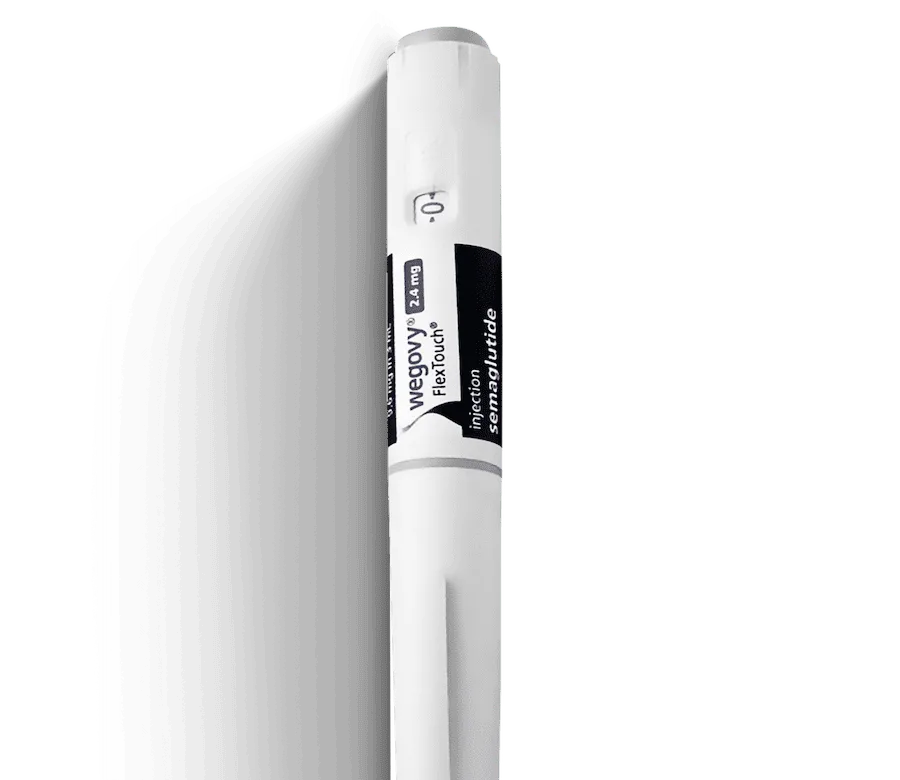
Wegovy®
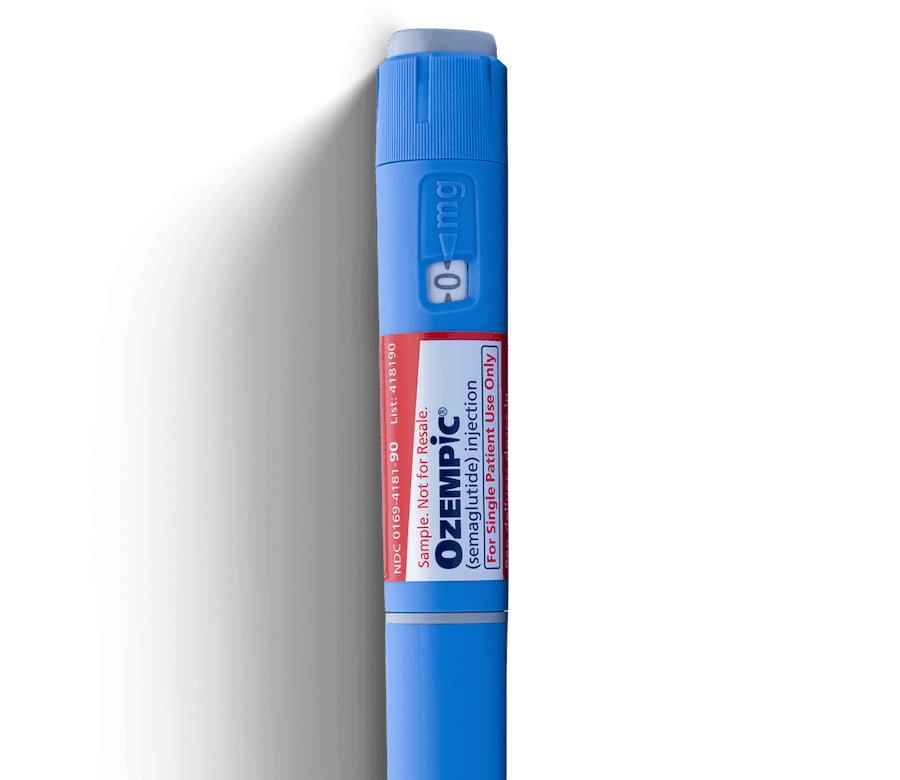
Ozempic®
Metformin
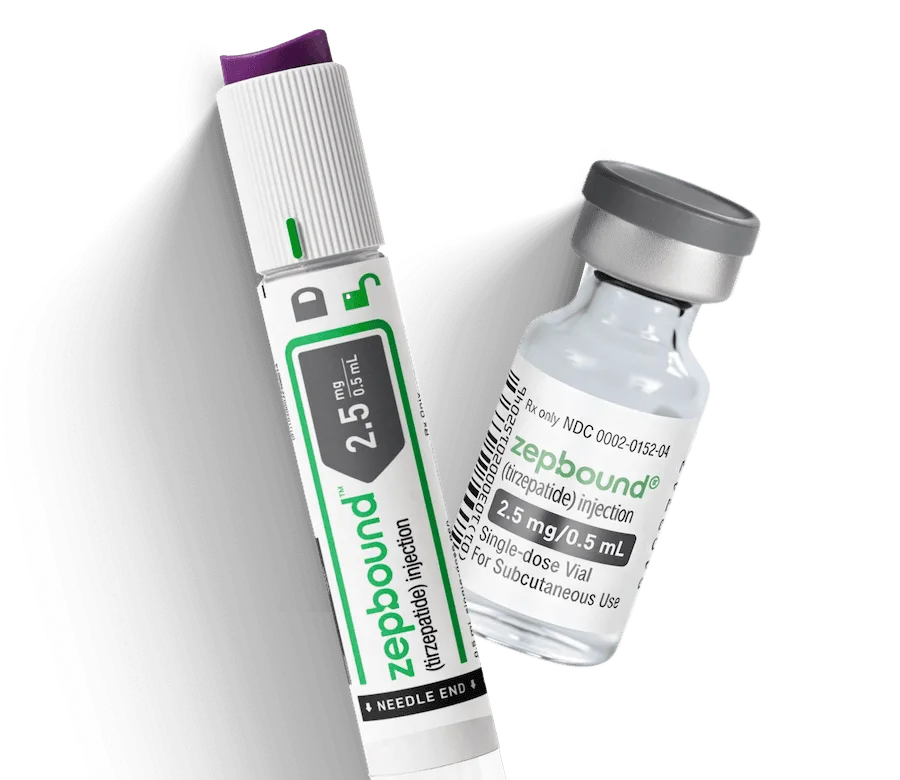
Zepbound®
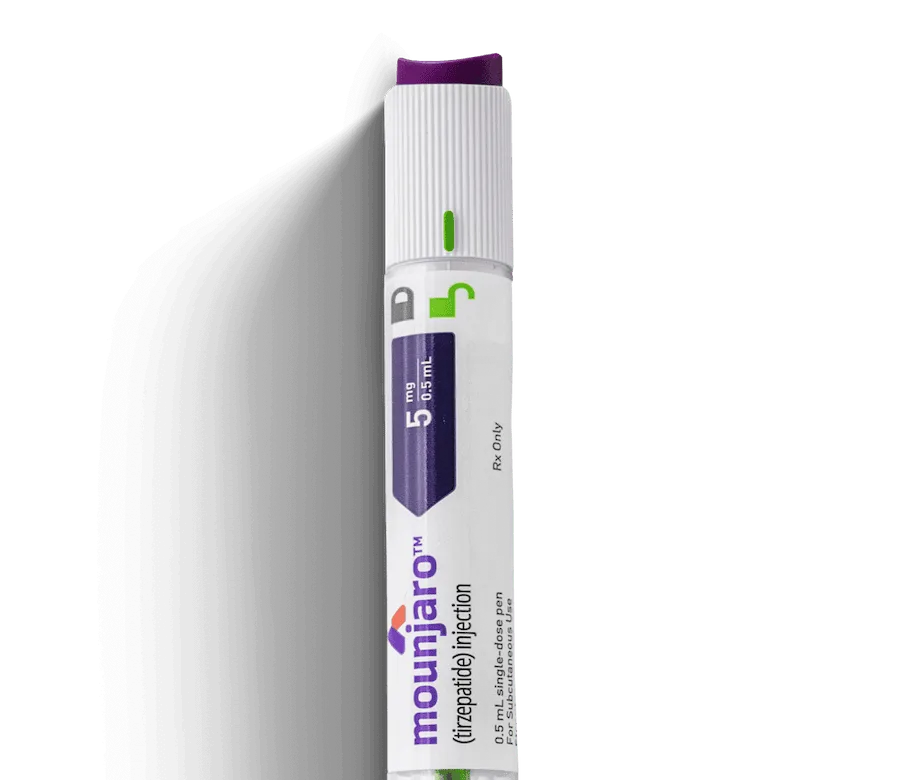
Mounjaro®
Liraglutide
As your body adjusts, it’s common for some weight to return. In a 2025 review, people who had been taking semaglutide or tirzepatide regained an average of 53 to 64% of the weight they lost during treatment after about a year.
Here’s what makes weight regain more likely after stopping a GLP-1:
- Your hunger hormones rebalance. Once you stop treatment, the hormones that help regulate appetite start returning to their usual pattern. Research shows that ghrelin can rise and leptin can fall, which may make hunger show up sooner than it did before.
- Fullness doesn’t last as long. GLP-1 medications slow how quickly your stomach empties. Without that support, food moves through more quickly, so meals may not feel as filling or satisfying.
- Cravings may feel stronger. The reward pathways in your brain that felt quieter on medication return to their regular pace, which can make cravings or food noise more noticeable again.
- Your metabolism may run slightly slower. Any weight loss can reduce the number of calories your body burns at rest, making it easier to regain weight. Rapid weight loss also increases the potential of muscle loss, which can lower your metabolism.
- Old triggers can resurface. The habits, cues, or emotional patterns that felt easier to manage on medication may show up again once that buffer is gone.
Does it matter which GLP-1 medication you were taking?
Studies show weight regain is very common after stopping GLP-1s, regardless of which GLP-1 medication was used.
In one large study, people who discontinued semaglutide (found in Wegovy and Ozempic) regained about two-thirds of their weight loss within one year after stopping the drug.
A different analysis that included people stopping various weight-loss medications (including liraglutide, semaglutide, tirzepatide) found that, regardless of the medication, people tend to start regaining weight around 8 weeks after stopping. It was also common to continue regaining for months afterward.
In real-world settings, about 65% of people who discontinued a GLP-1 medication (semaglutide or liraglutide in this case) gained weight after stopping treatment.
Will I definitely regain weight after stopping a GLP-1?
Although it’s common to regain some weight, don’t panic; there are some things you can do to help prevent it when stopping your medication. We’ll go into these more in-depth later, but these three things appeared to help:
- Exercise: Studies show that getting regular exercise can help keep the weight off a year after stopping.
- Tapering off medication: Research also shows that tapering off a GLP-1 medication, rather than stopping abruptly, can help with maintaining weight loss for at least 6 months.
- Using a maintenance dose: For some people, reducing to a lower maintenance dose indefinitely or switching to a different medication can provide the extra support needed to maintain their progress long term.
Understanding these changes ahead of time can make the transition feel more manageable and help you prepare for the next steps.
Reason for stopping GLP-1s and what that means for controlling weight after
People stop GLP-1 medications for many different reasons, and knowing your reason helps you plan what comes next with more clarity. Each situation affects appetite, metabolism, and weight stability in a slightly different way, so having the right next step in place makes a big difference.
If you’re stopping a GLP-1 because of cost
GLP-1 medications can be expensive, and insurance coverage is rare for weight loss purposes. For many people, cost becomes one of the main reasons for pausing treatment.
What can you do? Be sure to take a look at what the current prices and discounts are, because they do change frequently.
Here’s a look at the main GLP-1 medications approved for weight loss and what they cost:
| Medication | Monthly cost (approximate) |
|---|---|
| Wegovy® (semaglutide) | Injectable: $1,350 per month (retail) NovoCare Pharmacy: $199 for the first two months (0.25 and 0.5 mg)$349 per month thereafter for all doses Pill: $149-$299 per month (self-pay, depending on dose) |
| Zepbound® (tirzeatide) | Pens: $1,080 per month (retail) Vials: Through LillyDirect $299 (2.5 mg) $399 (5 mg) $449 for all other doses (7.5, 10, 12.5, and 15 mg) |
| Saxenda® (liralglutide) | $1,350 per month |
| Generic liraglutide | 5-pen package: $370-$1,650 (depending on pharmacy and dosage) |
If you’re stopping because of side effects
Studies show that gastrointestinal issues like nausea and vomiting are one of the top reasons people stop. But some people have fewer side effects with tirzepatide (Zepbound®) than with semaglutide (Wegovy®).
Research shows that the medications shared the same side effects overall, but people taking Zepbound® reported lower rates of vomiting, constipation, and reflux (GERD). Ultimately, which medication is best will depend on how your body responds and what side effects you experience.
Talk to your provider about adjusting your dose, slowing your titration schedule, or helping you switch medications.
The Easy Way
to lose weight and get healthy.
Read more: Tirzepatide vs. semaglutide: Understanding and comparing side effects
If you’re stopping because you reached your goal weight
When you’ve reached your projected goal weight, it’s normal to wonder how you might do without GLP-1 medication. You might feel ready to try maintaining your weight on your own, especially if your habits feel stronger and more consistent. The challenge is that stopping suddenly can make hunger, fullness, and digestion shift faster than expected.
Here’s the most important tip: Don’t stop on your own.
Always talk with your provider first so you can map out a safe and sustainable plan. They may recommend staying on a maintenance dose for a little while or tapering off slowly instead of stopping all at once.
If you’re stopping because your weight loss has plateaued
Plateaus are common with GLP-1 medications. As your body changes, your energy needs shift, and progress slows. This doesn’t mean the medication stopped working; it’s often a sign your metabolism has adjusted, or muscle mass has dipped slightly.
What’s the next step: Before switching medications, your provider may look at your protein intake, strength-training routine, daily movement, sleep quality, and stress levels—all major drivers of weight loss plateaus. If lifestyle adjustments don’t help, dose changes or transitioning between Wegovy®, Zepbound®, and Saxenda® may support further progress.
If you’re stopping because you’re planning to get pregnant
Wegovy®, Zepbound®, and Saxenda® are not recommended during pregnancy or while trying to conceive. Because these medications stay in the body for varying amounts of time, stopping before you start trying to conceive is important.
Animal research has shown issues like reduced fetal growth and developmental changes when GLP-1 medications were used during pregnancy, which is why experts advise using reliable contraception while on treatment and stopping early when planning for pregnancy.
The next step: Most clinicians recommend stopping GLP-1 medications two months before trying to get pregnant. This timing allows the medication to fully clear from your system before conception.
If you’re stopping because you’re switching to another medication
Sometimes a different GLP-1 medication is simply a better fit. Again, people switch for many reasons: fewer side effects, a dosing schedule that feels easier, or insurance that covers one option but not another. Whatever your situation, transitioning between GLP-1s is common, and it can be done smoothly with the right guidance.
The next step: Your provider will guide you through a safe switch from one GLP-1 to another. This usually includes:
- Looking at how you responded to your current medication to choose the right starting dose for the new one.
- Following the new medication’s titration schedule, often starting low to keep side effects manageable.
- Reviewing what to expect in the first few weeks, especially around appetite and digestion.
- Checking in after the switch to confirm the new dose is working well and adjusting if needed.
If you’re comparing your options, these guides can help:
Are you ready to stop taking a GLP-1? Here’s what to ask yourself
Before you decide to stop a GLP-1 medication, it helps to pause and make sure you are ready for the transition. Many people discontinue these medications within the first year, and those who plan ahead usually maintain their progress more effectively.
Here’s a simple readiness checklist to guide your decision:
- Look at where you are in your weight loss journey: A higher BMI or metabolic conditions like diabetes can increase the chances of faster weight regain. Understanding your starting point helps you plan better.
- Assess the strength of your habits: If you haven’t already integrated balanced meals, portion control, regular movement, and good stress and sleep habits, you may need more time.
- Think about your support system: Do you have a healthcare provider who can help you taper, monitor changes, and guide you through the adjustment period? Do you have an app to track your meals and exercise? Having support makes the process smoother.
- Consider your timing: Stopping during a stressful period, a busy season at work, or the holidays can make the transition more challenging. Choosing a time when you know you can focus on positive habit change.
- Be clear about your reason for stopping: Are you stopping because you reached your goals and feel prepared, or because of side effects that may still be manageable with a dose or medication change?
Don’t stop GLP-1 medications without consulting your healthcare provider first. If you’re not ready on multiple points above, that’s fine. It may mean you need more time to build your foundation before you can make a safe transition off your medication.
How to taper off a GLP-1 medication safely
If you’ve been using a GLP-1 medication like Wegovy®, Zepbound®, or Saxenda® for weight loss, it’s important to have a plan before you stop. These medications change how your body handles hunger, digestion, and fullness, so coming off them too quickly can be a big shift. A gradual taper gives your body time to adjust and makes it easier to keep the progress you’ve already worked hard for. Studies show that tapering off slowly allowed people to maintain their weight loss for the first 26 weeks after stopping.
Below is a simple guide to what tapering usually looks like. Your clinician will handle the exact timing, but this can help you understand what to expect.
1. Start by talking with your clinician
Before you make any changes, have a check-in with your provider. They’ll look at your health history, how long you’ve been on the medication, and why you’re stopping, then help you map out a taper that fits your situation.
Why this matters: Stopping a GLP-1 suddenly can bring back hunger quickly, and if you have diabetes or insulin resistance, it can also affect blood sugar. A personalized plan keeps things stable and predictable.
2. Lower your dose slowly
Most people taper by stepping down to smaller doses over a few weeks or months. Your provider may keep you at each lower dose for a short time to see how your body responds before moving to the next step.
Why this matters: Slow changes give your hunger hormones time to readjust. It helps prevent sudden cravings or that “constant hunger” feeling some people get when stopping too fast.
3. Pay attention to how you’re feeling
As you taper, notice what changes. Are you hungrier? Fuller less often? More tired? Is your digestion shifting? Tracking even small changes can help you and your clinician adjust the plan if needed.
Why this matters: Catching patterns early lets your clinician slow things down, tweak your dose, or give extra support. It keeps the process comfortable and helps prevent rapid regain.
4. Lean on the habits that support your progress
During this phase, consistent habits matter even more. Aim for balanced meals with plenty of protein and fiber, regular movement, a bit of strength training, good sleep, and stress management. If you already use coaching or built-in tracking tools, this is a great time to rely on them.
Why this matters: As the medication fades, your habits take over. Strong routines help steady your appetite and metabolism and make it easier to maintain your results long term.
Stopping a GLP-1: When a maintenance dose or other medications are needed
When you come off a GLP-1 medication, your body shifts back to relying on its natural appetite signals, which can feel like a big adjustment after being on a GLP-1. For some, a lower maintenance dose can keep weight steady. Others move to another medication that might be more affordable or have lower side effects.
When should I use a maintenance dose?
Working with your healthcare provider to determine a lower dose that allows you to keep the weight off could be an alternative to stopping altogether. Your exact maintenance dose will be different depending on the active ingredient.
Other medication options
Other medications can also help with appetite or weight management when stopping a GLP-1. Talk with your clinician about which alternatives make sense for your body and goals.
| Medication | Brand names | Cost per month (without insurance) | Effectiveness | How it’s taken |
|---|---|---|---|---|
| Metformin (off-label weight loss) | Glucophage®, Fortamet®, Glumetza® | Generic: $4–$20 Brand name: $100–$500+ Learn more. | People lost an average of about 6% of their body weight over six months while taking metformin. | Pill taken up to two times daily |
| Phentermine | Lomaira®, Adipex-P® | $27-$100 Learn more. | About 80% of people with a BMI of 30 or more lost at least 5% of their body weight in 6 months. | Daily pill |
| Diethylpropion | Tenuate®, Tenuate Dospan® | $40-$85 | People lost an average of 10% of their body weight in 6 months. | Pill taken one to three times daily |
| Naltrexone and bupropion | Contrave® | $600-$800 CurAccess™: $99 | People lost an average of 5 to 10% of their body weight in a year. | Pill taken up to twice daily |
| Orlistat | Xenical®, Alli® | $50-$800 | People in a study lost about 10% of body weight after taking Orlistat for 1 year. | Pill taken three times daily with meals. |
| Phentermine and topiramate ER | Qsymia® | $180–$260 | People lost an average of 10% of their body weight in 56 weeks. | Daily capsule |
How to keep the weight off after GLP-1 medications: Lifestyle changes
When you stop a GLP-1 medication, your appetite hormones begin shifting back toward their natural baseline. Hunger can feel stronger again, and cravings may return faster than expected.
What makes the biggest difference at this stage isn’t the medication. It’s the habits you’ve built while taking it. Strengthening these habits early helps your body stay steady once the medication tapers out of your system.
1. Nutrition: Build meals that keep you satisfied
Prioritize foods that help you feel full, steady your blood sugar, and prevent big swings in appetite. Here’s what helps most:
- Protein at every meal and snack. It supports lean muscle and keeps hunger manageable.
- Plenty of fiber. Vegetables, fruits, and high fiber carbs slow digestion and help keep blood sugar steady.
- High-volume, lower-calorie foods. Soups, salads, and fruit can fill your plate without overwhelming your hunger cues as they return.
Noom’s color-based food system is a helpful guide.
2. Exercise: Keep your metabolism strong
It’s common to lose some muscle along with fat after you’ve lost a lot of weight. Rebuilding that muscle becomes one of the most effective ways to support your metabolism as your appetite returns.
Try to include:
- Strength training 2–3 times a week to maintain and rebuild lean mass.
- Around 150 minutes of moderate activity weekly—walking, cycling, swimming, anything you enjoy and can keep up with.
- Short, efficient options like intervals, hill walks, HIIT, or resistance circuits if you’re busy. These improve insulin sensitivity and help stabilize appetite.
Learn more: The 18 best exercises to lose weight (and keep it off)
3. Improve your sleep and manage stress
Good metabolic health is about more than food and exercise. These daily habits make a big difference:
- Sleep: Aim for 7 to 9 hours to keep hunger hormones in balance.
- Stress: Stress can boost cravings, so practices like deep breathing or journaling sessions can help.
- Routine: Eating and sleeping on a predictable schedule supports your circadian rhythm and keeps your energy more stable.
Frequently asked questions about stopping a GLP-1
People have many questions when considering stopping their GLP-1 medication—and plenty of conflicting advice circulating online. Here are evidence-based answers to the most common concerns that can help you make informed decisions with your healthcare team.
Do I need to take a GLP-1 medication forever?
Not necessarily, but many people benefit from long-term use. Research shows that about 54% of people discontinue within a year for various reasons, like cost or side effects. Whether you stay on depends on your health goals, response to treatment, and ability to maintain weight through other strategies.
Is there a withdrawal syndrome when stopping GLP-1?
There aren’t any physical dangers to stopping a GLP-1, but you may have some challenges. You’ll likely notice increased hunger within a week as the appetite-suppressing effects wear off. Clinical studies show these changes are normal biological responses, not withdrawal symptoms requiring medical intervention.
Can you stop a GLP-1 cold turkey?
Given these adjustment effects, stopping abruptly isn’t recommended. Stopping suddenly can trigger rapid appetite changes and blood sugar fluctuations, especially if you have diabetes. A gradual taper under medical supervision helps your body adjust more smoothly. Recent research suggests tapering over several weeks, combined with lifestyle support may help prevent weight regain.
Why do people regain weight after stopping GLP-1?
When you stop taking a GLP-1, your appetite hormones and digestion return to what they were before as the medication leaves your system. Studies show people typically regain about two-thirds of their lost weight within a year of stopping. This happens because GLP-1 medications work on parts of your brain that manage hunger—when that support is removed, your natural appetite often returns stronger than before.
What’s the best time to restart if I regain weight?
Understanding weight regain patterns helps with restart timing. There’s no perfect moment, and it’s best to consult your doctor about the best course of action. Your doctor will typically start you at a lower dose and gradually increase it. The key is having a plan in place before stopping—whether that’s restarting medication, trying alternatives, or changing your habits to catch regain early.
Reviews from real Noom users
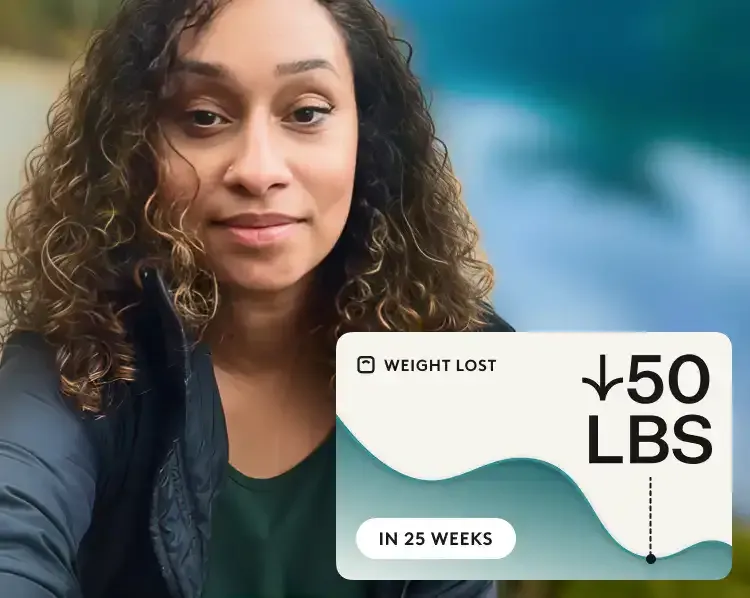
“My favorite parts of Noom are the care team and other Noomers. Sharing and getting help made me feel like I wasn’t doing it alone. That support made all the difference.”
Desirea N. — Real Noom user
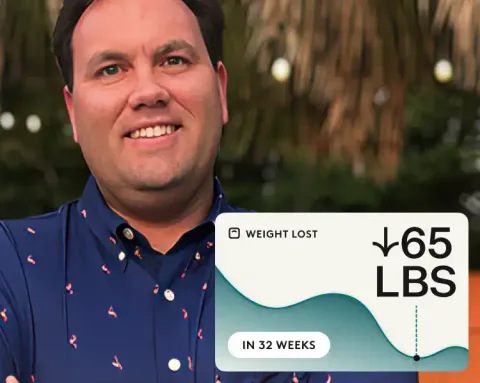
“Noom has taught me that every day is a new chance to make better, healthier choices. It’s taught me how to stop overeating.”
Matthew M. — Real Noom user
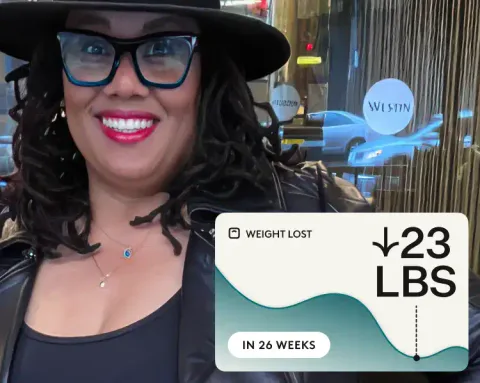
“Clinicians who understand how supportive medication can be is one of the best parts of Noom! I was convinced I wouldn’t have success but I’m down 11 pounds in two months.”
Lila M. — Real Noom user
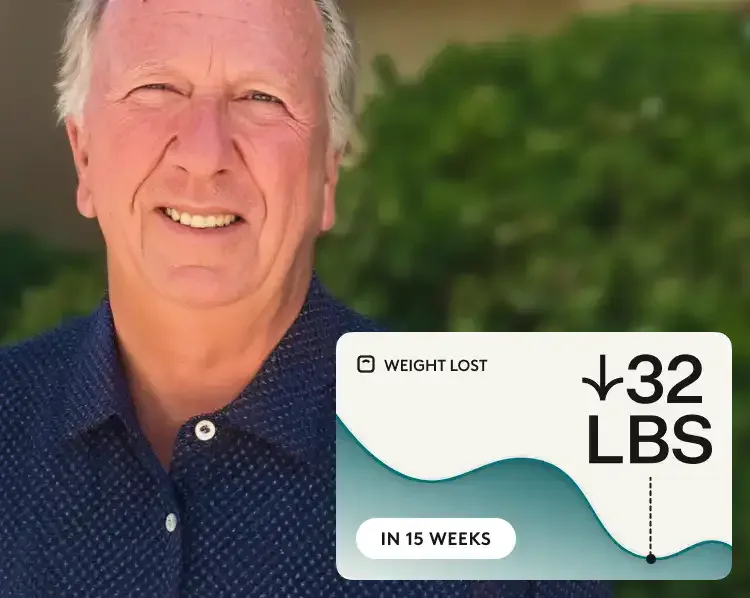
“Noom provided me with the medication which I could not get through Medicare. I have learned the tricks to better eating and life in general.”
Steve M. – Real Noom user
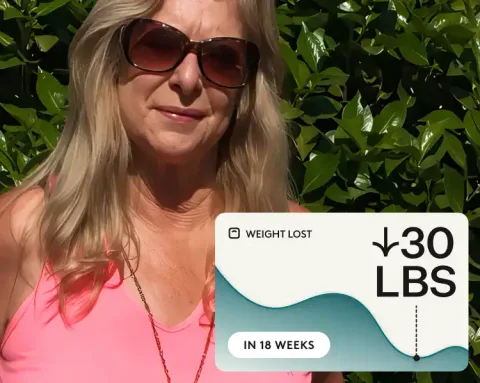
“Noom has changed my life and I’m so thankful, I feel great, have more energy and am no longer prediabetic.”
Daisy R. – Real Noom user
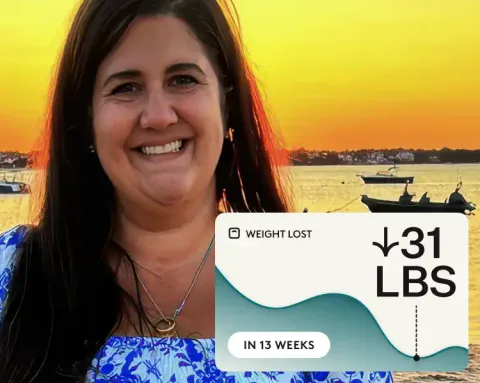
“All of the Noom providers that I’ve met with have been exceptional and prescribed medications that are appropriate for my situation and health.”
Sarah R. – Real Noom user
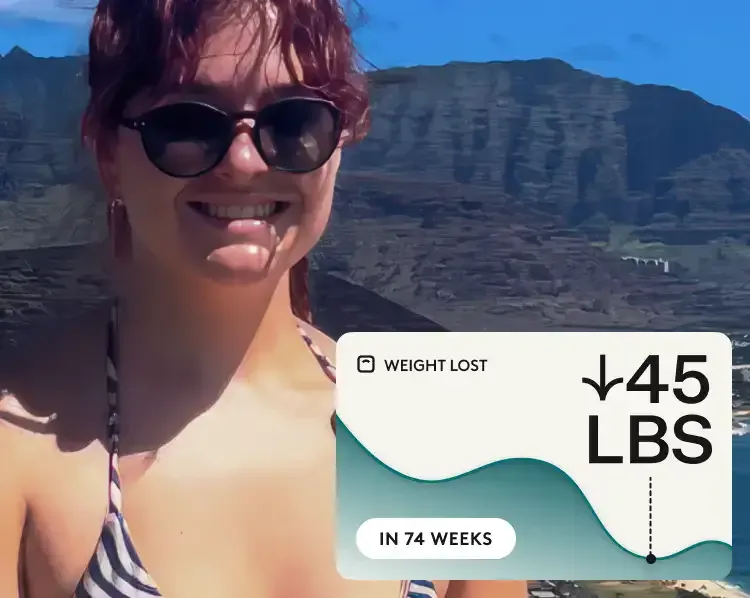
“Noom made the process so simple and now I feel full, free from diet obsession, and at ease in my body again.”
Madison S. – Real Noom user
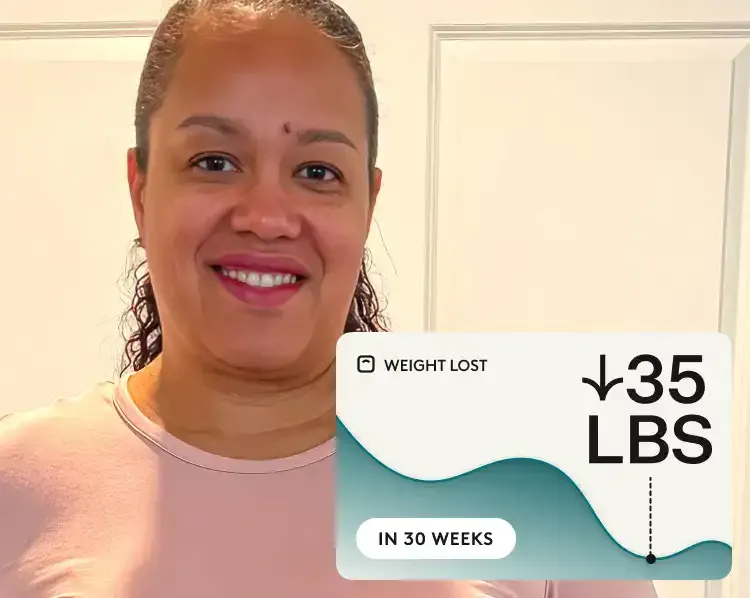
“My doctor recommended Noom after I was frustrated trying to lose weight. The lessons helped change my relationship with food. My body feels lighter & energized.”
Sonday K. – Real Noom user
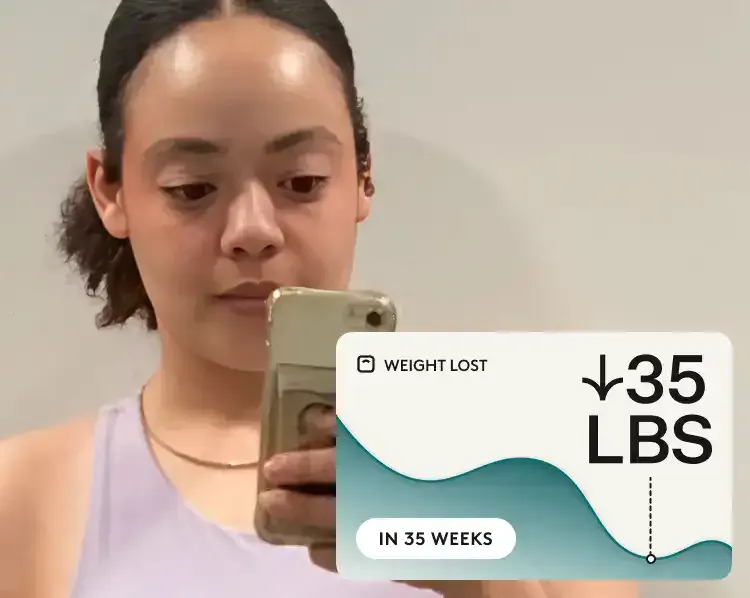
“I built healthy habits with coaching and lessons that make me confident I can maintain my weight loss long term.”
Cam K. – Real Noom user
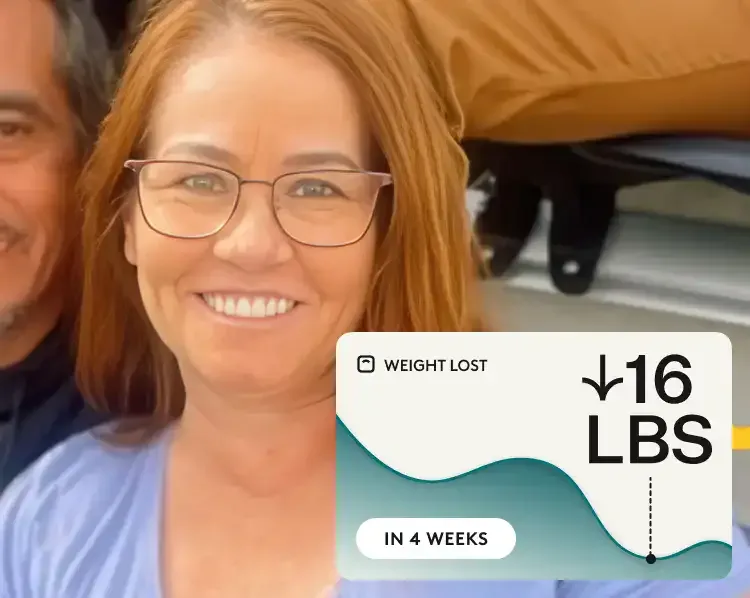
“With the right medication through Noom, hunger and sugar cravings finally quieted and I have the tools to break the cycle.”
Laura TR. – Real Noom user
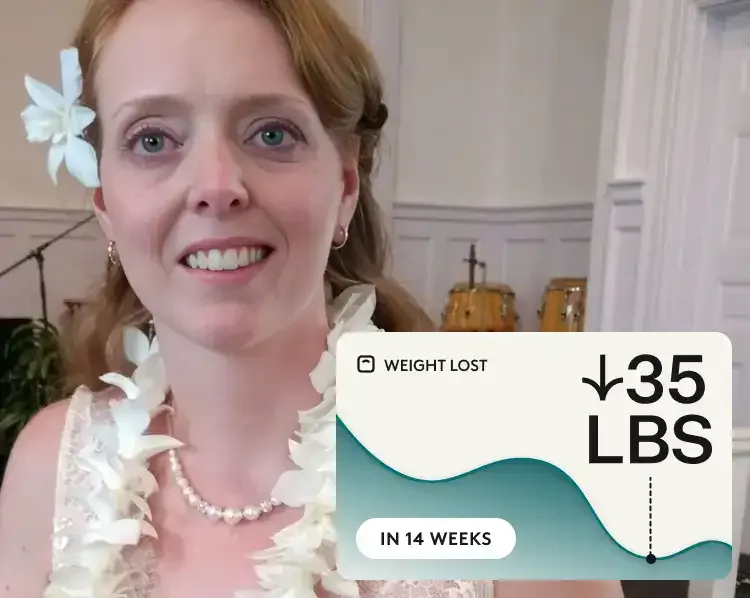
“Cravings and food noise are gone, I finally feel confident in the healthy habits I’ve built to last with Noom.”
Jessica S. – Real Noom user
The bottom line: Have a plan when stopping a GLP-1 medication
Coming off GLP-1 medications doesn’t mean your progress has to be lost. This stage is about giving your body the right support: steady routines, balanced meals, and habits that help you manage hunger as it returns. When you pair tapering guidance from your care team with sustainable lifestyle changes, you can maintain your weight loss.
Your journey doesn’t end when the GLP-1 medications stop. You still have all the tools to maintain your results, and you don’t have to figure it out on your own. Noom offers coaching, structure, and everyday strategies that help you stay consistent with food choices, movement, and craving control. If you want support while you build habits that last, Noom is here to help you carry your progress into the long term. Find a program that works with your goals now.
Editorial standards
At Noom, we’re committed to providing health information that’s grounded in reliable science and expert review. Our content is created with the support of qualified professionals and based on well-established research from trusted medical and scientific organizations. Learn more about the experts behind our content on our Health Expert Team page.