What you’ll learn:
- Steel-cut and rolled oats come from the same grain—processing is the only thing that separates them.
- Nutrition is nearly identical, but steel-cut oats have more soluble fiber and a lower glycemic index, making a difference for blood sugar management and satiety.
- For most people, the best oat is the one they’ll actually eat consistently—and that comes down to time, taste, and how you’re using them.
Oats have earned their reputation as a healthy breakfast staple. Whether it’s a warm bowl of oatmeal on a cold morning or a jar of overnight oats waiting in the fridge, oats can help keep you full for hours and provide steady energy for a busy morning.
The research backs that up. Eating oats regularly has been linked to benefits for heart health, cholesterol levels, blood sugar management, and satiety. But once you’ve decided to eat oats, another question comes up: Does the type actually matter?
Walk down the cereal aisle, and you’ll see steel-cut oats (sometimes called Irish oats), rolled oats, quick oats, and instant oats. At first glance, it can seem like some must be healthier than others.
The answer is both yes and no.
“All oats are whole grains and offer similar nutritional benefits,” says Maggie Hudspeth, RDN, Noom’s Senior Manager of Coaching. Because they all start with the same whole oat groat, the calories, protein, fiber, and many key nutrients are remarkably similar from one variety to the next.
Noom’s Most Powerful Program
A dual-pathway GLP-1 and behavior change for lasting results.
Where they begin to differ is in how they’re processed, how long they take to cook, how they affect blood sugar, and which recipes they’re best suited for. Those differences can influence everything from how full you feel after breakfast to whether your oats take 30 minutes to make or 30 seconds.
In this article, we’ll focus on the two varieties that generate the most confusion: steel-cut oats and rolled oats. While their nutrition is more similar than different, there are a few distinctions that may matter if your goal is better blood sugar control, longer-lasting fullness, easier meal prep, or simply getting breakfast on the table before your first meeting of the day.
Steel-cut oats vs. rolled oats: The basics
Both start as the same thing: oat groats, the whole oat kernel with its tough outer hull removed. Everything that separates steel-cut from rolled oats happens after that point, during processing.
What are steel-cut oats?
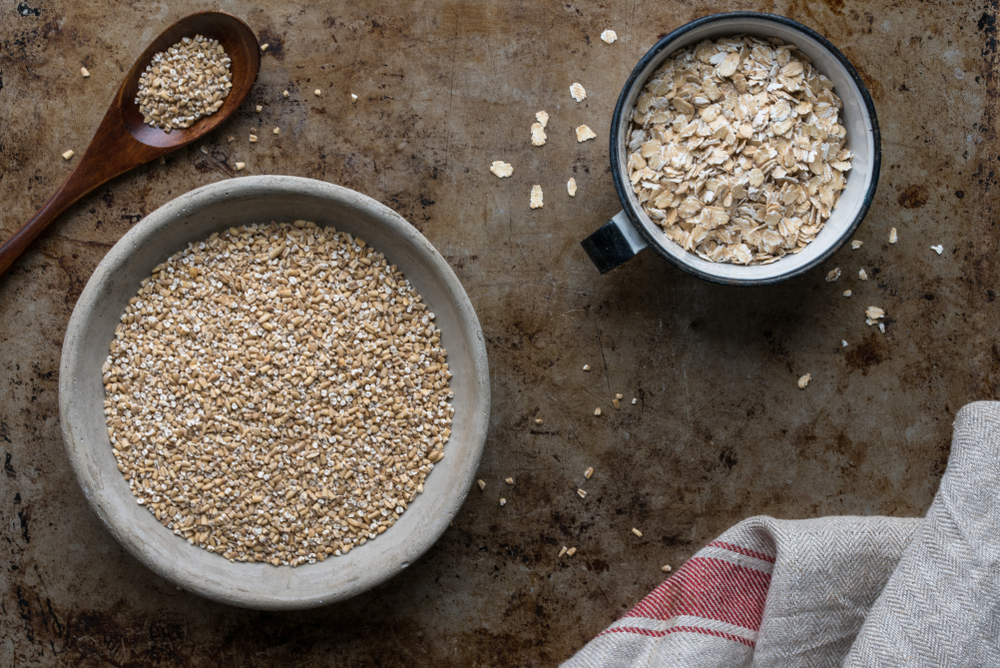
Steel-cut oats—also called Irish oats or pinhead oats—are oat groats that have been chopped into two or three pieces by steel blades. The result is a small, dense, coarse piece of grain with intact fiber.
That intact structure is what drives most of the differences you’ll see below. Because the cell walls haven’t been broken down by heat or pressure, digestive enzymes have to work through a denser structure—meaning slower digestion, a lower glycemic index, meaning a slower blood sugar spike, which results in more sustained energy.
The trade-off is cook time: 25 to 30 minutes on the stovetop, though soaking overnight reduces that to 5 to 10 minutes.
What are rolled oats?
Rolled oats—also called old-fashioned oats—start as the same oat groats, but are steamed to soften them, then flattened under heavy rollers and dried. The steaming and rolling process partially breaks down the fiber, which is why they cook in 5 to 10 minutes and have a slightly higher glycemic index than steel-cut oats.
What rolled oats lose in the processing is modest—a meaningful but not dramatic difference in soluble fiber and glycemic impact.
What they gain is versatility: rolled oats work in hot oatmeal, overnight oats, smoothies, granola, baking, and energy balls in a way steel-cut oats simply don’t. Here’s a useful comparison
| Variable | Steel-cut oats | Rolled oats |
|---|---|---|
| Texture | Chewy, dense, hearty | Soft, creamy, smooth |
| Flavor | Nuttier, more complex | Mild, neutral |
| Cook time | 25–30 min (or soak overnight) | 5–10 min |
| Glycemic index | 42–53 (Low) | 55–57 (Low-Moderate) |
| Good for baking? | No (without pre-cooking) | Yes |
| Good for overnight oats? | Yes (soaked, before the overnight oats prep: a few hours of soaking or overnight gets them to the right texture) | Best format |
| Price | Slightly higher (generally steel-cut oats run 20–50% more than rolled oats) | Lower, widely available |
Steel-cut oats vs. rolled oats: Nutrition comparison
If you’re expecting a dramatic nutritional showdown, you’ll be disappointed. Steel-cut oats and rolled oats are far more alike than they are different.
Noom’s Most Powerful Program
A dual-pathway GLP-1 and behavior change for lasting results.
Per ¼-cup (40 g) dry serving—about ¾ cup cooked—both provide similar amounts of calories, protein, carbohydrates, fat, and fiber. The biggest differences show up in how they’re processed, which can influence how quickly they’re digested, their glycemic index, and how filling they feel for some people.
“The nutritional differences between steel-cut and rolled oats are real but modest,” says Hudspeth. “Most people are better served by picking the one they’ll actually eat every morning rather than fixating on which one is technically superior.”
At a glance, the nutrition labels look nearly identical—and for the most part, they are. But steel-cut oats do contain more soluble fiber, including beta-glucan, the type of fiber associated with many of oats’ cholesterol, blood sugar, and satiety benefits.
That may not sound like a major distinction, but an extra gram or more of soluble fiber at breakfast can contribute to fullness, slower digestion, and a lower glycemic response. Combined with their less processed structure, it’s one reason steel-cut oats tend to have a lower glycemic index than rolled oats.
“At the end of the day, both are nutritious whole grains. For most people, the difference between eating steel-cut oats and rolled oats is much smaller than the difference between eating oats regularly and skipping them altogether,” Hudspeth says.
Steel-cut oats vs. rolled oats/ (per ¼ cup / 40g dry)
| Nutrient | Steel-cut oats | Rolled oats |
|---|---|---|
| Calories | 150 | 150 |
| Protein | 5 g | 5–6 g |
| Total Carbs | 27 g | 27 g |
| Fiber | 4–5 g (2g soluble) | 3–4 g (0.8g soluble) |
| Total Fat | 2.5–3 g | 2.5–3 g |
| Saturated Fat | 0.5 g | 0.5 g |
Vitamins and minerals (per ¼ cup / 40g dry)
| Vitamin or mineral | Steel-cut oats | Rolled oats |
|---|---|---|
| Iron | 2 mg (11%*) | 2 mg (11%) |
| Magnesium | 40 mg (13%) | 40 mg (13%) |
| Phosphorus | 180 mg (26%) | 180 mg (26%) |
| Zinc | 1.5 mg (19%) | 1.5 mg (19%) |
| Thiamin (Vitamin B1) | 0.17 mg (15%) | 0.17 mg (15%) |
| Manganese | 1.4 mg (78%)** | 1.4 mg (78%)** |
*Recommended dietary allowance (RDA) is defined as the average daily amount of nutrients needed to meet the requirements of nearly all healthy people in a specific group.
When it comes to vitamins and minerals, steel-cut oats and rolled oats are essentially a tie. Both are particularly good sources of manganese, phosphorus, and magnesium, with no meaningful advantage for either variety.
Glycemic impact (GI): The real difference
Both steel-cut and rolled oats are in the low-to-moderate GI range—meaning they digest slowly and give you a gradual blood sugar rise rather than a spike. But there is a difference. Steel-cut oats come in at a GI of 42–53; rolled oats sit a little higher at 55–57. Both will give a slower blood sugar rise than instant oats (GI 79–83) and refined grains.
Why do steel-cut oats score lower? It comes down to structure. Their intact fiber forms a denser gel in your gut, which slows down how quickly glucose hits your bloodstream—meaning a gentler, more gradual blood sugar rise. A review of several studies supports this: less-processed oats—steel-cut and large-flake—consistently produced a lower glycemic response than quick-cook or instant varieties, and the researchers traced it back to that intact particle structure slowing digestion down.
“That doesn’t make one wildly better than the other—for most people, both are great picks for keeping blood sugar stable. But if you’re managing diabetes, prediabetes, or insulin resistance, steel-cut has the edge,” says Hudspeth.
Health benefits: Steel-cut oats vs. rolled oats
Steel-cut oats and rolled oats may look different in the bowl, but when it comes to health benefits, they’re remarkably similar. Both start with the same whole oat groat and provide comparable amounts of fiber, protein, vitamins, minerals, and beta-glucan—the soluble fiber responsible for many of oats’ most studied health effects.
The biggest differences between the two are texture, cooking time, and how quickly they’re digested. While steel-cut oats have a slight edge in blood sugar response and satiety, the gap is small. For most people, the healthiest choice is simply the type of oats they’re most likely to eat consistently
Digestive health and satiety: Tie
Beta-glucan, the soluble fiber found in oats, absorbs water and forms a gel-like substance in the digestive tract. This slows digestion, helps feed beneficial gut bacteria, and promotes the release of hormones involved in fullness. Research consistently shows that higher-fiber diets help reduce hunger and support lower calorie intake.
Steel-cut oats may create a slightly thicker, more slowly digested meal because their structure remains more intact, but the difference is modest. Both steel-cut and rolled oats are filling, fiber-rich breakfast options.
Weight loss and appetite control: Tie
Neither steel-cut nor rolled oats has a meaningful advantage for weight loss. Both provide a combination of fiber, complex carbohydrates, and moderate protein that can help control hunger and make it easier to stick to a calorie deficit.
“For weight loss, the habit you’ll actually stick to is usually more valuable than the one that’s technically optimal,” says Hudspeth. “If overnight oats made with rolled oats means you eat a fiber-rich breakfast every day instead of skipping it, that’s the better choice for you.”
Heart health and blood sugar: Tie
Oats are one of the best-studied foods for heart health, largely because of their beta-glucan content. Consuming 3 grams of oat beta-glucan daily has been shown to help lower LDL cholesterol, which is why oats carry an FDA-authorized health claim for heart disease risk reduction.
Regular oat consumption has also been linked to improvements in blood sugar control and insulin sensitivity. Steel-cut oats tend to produce a slightly slower rise in blood glucose because they are less processed, but both varieties support healthy blood sugar management when eaten as part of a balanced diet.
Steel-cut oats vs. rolled oats: Potential downsides and considerations
For most people, oats are well-tolerated and easy on the stomach. But there are a few things worth knowing before you make them a daily habit.
Oats are high in fiber, which is great—but if your diet has been low in fiber, adding too much too fast can cause temporary bloating or gas while your digestive system adjusts. Starting with smaller portions and working up gradually helps. If you have IBS or another digestive condition, it’s worth paying attention to how oats affect your symptoms.
Access GLP-1 Weight Loss with Noom
Explore a wide range of prescription medications supported by Noom’s program.
Microdose GLP-1rx
Noom GLP-1rx
Noom GLP-1rx Plus
Wegovy®
Ozempic®
Metformin
Zepbound®
Mounjaro®
Liraglutide
One thing worth knowing: oats are naturally gluten-free, but cross-contamination with wheat can happen during processing. If you have celiac disease or a gluten sensitivity, look for oats labeled “certified gluten-free”—the Celiac Disease Foundation recommends this as the safest approach.
How to use steel-cut oats and rolled oats
The biggest practical difference between steel-cut oats and rolled oats isn’t nutrition—it’s how they fit into your routine. Steel-cut oats require more cooking but offer a heartier texture, while rolled oats are quicker, more versatile, and easier to use in everything from breakfast to baking.
Steel-cut oats
Steel-cut oats take about 20 to 30 minutes to cook and develop a chewy texture with a slightly nutty flavor. Many people prefer making a large batch at the beginning of the week and reheating individual portions as needed.
Best for:
- Traditional oatmeal: Its hearty texture holds up well during cooking and creates a more substantial bowl of oatmeal.
- Slow cooker breakfasts: Steel-cut oats retain their texture during long cooking times, making them a natural fit for overnight or slow-cooker recipes.
- Savory bowls: Their firm texture works well beyond breakfast. Try using cooked steel-cut oats as a base for grain bowls topped with roasted vegetables, sautéed greens, broth, or a poached egg.
Rolled oats
Rolled oats cook in about 5 to 10 minutes and create a softer, creamier bowl of oatmeal than steel-cut oats.
Best for:
- Overnight oats: Rolled oats soften easily in milk or yogurt without cooking, making them one of the most convenient make-ahead breakfasts.
- Smoothies: A handful of dry rolled oats can add fiber, thickness, and staying power without significantly changing the flavor.
- Baking: Rolled oats work well in granola, oatmeal cookies, muffins, pancakes, baked oatmeal, and energy bites. Steel-cut oats generally need to be pre-cooked before being used in baked recipes.
Which is best for you?
| Goal | Better choice | Why |
|---|---|---|
| Blood sugar management | Steel-cut oats | Lower GI (42–53 vs. 55–57); more soluble fiber slows glucose absorption |
| Quick weekday breakfast | Rolled oats | Ready in 5–10 minutes; perfect for overnight oats with zero morning prep |
| Weight loss and satiety | Slight edge to steel-cut | More soluble fiber, lower GI extends fullness modestly |
| Baking and recipe flexibility | Rolled oats | Works in granola, muffins, smoothies, energy balls; steel-cut doesn’t translate |
| Budget and accessibility | Rolled oats | Cheaper and available everywhere |
| Heart health | Equal | Both deliver the 3g+ of beta-glucan associated with LDL reduction |
For most people, the difference is small enough that habit consistency matters more than oat type.
Frequently asked questions about steel-cut oats vs. rolled oats
Are steel-cut oats healthier than rolled oats?
Not dramatically. Steel-cut oats have a slightly lower glycemic index and more soluble fiber per serving, giving them a modest edge for blood sugar management and satiety. For most healthy people, the difference is small enough that the better oat is the one you’ll actually eat consistently.
Do steel-cut oats have a lower glycemic index than rolled oats?
Yes. Steel-cut oats have a GI of approximately 42–53; rolled oats land at 55–57. Both are low-to-moderate GI—well below instant oats (~83) or refined grains. The difference comes from processing: steel-cut oats’ intact fiber matrix slows digestion more than rolled oats.
Which oats are better for weight loss?
Both support weight loss through high fiber content, moderate protein, and a low-to-moderate glycemic response. Steel-cut oats may offer a slightly longer satiety window. Rolled oats offer more flexibility—overnight oats and quick preparation make them easier to eat every day, which matters more for long-term results.
Can I substitute rolled oats for steel-cut oats in recipes?
In baking, smoothies, overnight oats, and granola, rolled oats are the better and more versatile choice. Steel-cut oats don’t work well in most baked goods without pre-cooking. For hot oatmeal, they’re not interchangeable without significantly adjusting cook time.
Which oats are better for blood sugar or diabetes management?
Steel-cut oats are the stronger choice for people managing blood sugar closely, due to their lower GI and higher soluble fiber. That said, rolled oats are still a solid option—especially when paired with protein or fat, which further blunts the glycemic response of any meal.
Are overnight oats healthier than cooked rolled oats?
Possibly. When rolled oats are soaked in cold liquid and refrigerated overnight, some starch converts to resistant starch—a form that digests more slowly and feeds beneficial gut bacteria. This may modestly reduce the glycemic impact. The difference is small, but it’s a legitimate reason to prefer overnight oats if blood sugar management is a priority.

The Easy Way
to lose weight and get healthy.
The bottom line: The best choice is the one you’ll eat consistently
The nutritional gap between steel-cut and rolled oats is very small. Both are whole grains with consistent research behind improved heart health, blood sugar management, and satiety. Steel-cut oats have a modest but meaningful advantage in soluble fiber and glycemic index that matters most for people actively managing blood sugar or metabolic health. Rolled oats win on convenience and versatility, which, for most people, is what actually drives consistency.
“Pick the one that fits your schedule and your taste. If you can build a reliable oat breakfast habit—in any form—you’re getting most of the benefit either option has to offer,” suggests Hudspeth.
Want more guidance on building a high-fiber eating plan? The Noom app on iOS and Android makes it easier to track your fiber intake, find balanced meal ideas, and connect with nutrition coaches who can help you build an approach that works for your specific goals.
Editorial standards
At Noom, we’re committed to providing health information that’s grounded in reliable science and expert review. Our content is created with the support of qualified professionals and based on well-established research from trusted medical and scientific organizations. Learn more about the experts behind our content on our Health Expert Team page.