

What you’ll learn:
- GLP-1s may support healthy aging by improving inflammation, metabolism, and cellular function.
- Emerging research shows potential benefits for the heart, kidney, liver, and more.
- Noom’s Proactive Health Microdose GLP-1Rx Program uses microdose GLP-1s, habit-building, and biomarker-based health insights to support long-term health.
We’re entering a new era when it comes to GLP-1 medications. The medications have helped many people lose weight and manage diabetes. But researchers are starting to notice something even bigger: GLP-1s may offer benefits beyond weight and metabolic health.
Emerging research now suggests that GLP-1s may influence several underlying processes tied to healthy aging. These medications are being studied for their potential benefits for heart, brain, and liver health—and even early signs of protection against certain types of cancer.
That’s the vision behind Noom’s Proactive Health Microdose GLP-1Rx Program—a first-of-its-kind program that reframes GLP-1s, paired with healthy habits, as a tool for whole-body wellbeing, not just weight loss or blood sugar management. While there is limited data on the health benefits of microdose GLP-1s, in particular, Noom’s clinicians developed this program based on a review of the research showing that even low doses, such as those used in this program, can help lower HbA1c, a key biomarker linked to prediabetes, diabetes, inflammation, and heart disease. In fact, a Harvard-led study found a 29% increase in coronary heart disease risk for each 0.5-point increase in HbA1c above 5.0%.
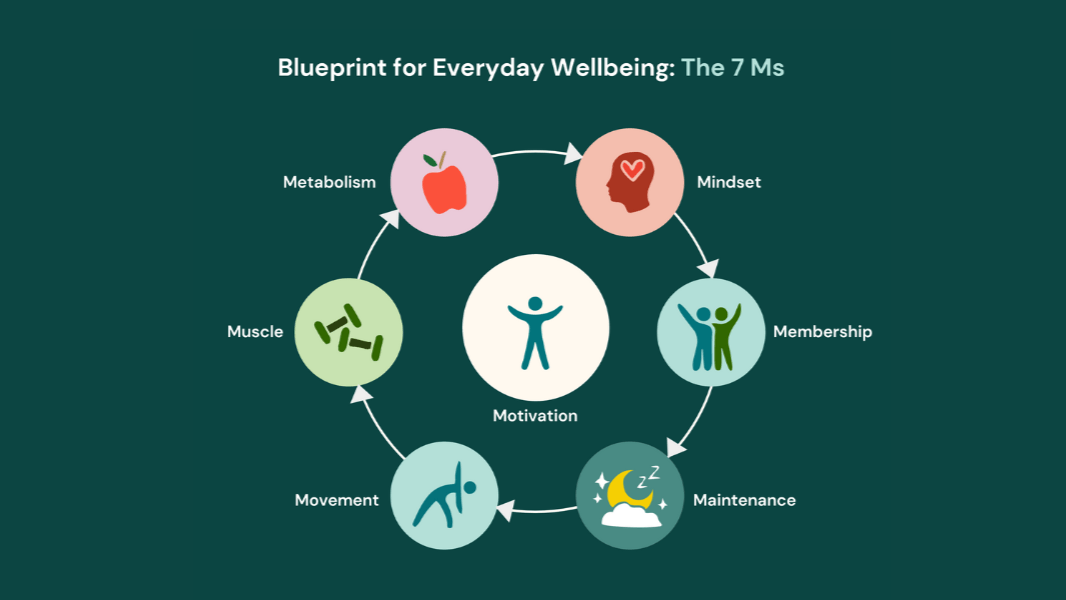
This new program brings together personalized GLP-1 microdoses, regular at-home biomarker testing, and—the true star of our program—Noom’s digital longevity companion, which supports healthy habits: eating better, getting more active, getting quality sleep, and relieving stress with mindful art breaks and more. The result: a program that gives people the insights and tools they need to take charge of their long-term health.
This shift toward early, targeted intervention is at the core of Noom’s Proactive Health Microdose GLP-1RX Program. It’s focused on helping people to feel better now and protect their metabolic health over time—to support healthy aging.
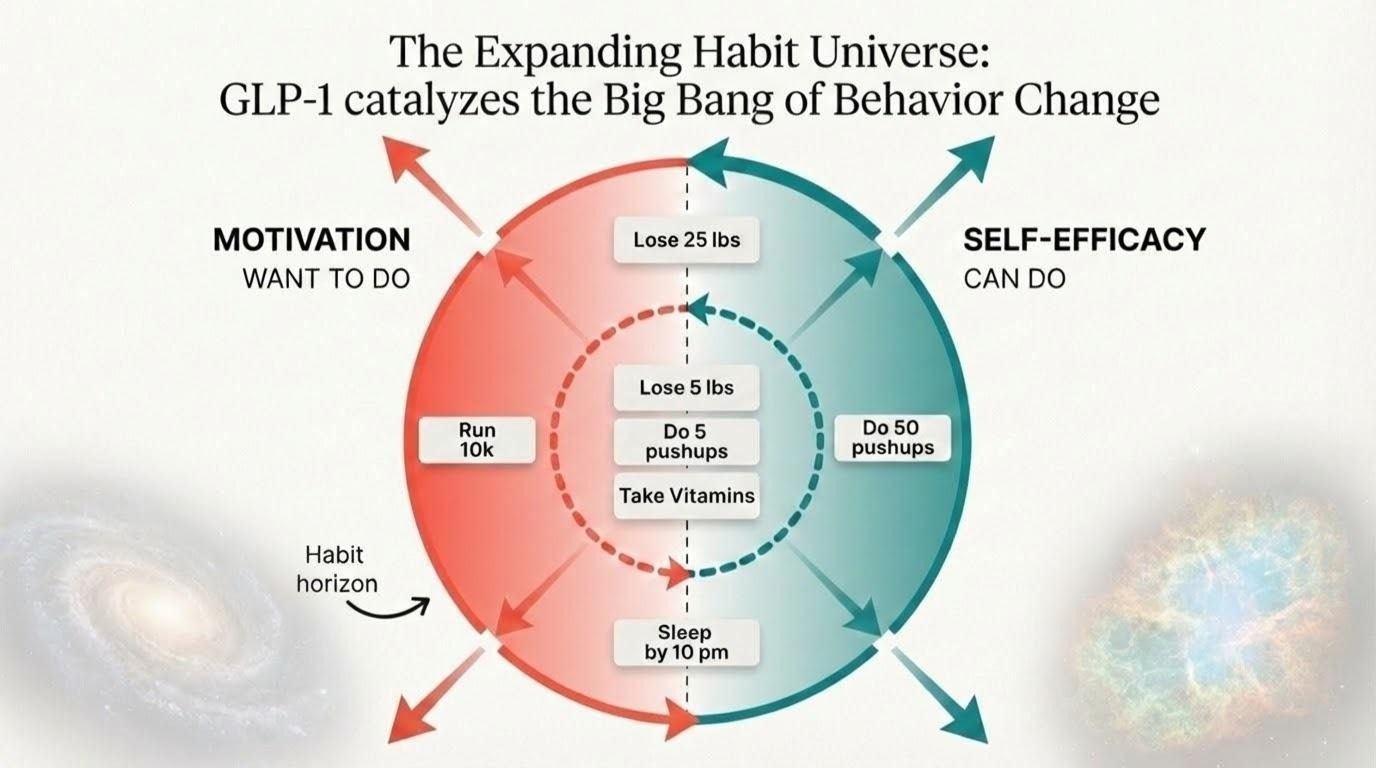
GLP-1s aren’t a shortcut—but they can be the spark. Noom’s digital longevity companion—with daily microhabits and coaching for nutrition, exercise, and mental health—is designed to make the transformation last.
In the sections ahead, we’ll explore how GLP-1s may promote healthier aging, why clinicians are paying more attention to their protective benefits, and how Noom’s Proactive Health Microdose GLP-1Rx Program is designed to make the potential benefits of GLP-1s beyond the scale available to eligible members.
Why GLP-1 medication may work beyond weight loss and diabetes
GLP-1 medications are best known for helping manage type 2 diabetes and supporting weight loss, but emerging research shows they can help treat other conditions, too. Some medications in this class are now FDA-approved for conditions beyond metabolism—like reducing cardiovascular disease, treating MASH (metabolic dysfunction–associated steatohepatitis), and improving obstructive sleep apnea (OSA).
As research grows, we’re learning that the benefits of GLP-1s may extend even further. One reason could be that GLP-1 receptors are located throughout your body, including in your brain, heart, liver, and kidneys. That’s why these medications are thought to deliver health benefits that extend beyond weight loss.
We know the liver responds in meaningful ways to GLP-1s, but research points to these changes being indirect. They’re likely the result of better inflammation control, improved insulin resistance, and healthier fat metabolism—not direct targeting of liver cells.
Early research suggests that activating these receptors across multiple systems may help explain the broader health benefits scientists are observing.
While these effects are still being studied, a growing body of research suggests that GLP-1s may play a far bigger role in long-term metabolic and whole-body health.
Why GLP-1s can potentially manage chronic conditions
To understand why GLP-1 medications may support healthy aging, it’s worth exploring the underlying health mechanisms they work on. Here’s how they can potentially help lower inflammation, improve insulin sensitivity, and help your cells work better.
They may calm chronic inflammation
As we age, tiny signs of wear and tear build up in the body, and keeping the immune system slightly switched on, even when no real threat is present. This causes the body to release a small amount of inflammatory chemicals. Over time, this slow, steady drip of inflammation starts to damage tissues, raise blood sugar, and strain the heart. Scientists call this inflammaging because it’s long-lasting inflammation that speeds up aging.
GLP-1s may help quiet this response. Studies show they can lower inflammatory markers and reduce oxidative stress, helping the body shift back into a healthier, more balanced state. Semaglutide in particular can support the body’s natural anti-inflammatory responses, though researchers are still uncovering exactly how these effects work.
They may improve metabolic efficiency
Many people develop some level of insulin resistance as they age. This means cells don’t respond to insulin the way they used to, making it harder for the body to turn food into energy. Instead, more calories get stored as fat, especially visceral fat, which sits around organs and is linked to many chronic health conditions.
A 2025 review in Pharmaceutics found that GLP-1 medications may improve how the body uses and manages energy. They do this in two main ways:
- They help your cells respond to insulin again, so your body can use sugar for fuel instead of storing it as fat.
- They improve how your cells make energy, supporting healthier mitochondria—the “power centers” inside each cell.
Together, these effects may help the body run more efficiently: steadier energy, better blood-sugar control, and less buildup of harmful fat around the organs. Let’s explore how these breakthrough medications might help your heart, kidneys, and liver work better, and potentially even defend against cancer.
Heart health
One way that GLP-1s may help people live longer, healthier lives is by managing cardiovascular disease. In fact, a few of these medications are already FDA-approved for heart-related issues. Heart disease remains the world’s leading cause of death, responsible for nearly 20 million lives lost each year. GLP-1s, along with diet, exercise, and other behavioral changes, could be a way to reduce that.
A recent study showed that people with pre-existing cardiovascular disease taking semaglutide experienced a 20% reduction in risk of heart attack, stroke, or cardiovascular death. They also showed improvements in inflammation and blood-vessel health, suggesting that GLP-1s help protect the heart at a cellular level. Today, Wegovy® is FDA-approved to reduce the risk of heart disease, highlighting just how powerful these medications can be for cardiovascular health.
“When your heart is strong, every other organ benefits,” reminds Dr. Egler. “This study underscores how GLP-1s aren’t just about weight loss; they may even influence the biomarkers that predict future disease.”
Kidney health
Chronic kidney disease affects more than 1 in 7 adults and is the 8th leading cause of death in the U.S. Studies show that GLP-1s might be able to help treat kidney disease. A 2025 commentary in the American Journal of Kidney Disease highlights data showing that GLP-1s can improve key markers of kidney function and overall metabolic health—benefits that may extend beyond kidney disease and potentially support long-term health.
Research supports this, showing that semaglutide, a GLP-1, reduced the risk of kidney failure and death from kidney or cardiovascular causes by 24% in people with type 2 diabetes and kidney disease. Ozempic® was approved to reduce the risk of kidney disease progression, kidney failure, and cardiovascular death in adults with type 2 diabetes and chronic kidney disease in January 2025.
Emerging clinical evidence suggests GLP-1s may play a role in supporting kidney health and preventing progression of kidney disease. The kidneys filter toxins, balance minerals, and regulate blood pressure, so keeping them healthy eases the workload on the heart and slows age-related decline—critical for a longer, healthier life.
Liver disease
Another way that GLP-1s might help improve health is through improved liver function. Because the liver filters toxins, manages blood sugar, and powers your metabolism, a healthier liver may support better energy, fewer chronic health risks, and a stronger foundation for long-term health.
Fatty liver disease—now called metabolic dysfunction-associated steatotic liver disease (MASLD)—affects about one in three people. The liver can become fattier when people have a higher BMI, a diet with more fructose and refined carbohydrates, and/or have diabetes, high cholesterol, or high triglycerides.
This increased fat can cause inflammation that leads to cirrhosis—a buildup of scar tissue that makes it harder for the liver to filter toxins and keep metabolism running smoothly. This damage can progress to liver failure or even liver cancer.
Wegovy® is approved by the FDA for the treatment of metabolic dysfunction–associated steatohepatitis (MASH), a serious liver condition that can lead to inflammation, scarring, and long-term organ damage.
More GLP-1 medications approved for managing liver health could be on the horizon. In one study, a GLP-1 called retatrutide, still in trials, led to 24% weight loss and an 86% drop in liver-fat in 48 weeks.
Cancer protection
Another emerging area of GLP-1 research is cancer risk. Since metabolic dysfunction and chronic inflammation can contribute to tumor growth, scientists are exploring whether improving these pathways with GLP-1 medications might also influence cancer outcomes.
In a large cohort study published in JAMA Oncology, people with higher BMIs who used GLP-1 therapies had a lower observed risk of 14 cancers (liver, thyroid, pancreatic, bladder, colorectal, kidney, breast, endometrial, meningioma, upper gastrointestinal, ovarian, multiple myeloma, prostate, and lung) than those who didn’t. This study only shows association, but the pattern is encouraging and has prompted more research.
Another study compared cancer deaths in people with BMI>35 using GLP-1 medications for weight loss versus those who underwent bariatric surgery. Researchers found that people on GLP-1s had a lower all-cause mortality from cancers than people who had bariatric surgery. It’s important to note this was also observational, so we can’t draw firm cause-and-effect conclusions. Still, the results suggest these medications may support cancer mortality in ways that go beyond just weight loss, hinting that there is something specific in GLP-1s that protects against death.
There’s also early evidence of benefits in people already diagnosed with colon cancer. In one analysis, the mortality rate in people with obesity dropped from 37% to 15% among those who received GLP-1 therapy as part of their treatment. This finding is preliminary, and more controlled studies are needed.
Taken together, these studies suggest that GLP-1 medications may have broader effects on health beyond weight management, potentially influencing pathways that relate to cancer risk and outcomes. But more research is needed before we can definitively conclude that these drugs affect cancer prevention or survival.
Noom’s Proactive Health Microdose GLP-1Rx Program: The biomarkers
Noom’s Proactive Health Microdose GLP-1Rx Program is designed to help you monitor your own personal biomarker-based health insights.
“Think of biomarkers as your body’s dashboard,” says Dr. Egler.
The program includes a simple blood test once every 4 months that shows how your metabolism, hormones, and immune system are functioning over time. As you improve your health, these 17 biomarker-based health insights offer early insights into long-term health and areas for improvement. Here’s a look at what you’ll be tracking:
Inflammation & recovery
- High-Sensitivity C-Reactive Protein (hs-CRP) – This is a marker of inflammation that’s closely linked to heart health, recovery, and long-term disease risk.
- Vitamin D – This vitamin is essential for immune function, bone strength, and healthy cell repair. Because levels often drop in winter or low-sunlight climates, many people need supplements to stay within a healthy range.
- Vitamin B12 – This vitamin supports red blood cell production, nerve health, and steady energy. It’s found naturally in animal foods like meat, eggs, dairy, and fish, which is why people following vegetarian or vegan diets are often deficient without fortified foods or supplements.
Cardiovascular health
- Apolipoprotein B (ApoB) – This measures the number of particles that can contribute to plaque in your arteries, making it one of the clearest indicators of heart health.
Lipoprotein (a) (Lp(a)) – This is a genetically driven cholesterol particle tied to lifelong cardiovascular risk.
Full lipid panel – This full cholesterol profile shows how your body processes and transports fats, and gives a clearer picture of your heart and metabolic health. It includes:- Total cholesterol
- Low-density lipoprotein (LDL-C)
- High-density lipoprotein (HDL-C)
- Triglycerides
- Total Cholesterol/HDL-C ratio – This ratio shows how balanced your cholesterol is overall and is often a stronger predictor of heart disease than total cholesterol alone.
- LDL-C/ApoB ratio – This ratio helps identify whether your LDL particles are mostly small and dense (higher risk) or larger and less atherogenic (lower risk), offering deeper insight beyond standard LDL-C levels.
Metabolic health
- Hemoglobin A1c (HbA1c) – This number shows how well your body has managed blood sugar over the past 3 months and is one of the key markers used to diagnose and monitor diabetes.
- Triglycerides – A measure of the fat circulating in your bloodstream. Higher levels are linked to insulin resistance, metabolic issues, and cardiovascular risk.
- Triglycerides/HDL ratio – This ratio offers insight into insulin resistance and cardiometabolic risk by comparing blood fats that store energy (TG) to the HDL particles that help clear them.
Hormones
- Total testosterone – Found in both men and women, total testosterone influences muscle, strength, drive, and daily energy.
- Estradiol (E2) – This form of estrogen is present in both women and men. In women, levels change across the lifespan with the biggest drop during menopause. Estradiol supports bone health, cardiovascular function, reproductive health, and metabolic balance.
- Luteinizing hormone (LH) – This hormone helps regulate reproductive hormones and overall hormonal balance in both men and women.
- Dehydroepiandrosterone sulfate (DHEA-S) – This adrenal hormone supports stress response, hormonal balance, and overall vitality.
By testing every four months, members can see their progress clearly and adjust their lifestyle accordingly.
The future of GLP-1 medication and longevity tracking
GLP-1 medications have the potential to open a new chapter in metabolic and whole-body health. What began as a breakthrough for diabetes and weight management is now revealing deeper potential—influencing inflammation, energy production, hormone balance, organ health, and even healthy aging. While much of this science is still emerging, the potential is there.
“Longevity isn’t just about adding years—it’s about adding good years,” says Dr. Egler. “When modern medicine and daily habits work together, people can truly thrive.”
Noom’s Proactive Health Microdose GLP-1Rx Program was built for this next phase. It brings together microdose GLP-1 therapy, habit building, and regular biomarker monitoring so people can understand and react to how their health is improving from the inside out. Members can see measurable shifts in inflammation, metabolic efficiency, hormonal resilience, and cardiovascular risk, and continue making changes that help improve their wellbeing.
With the right tools, guidance, and insights, people can take meaningful steps toward protecting their long-term health—and research shows that GLP-1s may become a key part of more and more people’s approach to live better longer.
Editorial standards
At Noom, we’re committed to providing health information that’s grounded in reliable science and expert review. Our content is created with the support of qualified professionals and based on well-established research from trusted medical and scientific organizations. Learn more about the experts behind our content on our Health Expert Team page.