



What you’ll learn:
- Beef tallow, the rendered fat from a cow, is making a comeback as a natural alternative to processed cooking oils.
- It’s been promoted by public figures like Secretary Robert F. Kennedy Jr., who has praised animal fats over seed oils.
- Saturated fat and cholesterol remain key concerns when comparing beef tallow to unsaturated oils like olive or avocado.
- Tallow isn’t inherently harmful, but it should be used in moderation as part of a balanced diet.
Beef tallow is having a major resurgence. People are cooking with this rendered beef fat, calling it a “natural” alternative to factory-made and refined oils, and even using it for skincare. The trend even got a boost from U.S. Health and Human Services Secretary Robert F. Kennedy Jr., who has publicly praised animal fats like beef tallow.
The issue? Beef tallow is high in saturated fat, which decades of research have linked to higher LDL (“bad”) cholesterol and an increased risk of heart disease. Promoting it as a “healthier” choice runs counter to long-standing nutrition guidance.
In the early 1990s, public health campaigns urged Americans to limit saturated fat to about 10% of total calories, shaping both dietary habits and the food industry. In fact, McDonald’s famously stopped frying its fries in beef tallow in 1990 after public pressure from heart-health advocates—a move that reflected both nutrition priorities and broader marketing trends. Those guidelines have remained largely unchanged since then.
Now, wellness influencers, chefs, and even government figures are calling for a return to “real” animal fats. But is that a healthy message? We asked Dr. Karen Mann, Noom’s Medical Director, to help break it down. Here’s what beef tallow really is, how it compares nutritionally, and what the research says about its potential risks and benefits.
What is beef tallow?
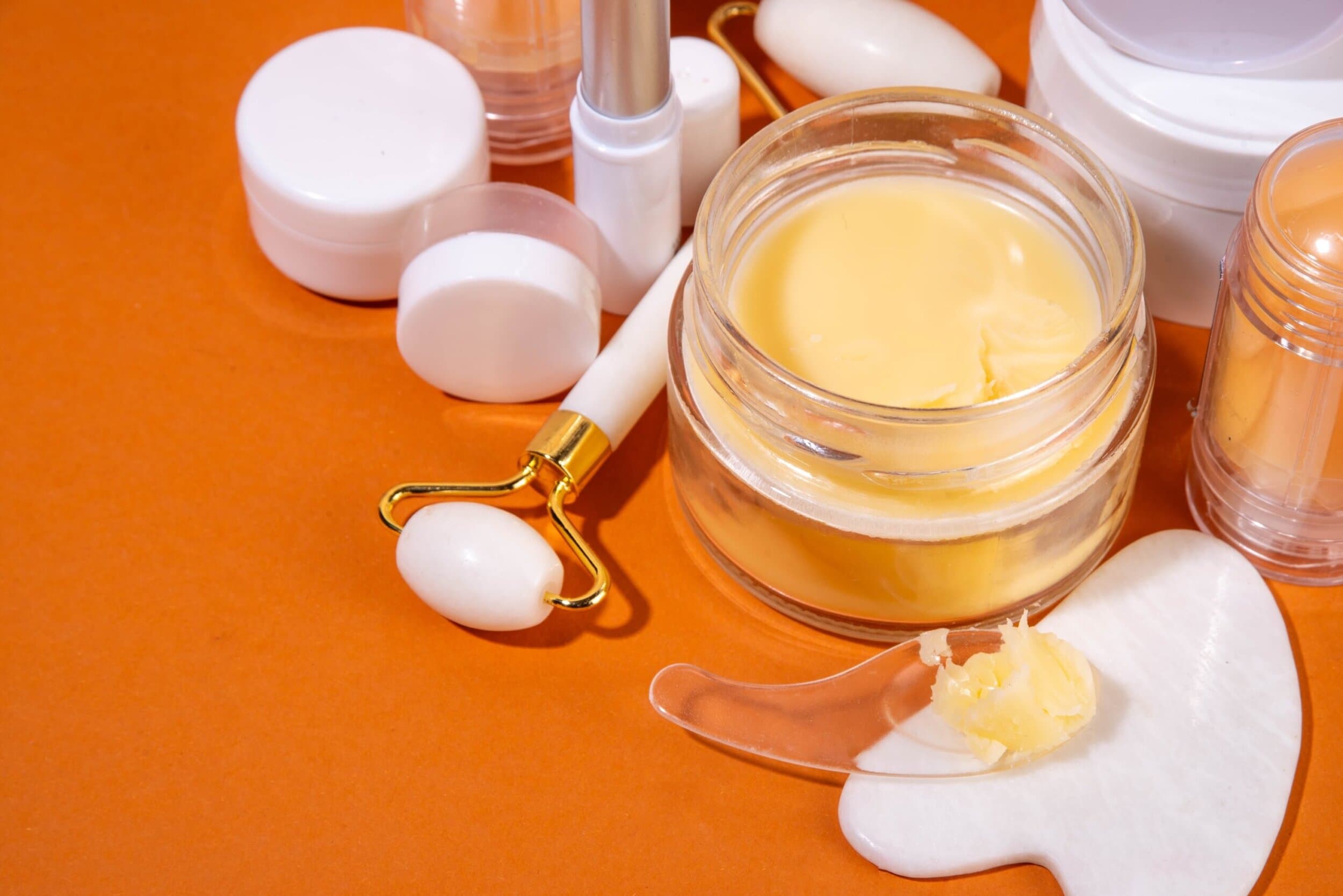
Tallow is rendered beef fat. The process involves melting the hard, white fat, straining it, and cooling it. It can then be used to cook just like any other fat. People like to keep it in mason jars and spoon out the solid fat when they’re making meals.
Why are people using more beef tallow?
Animal fats like beef tallow, lard, and butter used to be the cooking fats of choice, far more common than a bottle of olive oil, which people tend to use now. From 1909 to 2010, that changed, and the use of animal-based fats decreased while vegetable-based fats and oils increased by 159%.
This shift mirrored changing dietary guidance beginning in the mid-20th century. Public-health authorities began discouraging saturated fat and promoting vegetable oils instead, leading most people to switch to liquid vegetable oils like canola, soybean, and corn oil for daily cooking.
Now, another shift is happening. As part of a growing movement to reject modern, processed foods in favor of more “ancestral” staples, some cooks are moving away from those conventional recommendations.
As part of that trend, beef tallow is becoming popular again. Even though it’s high in saturated fat, fans argue that it’s a healthy choice because it’s a natural, unprocessed product derived directly from meat. This trend is often connected to the rise of diets, like the carnivore diet, that intentionally embrace saturated fats and reject traditional health advice to limit them.
Today, many people are preparing their own beef tallow to use in everyday cooking. It’s particularly valued for its high smoke point, which makes it an excellent fat for frying and roasting. Some social media users even promote beef tallow as a natural moisturizer or sunscreen, though dermatologists caution that it can clog pores and doesn’t provide UV protection.
Rx weight loss, the right way, with Noom
Get access to prescription weight loss medication with Noom.Microdose GLP-1s
Wegovy®
Ozempic®

Metformin

Zepbound®

Mounjaro®
Liraglutide

Nutrients in beef tallow (per 1 tablespoon)
| Nutrient | Amount | % RDA* |
|---|---|---|
| Calories | 115 | — |
| Total Fat | 12.8 g | 16 % |
| Saturated Fat | 6.4 g | 32 % |
| Monounsaturated Fat | 5.4 g | — |
| Polyunsaturated Fat | 0.5 g | — |
| Cholesterol | 13 mg | 4 % |
Beef tallow is almost pure fat, and about half of that fat is saturated, the type that can raise LDL (“bad”) cholesterol when eaten in excess. The rest is mostly monounsaturated fat, similar to what’s found in olive oil, with just small amounts of polyunsaturated fat.
While fat is essential for absorbing vitamins and providing energy, research suggests that the balance of fat types matters for your heart. Diets higher in unsaturated fats (from foods like olive oil, avocado, nuts, and fish) and lower in saturated fats are linked to better cholesterol profiles and reduced cardiovascular risk.
*Recommended dietary allowance (RDA) is defined as the average daily amount of nutrients needed to meet the requirements of nearly all healthy people in a specific group.
Why is beef tallow popular?
The resurgence of beef tallow is part of a broader shift in how people think about food. Many are turning toward simple, “ancestral” ingredients that feel less manufactured, questioning whether modern pantry staples like soybean, canola, or even olive oil are always the healthiest options.
The trend is driven by several cultural and social factors:
- A push for “natural” fats. Interest in traditional animal fats has surged alongside skepticism toward industrial seed oils. Searches for beef tallow have increased by more than 260% in the past year, reflecting growing curiosity about older cooking methods.
- Influencers and public figures. HHS Robert F. Kennedy Jr. has publicly praised beef tallow and other animal fats, calling them healthier than seed oils—a stance that’s fueled conversation and controversy online.
- Social media and wellness trends. Social media platforms have amplified tallow’s image as a “clean” or “real” fat, popularized by creators aligned with the anti–seed oil movement. Industry observers note that beef tallow is on a resurgent streak, with home cooks and chefs using it for its flavor, high smoke point, and nostalgia factor.
- Food-service revival. Some restaurant kitchens are also re-adopting tallow for deep-frying and flavoring, citing taste and performance advantages over vegetable oils.
- Market growth. Analysts project the global beef tallow market will expand from roughly $14 billion in 2023 to nearly $25 billion by 2033, reflecting renewed consumer interest in “natural” cooking fats and nostalgia-driven food trends.
Is beef tallow healthy? What the research says
Beef tallow has been making a comeback on social media as a “natural” alternative to seed oils, praised for its rich flavor and nostalgic, old-school vibe. But when it comes to your health, science tells a more nuanced story.
Claim 1: Beef tallow is healthy because it’s a natural, minimally processed food.
Verdict: Maybe.
We know that cutting out ultra-processed foods can have lots of health benefits. Recently, studies have linked a high consumption of ultra-processed foods to negative health outcomes. But just because something is natural and unprocessed doesn’t make it healthy. Choosing beef tallow is still not the best option available.
Beef tallow contains 50% saturated fat, which some studies show can increase the risk of heart disease. Tallow has been shown to raise cholesterol levels more than other fats, which studies show can increase the risk of heart disease.
Dr. Mann explains, “The type of fat you eat matters more than whether it came from a plant or an animal. The cumulative evidence tells us that replacing saturated fat with unsaturated fat is one of the most effective ways to lower your heart disease risk. Focusing on single-ingredient foods is smart, but you should still prioritize the ones proven to support your health.”
Claim 2: Animal fats are healthier than other fats and oils
Verdict: False.
Some wellness influencers (and even Robert F. Kennedy Jr.) have questioned the health effects of seed oils—like soybean, sunflower, or canola oil—suggesting they may be overly processed or linked to inflammation. While it’s true that many seed oils are refined and used heavily in ultra-processed foods, research doesn’t support the idea that they’re inherently harmful when eaten in moderation as part of a balanced diet. It also doesn’t show that animal fats are healthier than seed oils.
What studies do show is that swapping animal fats high in saturated fat, like beef tallow or butter, for oils rich in unsaturated fats—such as olive, avocado, or canola—can improve your cholesterol levels and support heart health. A large study found that people who replaced animal fats with plant-based oils had lower rates of cardiovascular disease and total mortality.
Here’s what the science says:
- Saturated fats raise LDL (“bad”) cholesterol and increase heart disease risk when eaten in excess.
- Unsaturated fats—the kind found in olive oil, nuts, seeds, and fish—can help lower LDL cholesterol, improve lipid balance, and reduce inflammation.
- Replacing saturated fats with polyunsaturated fats is linked to a lower risk of cardiovascular disease and better long-term health outcomes.
There are two main types of unsaturated fats worth prioritizing:
- Monounsaturated fats – These fats, found in olive oil, avocado, and nuts, help protect against heart disease.
- Polyunsaturated fats – These fats, found in fish, walnuts, flaxseed, canola, and soybean oils, provide essential omega-3 and omega-6 fatty acids that support heart, brain, and hormone health.
The bigger picture is about balance and food quality. Choosing less processed oils (like cold-pressed or extra virgin oils) and using them in moderation can fit perfectly into a heart-healthy eating pattern.
Claim 3: Beef tallow contains essential vitamins that other oils don’t have.
Verdict: True—but the amounts are small, and the tradeoff isn’t worth it.
Beef tallow does provide some fat-soluble vitamins—including A, D, E, and K—as well as a little choline, which supports metabolism and brain health. However, these nutrients appear in very small amounts per serving, and getting them through tallow means also consuming a high dose of saturated fat, which can raise LDL (“bad”) cholesterol.
You can get the same vitamins (and often more) from other fats and oils, without the heart-health drawbacks:
- Olive oil naturally contains vitamin E and small amounts of vitamin K, both linked to anti-inflammatory and cardiovascular benefits.
- Avocado oil also provides vitamin E and phytosterols that support cholesterol balance.
- Fish oil is a major source of vitamins A and D, plus omega-3 fatty acids that lower inflammation and support heart and brain function.
As Dr. Karen Mann explains, “While beef tallow does contain trace amounts of vitamins, you’re getting far more saturated fat than nutritional value. It’s better to choose unsaturated fat sources that deliver similar nutrients and protect heart health in the process.”
Is it safe to use and eat beef tallow?
Yes, beef tallow is safe in the short term and in small amounts if you like the flavor. But treat it as you would butter or coconut oil. Use it for flavor and measure it carefully.
Beef tallow is high in calories and saturated fat. Studies suggest that limiting saturated fat is important for heart health. Current nutrition guidelines say that it should be less than 10% of daily calories, and under 6% for maximum heart protection.
Tallow is likely fine in moderation, but it’s probably not the healthiest for everyday cooking. Here are some popular cooking oils ranked by saturated fat content.
Type of fat in each type of oil (per 1 tbsp. serving – approximate)
| Fat source | Calories | Saturated fat (g) | Monounsaturated fat (g) | Polyunsaturated fat (g) |
| Beef tallow | 115 | 6.4 | 5.4 | 0.5 |
| Coconut oil | 117 | 11.2 | 0.8 | 0.2 |
| Butter | 102 | 7.3 | 3.0 | 0.4 |
| Olive oil | 120 | 2.0 | 10.0 | 1.5 |
| Avocado oil | 124 | 1.6 | 9.9 | 1.8 |
| Canola oil | 124 | 1.0 | 8.8 | 4.1 |
| Sunflower oil | 120 | 1.3 | 2.7 | 9.0 |
| Soybean oil | 120 | 2.1 | 3.1 | 7.9 |
| Sesame oil | 120 | 1.9 | 5.5 | 6.0 |
Beef tallow is lower in saturated fat than butter and coconut oil, but it’s still much higher in saturated fat than plant-based oils. While it can add flavor and crispness in moderation, choosing oils richer in unsaturated fats is a better everyday strategy for heart health.
For most meals, opt for oils higher in unsaturated fats:
- Olive oil and avocado oil are rich in heart-healthy monounsaturated fats and hold up well for sautéing, roasting, and salad dressings.
- Canola oil offers a neutral flavor, high smoke point, and a balance of mono- and polyunsaturated fats.
- Sunflower, soybean, and sesame oils provide polyunsaturated fats that can support healthy cholesterol levels, but they’re best used at lower to medium heat to preserve flavor and nutrients.
Frequently asked questions about beef tallow
Is beef tallow healthier than olive oil?
No. Olive oil contains mostly unsaturated fats, which are linked to better heart health, improved cholesterol levels, and lower inflammation. Beef tallow is rich in saturated fats that can raise LDL (“bad”) cholesterol.
Olive oil also provides small amounts of vitamin E and vitamin K, plus antioxidant compounds called polyphenols that help protect your cells from oxidative stress. Together, these nutrients make olive oil a heart-healthy staple—and a better everyday choice than tallow for cooking or dressing foods.
Why was beef tallow banned in the US?
Beef tallow was never banned—it simply fell out of use. In 1990, McDonald’s voluntarily switched from beef tallow to vegetable oil after public health groups raised concerns about saturated fat and heart disease. This change reflected the nutrition priorities of the time, not a government regulation.
The shift was part of a broader trend driven by evolving dietary guidelines that encouraged people to replace animal fats with unsaturated vegetable oils to support heart health—a shift documented in research on changes in U.S. fat consumption.
Is beef tallow healthier than butter?
Both are animal fats that are high in saturated fat. Butter is more than 60% saturated fat, making it higher in fat percentage than beef tallow, which is 50% saturated fat. Because it is rendered fat and not a dairy product, it is naturally lactose and casein-free, which makes it a suitable alternative for those with dairy sensitivities.
Is McDonald’s using beef tallow now?
No, McDonald’s officially switched from beef tallow to a vegetable oil blend in 1990 for cooking their fries in the U.S. McDonald’s fries now contain beef flavoring derived from wheat and milk ingredients.
What fast food restaurants use beef tallow in 2025?
Most major restaurant chains use vegetable oils, but some, like Steak ‘n Shake, Buffalo Wild Wings, and Popeyes, use beef tallow for frying, appealing to customers seeking traditional flavor.
How do I make beef tallow?
To make beef tallow, slowly render (melt) chopped or ground raw beef fat, such as suet, over low heat on a stovetop until the fat is melted and the solids (cracklings) are browned; then strain the hot liquid fat through cheesecloth and let it cool until solid
Does beef tallow go bad?
Yes, it can. When stored in a clean, airtight jar in a cool, dark place, beef tallow can last up to 12 months at room temperature. Refrigerated, it can be good for 18 months or longer. Freezing extends the shelf life to 2+ years, though you should check for signs like an off smell or color change.
What does beef tallow taste like?
Unlike the neutral taste of many oils, beef tallow tastes like meat. Tallow contributes a rich, savory, “beefy” flavor that enhances fried and roasted dishes.
Is beef tallow good for skin?
Beef tallow is also being used for skincare. Some people use beef tallow as a moisturizer or sunscreen. Dermatologists don’t recommend it because it can clog pores and warn that it doesn’t protect from harmful UV rays.
The bottom line: Beef tallow is higher in saturated fat and should be limited
When you look at the science, the popularity of beef tallow is driven more by a desire for “natural” foods and a carnivorous diet. The scientific evidence is lacking. While a traditional fat like tallow is perfectly fine for occasional use, modern nutrition science clearly shows that the type of fat you use for your everyday cooking can have a significant impact on your health.
For your primary cooking oil—the one you reach for every day—stick to the liquid heart-healthy favorites like olive and avocado oils. Your health journey is a long game, and the evidence shows that consistent use of healthy, unsaturated fats is the smartest move you can make for your body.
Reviews from real Noom users
Desirea N. — Real Noom user
“My favorite parts of Noom are the care team and other Noomers. Sharing and getting help made me feel like I wasn’t doing it alone. That support made all the difference.”
Desirea N. — Real Noom user
Matthew M. — Real Noom user
“Noom has taught me that every day is a new chance to make better, healthier choices. It's taught me how to stop overeating.’’
Matthew M. — Real Noom user
Lila M. — Real Noom user
“Clinicians who understand how supportive medication can be is one of the best parts of Noom! I was convinced I wouldn’t have success but I’m down 11 pounds in two months.’’
Lila M. — Real Noom user
Steve M. — Real Noom user
“Noom provided me with the medication which I could not get through Medicare. I have learned the tricks to better eating and life in general.”
Steve M. – Real Noom user
Daisy R. — Real Noom user
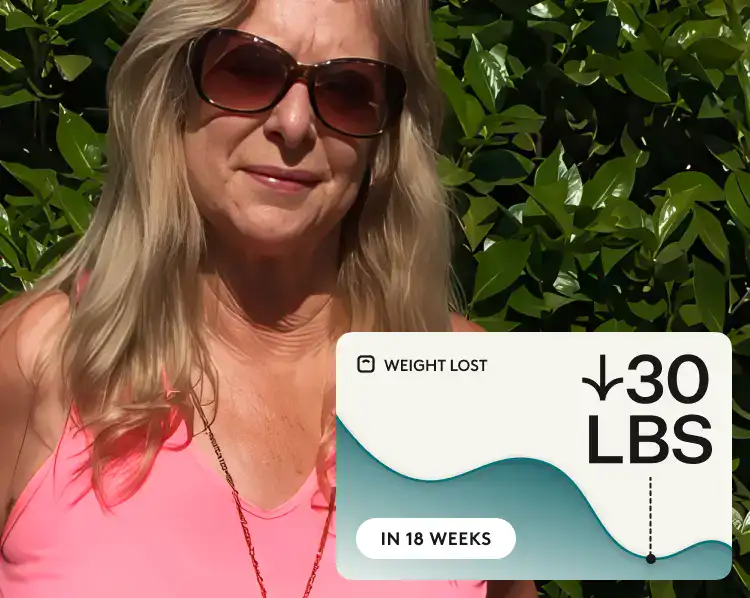
‘’Noom has changed my life and I’m so thankful, I feel great, have more energy and am no longer prediabetic.”
Daisy R. – Real Noom user
Sarah R. — Real Noom user
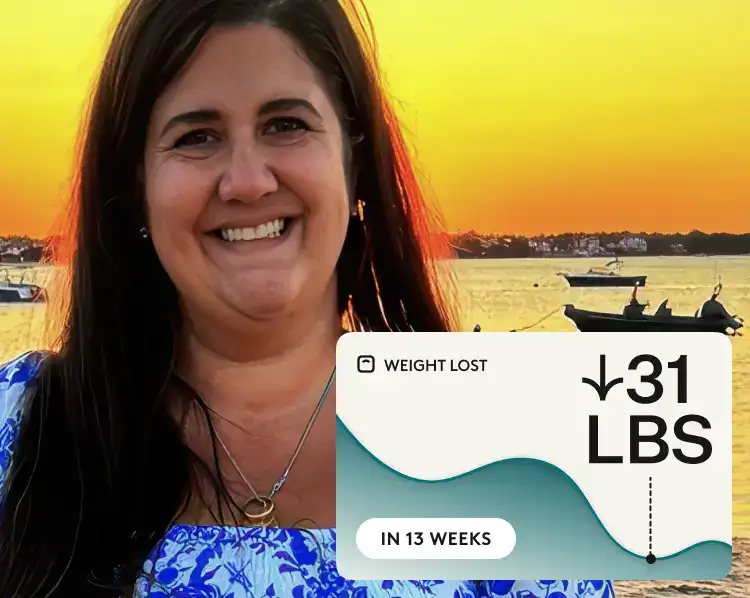
“All of the Noom providers that I’ve met with have been exceptional and prescribed medications that are appropriate for my situation and health.”
Sarah R. – Real Noom user
Madison S. — Real Noom user

“Noom made the process so simple and now I feel full, free from diet obsession, and at ease in my body again.”
Madison S. – Real Noom user
Sonday K. — Real Noom user
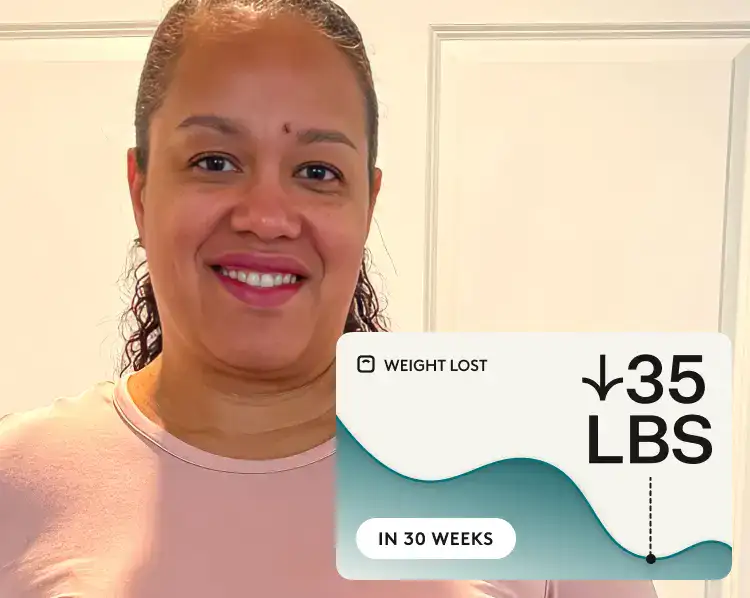
“My doctor recommended Noom after I was frustrated trying to lose weight. The lessons helped change my relationship with food. My body feels lighter & energized.”
Sonday K. – Real Noom user
Cam K. — Real Noom user
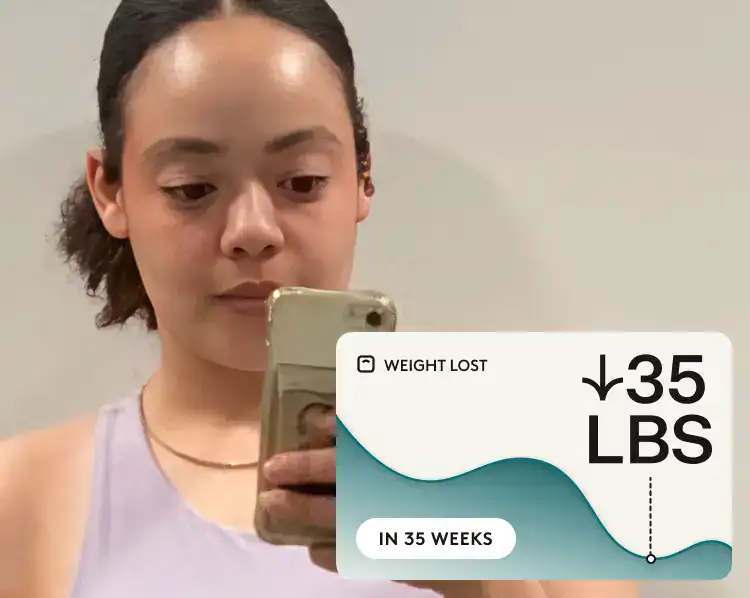
“I built healthy habits with coaching and lessons that make me confident I can maintain my weight loss long term.”
Cam K. – Real Noom user
Laura TR. — Real Noom user

“With the right medication through Noom, hunger and sugar cravings finally quieted and I have the tools to break the cycle.”
Laura TR. – Real Noom user
Jessica S. — Real Noom user
“Cravings and food noise are gone, I finally feel confident in the healthy habits I’ve built to last with Noom.”
Jessica S. – Real Noom user
“The biggest win for your health is reducing processed foods and choosing a heart-healthy fat,” Dr. Mann summarizes. “Even though tallow is a whole food that is unprocessed, its high saturated fat content means you should be mindful about how often you use it.”
While no foods are off-limits at Noom, we suggest viewing all high-saturated fats, including beef tallow, as options for occasional, mindful use.
Want support to integrate heart-healthy foods into your diet? With personalized coaching and science-backed guidance, Noom makes it easier to follow a balanced diet where all foods are allowed in moderation. Download the app now to see all of our new features on iOS & Android.
Editorial standards
At Noom, we’re committed to providing health information that’s grounded in reliable science and expert review. Our content is created with the support of qualified professionals and based on well-established research from trusted medical and scientific organizations. Learn more about the experts behind our content on our Health Expert Team page.