




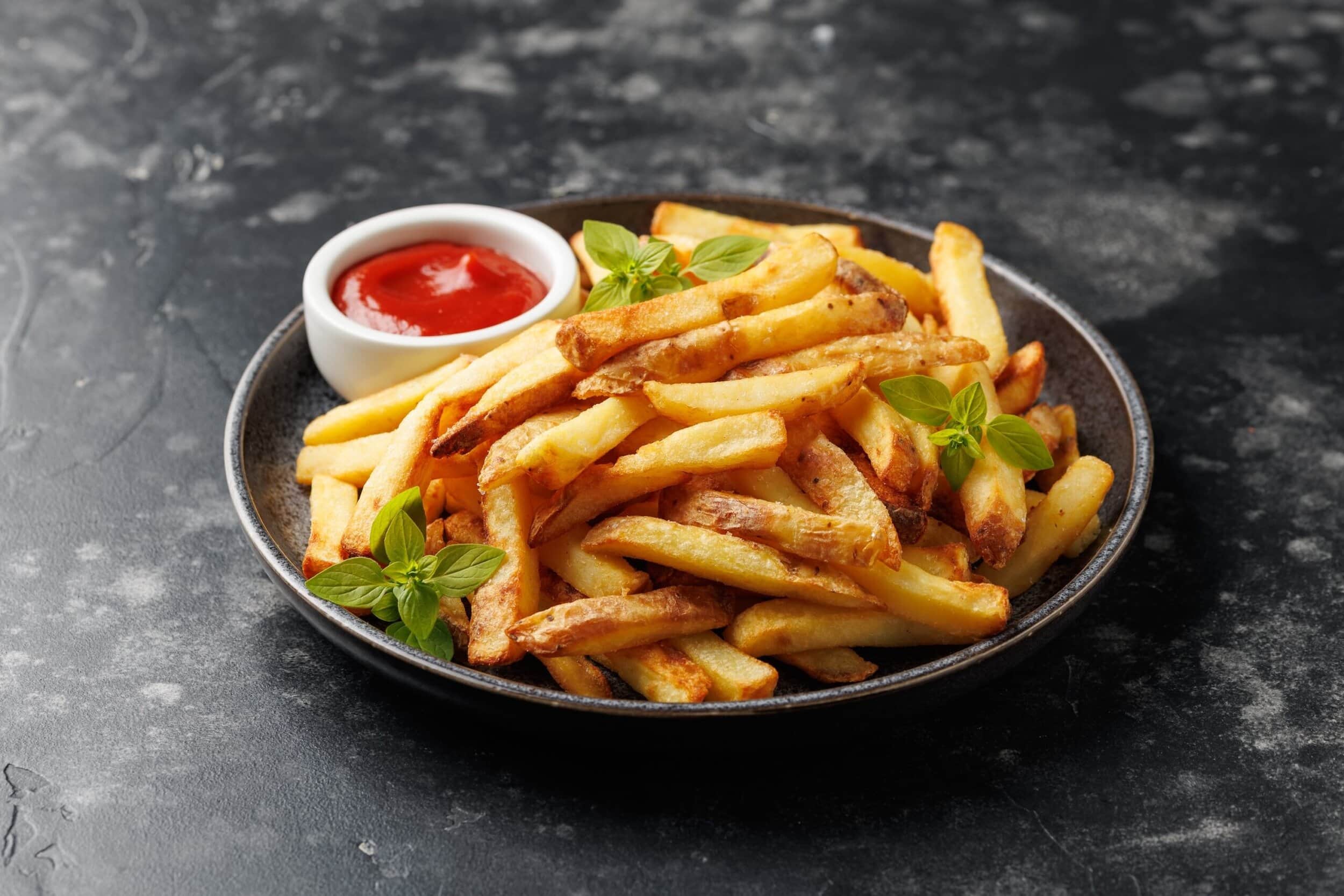
Few foods hit the spot quite like a serving of hot, crispy french fries. Whether they’re fresh from the drive-thru or shared over a meal with friends, fries are one of those foods that feel almost impossible to pass up. And honestly? You don’t have to.
French fries aren’t exactly a “weight loss food”—they’re typically high in calories and fat, especially when deep-fried in oil. But how they’re prepared (and how much you eat) makes a big difference. Baking or air-frying can cut the calories significantly, and being mindful of portions can help you enjoy them without slowing your progress.
We’ll break down what’s actually in a medium order of McDonald’s fries (our baseline for comparison), share simple swaps to make them lighter at home, and show you how fries can still fit into a balanced, sustainable weight loss plan. Because lasting change isn’t about giving up your favorite comfort foods, it’s about learning how to make them work for you
✅ Quick answer
Not exactly. Traditional deep-fried french fries—like the kind from McDonald’s—aren’t the best fit for a weight loss plan. A medium serving has around 333 calories, with very little protein or fiber..
🚀 How french fries can support your goals
- They can provide quick energy: French fries are rich in carbohydrates that your body quickly converts into glucose, the preferred source of fuel. That quick energy boost can be helpful on an especially active day. Just remember: there are more nutrient-dense ways to refuel most of the time.
- They offer psychological satisfaction: Healthy eating isn’t only about nutrients, it’s about enjoyment and sustainability. Allowing yourself an order of fries when you truly want them can reduce feelings of restriction and help prevent overeating later.
- Homemade versions put you in control: When you bake or air-fry fries at home, you control what goes into them. Using minimal oil, experimenting with seasonings, and choosing fresh potatoes (or even sweet potatoes) gives you a satisfying option that fits your goals without the excess calories or fat of fast-food fries.
Rx weight loss, the right way, with Noom
Get access to prescription weight loss medication with Noom.Microdose GLP-1s
Wegovy®

Ozempic®

Metformin

Zepbound®

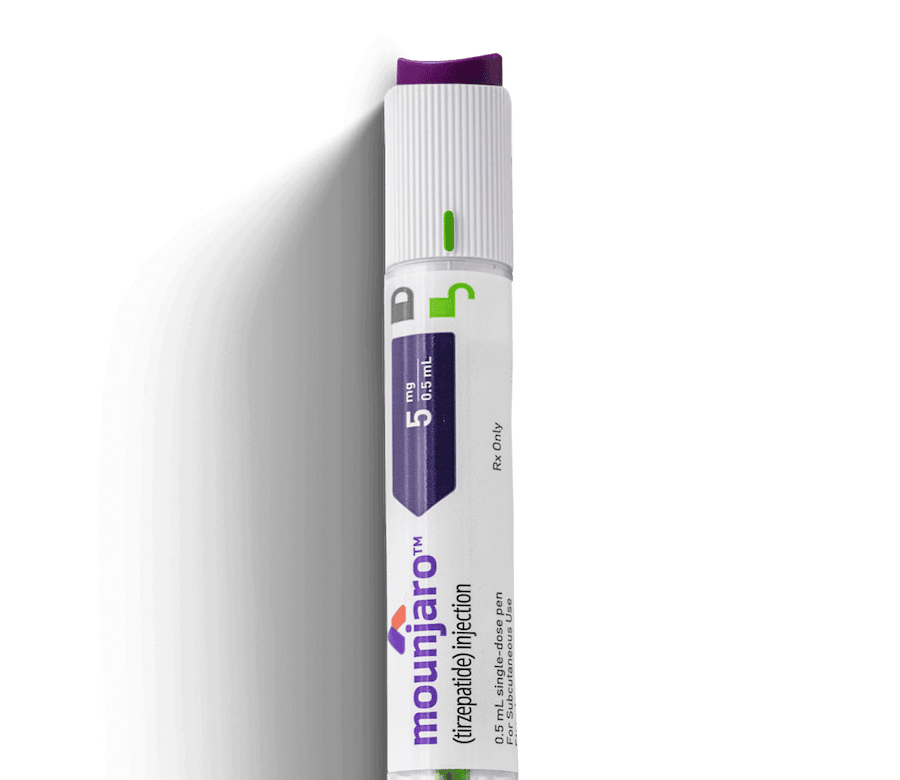
Mounjaro®
Liraglutide

⚠️ Things to be mindful of
- They’re high in calories: A medium order of McDonald’s fries has about 333 calories, roughly 17% of a 2,000-calorie day. For a food that doesn’t keep you full for long, that’s a sizable portion of your daily intake. Upsizing to a large order can easily push that to 400 to 500 calories, which adds up fast if you’re eating them regularly.
- You’ll likely be hungry soon after: Because fries combine refined carbs and fat, they cause a quick spike and then a crash in blood sugar. That drop can leave you feeling tired, irritable, and craving more food within an hour or two. Over time, that pattern can make it harder to stay in tune with hunger cues and maintain steady energy levels.
- They’re low in the nutrients that matter: French fries don’t offer much protein, fiber, or key vitamins—the nutrients that help keep you full and energized. Without them, it’s common to feel hungry again soon after eating, which can make mindful eating (and sticking to your goals) more challenging.
🥗 Nutrients in McDonald’s fries (per 1 medium order, about 117g)
| Nutrient | Amount | % RDA* |
|---|---|---|
| Calories | 333 calories | 17% |
| Protein | 4 g | 8% |
| Total carbs | 43 g | 16% |
| Fiber | 3.7 g | 13% |
| Sugars | 0.2 g | — |
| Total fat | 16 g | 21% |
| – Saturated fat | 2.3 g | 12% |
| – Monounsaturated fat | 7.5 g | — |
| – Polyunsaturated fat | 5.3 g | — |
| Omega-3 | 0.3 g | — |
| Omega-6 | 5.0 g | — |
A medium McDonald’s fries (about 117 grams) comes in around 333 calories, with most of those calories coming from refined carbs and fat. It contains 16 grams of total fat, and while much of that is unsaturated, you’ll still get over 2 grams of saturated fat—roughly 12% of your daily limit.
The 43 grams of carbohydrates mostly come from starchy potatoes, with just 0.2 grams of naturally occurring sugar. Fiber is moderate at 3.7 grams, but since McDonald’s fries don’t include the potato skin, you’re missing some of the fiber found in whole potatoes.
With only 4 grams of protein, fries aren’t particularly filling. This mix of high carbs, high fat, and low protein makes them delicious in the moment but not especially supportive of long-term satiety or steady energy—two key components of sustainable weight loss.
*Recommended dietary allowance (RDA) is defined as the average daily amount of nutrients needed to meet the requirements of nearly all healthy people in a specific group.
💊 Vitamins & minerals in McDonald’s fries (per 1 medium order, about 117g)
| Vitamin/Mineral | Amount | % RDA* |
|---|---|---|
| Potassium | 490 mg | 10% |
| Vitamin B6 | 0.35 mg | 21% |
| Niacin (B3) | 2.7 mg | 17% |
| Thiamin (B1) | 0.15 mg | 13% |
| Vitamin K | 13 μg | 11% |
| Vitamin E | 1.2 mg | 8% |
| Phosphorus | 146 mg | 12% |
| Manganese | 0.30 mg | 13% |
| Iron | 0.7 mg | 4% |
| Vitamin C | 4.7 mg | 5% |
French fries get a bad rap—but since they start as potatoes, they still provide some vitamins and minerals. The standout is potassium, offering about 10% of your daily needs. Potassium helps regulate blood pressure and supports healthy nerve and muscle function.
You’ll also find a modest boost of B vitamins, especially vitamin B6 (21% RDA), which supports metabolism and brain health, and niacin (17% RDA), which helps convert food into energy. Smaller amounts of vitamin K, vitamin E, and minerals like phosphorus and manganese round out the profile.
That said, context matters. While fries contain these nutrients, their high-calorie, fat, and sodium content outweigh the benefits. You’d get the same micronutrients—and more fiber—from a baked or air-fried potato for a fraction of the calories. So if you’re eating fries for the vitamins, there are definitely smarter sources to choose from.
🔍 Nutrient breakdown
Glycemic index (GI) of french fries
Glycemic index: 75 (High)
💡 Tip: High-GI foods cause rapid spikes in blood sugar followed by crashes, which can increase hunger and cravings. If you do have fries, consider pairing them with protein to help slow down sugar absorption and keep your energy more stable.
Are fries high in protein?
❌ No – A medium order contains only 4 g of protein. This is quite low and won’t contribute significantly to feelings of fullness or help maintain muscle during weight loss. Protein is essential for satiety, and the lack of it is one reason fries don’t keep you satisfied for long.
Better protein alternatives: Grilled chicken breast | Greek yogurt | Hard-boiled eggs
Are fries high in fiber?
❌ No – A medium order has 3.7 grams of fiber, which is moderate but not enough to be considered a high-fiber food. Many other foods offer much more fiber for fewer calories, especially when you consider that most of this fiber would be higher if the potatoes were prepared with skins on.
💡 Tip: Aim for at least 25-30 grams of fiber daily from sources like vegetables, fruits, legumes, and whole grains to support weight management and digestive health.
Are fries low in carbs?
❌ No – A medium order has 43 grams of carbs, making fries a high-carbohydrate food. These are primarily starchy carbohydrates from the potato. For those on low-carb or ketogenic diets, french fries are definitely not a suitable choice.
💡 Tip: For sustained energy during weight loss, focus on complex carbohydrates from sources like oatmeal, quinoa, sweet potatoes, and whole-grain bread rather than refined, fried options.
Are fries gluten-free?
✅ Yes, but with caution – Potatoes are naturally gluten-free, making the fries themselves safe. However, cross-contamination is a significant risk in restaurant settings where fryers may be shared with battered, gluten-containing items like chicken nuggets or fish fillets. Always confirm with the restaurant if you have celiac disease or gluten sensitivity. McDonald’s has stated that their fries may contain wheat ingredients in some locations.
Are fries good for fat loss?
❌ No, but occasionally okay – Due to their high calorie and fat content combined with low satiety, fries aren’t ideal for fat loss. That said, if you truly love fries and denying yourself completely feels unsustainable, having them occasionally (think once every week or two) as part of an overall balanced diet won’t derail your progress. The key is making it a conscious, enjoyable choice rather than a daily habit. Better yet, make baked or air-fried versions at home to cut calories by more than half.
💡 Tip: Effective fat loss comes from creating a moderate calorie deficit filled mostly with nutrient-dense foods that keep you full and energized. Save treats like fries for times when you’ll really enjoy them.
| Diet | ✅ Yes / ❌ No | Why |
|---|---|---|
| Keto | ❌ | Too high in carbs—one medium order (43 g) exceeds the daily limit and knocks you out of ketosis. |
| Paleo | ❌ | Excludes white potatoes and foods fried in refined oils; fries don’t fit the framework. |
| Mediterranean | ❌ | Limits fried and processed foods. Try oven-roasted potatoes with olive oil instead. |
| Vegan | ✅ | Usually vegan if cooked in vegetable oil (not beef tallow). Check for cross-contamination. |
| Gluten-free | ⚠️ | Potatoes are gluten-free, but McDonald’s fries use a wheat-derived flavoring and shared fryers. |
Most structured, health-focused diets don’t make space for traditional deep-fried french fries. Whether it’s keto’s carb limits, Paleo’s whole-food rules, or the Mediterranean diet’s focus on minimally processed foods, restaurant fries usually don’t fit.
That said, more flexible approaches to eating can absolutely include fries once in a while—especially homemade, lighter versions. The key is how often you eat them, how they’re prepared, and how much you have. Think of fries as a “sometimes” food to enjoy mindfully, not an everyday side. When you can, choose baked or air-fried versions for the same crispy satisfaction with fewer calories and less fat.
🌟 Are french fries healthy? What are the health benefits
Metabolic health: Are french fries good for your metabolism?
- Boosts metabolism? ❌ No – French fries don’t contain any ingredients or compounds that meaningfully boost your metabolism. In fact, regularly eating foods high in refined carbs and saturated fats can negatively impact metabolic health over time, potentially contributing to insulin resistance.
- Improves insulin sensitivity? ❌ No – As a high-glycemic food, french fries cause a rapid spike in blood sugar and insulin. While one order occasionally won’t harm you, frequent consumption can gradually reduce your cells’ sensitivity to insulin, which is a risk factor for type 2 diabetes.
- Effect on fat storage? May promote – When you eat high-carb, high-fat foods like fries, your body releases insulin to manage blood sugar. Insulin also signals your body to store excess energy, particularly as body fat. If eaten frequently or in the context of excess calories, fries can contribute to fat storage.
Cholesterol impact: Do french fries affect cholesterol levels?
- Does it lower LDL (bad) cholesterol? ❌ No – The type of oil used for frying matters tremendously. Even when using vegetable oils, the high heat of deep-frying can create oxidized lipids that are detrimental to heart health. While McDonald’s eliminated trans fats, frequent consumption of fried foods can still negatively impact cholesterol levels.
- Does it raise HDL (good) cholesterol? ❌ No – There’s no evidence that eating french fries positively impacts HDL cholesterol. Foods that support healthy HDL levels are typically rich in monounsaturated fats and omega-3 fatty acids, like avocados, nuts, fatty fish, and olive oil—not deep-fried potatoes.
- Overall impact on heart health? – The combination of high calories, saturated fats, refined carbohydrates, and typically high sodium (McDonald’s fries contain about 190mg sodium) makes fries less than ideal for cardiovascular health when consumed regularly. However, having them occasionally as part of an otherwise heart-healthy diet (rich in fruits, vegetables, whole grains, and healthy fats) is unlikely to cause harm.
💡 Tip: For heart health, focus on incorporating more foods like walnuts, almonds, salmon, olive oil, and avocados into your regular diet. These provide healthy fats that actively support cardiovascular function.
Can I eat french fries for a calorie deficit?
Yes, but with caution – Technically, any food can fit into a calorie deficit if you account for it in your daily calorie budget. The challenge with fries is that 333 calories provide very little satiety: you’re not getting much protein or fiber to keep you full. This can make it harder to stay within your calorie goals for the rest of the day without feeling deprived. If you really want fries, plan for them by eating lighter, protein-rich meals around them, and make sure it’s an occasional choice. Better yet, make air-fried or baked versions at home to enjoy the same satisfaction for about 150 calories.
💡 Tip: If you’re craving something savory and crispy while in a calorie deficit, consider alternatives like roasted chickpeas, air-fried zucchini fries, or baked sweet potato wedges. These options provide more volume and nutrition for similar or fewer calories.
Are french fries rich in antioxidants?
❌ No – While potatoes contain some antioxidants like Vitamin C and phenolic compounds in their natural state, the high-heat deep-frying process significantly degrades these beneficial compounds. The negative health effects of frying—creation of potentially harmful compounds, added fats, and high calorie density—far outweigh any minor antioxidant benefits that may remain.
Do french fries support gut health?
❌ No – A diet high in fried foods and refined carbohydrates, with relatively low fiber content, doesn’t support a healthy gut microbiome. Beneficial gut bacteria thrive on fiber from whole foods, while diets high in fat and low in fiber can negatively alter the gut ecosystem. While potatoes contain some resistant starch when cooked and cooled, this benefit is minimal in hot, freshly fried fries.
Do french fries support digestion?
Negative – The high fat content in deep-fried foods can slow stomach emptying, potentially leading to feelings of bloating and indigestion for some people. While the fiber content (3.7g) is moderate, it’s not high enough to significantly support digestive health, especially when packaged with all that fat.
Do french fries help you feel satiated and less hungry?
Low satiety – French fries are a classic example of a “hyper-palatable” food designed to taste amazing but not fill you up. The lack of protein and moderate (not high) fiber, combined with quick-digesting refined carbs and fat, means fries leave you feeling hungry again relatively quickly—often within an hour or two. The combination of salt, fat, and starchy texture can even override your natural fullness cues, making them easy to overeat.
Satiety Level: Low
💡 Tip: To increase satisfaction from fries, pair a smaller portion with plenty of protein and vegetables. For example, have a small fry alongside a grilled chicken sandwich (hold the mayo) with a side salad, or enjoy a handful of baked fries with a protein-rich main dish and steamed veggies.
Do french fries help with nighttime cravings?
❌ No – Eating fries at night can actually worsen cravings. The blood sugar spike followed by a crash can disrupt sleep quality or leave you feeling hungry again before bed, potentially triggering more snacking. If you’re craving something savory at night, options like air-popped popcorn, roasted chickpeas, or veggie sticks with hummus tend to be more satisfying without the sugar rollercoaster.
💡 Tip: If nighttime cravings are an issue, ensure you’re eating enough protein and fiber throughout the day. Sometimes evening cravings signal that you didn’t eat enough earlier, or that you need more balanced meals during the day.
Do french fries help reduce inflammation?
❌ No – Diets high in fried foods, processed vegetable oils (especially omega-6), and high-glycemic carbohydrates are associated with increased inflammation in the body. Chronic inflammation is linked to various health issues, from joint pain to increased disease risk. While one order of fries won’t cause inflammation, regular consumption as part of a diet high in processed foods can contribute to it.
Are french fries beneficial for brain health?
❌ No – The blood sugar instability caused by eating high-carb, low-protein foods can actually impair cognitive function and mood. The sugar crash that follows the initial spike can lead to brain fog, difficulty concentrating, and irritability. For optimal brain health, focus on steady blood sugar through balanced meals with protein, healthy fats, and complex carbs. That said, potatoes themselves do contain Vitamin B6, which supports brain function—you just get more of it from baked potatoes without the downsides of frying.
Can french fries improve skin and hair health?
❌ No – High-glycemic foods and fried items have been linked to skin issues, including acne, through mechanisms like inflammation and glycation (where sugar molecules damage proteins). Fries provide no beneficial nutrients for skin or hair health, like vitamins A, C, E, or biotin, which are found in whole foods like vegetables, fruits, nuts, and eggs.
Can french fries help balance hormones?
❌ No – The large insulin surge triggered by the high carb and fat content can disrupt hormonal balance when fries are consumed frequently. This can affect hormones that regulate appetite (like leptin and ghrelin), stress (cortisol), and even reproductive hormones over time. Hormonal balance is best supported by whole foods, adequate protein, healthy fats, and stable blood sugar.
💡 Tip: For hormonal health, focus on eating regular meals with plenty of protein, healthy fats from sources like avocados and nuts, and fiber-rich vegetables. Getting adequate sleep and managing stress also play huge roles in maintaining hormone balance.
🍽️ Best ways to eat french fries for weight loss
- Air-fry them at home: An air fryer gives you the same crispy texture with little to no oil, cutting calories by more than half compared to deep-frying. Slice potatoes into wedges or thin strips, toss with a teaspoon of olive oil and your favorite seasonings (like garlic powder, paprika, or black pepper), and air-fry until golden. You’ll get that fry satisfaction for around 150 calories instead of over 300.
- Bake them in the oven: Oven-baking is another low-fat way to get crispy fries. Spread sliced potatoes on a parchment-lined sheet, drizzle with minimal olive oil, and roast at 425°F until browned and crisp. You’ll control the ingredients and can use flavorful herbs like rosemary, thyme, or smoked paprika instead of relying on salt.
- Share or downsize your order: When you want the real deal while eating out, try splitting a medium with a friend or ordering a small instead. A small McDonald’s fries (230 calories) saves about 100 calories compared to a medium.
- Make it special, not routine: The best long-term strategy is to treat fries as an occasional treat, not an everyday side. Save them for times when you’ll truly enjoy them—like a weekend meal out with friends. When fries become a mindful indulgence instead of a daily habit, you can enjoy them and stay on track with your goals.
🍏 Best alternatives & comparisons (Per 100g for easy comparison)
| Food | Calories | Carbs | Fiber | Protein | Fat |
|---|---|---|---|---|---|
| McDonald’s fries (medium) | 285 | 37 g | 3.2 g | 3.4 g | 14 g |
| Baked sweet potato fries | 147 | 32.5 g | 4.9 g | 2.5 g | 0.5 g |
| Air-fried zucchini fries | 50 | 7 g | 2 g | 3 g | 1.5 g |
| Roasted carrot fries | 65 | 15 g | 4.4 g | 1.4 g | 0.4 g |
| Baked potato wedges (skin-on) | 93 | 21.1 g | 2.2 g | 2.5 g | 0.1 g |
| Steamed white potato | 87 | 20.1 g | 2.2 g | 2 g | 0.1 g |
Note: McDonald’s fries converted to per 100g for comparison (medium order is 117g). Nutritional data is approximate and sourced from USDA FoodData Central.
This comparison table highlights just how much the cooking method changes everything. Deep-fried restaurant fries—like those from McDonald’s—pack nearly twice the calories and many times more fat than simple baked potato wedges. Most of that difference comes from the oil absorbed during frying.
Vegetable-based swaps like zucchini or carrot fries deliver the same crispy satisfaction with a fraction of the calories and more fiber and micronutrients. They’re a smart choice when you want volume and flavor without the extra fat.
Even small changes—like choosing baked sweet potato fries or oven-baked wedges—can cut calories in half or more, making it easier to stay in a calorie deficit while still enjoying foods you love. Ultimately, how you cook your fries matters far more than whether you eat them at all.
Frequently asked questions about french fries and weight loss
Can I eat french fries every day and still lose weight?
Technically, yes, if they fit within your calorie deficit, but it’s not advisable. Daily 333-calorie servings of fries would be difficult to fit into most weight loss calorie budgets without crowding out more nutritious foods. You’d likely find yourself hungry and struggling to meet your protein and fiber needs. For sustainable weight loss, it’s better to fill your daily calories with nutrient-dense foods that support satiety and energy, and save fries for occasional enjoyment, think once a week or a couple times a month.
What’s the healthiest way to order fries at a restaurant?
If you’re ordering fries out, go for the smallest size available and skip any loaded toppings like cheese, bacon, or ranch dressing; these can easily double the calorie count. Ask if they have baked or air-fried options (some health-conscious restaurants do). Share a medium order with someone rather than eating a whole serving yourself. And most importantly, pair your fries with a balanced meal that includes lean protein (grilled chicken, fish, or a veggie burger) and vegetables to help balance out the nutritional profile.
Will one order of fries ruin my diet?
Absolutely not. One medium order of fries will not derail your weight loss progress or ruin your diet. What matters is your overall eating pattern over time, not one individual food choice. If you’ve been eating nutritious foods and staying in a reasonable calorie range most of the time, one order of fries enjoyed mindfully is perfectly fine. The trouble comes when “one order” turns into daily fries or triggers overeating on other foods. Practice moderation, enjoy your fries, and move on without guilt.
Are sweet potato fries healthier than regular fries?
It depends entirely on how they’re prepared. If both are deep-fried, sweet potato fries aren’t significantly healthier—they might have slightly more fiber and vitamin A, but they have similar calories and fat when fried. However, if you’re comparing baked sweet potato fries to deep-fried regular fries, then yes, the baked sweet potato version is much healthier with roughly half the calories and far less fat. The preparation method matters more than the type of potato.
How can I satisfy my french fry craving without eating fries?
If you’re craving fries, it’s often okay to have them. Sometimes resisting a craving completely can lead to eating more later. That said, if you’d like something crispy and salty with better nutrition, try:
- Crispy roasted chickpeas seasoned with salt and paprika
- Baked zucchini or carrot “fries” with herbs
- Jicama sticks with a squeeze of lime and chili powder
- Air-fried potato wedges with the skin on, using minimal oil
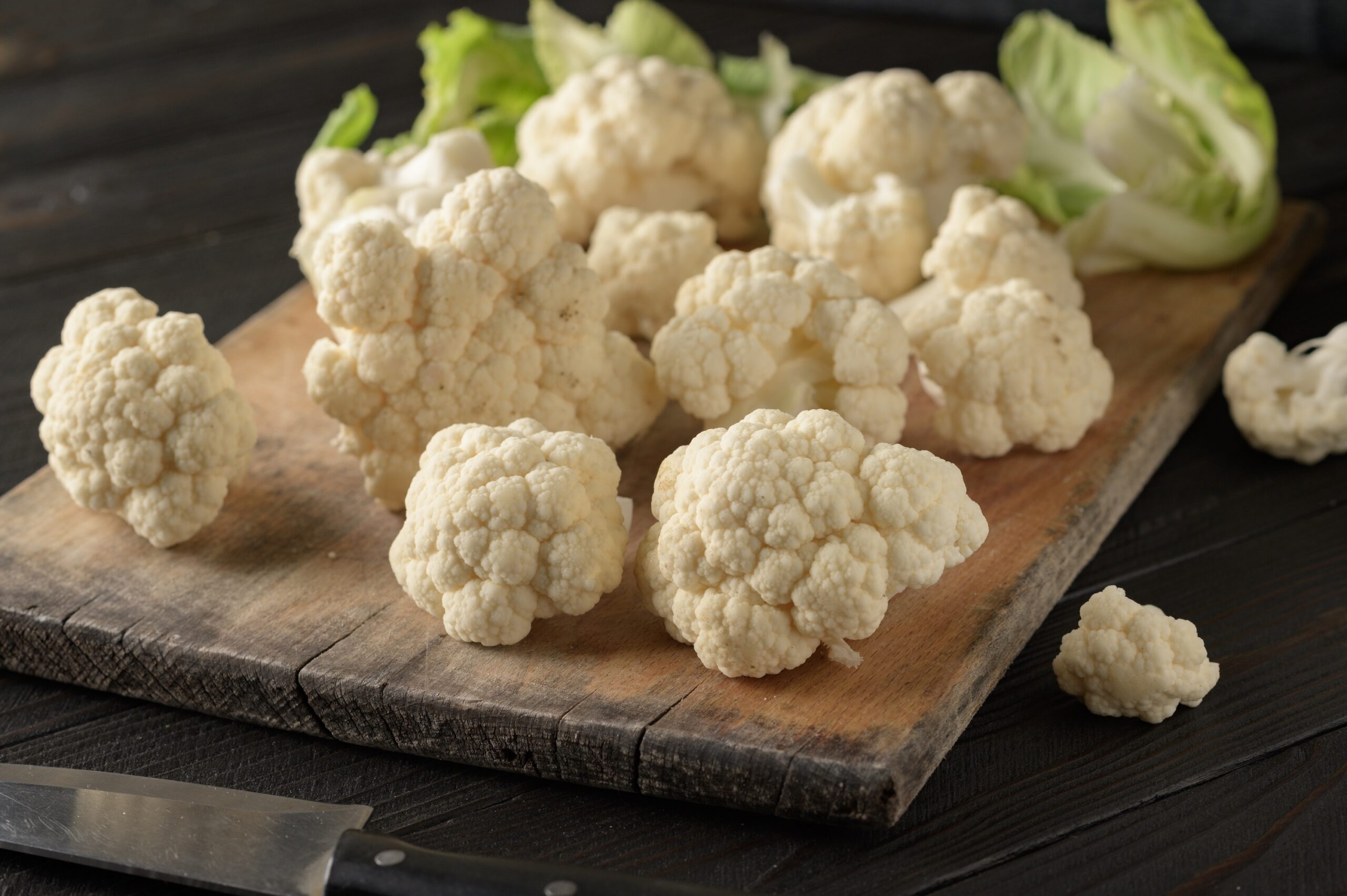
- Roasted cauliflower “fries” with parmesan and garlic
These options offer similar textures and savory flavors with extra fiber, fewer calories, and more nutrients, helping you stay satisfied while keeping your goals in sight.
Is it better to have fries or onion rings?
Both are deep-fried and high in calories, but fries are generally the lighter choice. A medium order of fries typically has 300 to 350 calories, while a comparable serving of onion rings can easily have 400 to 500 calories due to the thick batter coating that absorbs even more oil. If you’re choosing between the two at a restaurant, go for the fries and order the smallest size available. Better yet, choose a side salad, steamed vegetables, or fresh fruit when it’s an option.
When is the best time of day to eat french fries?
If you’re going to have fries, earlier in the day is generally better than late at night. Eating high-carb, high-fat foods close to bedtime can interfere with sleep quality and blood sugar stability overnight. That said, if you’re out for dinner and really want fries, go for it—just keep the portion reasonable and pair them with protein and vegetables. Timing matters less than overall balance and frequency.
The bottom line: French fries are best as an occasional snack
Let’s be real—deep-fried french fries from restaurants aren’t a “weight loss food.” They’re high in calories, fat, and refined carbs, and low in the protein and fiber that keep you satisfied. Deep-frying adds hundreds of extra calories without much nutritional value, and the combo of salt, fat, and starch makes them especially easy to overeat.
Reviews from real Noom users
Desirea N. — Real Noom user
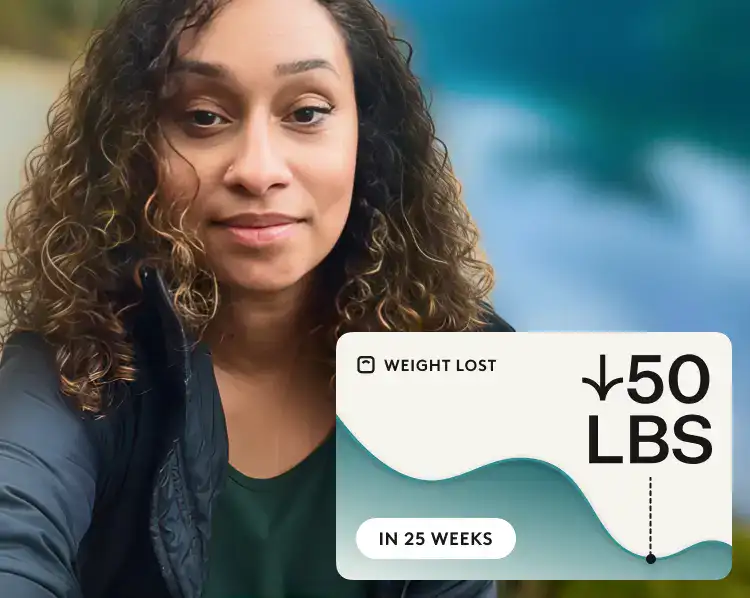
“My favorite parts of Noom are the care team and other Noomers. Sharing and getting help made me feel like I wasn’t doing it alone. That support made all the difference.”
Desirea N. — Real Noom user
Matthew M. — Real Noom user
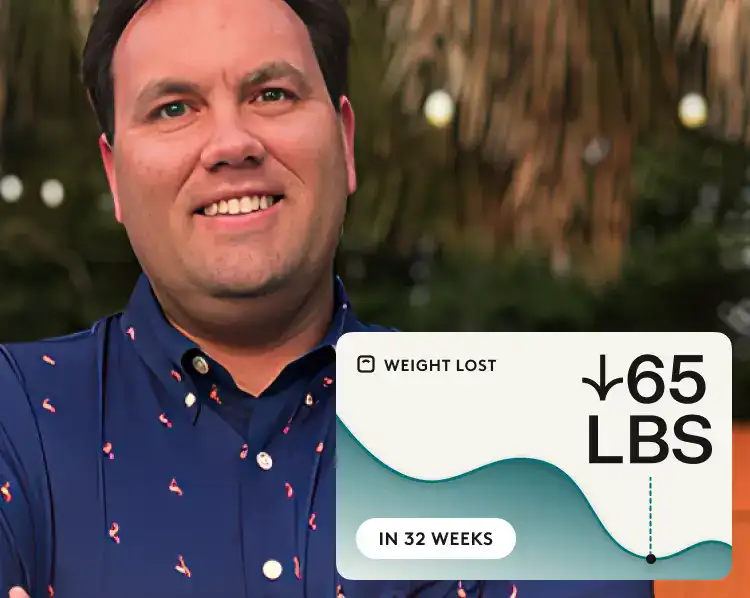
“Noom has taught me that every day is a new chance to make better, healthier choices. It's taught me how to stop overeating.’’
Matthew M. — Real Noom user
Lila M. — Real Noom user
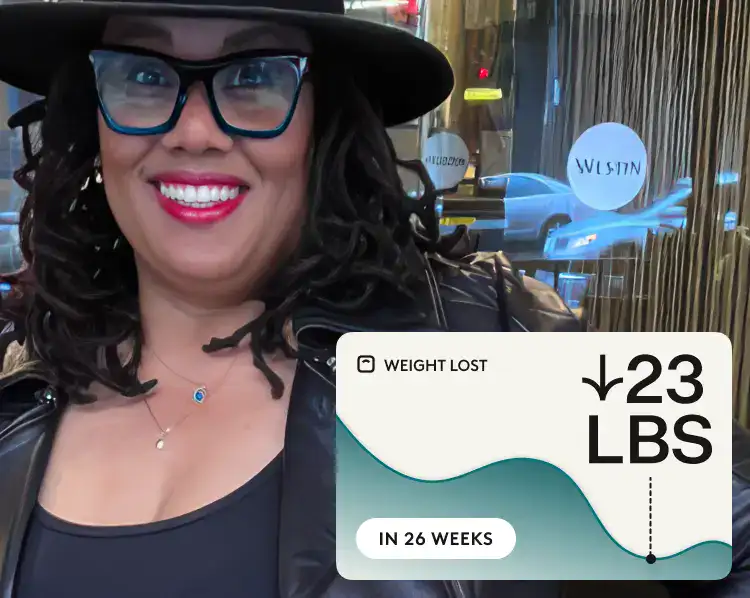
“Clinicians who understand how supportive medication can be is one of the best parts of Noom! I was convinced I wouldn’t have success but I’m down 11 pounds in two months.’’
Lila M. — Real Noom user
Steve M. — Real Noom user
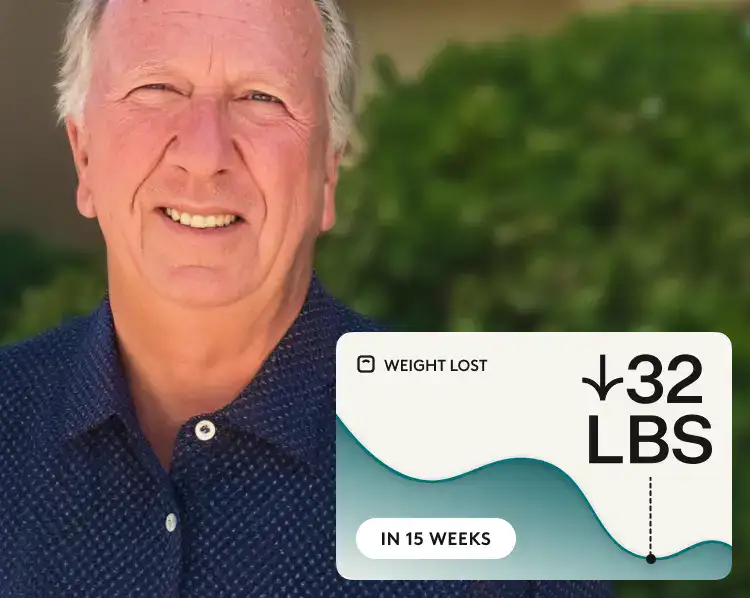
“Noom provided me with the medication which I could not get through Medicare. I have learned the tricks to better eating and life in general.”
Steve M. – Real Noom user
Daisy R. — Real Noom user
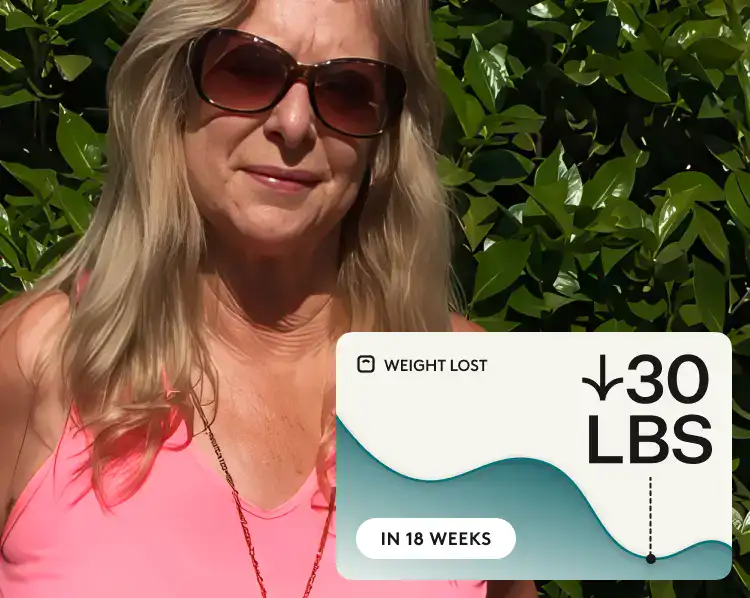
‘’Noom has changed my life and I’m so thankful, I feel great, have more energy and am no longer prediabetic.”
Daisy R. – Real Noom user
Sarah R. — Real Noom user
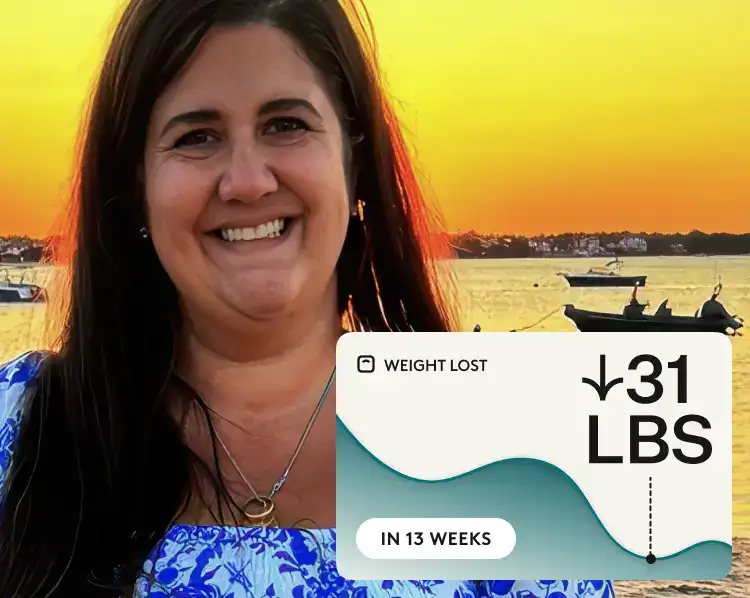
“All of the Noom providers that I’ve met with have been exceptional and prescribed medications that are appropriate for my situation and health.”
Sarah R. – Real Noom user
Madison S. — Real Noom user

“Noom made the process so simple and now I feel full, free from diet obsession, and at ease in my body again.”
Madison S. – Real Noom user
Sonday K. — Real Noom user
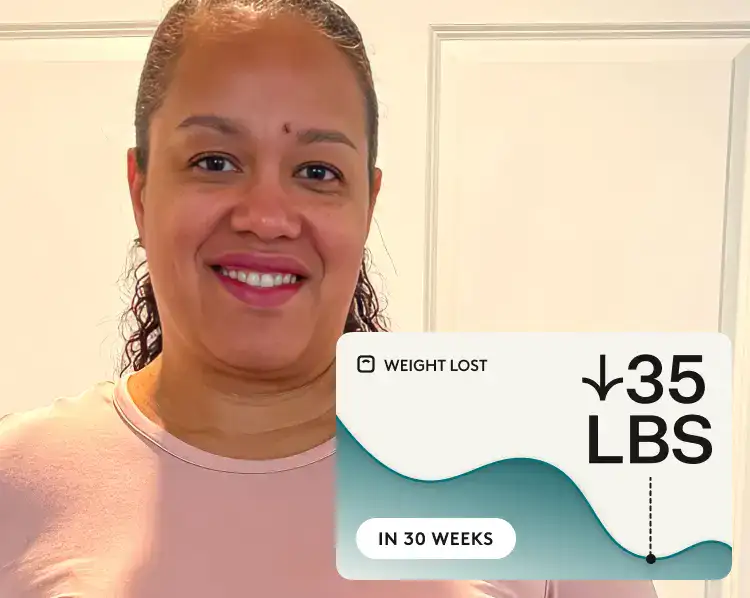
“My doctor recommended Noom after I was frustrated trying to lose weight. The lessons helped change my relationship with food. My body feels lighter & energized.”
Sonday K. – Real Noom user
Cam K. — Real Noom user
“I built healthy habits with coaching and lessons that make me confident I can maintain my weight loss long term.”
Cam K. – Real Noom user
Laura TR. — Real Noom user

“With the right medication through Noom, hunger and sugar cravings finally quieted and I have the tools to break the cycle.”
Laura TR. – Real Noom user
Jessica S. — Real Noom user
“Cravings and food noise are gone, I finally feel confident in the healthy habits I’ve built to last with Noom.”
Jessica S. – Real Noom user
You don’t have to give up fries completely. What matters most is how they’re made and how often you eat them. Baking or air-frying potatoes at home can deliver the same crispy satisfaction for less than half the calories—around 150 calories per serving compared to 333 for a medium McDonald’s order. When you make them yourself, you also keep more of the nutrients in the potato, like potassium and vitamin B6, while cutting the excess fat.
When you do go for restaurant fries, make it a mindful choice: order a small, share with someone, skip the loaded toppings, and balance your meal with lean protein and vegetables. Think of fries as an occasional treat, something to enjoy once in a while, not every day.
At the end of the day, sustainable weight loss isn’t about perfection—it’s about balance and awareness. When most of your meals include whole foods, lean proteins, and plenty of vegetables, there’s absolutely room for fries now and then—especially when they’re homemade, portion-controlled, and truly enjoyed.
📖 Scientific evidence
- Fried food consumption increases heart disease risk (Heart, 2021) – A large review found that eating fried foods often—including french fries—was linked to a higher risk of heart disease and stroke. Each extra serving per week (about one medium order of fries) raised the risk of major heart problems by about 3%.
- French fries are linked to long-term weight gain (The New England Journal of Medicine, 2011) – A long-term study of more than 120,000 adults found that eating more foods like potato chips and french fries was closely tied to gradual weight gain. Each extra serving of french fries per day was linked to about 3 pounds of weight gain over four years.
- Potato consumption and Type 2 diabetes risk (Diabetes Care, 2016) – A large U.S. study tracking over 120,000 adults found that eating potatoes more often—especially fries—was linked to a higher risk of developing type 2 diabetes. Each extra serving of fries per week was tied to about a 19% higher risk of diabetes.
- Cooking method affects potato glycemic index (Foods, 2022) – How potatoes are cooked significantly changes how they affect blood sugar. Mashed and boiled potatoes tend to have higher glycemic index (GI) values than fried, baked, or microwaved ones, but french fries still rank high because of starch changes during processing. Potatoes made into fries generally have a higher GI than potato chips.
- Frequent fried food consumption linked to higher blood pressure (British Journal of Nutrition, 2016) – A large study found that adults who ate fried foods more than twice a week had significantly higher odds of developing high blood pressure. Men in this group were about 60% more likely, and women were about 120% more likely, to have hypertension compared to those who rarely ate fried foods.
Editorial standards
At Noom, we’re committed to providing health information that’s grounded in reliable science and expert review. Our content is created with the support of qualified professionals and based on well-established research from trusted medical and scientific organizations. Learn more about the experts behind our content on our Health Expert Team page.