
What you’ll learn:
- Generic liraglutide is the first GLP-1 available in generic form, offering the same active ingredient as Saxenda® and Victoza®.
- Weight loss with generic liraglutide is steady and can range from 5-10% over 12 months.
- Costs vary widely and depend on dose, pharmacy pricing, and whether insurance covers the medication for your specific use.
GLP-1 medications have become very popular, and with that, attention has come a lot of new names, options, and questions. Most of the buzz tends to center on semaglutide (Wegovy® and Ozempic®) and tirzepatide (Zepbound® and Mounjaro®). But long before once-weekly injections became the standard, another GLP-1 was already helping people lose weight and manage blood sugar: liraglutide.
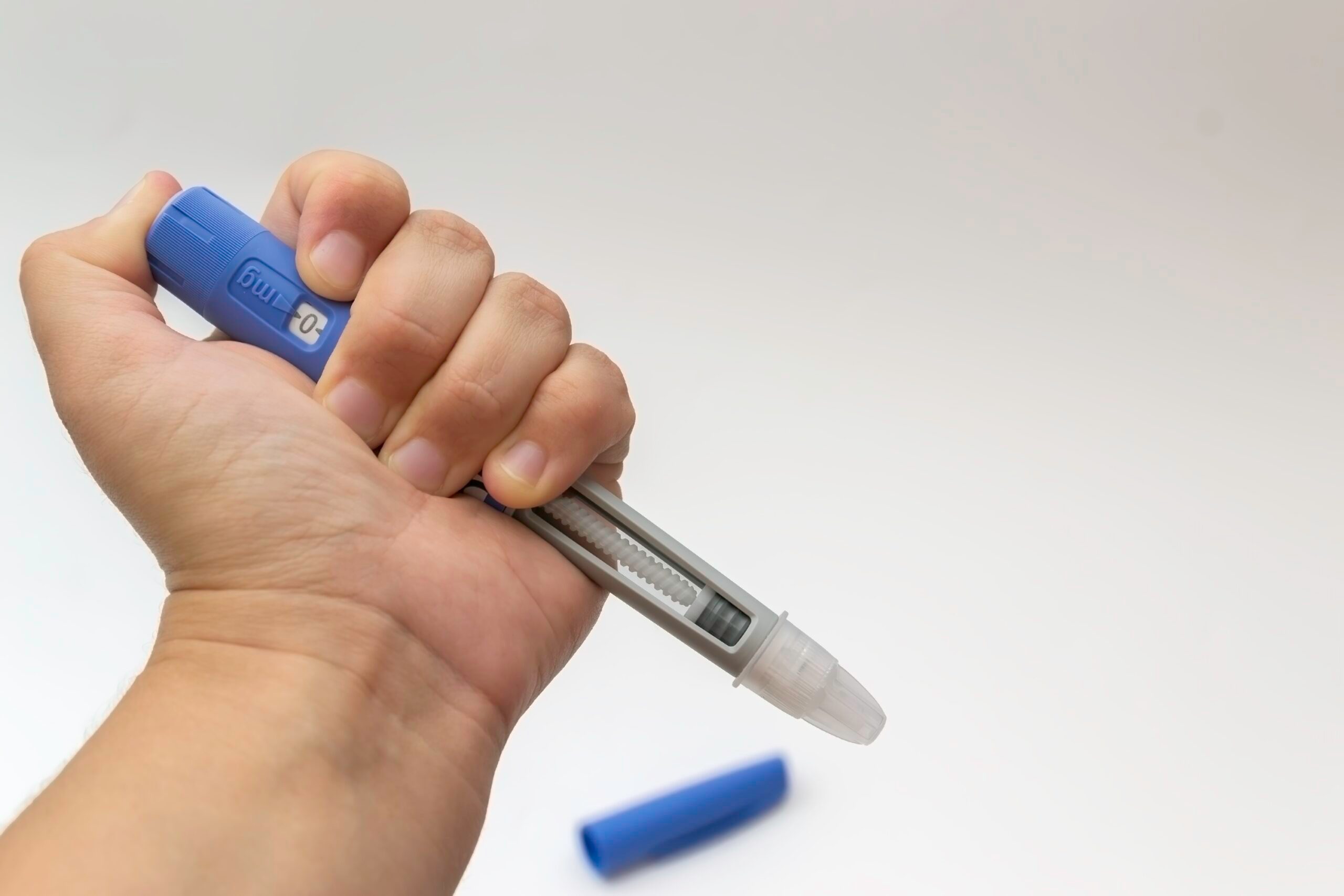
Liraglutide is the active ingredient in Victoza® (approved for diabetes and heart disease management) and Saxenda® (approved for weight management). As a once-daily injections, these medications really didn’t get the amount of attention as the once-weekly GLP-1s, but they can still be very effective.
Now, liraglutide is getting renewed attention because it’s become the first GLP-1 medication available in generic form for all approved purposes. That’s a huge development since GLP-1s can be expensive, and insurance coverage (or lack of it) often determines who can take these medications.
With the approval for all uses, generic liraglutide is now within reach for some people who haven’t been able to access it, particularly those who want to use it for weight management.
We’ll walk through how it works, what kind of results are realistic, and what kind of side effects to expect. Plus, we’ll go through how much it typically costs and how it compares with newer GLP-1 medications—so you can decide what makes sense for your body, your lifestyle, and your budget.
How does generic liraglutide work?
Generic liraglutide is made with the same active ingredient used in the branded medications Saxenda® and Victoza. It works in the same way, but is produced by different manufacturers, which can make it more affordable than brand-name options.
Generic liraglutide mimics GLP-1, a hormone your body releases after eating that helps regulate appetite, digestion, and blood sugar. As a GLP-1 receptor agonist, it attaches to the GLP-1 receptors in your brain, stomach, and pancreas. When these receptors are activated, several things happen that can support weight management:
- Appetite is lowered
- Digestion slows
- Blood sugar is regulated
Liraglutide doesn’t stay active in the body as long as some newer GLP-1 medications that contain semaglutide or tirzepatide. It must be injected once daily to keep these effects going over time, especially when paired with reduced-calorie eating and regular movement.
Generic liraglutide: How is it different from Saxenda®?
Saxenda® and generic liraglutide are made with the same active ingredient: liraglutide. The real differences come down to branding, who manufactures the medication, and how much it costs.
- Saxenda® is the brand-name version and is FDA-approved specifically for weight management. Treatment typically starts at 0.6 mg once daily and is slowly increased over several weeks to a 3.0 mg once-daily maintenance dose. Read more about how people take Saxenda® for weight loss.
- Generic liraglutide is approved for the same purpose, at the same doses. It’s also approved for the same indications as Victoza®, including type 2 diabetes management and certain heart health benefits. The biggest practical difference is that generic versions are made by different manufacturers, who can set their own price. This might make them more affordable, but as you’ll see, insurance, manufacturer’s discounts, and other factors can determine the final price.
Generic liraglutide: Weight loss potential
Weight loss with generic liraglutide varies from person to person, depending on factors like starting weight, dose, and day-to-day habits. When combined with healthy eating and regular movement, on average, people lose about 5 to 10% of their starting weight over 6 to 12 months.
For someone who weighs 200 pounds, that’s roughly 10 to 20 pounds. Results aren’t the same for everyone, and progress tends to be steadier—not dramatic—especially when the focus is on building sustainable habits alongside the medication.
When will you start seeing changes?
Progress with generic liraglutide follows a typical pattern:
- First weeks: Most people notice appetite changes within the first few weeks.
- 3 months: People see an average of 3 to 4% reduction in body weight.
- 6 to 12 months: At 6–12 months, many people lose around 5 to 10% of their body weight.
While weight loss varies for each person, real-world data shows that those who stay on the medication achieve at least 5% reduction by 16 to 24 weeks.
Your outcomes depend on consistent daily use plus your daily habits. People who focus on balanced meals with adequate protein, choose minimally processed foods, and stay active tend to see better outcomes.
Evidence consistently demonstrates that the medication works best with a reduced-calorie eating plan and regular physical activity. Missing doses or stopping treatment often leads to appetite returning and potential regain, which is why building sustainable habits alongside medication use is so important.
Generic liraglutide: Cost and insurance considerations
Generic liraglutide can be more affordable than full-price brand-name GLP-1 medications, but it’s still a big investment for most people. The price you pay depends on where you fill the prescription, which dose you use, and whether you’re paying cash or using insurance. Many people find that they need to look at both retail prices and insurance coverage to understand their true monthly cost.
When does insurance cover generic liraglutide?
Insurance coverage for generic liraglutide depends on both the plan and why it’s being prescribed. Coverage is more likely when it’s used for diabetes or heart disease and less likely when it’s prescribed for weight loss.
Medicare and Medicaid:
- Medicaid: Medicaid coverage changes by state, with only 13 states covering GLP-1s for weight management as of 2024. In addition, they usually require things like prior authorization and BMI cutoffs. Many more states only cover GLP-1 medications and generic liraglutide when it’s used for type 2 diabetes, not mainly for weight loss. That said, the Center for Medicare & Medicaid Services (CMS) will launch a voluntary pilot allowing state Medicaid programs to cover GLP-1 medications for weight management starting as early as May 2026, with CMS-negotiated pricing, standardized eligibility, and required lifestyle support.
- Medicare: Medicare Part D doesn’t currently cover medicines when they’re prescribed mainly for weight loss. GLP-1 drugs can be covered only when they’re used for another approved condition, such as type 2 diabetes or certain heart-related risks, not just to help someone lose weight. That said, the CMS will begin a short-term Medicare pilot in July 2026 that lets eligible beneficiaries access GLP-1 weight-loss drugs for $50 per month, followed by a voluntary Medicare Part D coverage model in 2027.
- Private insurance: For private plans, coverage of generic liraglutide for weight loss is still limited and varies by plan. Many plans are more willing to cover GLP‑1 medications, including liraglutide, when they are prescribed for type 2 diabetes, while coverage for weight loss is less common..
Because rules can vary widely, always:
- Check your plan’s formulary or call the member services number on your insurance card.
- Ask your clinician to note the medical reason for prescribing the medication.
- Compare cash prices and discount options in case coverage is limited or denied.
What is the cost of generic liraglutide?
Determining if generic liraglutide is right for you also means calculating the costs and how long a dose will last. Generic liraglutide pricing varies widely based on the pharmacy, location, and dose.
Each pen contains 18 mg of liraglutide, so how long it lasts depends on your daily dose.
- At 1.2 mg/day: 15 days per pen
- At 1.8 mg/day: 10 days per pen
- At 3 mg/day: 6 days per pen
For lower-dose versions commonly prescribed for blood sugar management, cash prices range as follows (based on GoodRx listings):
- 2-pen pack: $200-$450
- 3-pen pack: $280-$750
For weight management, the FDA-approved generic equivalent of Saxenda® uses a target 3 mg daily dose. Pricing can range widely for a 5-pen pack that will last 28 days, so it’s worth shopping around.
- 5-pen pack: $375-$1,200
Are manufacturer discounts available?
Manufacturer savings programs are common for brand-name GLP-1 medications, but they are limited or uncommon for generics. Most cost savings for generic liraglutide come from pharmacy discount programs, cash pricing tools like GoodRx or SingleCare, and shopping around between pharmacies rather than from manufacturer coupons.
Does generic liraglutide cost less than other GLP-1s?
It depends. Branded weekly GLP-1 medications like Wegovy® and Zepbound® are often listed at $1,000 to $1,350 per month without insurance. Generic liraglutide will range between $400 and $1,200, depending on pharmacy pricing and dose.
With manufacturer’s savings programs, Wegovy® and Zepbound® could end up costing less. Let’s look at the differences:
| Medication | Brand names and uses | Cost per month (without insurance) |
|---|---|---|
| Liraglutide | Generic liraglutide: weight loss, type 2 diabetes, and heart disease Saxenda®: weight loss | Generic liraglutide: $470 – $1,200 Saxenda®: $1,349 |
| Semaglutide | Wegovy®: weight loss, heart disease, and MASH | Wegovy®: $1,350 NovoCare Pharmacy: $199 per month for the first two months$349 for all other doses thereafter Learn more |
| Tirzepatide | Zepbound®: weight loss and obstructive sleep apnea (OSA) | Zepbound®: Pens: $1,086 Vials: $299 (2.5 mg) $399 (5 mg) $449 (7.5 mg, 10 mg, 12.5 mg, 15 mg) Learn more |
Read more: Generic liraglutide costs in 2025: With and without insurance coverage
Generic liraglutide: How to take it for weight loss
Taking generic liraglutide for weight loss means building a daily routine so the medication can work the same way each day. Your healthcare provider or pharmacist will walk you through how to use the pen, where to inject, and how to safely store and dispose of supplies.
For weight loss, liraglutide is given as a once-daily injection using a prefilled pen. It’s injected under the skin (usually the abdomen, thigh, or upper arm) and can be taken any time of day, with or without food. Most people do best when they pick a consistent time each day, since routine helps with adherence, and side effects are easier to predict.
Generic liraglutide for weight loss typically follows the Saxenda®-equivalent dosing.
What are the available dose strengths?
For weight loss, generic liraglutide (Saxenda®-equivalent) will be titrated weekly up to 3.0 mg once daily (this is the maximum dose studied and approved specifically for weight management).
How is the dose of generic liraglutide increased?
Like other GLP-1 medications, generic liraglutide is started at a low dose and gradually increased. This step-up approach gives your body time to adjust and helps lower the risk of side effects, especially nausea and other digestive issues.
For weight loss, dosing typically follows a structured schedule that slowly builds over several weeks. You’ll usually see one of the following step-up plans, though how you respond to the medication and any potential side effects can change the pace:
- Generic liraglutide:
- Week 1: 0.6 mg daily
- Week 2: 1.2 mg daily
- Week 3: 1.8 mg daily
- Week 4: 2.4 mg daily
- Week 5+: 3.0 mg daily (maintenance)
- Week 1: 0.6 mg daily
Read more: Generic liraglutide dosage guide: Finding the right dose for weight loss
What happens if you miss a dose?
Similar to the branded medications, the safest guidance is:
- If you miss a dose, skip it and take your next dose at the usual time. Don’t double up.
- If you miss 3 days or more, reach out to your clinician. Many people are advised to restart at the lowest dose and step up again to reduce side effects.
How will I know if generic liraglutide is working?
Research shows that early response (weight loss by 3 months) is one of the strongest predictors of success with liraglutide. Your provider will use your progress during those first few months, along with how you’re feeling, to make the best dosing decisions for your situation.
Tips for the best weight loss results
Generic liraglutide works best when paired with lifestyle changes. In studies, people followed reduced-calorie eating plans and stayed physically active while taking the medication. Supportive programs like Noom that focus on nutrition, movement, and habit-building can help improve consistency and long-term results.
Generic liraglutide: Side effects and safety
Like other GLP-1 medications, generic liraglutide can cause side effects, especially when starting treatment or increasing the dose. Knowing what’s common, what’s serious, and when to reach out can help you stay on track and feel more confident using the medication.
Common side effects
Here’s a breakdown of the most commonly reported GI side effects in clinical trials, along with practical tips that may help manage them:
| Symptom | Saxenda® (3.0 mg) | What can help |
|---|---|---|
| Nausea | 39% | Choose smaller, low-fat meals throughout the day. Eat bland foods like crackers, toast, and rice. Don’t lie down after you eat.Go outside to get some fresh air. |
| Diarrhea | 21% | Drink plenty of fluids to stay hydrated. Focus on light, easy-to-digest foods like soup and gelatin. |
| Constipation | 19% | Increase fiber slowly to give your body time to adjust. Daily movement and drinking more water can also help keep things regular. |
| Vomiting | 16% | Stick with bland foods and clear liquids. Take slow sips of water or ginger tea to ease your stomach. |
| Dyspepsia (indigestion) | 10% | Eat slowly, avoid eating late at night, and stay upright for at least 30 minutes after meals to ease symptoms. Consider gentle activity after meals. |
| Abdominal pain | 5% | Try eating smaller portions and avoiding solid food for the first few hours. Light movement after meals can support digestion, and using a warm compress on your abdomen may help ease cramping or general discomfort. |
If any of these symptoms feel severe or don’t improve, it’s a good idea to check in with your provider. They might suggest adjusting the timing of your dose or offering other ways to make treatment easier.
Rare but serious side effects
Serious side effects are uncommon, but it’s important to recognize warning signs and seek care promptly. Here’s what to look for:
- Pancreatitis – Get emergency medical attention for any sudden, severe stomach pain that doesn’t go away. It may also spread to the back, and you may experience nausea or vomiting
- Gallbladder problems – Pain in the upper right abdomen, fever, nausea, or yellowing of the skin or eyes may indicate gallstones or inflammation, which should be treated as an emergency.
- Low blood sugar (hypoglycemia) – Shakiness, sweating, dizziness, confusion, or blurred vision are signs of low blood sugar, especially if liraglutide is used with insulin or certain other medications. Contact your doctor immediately.
- Kidney problems – Sudden decreased urination, swelling in the legs or ankles, or unusual fatigue related to dehydration from ongoing vomiting or diarrhea, and should be evaluated immediately.
- Allergic reactions – Hives, rash, facial or throat swelling, or trouble breathing, require immediate medical attention
- Thyroid tumors – Animal studies on liraglutide showed a risk of thyroid C-cell tumors, so generic liraglutide carries the same boxed warning as Saxenda®. Get immediate medical attention if you notice a lump in your neck, voice changes, or trouble swallowing.
Who shouldn’t take generic liraglutide?
Before starting liraglutide, your clinician will review your complete medical history and current medications. They’ll help you weigh the risks and decide whether this medication is a safe fit for your needs.
You can’t take generic liraglutide if you:
- Have a personal or family history of medullary thyroid carcinoma (MTC)
- Have multiple endocrine neoplasia syndrome type 2 (MEN 2)
- Are pregnant, trying to become pregnant, or breastfeeding
- Have had a severe allergic reaction to liraglutide or any of its ingredients
Talk to your doctor about whether liraglutide is right for you if you:
- Have a history of pancreatitis
- Have digestive conditions like gastroparesis, which affects how your stomach empties
- Are using insulin or sulfonylureas, as the combination can increase your risk of low blood sugar
Read more: Generic liraglutide side effects: Symptom guide & management tips
Generic liraglutide: Overdose risks and symptoms
The most common signs of taking too much generic liraglutide include severe nausea, persistent vomiting, and symptoms of low blood sugar, like shakiness, sweating, or rapid heartbeat.
Research shows that roughly half of reported overdose cases experience some degree of hypoglycemia. You might also notice severe stomach pain that radiates to your back, resembling severe stomach conditions. These effects can start within hours of taking too much medication.
Call 911 immediately if you experience confusion, fainting, trouble breathing, or become unresponsive. For any suspected overdose, call Poison Control at 1-800-222-1222 for guidance.
Read more: Generic liraglutide side effects: Symptom guide & management tips
Generic liraglutide vs. semaglutide and tirzepatide
Generic liraglutide can support steady weight loss—especially when it’s paired with changes in eating patterns, movement, and other healthy lifestyle choices. Still, average weight loss with liraglutide tends to be more modest than with newer GLP-1 medications like semaglutide and tirzepatide. The difference comes down to how these medications work in the body.
All three medications act on the GLP-1 pathway, which helps regulate appetite, digestion, and blood sugar. But they vary in how long they stay active, how often they’re taken, and how strongly they affect appetite over time.
Here’s a look at what’s been seen in terms of weight loss results:
| Medication | Study length | Average weight loss |
|---|---|---|
| Generic liraglutide – 3 mg | 56 weeks | 7-9% |
| Semaglutide – 2.4 mg (Wegovy®) | 68 weeks | 15% |
| Tirzepatide – 15 mg (Zepbound®) | 72 weeks | 21% |
Want to know more? Take a look at the active ingredients compared side by side:
Frequently asked questions about generic liraglutide
If you’re considering generic liraglutide—or already taking it—you might want to know what daily life looks like on the medication. You might also have questions about how long it’s safe to use, what happens if you stop, and how it fits alongside exercise, alcohol, or other medications.
Below, we answer the most common questions about generic liraglutide using current evidence and clinical guidance, so you can better understand what to expect and how to use it safely and effectively.
How long can you safely take generic liraglutide?
One 2011 study found that liraglutide could potentially be taken long-term with regular medical monitoring. A 2024 study of liraglutide use also found the potential for long-term use, though this was for type 2 diabetes treatment. More research is needed to conclusively prove safety for long-term use for weight loss, but there are some encouraging studies.
Another consideration is when you should stop. If you have not lost at least 4% of your body weight by week 16, it’s unlikely that meaningful weight loss will happen, and you stop or look for an alternative.
Ultimately, your healthcare provider can help you decide how long you should stay on liraglutide. Your provider will evaluate your progress every few months to ensure continued benefits outweigh risks.
Can you stop generic liraglutide at any time?
You can stop generic liraglutide without tapering, but discuss timing with your provider first. If you miss more than three days, you’ll likely need to restart at the lowest dose to avoid stomach side effects. Appetite may return within days to weeks after stopping.
Does generic liraglutide cause mood changes?
Some people notice mood improvements with weight loss, while rare reports of depression or suicidal thoughts have also surfaced. After reviewing extensive data, the FDA found no evidence that GLP-1 medications cause suicidal thoughts or actions, but continues to monitor patient safety.
Safety information recommends monitoring for mood changes and contacting your provider immediately if you experience new depression or concerning thoughts.
How does generic liraglutide interact with other medications?
Generic liraglutide can slow stomach emptying, affecting how other oral medications are absorbed. It may increase low blood sugar when combined with insulin or diabetes medications. Always tell your provider about all medications and supplements you’re taking for proper monitoring.
Can you drink alcohol on generic liraglutide?
Alcohol doesn’t have any direct interactions, but it can worsen nausea and increase low blood sugar for people also taking diabetes medications. Limit intake and avoid drinking when experiencing nausea or dehydration.
What diet and exercise plan works best with generic liraglutide?
Research shows that combining structured exercise with GLP-1 medications increases weight loss by about 23%. Pairing medication with exercise helps maximize results and maintain healthy body composition. Focus on protein-rich meals, resistance training, and regular movement to preserve muscle during weight loss.
Can you switch from Zepbound® or Wegovy® to generic liraglutide?
Yes, but you can’t take them at the same time. Your provider will guide the transition timing and help you adjust to daily injections instead of weekly ones. Generic liraglutide works differently from semaglutide and tirzepatide medications, so expect some differences in effects and side effects.
Does generic liraglutide cause muscle loss or facial fat loss?
Weight loss from any method can include some muscle loss, but this isn’t specific to facial fat. Nutritional research shows adequate protein and resistance exercise help preserve muscle during GLP-1 therapy. Understanding potential side effects helps you plan strategies to maintain healthy body composition.
What happens if you regain weight after stopping?
Weight regain is common after stopping generic liraglutide, with studies showing people often regain up to two-thirds of lost weight within a year. Your appetite typically returns to pre-treatment levels quickly. Planning ongoing lifestyle support and behavioral strategies before stopping can help maintain some progress.
The bottom line: Generic liraglutide can help with moderate weight loss, though costs vary
Generic liraglutide can be a solid option if you’re looking for steady, medication-supported weight loss. For many people, results build gradually over the first few months and depend a lot on sticking with the medication, finding a dose you tolerate well, and pairing it with realistic habits around eating and movement.
Before you start, talk to a provider about how generic liraglutide fits with your health history and how you’ll keep an eye on progress and side effects. Knowing ahead of time what tweaks might be needed—and when—can make the whole process feel more manageable and less stressful.
If you are exploring how medication and behavior change can work together, see if you qualify for Noom Med. You’ll be connected with a clinician who can find the right medication for you and prescribe it, if needed. With clinician oversight and psychology-based tools, Noom Med helps you stay consistent, adjust treatment when needed, and build habits that support long-term weight management rather than short-term results.
Editorial standards
At Noom, we’re committed to providing health information that’s grounded in reliable science and expert review. Our content is created with the support of qualified professionals and based on well-established research from trusted medical and scientific organizations. Learn more about the experts behind our content on our Health Expert Team page.