
What you’ll learn:
- Juice cleanses may lead to quick weight loss on the scale, but most of it is water weight that returns once normal eating resumes.
- Juice cleanses don’t detox your organs or improve gut health—and the lack of fiber, protein, and fat can work against long-term health goals.
- Sustainable weight loss comes from balanced, whole-food eating patterns, not short-term liquid fasts disguised as cleanses.
Juice cleanses aren’t new. Long before TikTok and Instagram popularized trendy weight-loss drinks like “Natural Mounjaro” and clove water, concoctions like the Master Cleanse were already promising a reset through liquid nutrition.
Originally developed in the 1940s, the Master Cleanse gained wider popularity in the 1970s and again in the early 2000s, when celebrities and wellness figures began publicly promoting it. The program required people to only consume a combination of lemon juice, maple syrup, cayenne pepper, and water for days at a time. At its core, it wasn’t just a cleanse—it was a liquid fast.
That same framework still shows up today. While modern juice cleanses feature more nutrients and cold-pressed fruit and vegetable blends, most are essentially liquid fasts. For a set number of days, you consume only specific juices—no solid food. The idea is that restricting solid food will “reset” your body, lead to rapid weight loss, and give organs like the liver or kidneys a break.
The promise is a familiar one: quick results with simple rules. And while cleanses vary in length and ingredients, they tend to share the same foundation—very low calorie intake, minimal protein and fat, and almost no fiber.
But while juice cleanses sound healthy, do they actually work? And are they worth trying if your goal is better health or sustainable weight loss?
Let’s break down what a juice cleanse really is, why people are drawn to them, and what the science says about juice cleanse benefits. We’ll also cover potential risks to consider—and more sustainable alternatives that support long-term health. Dr. Karen Mann, Noom’s Medical Director, will also weigh in with medical insight to help separate fact from fiction.
What is a juice cleanse?
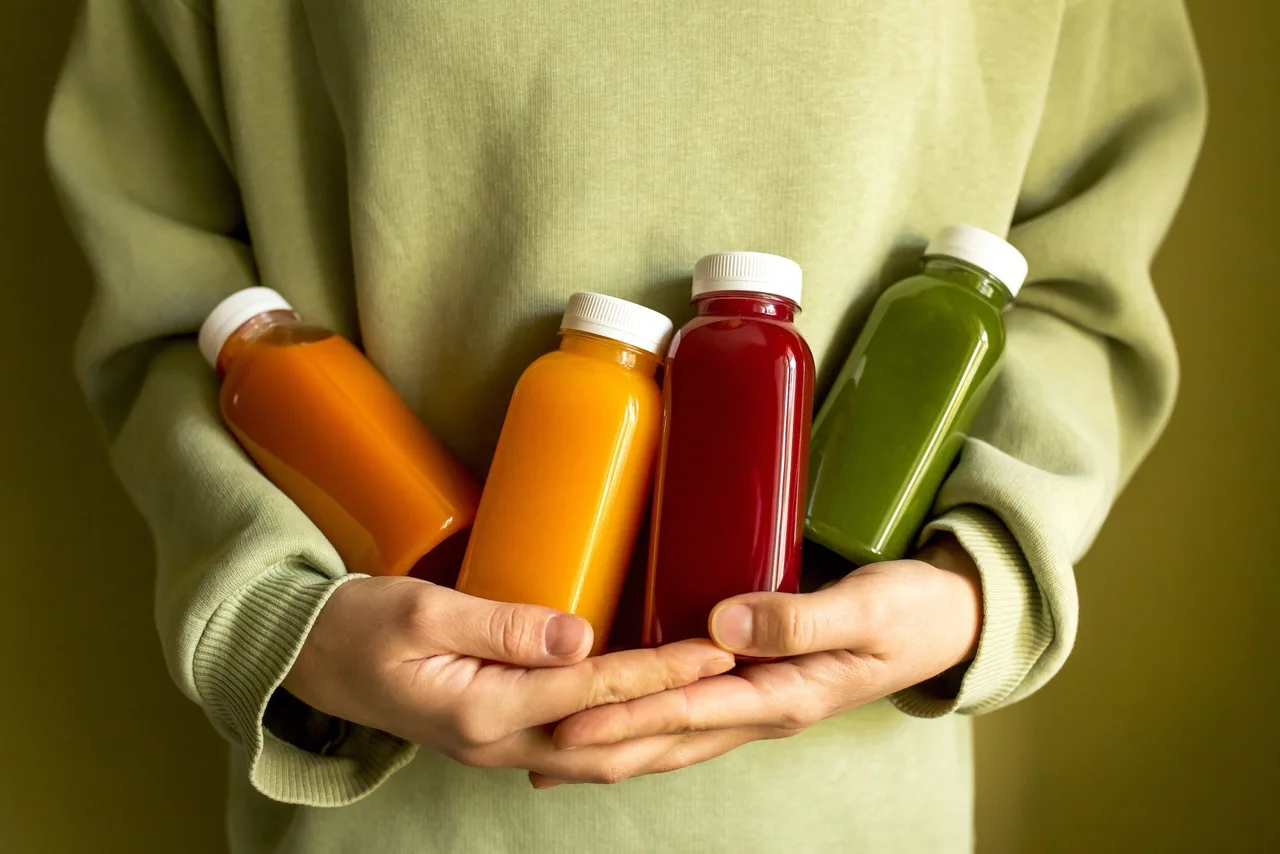
A juice cleanse is a short-term plan that replaces most or all solid foods with juices made from fruits and vegetables. In practice, it functions as a liquid fast—you drink several juices per day, along with water and sometimes herbal teas, while avoiding solid food altogether.
Juice cleanses can last anywhere from one day to a full week, though shorter versions—particularly the 3-day juice cleanse—are among the most popular.
Different types of juice cleanses
While most juice cleanses follow the same basic structure, they’re often marketed in different ways. One helpful way to understand them is to look at how they’re categorized.
- By time frame: Cleanses typically range from short 1-day resets to more common 3-day programs and longer 5- to 7-day cleanses.
- By type of juice: Some focus on vegetable-heavy green juices, others are more fruit-forward or use mixed blends with add-ins like ginger, lemon, cayenne, or apple cider vinegar.
- By intended outcome: Juice cleanses are often framed around goals like quick weight loss, full-body “detox,” organ-specific support (such as liver or kidney cleanses), or improved energy and gut health or digestion.
- By source: Cleanses may be homemade using fresh produce, purchased as pre-packaged programs delivered to your home, or a mix of store-bought juices and DIY recipes.
Despite the different labels and promises, most juice cleanses share the same foundation: very low calorie intake, minimal protein, fat, and fiber.
Why are juice cleanses still so popular?
Again, juice cleanses aren’t new, but the trend has found a new outlet on social media due to the increase in quick-fix foods and drinks. Its staying power comes from a mix of psychology, marketing, and a very human desire to see quick results.
This trend has resurfaced for a few reasons:
- Rapid weight loss. Most cleanses promise weight loss of 3 to 7 pounds in a few days.
- Detox language. The idea of “detoxing” and “cleansing” sounds actionable and health-oriented. “These words sound rooted in science, even though the body already has organs that do this work every day. The liver and kidneys are a natural detoxification system and typically don’t need any help,” says Dr. Mann
- A shift away from processed foods. Drinking freshly pressed juice feels healthy compared to ultra-processed foods.
- Juicing brands have made it easy. You no longer need to buy all the ingredients and a juicer to get started. Brands like Pressed, Suja, and Blueprint Cleanse have popped up offering pre-made juices delivered straight to your door, along with clear schedules and instructions that take the guesswork out of getting started.
Do juice cleanses work? What the science says
Juice cleanses are often linked with rapid weight loss, detoxification, and gut health, but do the claims hold up to the science? Let’s break down the most common promises and hear what the experts think.
Claim 1: Juice cleanses lead to weight loss
Verdict: Any weight loss is temporary.
Most people take in fewer calories on a juice cleanse than they normally would, which creates a temporary calorie deficit. This often leads to quick changes on the scale, mostly due to water loss, not fat loss. Once you finish the cleanse and start eating solid foods again, people typically regain that weight.
“Because cleanses are designed to be very low in calories, protein, and fiber, you’ll typically lose weight,” says Dr. Mann. “But that weight is going to come right back. More importantly, without those important nutrients, you lose out on major food groups. It’s not an effective or safe strategy long-term.”
One study even found that juices can actually lead to weight gain, although this study was done in children and teens. 100% fruit juices aren’t recommended in excess because they’re high in calories and low in nutrients. Even though fresh juices are a natural source of sugar, it’s best to limit sugar consumption.
Claim 2: Juice cleanses detoxify the liver and kidneys
Verdict: Your body already has this covered.
One of the biggest promises behind juice cleanses is that drinking pure juice for a few days will “detox” the liver and kidneys. The truth is, these organs don’t need any help. There’s little scientific evidence that detox or cleanse diets remove toxins or lead to lasting health improvements.
Your liver breaks down and removes toxins around the clock, and your kidneys continuously filter waste from your blood. They don’t need special juices to do their jobs well. A review published in Current Gastroenterology Reports confirms that this common claim is based more on marketing than on science.
If supporting your liver and kidneys is the goal, steady habits matter much more than short-term cleanses. Here’s what Dr. Mann recommends: “For the liver and kidneys specifically, eating whole foods and less ultra-processed food is best to support your detoxification organs. You can also try limiting alcohol use and staying well hydrated with water. It’s the simple things that help these organs do their jobs efficiently—without the need for extreme or restrictive diets.”
If you’re looking for numbers to track your kidney and liver health, there are also biomarker tests that can show you more about your organ health, so you can track progress over time.
Claim 3: Juice cleanses improve gut health
Verdict: False. Juice-only diets may even temporarily disrupt the gut microbiome.
It makes sense why juicing is often linked to gut health. The microbiome is a hot topic, and fruits and vegetables are generally good for digestion—so it’s easy to assume that drinking them must be helpful, too.
But the science tells a different story. A study published in Nutrients found that even a three-day juice-only diet led to changes in gut and oral bacteria associated with inflammation, and potentially cognitive health. These shifts happened surprisingly quickly—within just a few days of juicing.
The authors explain that the likely reason is a lack of fiber. While fruits and vegetables are rich in fiber when eaten whole, juicing removes most of it. Fiber is what feeds the beneficial gut bacteria, so without it, the microbiome may be left without the support it needs to stay balanced.
Are juice cleanses safe?
For healthy adults, a short juice cleanse is generally safe, but not risk-free. Here are the main concerns:
- Nutritional imbalance: Juice cleanses are typically very low in calories, protein, fat, and fiber. They can make people feel weak, fatigued, or, unsurprisingly, hungry.
- Blood sugar fluctuations: Juice contains concentrated natural sugars without the buffering effect of fiber. This can lead to blood sugar spikes followed by crashes, which may cause headaches, dizziness, irritability, or low energy.
- Chronic conditions: Juice cleanses aren’t recommended for people with diabetes, kidney disease, a history of eating disorders, or for those who are pregnant or breastfeeding. In these cases, extreme dietary restriction can interfere with nutritional needs or worsen existing health conditions.
The safer and healthier option is to prioritize whole foods. Eating fruits and vegetables raw or lightly cooked helps you get fiber and nutrients that support fullness, steady energy, and habits that last.
Frequently asked questions about juice cleanses
Can you drink coffee on a juice cleanse?
Most traditional juice cleanses recommend avoiding coffee, but the choice is yours. Some people choose to include a small amount to avoid caffeine withdrawal headaches.
What is the best juice cleanse?
There is no universally best juice cleanse. Plus, they haven’t been proven to really help improve your health or lead to lasting weight loss.
Will I lose weight on a 3-day juice cleanse?
Many people lose weight during a 3-day juice cleanse, but most of that loss is water weight. Once you go back to eating again, weight usually comes right back.
Can you lose belly fat by juicing?
Juicing doesn’t lead to targeted fat loss. Spot reduction—losing fat from one specific area, like the belly—isn’t possible. Sustainable fat loss comes from consistent habits that support muscle mass, metabolic health, and long-term energy balance.
The bottom line: Juice cleanses don’t lead to lasting weight loss or health changes
Juice cleanses can feel like a fresh start. They’re simple, structured, and often come with quick changes on the scale. For some people, they may even spark motivation to eat more fruits and vegetables afterward.
But studies show that juice cleanses don’t detox the body, and their weight loss effects are usually short-lived. In some cases, juice-only diets may even work against goals like stable blood sugar, gut health, and sustained energy—especially when fiber, protein, and healthy fats are missing.
What tends to matter more for sustainable weight loss isn’t a dramatic reset, but small, everyday tweaks. Paying attention to how your body responds over time and building habits that support metabolic health, inflammation levels, and nutrient balance. These are the factors most closely linked to how we feel day to day—and how we age.
If your goal is to lose weight, feel better in your body, and support long-term health, balanced, sustainable habits will take you much further than a short-term cleanse. Learn more about which Noom program can help you reach your goals.
Editorial standards
At Noom, we’re committed to providing health information that’s grounded in reliable science and expert review. Our content is created with the support of qualified professionals and based on well-established research from trusted medical and scientific organizations. Learn more about the experts behind our content on our Health Expert Team page.