
What you’ll learn:
- Wegovy® is a weekly GLP-1 injection, while metformin is a daily pill for type 2 diabetes that’s sometimes used off-label for weight loss.
- Wegovy® shows stronger weight loss results than metformin in studies, but metformin is usually more affordable.
- The best choice depends on your health needs, goals, and budget, with both working better when paired with healthy habits.
Choosing a weight loss medication can be a bit confusing. There are many options, they don’t work the same way or offer the same level of effectiveness, and cost and insurance can be wildly inconsistent and confusing.
Take Wegovy® and metformin. These are two medications you’ll often hear about, and although both show up in weight-related conversations, they are very different.
- Wegovy® is a weekly injectable GLP-1 medication that is FDA-approved for weight loss.
- Metformin is a daily pill, FDA-approved for type 2 diabetes, that is sometimes prescribed off-label to support weight loss.
These differences extend to cost and accessibility and several other areas.
If you’re comparing these medications, looking at how they work and what you can expect from each one can make the picture a lot clearer. Let’s explore those details so you can weigh both options with confidence.
Metformin vs. Wegovy®: How do they work?
Wegovy® and metformin can both play a role in weight support, but they work through different systems in the body. Understanding how each one works can make it much easier to see which medication might align with your needs and what kind of experience you might have while taking it.
Metformin
Metformin is one of the most commonly prescribed medications for type 2 diabetes. It’s a daily pill that’s widely available as a generic or under brand names like Glucophage® and Glumetza®. It also belongs to a class of medications called biguanides, which help the body use glucose more effectively by lowering how much sugar the liver produces and improving the way your body responds to insulin.
According to research, metformin’s main weight loss effect comes from appetite reduction. It’s believed to influence hunger pathways in the brain and support steadier digestive and metabolic rhythms. These changes can help your body store less fat and use energy more efficiently, which may result in gradual, modest weight loss over time.
Learn more: Metformin for weight loss: How does it work?
Wegovy® (semaglutide)
Wegovy® is a once-weekly prescription injection that uses semaglutide, the same active ingredient as in Ozempic. Semaglutide activates GLP-1 receptors, located in the brain, gut, and pancreas, where they help lower appetite, slow digestion, and support steady blood sugar levels.
All of these effects together help you manage the amount you eat and make it easier to feel satisfied with smaller amounts of food, supporting meaningful weight loss over time.
Learn more: What is Wegovy®? Exploring the weight loss benefits, side effects, and cost
Metformin vs Wegovy®: What are the differences?
When you look at Wegovy® and metformin side by side, the differences start to stand out pretty quickly. Here’s a simple breakdown to help you understand what sets them apart.
They have different FDA approvals
- Wegovy® has been approved for weight management, as well as heart disease prevention and MASH.
- Metformin is approved for type 2 diabetes and is only used off-label for weight loss.
They work through completely different systems
- Metformin helps the body use glucose more efficiently by lowering liver-produced glucose and improving insulin sensitivity, which can influence appetite and how the body stores fat.
- Wegovy® (semaglutide) activates GLP-1 receptors in the brain, stomach, and pancreas. This supports steadier blood sugar patterns, slows digestion, and helps reduce hunger.
They’re taken in different ways
- Metformin is taken daily as a pill. It comes in immediate-release versions (usually taken 2 to 3 times a day) and extended-release forms (taken once daily).
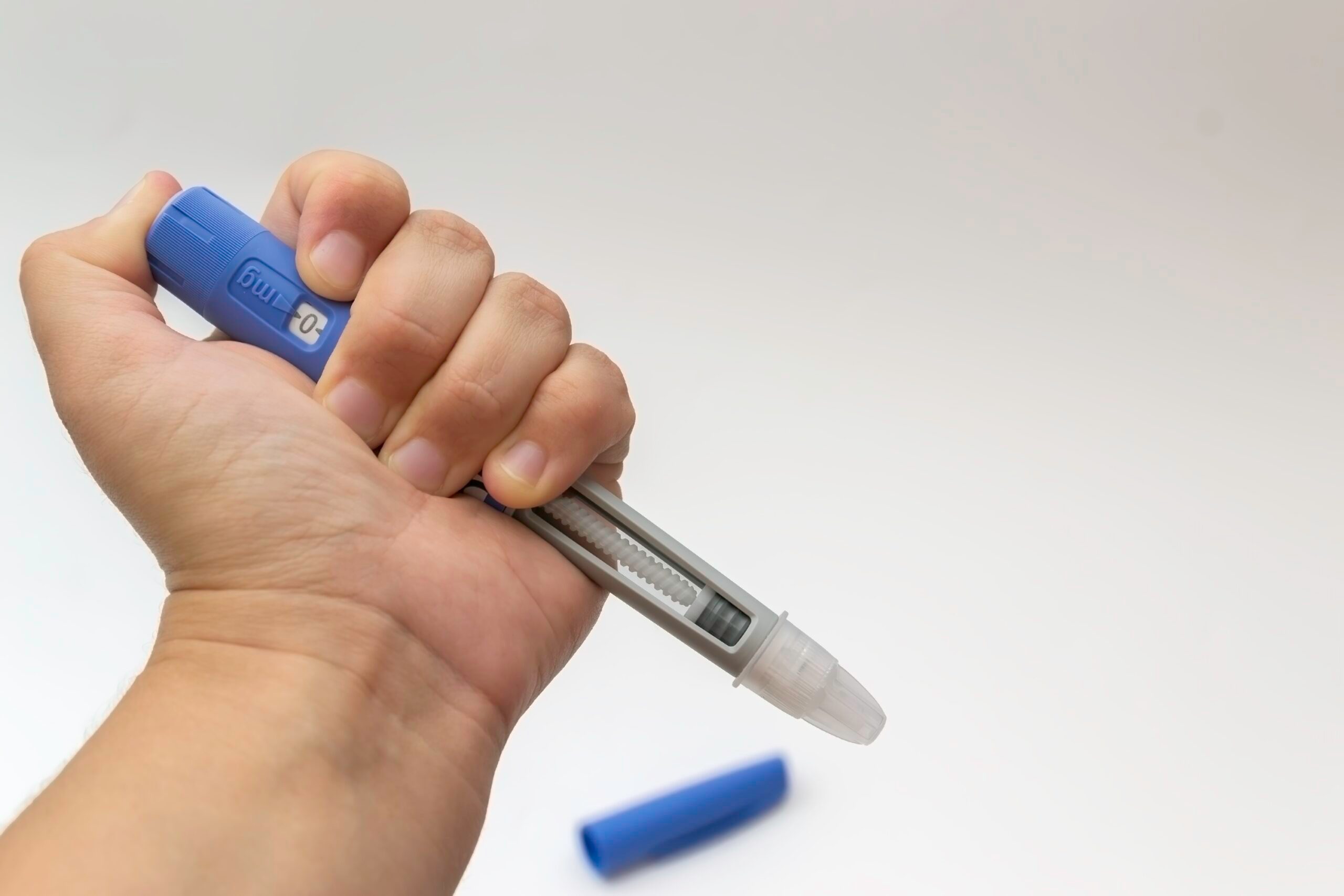
- Wegovy® is a once-weekly injection that you give yourself under the skin using a prefilled pen.
They lead to different levels of weight loss
Wegovy® tends to be much more effective compared to metformin. We’ll go through the results in more detail below.
They differ significantly in cost
They differ significantly in cost. Metformin is generally an affordable option because it’s available as a generic, while Wegovy® is still a brand-name medication and can be much more expensive without insurance coverage. These differences in pricing and availability often play a major role in which medication someone can realistically access.
Metformin vs Wegovy®: What are the similarities?
Metformin and Wegovy® don’t have much in common, but they do share a few similarities that can help set expectations if you’re comparing them.
Both require a prescription
To get either of these medications, a provider has to review your health background and make sure the medication you’re considering is a safe match. If you want a little more support through that process, see if you qualify for Noom Med. If so, a clinician can walk you through your weight loss medication options and prescribe one if appropriate..
Both can cause digestive side effects
It’s common to notice some stomach-related symptoms when you first start either medication. Wegovy® may bring nausea, constipation, or stomach discomfort as your body adjusts. Metformin can also cause nausea or diarrhea in the beginning, especially with immediate-release tablets. Even though they work differently, both medications shift how your digestive system processes food, which can lead to temporary discomfort while your body adapts.
Both work better when paired with healthy habits
Eating well, moving regularly, getting enough sleep, and managing stress make a real difference for both medications. These habits help your body respond more smoothly and make the results easier to maintain long-term.
Metformin vs. Wegovy®: How do you take them?
Even though metformin and Wegovy® both start at low doses and increase gradually, the way you take them and how the doses are adjusted is very different. Here’s a simple side-by-side look at how each medication compares:
| Dosing | Metformin | Wegovy® (semaglutide) |
|---|---|---|
| How it’s taken | Oral tablet taken 1-3 times daily with meals | Once-weekly injection in the abdomen, thigh, or upper arm |
| Available formats | Immediate-release (IR) and extended-release (ER/XR) tablets | Prefilled single-dose pen |
| Available doses | IR: 500 mg, 850 mg, 1000 mgER/XR: 500 mg, 750 mg, 1000 mg | 0.25 mg, 0.5 mg, 1 mg, 1.7 mg, 2.4 mg |
| Maintenance dose | Usually 500–2,550 mg per day (IR split into 2–3 doses; ER once daily) | Typically 1.7–2.4 mg weekly (though will vary based on weight loss and side effects) |
Learn more about finding the right dose of metformin and Wegovy® for weight loss.
Metformin vs Wegovy®: Which is better for weight loss?
Both medications can support weight loss when paired with healthy habits, but they don’t deliver the same level of results. Metformin tends to create gradual, modest changes, while Wegovy® generally leads to more significant weight loss on average.
How much weight can you lose on metformin vs Wegovy®?
- Metformin: A study using the higher daily dose of metformin (2,500 mg a day) shows an average 6% weight loss after 6 months. Another study found that people who combined lifestyle changes with metformin were more than twice as likely to lose at least 5% of their body weight compared to those relying on the medication alone.
- Wegovy® (semaglutide): In a study lasting 2 years, people taking the highest dose (2.4 mg) lost an average of 15% of their starting weight.
In both cases, lifestyle changes played a major role in supporting healthy, sustainable progress.
How long does it take to see results?
Most people notice some early weight loss within the first few months of taking either metformin or Wegovy®, with progress continuing over time. The table below shows the average percentage of body weight lost at key points in weight loss trials for each medication.
| Timeframe | Metformin (avg. weight loss) | Wegovy® (avg. weight loss) |
|---|---|---|
| 3 months | 1-2% | 6% |
| 6 months | 5% | 11% |
| Long term | 6% | 15% |
While Wegovy® is more effective for weight loss, metformin can be more affordable. Either one can support your weight goals, and the right pick is usually whatever matches your health needs and feels doable long term.
Learn more about how much weight you can lose with Wegovy® and metformin.
Who can take metformin for weight loss?
Metformin isn’t FDA-approved for weight loss, but clinicians may still prescribe it off-label. You may be considered for metformin if you have:
- A BMI of 30 or higher, or
- A BMI of 27 or higher with a weight-related condition, like high blood pressure or high cholesterol.
- A BMI of 25 or higher plus insulin resistance, PCOS, or prediabetes
Who shouldn’t take metformin?
Metformin is generally safe, but there are situations where it isn’t recommended. You shouldn’t take metformin if you:
- Have severe kidney problems
- Have liver disease
- Have had lactic acidosis in the past
- Have severe heart or lung disease that affects oxygen levels
- Drink alcohol heavily
- Are pregnant or breastfeeding
- Have a serious infection or are preparing for surgery, which can temporarily affect kidney function
Learn more: Safety Information for Metformin
Who can take Wegovy® for weight loss?
Wegovy® is FDA-approved for chronic weight management, so clinicians tend to follow specific criteria. You may be a candidate if you have:
- A BMI of 30 or higher, or
- A BMI of 27 or higher plus a weight-related condition like high blood pressure, high cholesterol, or prediabetes
Who shouldn’t take Wegovy®?
Even though Wegovy® works well for many people, it isn’t the right match for everyone. You shouldn’t take Wegovy® if you:
- Have a personal or family history of medullary thyroid carcinoma (MTC)
- Have a personal or family history of multiple endocrine neoplasia syndrome type 2 (MEN 2)
- Are allergic to semaglutide or any of the ingredients
- Are pregnant, planning to become pregnant soon, or breastfeeding
Your provider will also use extra caution if you:
- Have had pancreatitis
- Have gallbladder issues
- Have kidney or digestive conditions that might be affected by slower stomach emptying
Learn more: Safety information for Wegovy®.
If you take metformin or Wegovy® to lose weight, will you need to keep taking them forever?
Not necessarily. How long someone stays on either medication can vary a lot. It usually comes down to your goals, how your body responds, and the habits you build alongside the medication.
Here’s what this typically looks like:
- People may use these medications for months or even years. Some long-term studies have followed participants for over 2 years, but your clinician may recommend a shorter or longer course depending on your progress and any side effects that come up.
- Coming off the medication should be done gradually with your provider’s guidance. Metformin doesn’t always require tapering for safety, but easing off slowly is still recommended so your body can adjust and you can monitor any changes in hunger, blood sugar patterns, or weight. Wegovy® is also typically tapered to support a smoother transition and reduce the chance of rapid appetite changes.
- Your habits make the biggest difference long-term. Medications can help you get momentum, but lasting results depend on the routines you build around eating, movement, sleep, and managing stress. A structured program like Noom can help reinforce those habits so you have support that continues even if you stop the medication.
These medications can be helpful tools, but the lifestyle foundation you build is what ultimately keeps your progress going.
Can you switch between Wegovy® and metformin?
You can switch, but only with direct guidance from a healthcare professional. These medications work very differently, so a clinician needs to consider your current dose, side effect tolerance, and your health goals. If the switch is appropriate, they’ll help you ease into the new medication slowly and safely.
If you’re switching from metformin to Wegovy®
The biggest difference you’ll feel is in your appetite. Wegovy® tends to lower appetite in a much more noticeable way, so it’s common to feel full sooner and stay full longer. You may also experience more pronounced side effects, such as nausea, stomach pain, or constipation, especially as your dose increases. And since Wegovy® is a weekly injection, the routine will be different from taking a daily pill.
If you’re switching from Wegovy® to metformin
Metformin doesn’t slow digestion the way Wegovy® does. Most people feel some stomach issues in the beginning, especially with the immediate-release tablets, although extended-release versions tend to be easier on the digestive system.
Why someone might switch
People switch medications for various reasons. Maybe your current one isn’t giving you the results you hoped for. Maybe one of them just feels tough to tolerate. Maybe you want something that fits better into your routine or feels more manageable long-term. Whatever the reason, the key is having a clinician guide the transition so your body adjusts smoothly and you stay on a plan that works for you.
Metformin vs. Wegovy®: Costs and insurance
Cost is one of the biggest differences between these two medications. Metformin is widely available as a low-cost generic, while Wegovy® is a brand-name medication with a much higher price tag. Insurance coverage for weight-loss use can be limited for both, so it helps to understand what you might expect before comparing your options.
Metformin
Metformin is known for being one of the most affordable prescription medications, especially in its generic form. Prices can vary depending on the dose, the formulation, and the pharmacy, but it generally stays on the budget-friendly end.
- Generic pricing: Usually $4–$20 per month for most immediate-release tablets (500 mg, 850 mg, 1000 mg).
- Extended-release generics: Often $4–$29 per month, depending on dose.
- Brand-name versions: Options like Glucophage® or Glucophage XR® typically cost around $84 per month, while other brands, such as Riomet® and Glumetza®, can be much higher, sometimes several hundred or even thousands per month.
- Insurance and Medicare: Most private insurance plans, Medicare, and many state Medicaid programs cover metformin for type 2 diabetes with low copays. Coverage is less predictable when it’s prescribed off-label for weight loss, so you may need to check your plan to know exactly what to expect.
Learn more: Metformin costs in 2025: With and without insurance coverage
Wegovy®
Wegovy® has a significantly higher out-of-pocket cost because it’s still under patent and only available as a brand-name medication.
- List price: Around $1,350 per month for a 28-day supply of injection pens, applicable to all doses (0.25 mg, 0.5 mg, 1 mg, 1.7 mg, and 2.4 mg).
- Savings options: For those without insurance, you can get your prescription for Wegovy® filled through the NovoCare® Pharmacy. The first 2 months will cost $199, and then you will pay $349 for all doses thereafter.
- Insurance and Medicare: Some private insurance plans do cover Wegovy® for chronic weight management, but many still do not. Medicare and Medicaid generally do not cover Wegovy® for weight loss at this time. If you do have insurance, the Wegovy® Savings Card may help reduce costs.
Learn more: Wegovy® costs in 2025: With and without insurance coverage
Metformin vs. Wegovy®: Side effects
When you’re comparing weight loss medications, it helps to know what side effects are most likely. Both metformin and Wegovy® can cause digestive symptoms, especially when you’re first starting or increasing your dose. Most of these effects are mild and tend to improve as your body adjusts. Still, each medication has its own pattern of common symptoms, and both carry rare but more serious risks that are important to understand upfront.
Common side effects
Both medications can cause mild, temporary symptoms when you first start or change doses, and these usually fade once your body adjusts.
Metformin
Metformin is well-known for being effective and affordable, but it can be tough on the stomach in the beginning. Digestive changes are the most common reason people notice discomfort early on, especially with immediate-release tablets.
You might experience:
- Diarrhea
- Nausea
- Stomach cramping
- Gas or bloating
- A metallic taste in the mouth
Learn more: Metformin side effects: Symptom guide and management tips
Wegovy®
Because Wegovy® affects appetite and digestion, many early side effects also show up in your digestive system as your body gets used to the medication.
Common symptoms include:
- Nausea
- Diarrhea or constipation
- Vomting
- Stomach discomfort or pain
- Headache
Learn more: Managing the side effects of Wegovy®: What you need to know
Is muscle loss a side effect of Wegovy® or metformin?
Neither Wegovy® nor metformin directly causes muscle loss, but losing weight quickly can lead to some muscle reduction if you aren’t eating enough protein and doing resistance training.
No matter which medication you’re on, building supportive habits around food and movement can help protect your muscles as the number on the scale goes down.
Serious side effects and warnings
While most people only deal with mild or short-term side effects, both medications have a few more serious risks worth knowing about. You may never experience them, but being aware of the signs helps you know when it’s time to call your provider or seek urgent care.
Metformin
Metformin is generally considered very safe, but there are a few signs of rare reactions you don’t want to ignore. If you notice any of these symptoms, reach out to your healthcare provider right away or get emergency medical attention:
- Lactic acidosis: This is extremely rare but very serious. Symptoms may include unusual fatigue, muscle pain, trouble breathing, stomach discomfort, dizziness, or feeling unusually cold. Go to the ER immediately if these symptoms show up.
- Vitamin B12 deficiency: Long-term use can lower B12 levels. Watch for numbness or tingling in the hands or feet, fatigue, or trouble concentrating. Your provider can check your levels and recommend supplements if needed.
- Kidney concerns: Since the kidneys clear metformin from the body, impaired kidney function can increase the risk of complications. Call your provider if you notice swelling in the legs or ankles, decreased urination, or shortness of breath.
- Severe allergic reactions: Though uncommon, signs like hives, swelling of the face or throat, difficulty breathing, or a widespread rash require immediate medical care.
Learn more: Safety Information for Metformin
Wegovy®
Wegovy® is generally well-tolerated, but, like any medication, there are a few serious risks worth keeping in mind. Contact your provider or seek emergency care if you experience any of the symptoms below:
- Pancreatitis: Severe stomach pain (sometimes radiating to the back), often paired with nausea or vomiting, should be treated as an emergency. Go to the ER right away.
- Gallbladder issues: Symptoms like sharp upper-right stomach pain, fever, yellowing of the skin or eyes, or pale stools can signal gallbladder trouble. Contact your doctor promptly, and don’t wait if symptoms worsen.
- Low blood sugar: This is more likely if you’re also on insulin or other diabetes medications. Symptoms include sweating, shakiness, dizziness, blurred vision, or confusion. Contact your provider immediately.
- Kidney problems: Dehydration from vomiting can strain the kidneys. Reduced urination, swelling in the legs or ankles, or trouble breathing need prompt medical attention.
- Severe allergic reactions: Sudden swelling of the face, lips, or throat, trouble breathing, hives, or a spreading rash are all medical emergencies. Call 911 or go to the nearest ER.
- Mood or behavior changes: New or worsening depression, anxiety, or any thoughts of self-harm should be shared with your provider immediately. If you’re in danger or feel unsafe, call 911 or 988.
- Vision changes: Blurriness, trouble focusing, or sudden changes in vision, especially if you have diabetes-related eye concerns, should be quickly evaluated by your provider.
- Increased heart rate: A noticeable and persistent jump in your resting heart rate should be reported to your doctor for further evaluation.
- Thyroid tumors: Wegovy® carries an FDA boxed warning about the potential risk of thyroid C-cell tumors seen only in animal studies. Any new neck swelling, hoarseness, a lump you can feel, or trouble swallowing should be checked by your doctor as soon as possible.
Learn more: Safety information for Wegovy®.
Staying in touch with your healthcare provider throughout treatment helps keep you safe and supported. They can help you manage symptoms, adjust your dose, and make sure your plan continues to fit your needs.
Metformin vs. Wegovy®: Which one is safer?
Both Wegovy® and metformin are considered safe for many people when used under medical supervision, and neither one is automatically “safer” across the board. They even share many of the same common side effects, especially digestive changes in the early stages.
The bigger side effect differences come from the rare but serious risks, which also shape who should or shouldn’t take each medication. Because your medical history plays such a big role in safety, the best approach is to work with your provider to decide which option fits your health needs and comfort level.
Choosing between metformin vs. Wegovy®: Which is right for me?
Finding the better fit between metformin and Wegovy® comes down to your goals, your health history, and the kind of support you want from your medication. Both can help with weight management, but they work very differently and come with their own pros, limitations, and costs.
| Medication detail | Metformin | Wegovy® (semaglutide) |
|---|---|---|
| Effectiveness for weight loss | Average 6% weight loss at 6 months on higher doses (2,500 mg/day) | Average 15% weight loss over 2 years at 2.4 mg weekly |
| Administration | Daily pill taken with meals (1–3 times per day, depending on IR vs ER) | Once-weekly injection given under the skin using a prefilled pen |
| Pricing (without insurance) | Generic IR: $4–$20/monthGeneric ER/XR: $4–$29/monthLearn more | $1,350/monthNovoCare® Pharmacy:$199/month for the first 2 months$349/month thereafter Learn more |
| Active ingredient | Metformin: A biguanide that improves insulin sensitivity and lowers liver glucose production | Semaglutide: A GLP-1 receptor agonist that reduces appetite, slows digestion, and supports blood sugar control |
| FDA approval and uses | FDA-approved for type 2 diabetes; can be prescribed off-label for weight loss | FDA-approved for weight management, reducing cardiovascular risk, and MASH |
| Manufacturer | Available from multiple manufacturers as both generic and brand-name medications | Novo Nordisk |
| Insurance coverage | Coverage for weight loss use is uncommon; often covered for type 2 diabetes with low copays | Coverage for weight loss remains uncommon. |
Can I take metformin and Wegovy® together?
Yes, you can take metformin and Wegovy® (semaglutide) together, and many clinicians prescribe them as a pair for people with type 2 diabetes or insulin resistance. They work in different ways, so using them together can support steadier blood sugar and appetite regulation at the same time.
Just keep in mind that both can cause digestive symptoms in the beginning, so your provider may adjust timing or doses to make the combination easier to tolerate.
Will I lose more weight if I take metformin with Wegovy®?
As for weight loss, research shows that adding metformin to semaglutide, Wegovy®’s active ingredient, can lead to slightly greater reductions in BMI compared to metformin alone, with Wegovy® being the main driver for weight loss.
If you’re considering using both, your provider can help you decide whether the combination makes sense for your goals and how to balance the dosing so your body adjusts smoothly.
Alternatives to metformin and Wegovy®
If metformin or Wegovy® doesn’t feel quite right, you’re not out of options. There are several other GLP-1–based medications that work in similar ways, each with its own dosing schedule, cost, and potential for weight loss. Here’s a quick look at what else is out there so you can get a sense of what might fit your style and goals.
| Medication | Brand names and uses | Cost per month (without insurance) | Effectiveness | How it’s taken |
|---|---|---|---|---|
| Tirzepatide – GLP-1/GIP receptor agonist | Zepbound®: weight loss and obstructive sleep apnea (OSA) | Zepbound®: Pens: $1,086 Vials: $349 (2.5 mg) $499 (5 mg, 7.5 mg, 10 mg, 12.5 mg, 15 mg) Learn more | People lost an average of 21% of body weight at 72 weeks. | Weekly injection |
| Liraglutide – GLP-1 receptor agonist | Saxenda®: weight loss Generic liraglutide: weight loss, heart disease, and type 2 diabetes | Saxenda®: $1,350 Learn more. Generic liraglutide: $470 – $700 | People lost an average of 5-6% of body weight in one year. | Daily injection |
Other weight loss medication alternatives
GLP-1s aren’t the only tools available for weight support. Depending on your health history and how you prefer to take medication, your provider may recommend a completely different class of treatments. The options below can give you a sense of what those alternatives look like.
| Medication | Brand names | Cost per month (without insurance) | Effectiveness | How it’s taken |
|---|---|---|---|---|
| Phentermine | Lomaira®, Adipex-P® | $27-$100 Learn more. | About 80% of people with a BMI of 30 or more lost at least 5% of their body weight in 6 months. | Daily pill |
| Diethylpropion | Tenuate®, Tenuate Dospan® | $40-$85 | People lost an average of 10% of their body weight in 6 months. | Pill taken one to three times daily |
| Naltrexone and bupropion | Contrave® | $600-$800 CurAccess™: $99 | People lost an average of 5 to 10% of their body weight in a year. | Pill taken up to twice daily |
| Orlistat | Xenical®, Alli® | $50-$800 | People in a study lost about 10% of body weight after taking Orlistat for 1 year. | Pill taken three times daily with meals. |
| Phentermine and topiramate ER | Qsymia® | $180–$260 | People lost an average of 10% of their body weight in 56 weeks. | Daily capsule |
Choosing what works for you: Metformin vs Wegovy®
Choosing between metformin and Wegovy® really comes down to how much weight you want to lose and what your budget is. Wegovy® tends to offer the most noticeable appetite reduction and the greatest average weight loss, but it also comes with higher costs. Metformin is more affordable, widely available, and often a good starting point for people dealing with insulin resistance, prediabetes, or metabolic challenges—though its weight-loss effects are typically modest.
Whichever option you choose, the most important thing to remember is that medication works best as part of a broader lifestyle approach. Long-term progress is shaped by the habits you build—things like eating balanced meals, managing stress, getting enough sleep, and finding forms of movement you can stick with. Those behaviors not only support your results while you’re on medication but also help you maintain progress if you decide to taper off or switch treatments down the road.
If you want to explore both, see if you qualify for Noom Med. If you do, you’ll be paired with a clinician who can help you compare options and prescribe a medication if it’s the right fit. You’ll also get access to Noom’s tools, coaching, and habit support, giving you steady guidance to help you stay on track for your health goals.
Note: Metformin is not FDA-approved to treat obesity or for weight loss.
Editorial standards
At Noom, we’re committed to providing health information that’s grounded in reliable science and expert review. Our content is created with the support of qualified professionals and based on well-established research from trusted medical and scientific organizations. Learn more about the experts behind our content on our Health Expert Team page.