
What you’ll learn:
- Pairing Ozempic® with a balanced diet is essential for losing steady weight in a healthy way.
- Eating several smaller meals per day and avoiding certain foods can minimize side effects.
- Eating enough protein can help protect your muscles as you lose weight.
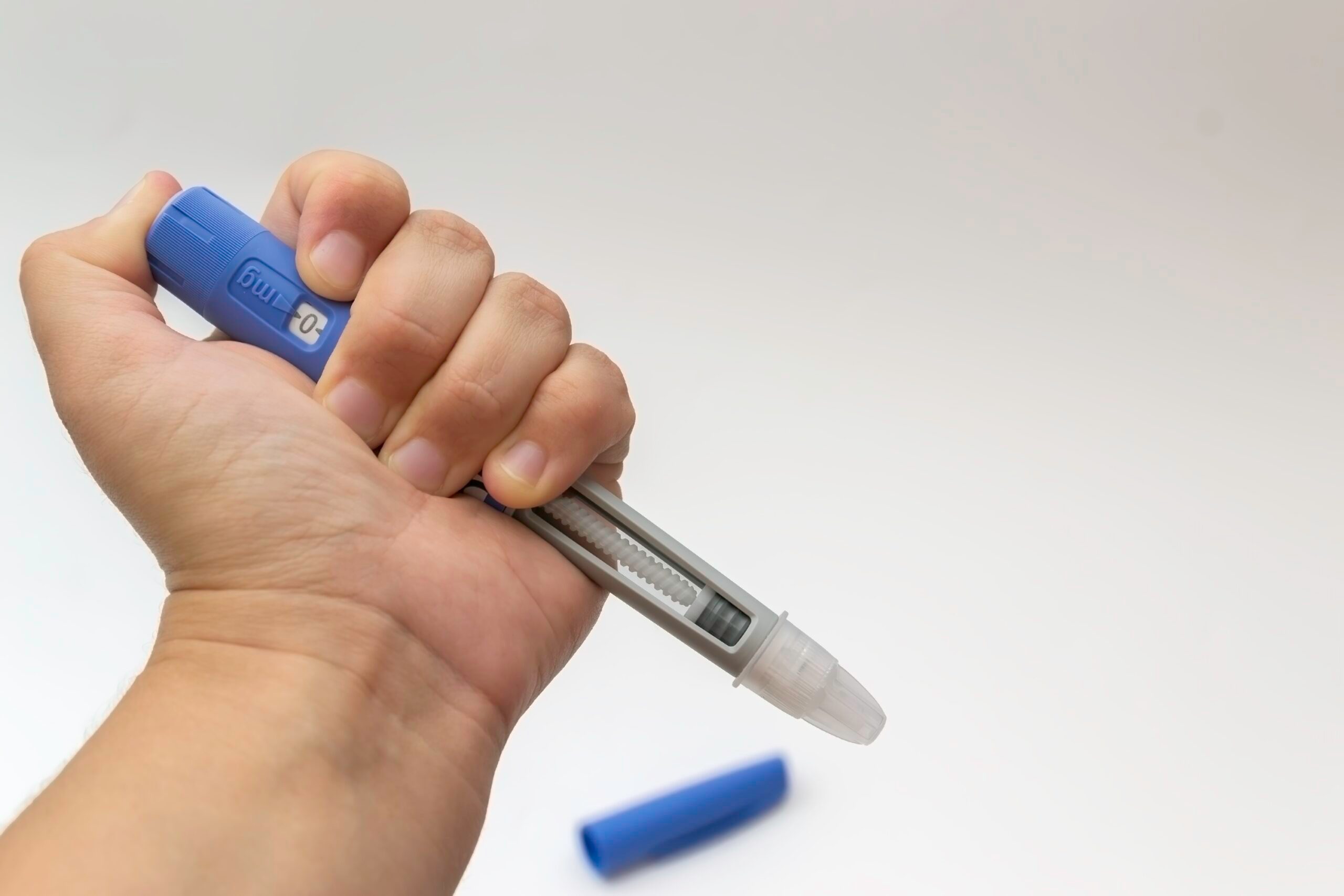
Ozempic® has been a game-changer for many people who’ve struggled to lose weight. Initially developed to help manage type 2 diabetes, Ozempic® has recently been in the spotlight for its weight loss perks. (It can be prescribed off-label for weight management.) But here’s the catch: you’ll need to pair it with healthy lifestyle changes to really see the magic happen.
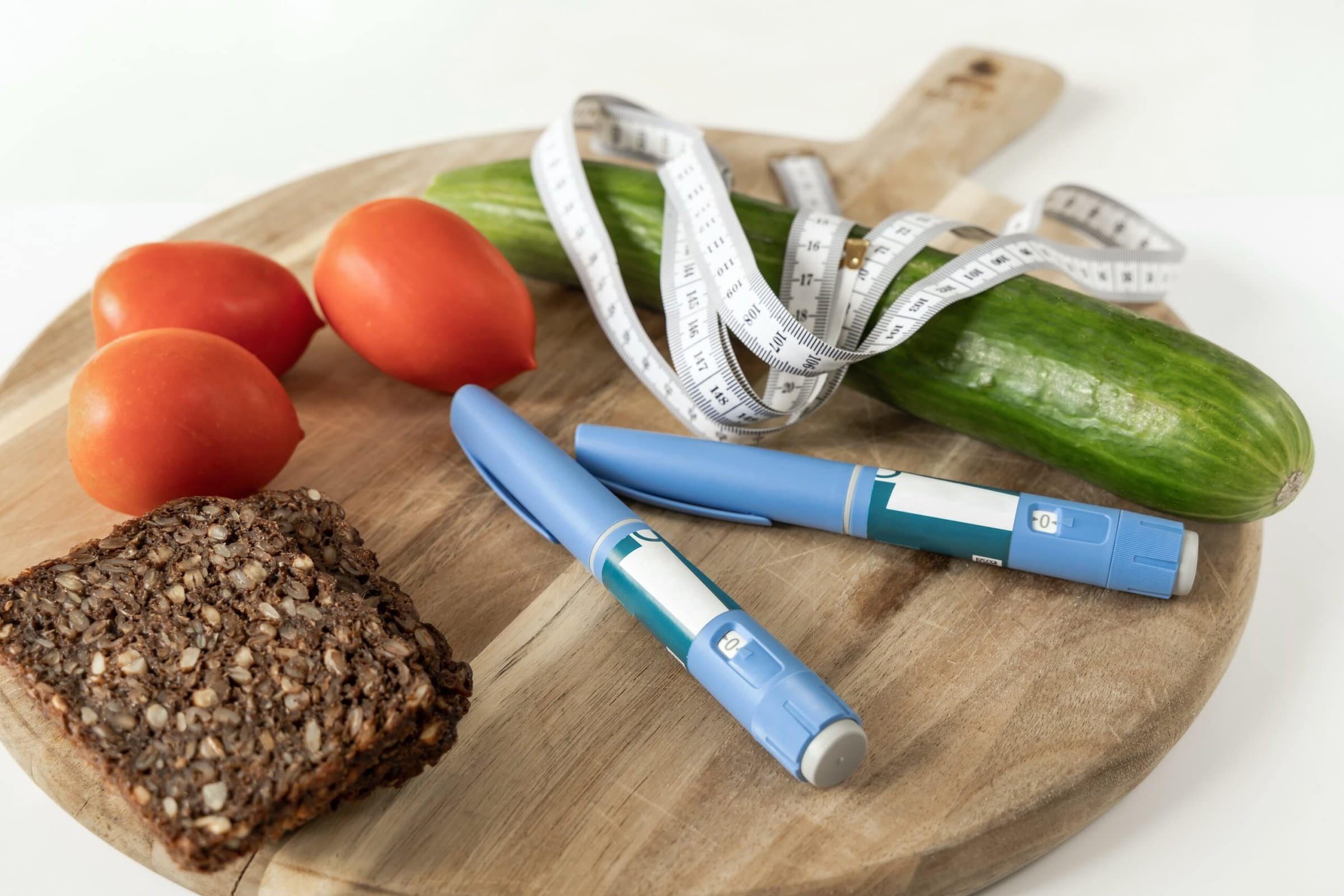
As you’ve probably guessed, one change that will boost your results is eating a healthy diet. This can help you lose weight steadily while minimizing side effects like nausea. It’ll also ensure that you have the right mix of nutrients to keep your body strong and healthy.
Of course, this begs the question, “What should I eat on Ozempic®?” Noom’s color-coded food list and nutrition guidelines are a great place to start. It’s also important to understand how some foods interact with Ozempic®.
Unsure where to start? If you qualify for Noom Med, our qualified clinicians will find the right medication for you and provide personalized guidance on what to eat. If you’ve already been prescribed Ozempic®, our GLP-1 Companion will guide you through choosing the right foods and optimizing nutrition. Get started today!
How foods can affect you while taking Ozempic®
How well Ozempic® helps you manage your weight isn’t just determined by the medication; it’s also about what’s on your plate! Ozempic® works by slowing down digestion and reducing your appetite, helping you feel full and satisfied with less food. The rest is up to you. Choosing what to eat on Ozempic® can either enhance these benefits or throw a wrench in the works.
Since you’ll feel less hungry while taking Ozempic®, what you eat really matters for keeping your energy up and staying healthy. If you go for high-fat, heavily processed, or sugary foods, you could end up with nausea or an upset stomach. Plus, these foods can make you feel sluggish because your body has to work extra hard to digest them. It’s even possible to gain weight while taking Ozempic® if you consume more calories than your body needs.
On the flip side, choosing nutrient-rich, whole foods will make you feel good and ensure your body is getting the nutrients it needs while eating less! Think about adding lean proteins, colorful veggies, fresh fruits, whole grains, and healthy fats to your meals. These foods will nourish your body and keep you feeling good. And if you do get a bit of nausea or an upset stomach, sticking to bland foods and drinking plenty of water can be a lifesaver.
Best foods for people taking Ozempic®
Picking what to eat on Ozempic is crucial to getting the most out of Ozempic® and avoiding any side effects. Check out the table below for nutrient-packed options that work well with Ozempic®:
| Food Category | Examples | Why They’re Beneficial for Ozempic® Users |
|---|---|---|
| Non-starchy vegetables | Leafy greens (spinach, kale), broccoli, cauliflower, bell peppers, asparagus, cucumbers | High in fiber, which promotes fullness and digestive health, low in calories and carbohydrates, and packed with vitamins and minerals. |
| Lean protein | Chicken breast, fish (salmon, tuna), tofu, tempeh, beans, lentils, Greek yogurt, cottage cheese | Supports muscle maintenance and repair, promotes satiety (feeling full), and helps stabilize blood sugar levels. |
| Whole grains | Quinoa, brown rice, oats, whole-wheat bread, barley, farro | Rich in fiber, provides sustained energy, and contains essential vitamins and minerals. |
| Healthy fats | Avocados, nuts (almonds, walnuts), seeds (chia, flax), olive oil, fatty fish (salmon) | Promotes satiety, aids in the absorption of fat-soluble vitamins. |
| Fruits | Berries (strawberries, blueberries, raspberries), apples, pears, oranges | Satisfies sweet cravings and provides vitamins, minerals, and antioxidants. |
| Prebiotic-rich foods | Garlic, onions, leeks, asparagus, bananas, oats, artichokes, and flaxseed | Nourishes beneficial gut bacteria, which may help reduce nausea and other digestive side effects. |
Noom’s food color system can also help you make healthy choices by showing you which foods are the least calorie-dense and contain the highest concentration of healthy nutrients. Eating lots of nutritious food that isn’t high in calories can support steady, manageable weight loss.
An important note about protein
Protein plays a crucial role in helping to prevent the muscle loss that can happen when taking Ozempic®. The rapid weight loss you might experience can cause the body to use your muscles as fuel rather than body fat. This isn’t unique to Ozempic®; it can happen any time you lose weight quickly.
How do you protect your precious muscle mass? Eating enough protein every day and strengthening your muscles with exercise can help prevent muscle loss. Bonus: It will also help reduce cravings, boost your metabolism, and keep your blood sugar steady. Here are five easy high-protein meals to try.
Don’t worry, Noom’s GLP-1 Companion makes this easy with two important features: Protein Power and Muscle Defense™. Protein Power will give you a protein goal to aim for and includes a streamlined color-coded system that prioritizes high-protein foods. Muscle Defense™ gives you a variety of fitness videos for people at all levels to get you moving and keep you strong.
Ozempic®-friendly diet tips
Now that you have a list of Ozempic®-friendly foods, how do you put that into action? Here are some practical tips to help you create a sustainable eating pattern that fuels your body and keeps you feeling your best.
- Fuel your day: Aim for 4-5 smaller meals spread throughout the day.
- Don’t skip meals: Even if Ozempic® curbs your appetite, eating consistent meals helps maintain steady energy and prevents overindulging later.
- Prioritize the power trio: Build your meals around the dynamic trio of lean protein, complex carbohydrates, and healthy fats—a recipe for sustained energy and satiety.
- Savor the flavor: Slow down and truly enjoy your meals. Chew thoroughly and savor each bite. This can help you feel more satisfied with less food and improve your digestion.
- Spice it up: Experiment with herbs, spices, and low-sodium seasonings to add flavor and excitement to your meals without relying on unhealthy fats or sugars. (Just be aware that spicy food can make stomach symptoms worse for some people.)
- Stay hydrated: Keep a water bottle handy and sip throughout the day. Staying hydrated can help manage side effects and keep you feeling your best.
- Listen to your body: Pay attention to your body’s signals of hunger and fullness. Eat when you’re hungry, and stop when you’re satisfied.
- Be patient: It may take some time to adjust to Ozempic® and find the eating patterns that work best for you. Don’t get discouraged if you don’t see immediate results.
- Track your progress: Use Noom’s food logging feature to identify patterns and pinpoint areas where you can make positive changes.
- Seek support: If you use Noom Med, reach out to our qualified clinicians to receive personalized guidance and recommendations, adjustments to your care plan, and assistance with prescriptions. See if you qualify.
- Bonus tip: Don’t forget to celebrate your successes along the way, no matter how small they may seem. Give yourself credit for each healthy choice you make; they all add up!
Foods and drinks to approach with caution
While a balanced diet is a must for maximizing Ozempic®‘s benefits, some foods can be counterproductive or even trigger unwanted side effects. To make your Ozempic® journey smoother, consider limiting or avoiding these culprits:
| Food category | Examples | Why they might be problematic |
|---|---|---|
| High-fat foods | Fried foods, fatty cuts of meat (bacon, sausage), full-fat dairy, rich sauces and gravies, butter, creamy desserts | These can further slow down digestion, potentially leading to nausea, bloating, and discomfort. Ozempic® already slows gastric emptying, so adding high-fat foods can exacerbate these effects. |
| Sugary treats and drinks | Candy, cookies, cakes, pies, donuts, sugary cereals, sodas, sweetened juices, energy drinks | Sugar can cause blood sugar fluctuations and potentially worsen side effects like nausea or diarrhea. Artificially sweetened foods and drinks can also contribute to digestive discomfort. |
| Highly processed foods | Packaged snacks (chips, crackers), fast food, frozen meals, processed meats (hot dogs, deli meats), sugary cereals | These are often low in nutrients and high in unhealthy fats, sodium, and sugar. This combination can be hard to digest and may trigger or worsen side effects. |
| Spicy foods | Chili peppers, hot sauce, spicy curries, spicy salsas | Can irritate the digestive system and worsen nausea or heartburn, especially for those sensitive to spice |
| Alcohol | Beer, wine, liquor | Alcohol can dehydrate you and irritate the stomach, potentially worsening side effects. |
This doesn’t mean you have to avoid these foods forever. You can still enjoy them occasionally, but listen to your body and adjust what you eat if you experience any discomfort.
Integrating Noom with Ozempic®
Choosing the right foods to eat while taking Ozempic® is crucial. A well-structured diet rich in lean proteins, whole grains, fruits, vegetables, and healthy fats complements Ozempic®‘s effects and helps minimize potential side effects. Practicing mindful portion control builds a healthy habit that supports long-term fitness and health.
Track your journey on Noom for helpful guidance, recipes, food swaps, and more. If you’re already prescribed Ozempic®, use the GLP-1 Companion to build a healthy lifestyle. If you’re still considering a prescription for Ozempic®, consider exploring Noom Med. This innovative program connects you with qualified clinicians to find the right weight loss medication. It also offers psychological support, providing a comprehensive approach to long-term weight management and health improvement.
Note: Ozempic® is not FDA-approved to treat obesity or for weight loss.
Editorial standards
At Noom, we’re committed to providing health information that’s grounded in reliable science and expert review. Our content is created with the support of qualified professionals and based on well-established research from trusted medical and scientific organizations. Learn more about the experts behind our content on our Health Expert Team page.