

What you’ll learn:
- Mounjaro® is made with tirzepatide and is a once-weekly injectable medication approved to manage diabetes.
- Mounjaro can also be prescribed off-label for weight loss.
- Its counterpart, Zepbound®, has the same active ingredient in the same doses but is FDA-approved for weight loss and obstructive sleep apnea (OSA).
In recent years, GLP-1 medications have come to the forefront of diabetes and weight loss management, led by the popularity of Ozempic®. Like Ozempic®, Mounjaro® is a once-weekly injectable medication originally designed to manage type 2 diabetes, which has become popular for off-label weight loss.
Its sister medication, Zepbound®, is approved for weight loss and can be prescribed instead. Mounjaro® and Zepbound® both contain the active ingredient, tirzepatide, and come in the same doses.
Let’s explore how Mounjaro® works, the results you can expect, and potential side effects. We’ll also go through costs and ways to save when you’re looking for the right medication for weight loss.
What is Mounjaro®?
Mounjaro® is a once-weekly injectable medication that the FDA approved in 2022 to help manage type 2 diabetes. Its primary job is to lower blood sugar, but it quickly gained attention for another reason: its powerful effect on appetite and weight loss. Because of that, many clinicians now prescribe it off-label for weight management, even though that’s not its official FDA indication.
If you’re familiar with Ozempic®, think of Mounjaro® as its cousin—except Ozempic® uses semaglutide, while Mounjaro® uses tirzepatide. Both can have meaningful weight-loss effects, but tirzepatide has been shown in studies to lead to even greater average weight loss at higher doses.

The Easy Way
to lose weight and get healthy.
What is tirzepatide?
The tirzepatide in Mounjaro® works a little differently from the semaglutide in Ozempic® and Wegovy®. Instead of targeting just GLP-1 (glucagon-like peptide-1), it mimics two: GLP-1 and GIP. These are hormones your body releases after you eat, and tirzepatide basically “boosts” their signals to help control appetite, digestion, and blood sugar.
Here’s what each hormone does and how tirzepatide uses them:
- GLP-1 (glucagon-like peptide-1): Made in your small intestine, GLP-1 sends messages to receptors in your brain, stomach, and pancreas. These messages cause your appetite to drop, your digestion to slow (so you stay fuller longer), and your pancreas to release insulin more effectively to keep blood sugar steady. Tirzepatide activates these GLP-1 receptors in the same way, but the signal lasts longer and is stronger.
- GIP (glucose-dependent insulinotropic polypeptide): Also made in the small intestine, GIP kicks in when you eat carbs or fats. It has its own receptors in the pancreas, fat tissue, and brain, where it helps your body use insulin more efficiently and influences how you store and burn fat. Tirzepatide also activates these receptors, giving your metabolism an extra boost.
When both GLP-1 and GIP signals are working together—as they do with tirzepatide—you get a powerful combo: lower appetite, slower digestion, steadier blood sugar, and better fat-burning signals. That’s why Mounjaro® can help with both diabetes management and meaningful weight loss.
Learn more: Tirzepatide for weight loss: How it works and what to expect
What’s the difference between Zepbound® and Mounjaro®?
You’ll often hear people talk about taking Mounjaro® or Zepbound® for weight loss, even though Mounjaro® is technically approved only for type 2 diabetes. The confusion makes sense: they contain the exact same medication (tirzepatide) in the same doses.
What really separates them is what the FDA approved each one for—and that’s what ends up influencing who gets prescribed which version and what insurance is willing (or not willing) to cover. Here’s how they compare:
| Feature | Mounjaro® | Zepbound® |
|---|---|---|
| FDA approval | Type 2 diabetes (can be prescribed off-label for weight loss) | Weight loss and obstructive sleep apnea (OSA) |
| Form | Prefilled injector pen | Prefilled pen or vial-and-syringe via Lilly Direct |
| Insurance coverage | Sometimes covered for diabetes; rarely for weight loss | Might be covered for OSA; unlikely for weight loss |
| Monthly cost | $1,079 | $1,086 (pen) / starting at $349 (vial & syringe via Lilly Direct) |
Want to know more about the similarities and differences? Read: Zepbound® vs. Mounjaro® for weight loss
How do you take Mounjaro®?
You take Mounjaro® as a self-administered once-weekly injection under the skin, using a prefilled pen. You can inject it into your abdomen, thigh, or upper arm; just rotate the injection sites each week to prevent skin irritation. You can take your weekly dose at any time of day, with or without food.
The medication comes in six different dosage strengths:
- 2.5 mg
- 5 mg
- 7.5 mg
- 10 mg
- 12.5 mg
- 15 mg
The titration process is a key part of how Mounjaro® works effectively while minimizing side effects. Your doctor will start you on the lowest dose, 2.5 mg once weekly for the first four weeks, to help your body get used to the medication.
Access GLP-1 Weight Loss with Noom
Explore a wide range of prescription medications supported by Noom’s program.
Microdose GLP-1rx
Noom GLP-1rx
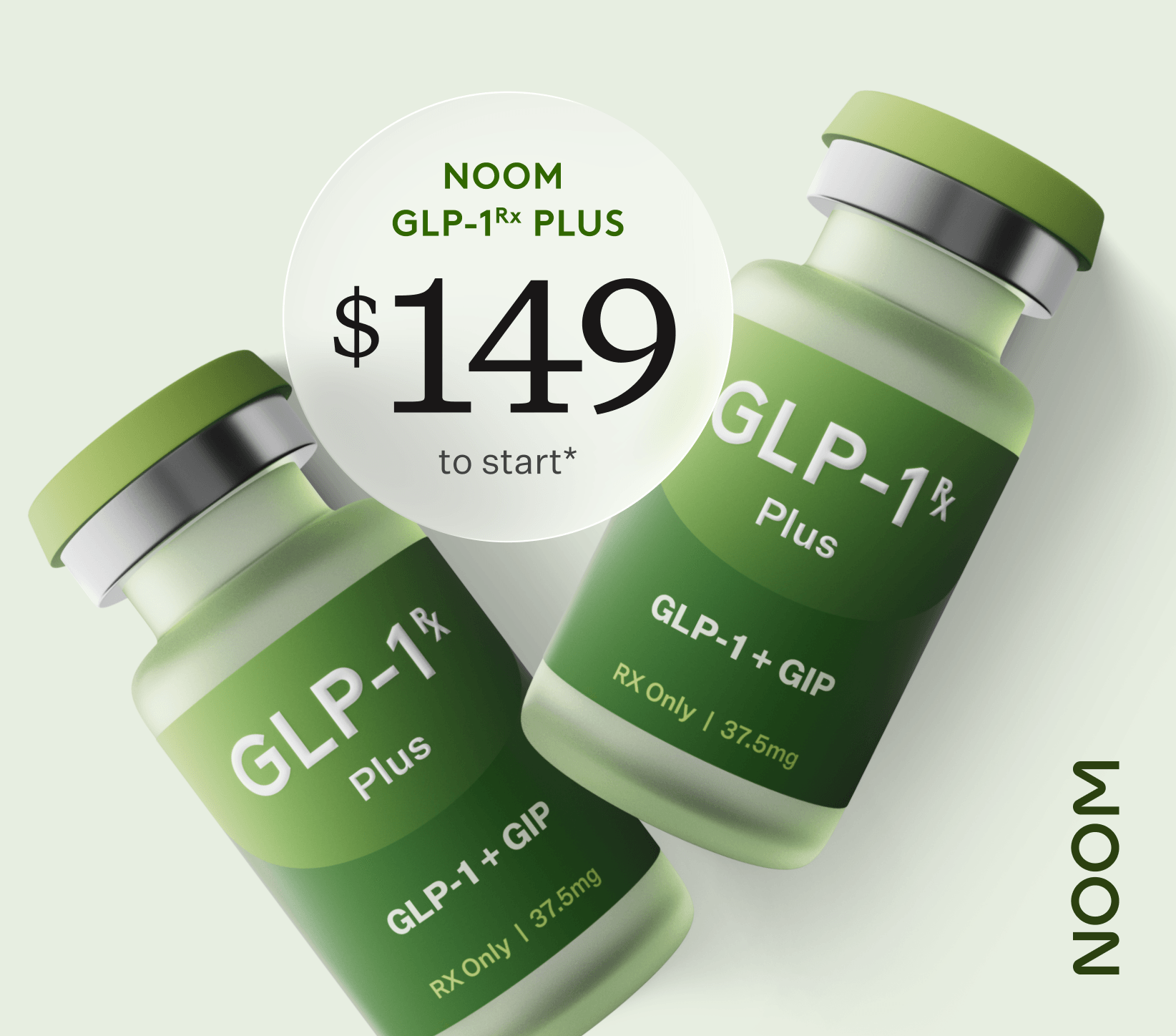
Noom GLP-1rx Plus
Wegovy®
Ozempic®
Metformin
Zepbound®
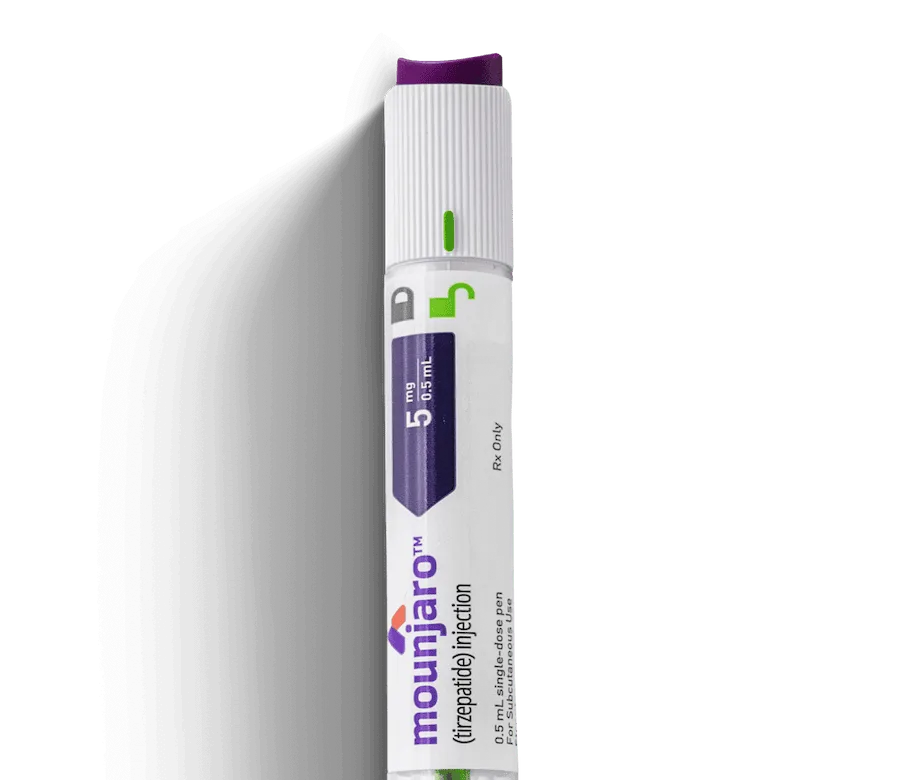
Mounjaro®
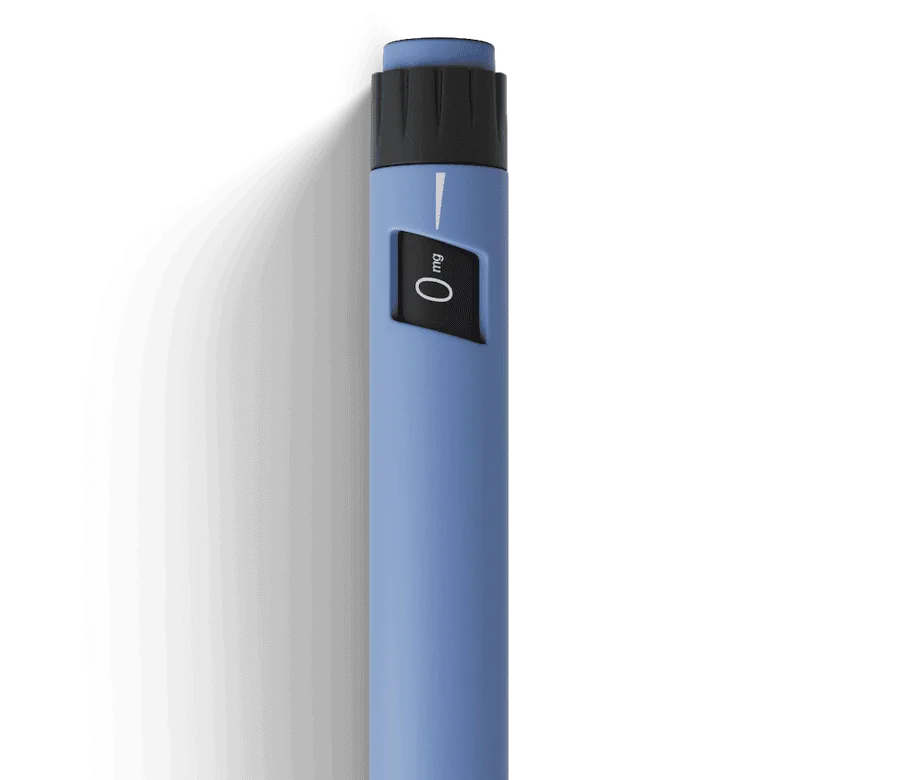
Liraglutide
After that, your dose typically increases to 5 mg weekly, and from there, your provider may slowly raise it in 2.5 mg steps every four weeks until you reach the dose that gives you the best results with the fewest side effects, up to a maximum dose of 15 mg per week. This gradual approach helps reduce common side effects like nausea and gives your body time to adapt.
Learn more: How to find the right dose of Mounjaro.
Who can prescribe Mounjaro®?
Any licensed healthcare provider can prescribe Mounjaro®. They’ll look at your health history, decide whether it’s a good fit, and help you move through the dosing schedule safely.
If it’s being used off-label for weight loss, most providers still follow the same general criteria used for other prescription weight-loss meds: usually a BMI of 30+, or 27+ if you have a weight-related condition like high blood pressure or high cholesterol. But it’s not a one-size-fits-all rule. Different clinicians may weigh your overall health, symptoms, and goals a little differently before deciding.
How much weight can you lose with Mounjaro®?
Tirzepatide medications are considered the most effective for weight loss currently on the market. The results from clinical studies are impressive. In one trial, people who combined tirzepatide with healthy eating and regular physical activity saw significant weight loss even at lower doses.
Here’s the average weight loss by dose over 72 weeks (16 months):
- 5 mg: 15% of starting body weight
- 10 mg: 19.5% of starting body weight
- 15 mg (the maximum dose for Mounjaro® or Zepbound®): 20.9% of starting body weight
In a follow-up study that lasted 88 weeks (20 months), people who stayed on tirzeptide continued to lose weight, averaging a 25% reduction in body weight from their starting point. These outcomes were achieved through a combination of medication and a moderate calorie deficit (around 500 fewer calories per day), and at least 150 minutes of weekly exercise.
How quickly will I lose weight with Mounjaro?
When taking Mounjaro®, weight loss tends to build slowly over time as your dose increases and your body gets used to the medication. You’ll start on a low dose to keep side effects manageable, and the higher doses usually bring the biggest changes. Pairing the medication with balanced eating and consistent movement can help to increase your weight loss results even more.
- First few weeks: Your appetite starts to drop, and you might notice a small amount of early weight loss as your body gets used to the medication.
- 1 to 3 months: Weight loss usually becomes more visible, and many people find cravings easier to control.
- 6 months to 1 year+: This is when the bigger results tend to show up. At higher doses, people often lose an average of 15 to 21% of their body weight, usually after a year or more of steady use.
Mounjaro®: Dosage adjustments & personalization
Finding the right Mounjaro® dose isn’t a one-size-fits-all process. While everyone starts with the same standard schedule, your healthcare provider will personalize your treatment based on how your body responds and your individual health profile. Your doctor’s approach to your dosing schedule also depends on whether you’re taking Mounjaro for type 2 diabetes or for weight loss.
Here are some factors that influence your dosage adjustment:
- Your body’s response: Some people see great results at lower doses, while others need higher amounts to reach their weight loss goals.
- Side effect tolerance: Because Mounjaro® works by slowing digestion and reducing appetite, it’s normal to feel mild nausea or stomach pain, especially early on. If those side effects become too severe, your provider might hold off on increasing your dose until your body has time to adjust.
- Other health conditions: Changes in kidney or liver function can affect how your body processes Mounjaro®. While no formal dose adjustment is required for these conditions, your doctor may monitor you more closely or adjust your plan as needed.
- Type 2 diabetes treatment vs. weight loss: Dose adjustments may also depend on whether you’re taking Mounjaro® for type 2 diabetes or for weight loss. While the dosing schedules are similar, your doctor will be monitoring different effects—glucose control vs. weight loss—which could impact how quickly or slowly your dose increases.
Learn more about proper dosage adjustments for Mounjaro®.
Mounjaro®: Cost and insurance considerations
If you’re paying out of pocket, the list price for Mounjaro® is about $1,080 per month. But what you actually pay depends a lot on your insurance, your pharmacy, and whether you qualify for any savings programs. The big thing to know is this: Mounjaro® is typically only covered if you’re using it for type 2 diabetes rather than for weight loss.
Here’s how coverage tends to look:
- Private insurance: Many plans cover Mounjaro® for type 2 diabetes, and copays are often pretty reasonable—usually somewhere between $25 and $150 per month. But for weight loss? Coverage is rare, since it’s not FDA-approved for that use.
- Medicare (Part D or Advantage): Typically covers Mounjaro® for diabetes with low copays (around $10–$50/month). Medicare won’t cover it for weight loss.
- Medicaid: Coverage varies by state. A small number of states cover GLP-1s for weight management through Medicaid, but most don’t—and Mounjaro® is unlikely to be covered for weight loss.
- Savings programs: Eli Lilly offers a Mounjaro® Savings Card that can bring the cost down to as little as $25/month for people with commercial insurance (but not Medicare or Medicaid).
Because insurance coverage for weight loss is limited with Mounjaro®, many people looking specifically for weight-loss support use Zepbound® instead. Zepbound can be more affordable through the manufacturer’s Lilly Direct program.
Let’s take a look at how the costs compare for Mounjaro® and Zepbound®:
Noom’s Most Powerful Program
A dual-pathway GLP-1 and behavior change for lasting results.
| Medication | List price (without insurance) | With insurance | Manufacturer savings programs |
|---|---|---|---|
| Mounjaro®Learn more about Mounjaro® costs | $1,079/month | Private insurance (for diabetes treatment): $25-$150/month Medicare (for diabetes treatment): $10-$50/month | Mounjaro® Savings Card: $25/month with commercial insurance |
| Zepbound®Learn more about Zepbound® costs | $1,086/month | Private insurance: not usually covered Medicare (for OSA treatment): $10-$50/month | Zepbound® Savings Card: $25/month with commercial insurance Lilly Direct (vial and syringe format): $349/month (2.5 mg), $499/month (all other doses) |
Learn more: Mounjaro® costs with and without insurance.
Is there a generic for Mounjaro®?
Because tirzepatide is still under patent protection, no other companies can legally produce or sell a generic form of it for several years. Eli Lilly currently holds the primary patent for Mounjaro® until at least 2036, though this could change depending on future extensions or legal challenges.
In the meantime, the only available versions of tirzepatide are Mounjaro® and Zepbound®.
Mounjaro: Side effects and safety
When first starting Mounjaro, most people experience stomach-related side effects like nausea, diarrhea, or constipation as their bodies adjust. These symptoms usually improve over time.
Common side effects
Like many medications that affect digestion, Mounjaro® can cause some mild stomach-related side effects, especially when you’re just starting or increasing your dose.
Here are some common side effects you may experience:
- Nausea
- Diarrhea
- Constipation
- Vomiting
- Abdominal pain
Let’s take a look at how often these effects occur depending on your Mounjaro® dose:
| Symptom | Mounjaro® 5 mg | Mounjaro® 10 mg | Mounjaro® 15 mg | What can help |
|---|---|---|---|---|
| Nausea | 12% | 15% | 18% | To help with nausea, avoid greasy or spicy foods, and keep your meals small and low-fat. |
| Diarrhea | 12% | 13% | 17% | Eat low-fiber foods that are easy to digest, and be sure to stay hydrated. |
| Vomiting | 5% | 5% | 9% | Drink clear liquids and eat bland foods like toast or crackers to calm your stomach. |
| Constipation | 6% | 6% | 7% | Slowly add more fiber, drink plenty of water, and incorporate gentle movement/exercise to prevent constipation. |
| Abdominal pain | 6% | 5% | 5% | Temporarily drink clear liquids and avoid solid foods to help with abdominal pain. |
| Dyspepsia (indigestion) | 8% | 8% | 5% | Avoid eating too quickly and don’t eat greasy foods or fizzy drinks to reduce indigestion. |
Rare but severe side effects
Most people tolerate Mounjaro® well, but in rare cases, some may experience side effects that require prompt medical attention. Knowing the warning signs can help you act quickly and stay safe.
- Thyroid tumor or lumps: Mounjaro® carries an FDA boxed warning about the potential risk of thyroid C-cell tumors based on animal studies. If you notice new neck swelling, a lump, difficulty swallowing, hoarseness, or shortness of breath, you should contact your healthcare provider right away.
- Pancreatitis: Seek emergency care if you feel severe, persistent abdominal pain that may spread to your back, often with nausea or vomiting.
- Low blood sugar (hypoglycemia): This can happen if you’re also taking insulin or certain diabetes medications and may cause shakiness, sweating, dizziness, irritability, fast heartbeat, blurry vision, or sudden weakness. Treat it promptly and seek medical care if symptoms don’t improve.
- Severe allergic reactions: If you experience swelling of the face, lips, tongue, or throat, along with difficulty breathing or swallowing, this indicates a serious reaction that requires immediate emergency treatment.
- Gallbladder problems: Pain in the upper right abdomen, fever, yellowing skin or eyes, or clay-colored stools may signal gallbladder inflammation or stones. Get immediate medical attention.
- Kidney problems: Decreased urination, swelling in your ankles or legs, unusual fatigue, or shortness of breath often develop after severe dehydration from vomiting or diarrhea. Get medical attention.
- Vision changes: Get immediate medical attention for any sudden vision issues or loss.
If you experience any concerning symptoms, contact your healthcare provider immediately or seek emergency medical care.
Learn more: Mounjaro® side effects: Symptom guide & management tips
Overdose risks and symptoms
Taking too much Mounjaro® can lead to serious complications that require immediate medical attention. Mounjaro® overdose symptoms typically include severe nausea or vomiting that won’t stop, intense stomach pain, extreme fatigue or weakness, and signs of dehydration like dizziness or decreased urination.
If you suspect you or someone else has taken too much Mounjaro®, seek help right away. Call the Poison Help Line at 1-800-222-1222 without delay, or go to your nearest emergency room. Healthcare providers recommend getting medical attention even if you’re not experiencing symptoms yet, as it’s better to seek care early rather than wait.
Mounjaro® and Zepbound® vs. GLP-1s: Weight loss potential
Because tirzepatide mimics both the GLP-1 and GIP hormones, Mounjaro® and its counterpart Zepbound are often more effective than other medications that only mimic GLP-1. Another potential benefit is that some research has shown that it may also have the fewest side effects among other similar GLP-1 medications.
How is Mounjaro® different from Ozempic® and Wegovy®?
When you’re comparing Mounjaro® to Ozempic® or Wegovy®, it really comes down to the difference between the active ingredients: tirzepatide vs semaglutide (Ozempic® and Wegovy®).
Semaglutide is a GLP-1 medication, meaning it works by mimicking the GLP-1 hormone, which helps lower appetite, slow digestion, and regulate blood sugar. Tirzepatide does all of that and mimics another hormone called GIP, which helps improve insulin response and influences how your body stores and uses fat. That extra GIP effect is a big reason why tirzepatide tends to produce stronger weight-loss results in studies.
- Mounjaro® vs. Ozempic®: These two have a lot of overlap. They’re both once-weekly injections approved for type 2 diabetes, and both are sometimes prescribed off-label for weight loss. The main difference is the ingredient—tirzepatide in Mounjaro®, semaglutide in Ozempic®—which can lead to slightly different weight-loss outcomes and side-effect experiences.
- Learn more about the differences between Mounjaro® and Ozempic®.
- Learn more about the differences between Mounjaro® and Ozempic®.
- Mounjaro® vs. Wegovy®: This comparison is really about approval. Wegovy® contains semaglutide just like Ozempic®, but it’s FDA-approved specifically for weight loss, similar to Zepbound®.
- Learn more about the differences between Mounjaro® and Wegovy®.
Here’s a quick comparison of the approvals and costs associated with these four medications:
| Active ingredient | Brand name and use | Cost per month (without insurance |
|---|---|---|
| Tirzepatide | Zepbound®: FDA-approved for weight loss and obstructive sleep apnea (OSA) Mounjaro®: type 2 diabetes, off-label weight loss | Zepbound®: Pens: $1,087 Vials: $349 (2.5 mg) $499 (5 mg, 7.5 mg, 10 mg, 12.5 mg, 15 mg) Learn more Mounjaro®: $1,080 Learn more |
| Semaglutide | Wegovy®: FDA-approved for weight loss, heart disease, and MASH Ozempic®: type 2 diabetes, off-label weight loss | Wegovy®: $1,350 NovoCare Pharmacy: $199 for the first two months (0.25 and 0.5), $349 for all doses thereafter Learn more Ozempic®: $998 NovoCare Pharmacy: $199 for the first two months (0.25 and 0.5), $349 thereafter for all doses up to 1 mg, 2 mg $499. Learn more |
Here’s what you can expect in terms of weight loss for each medication:
| Medication | Study length | Average weight loss |
|---|---|---|
| Tirzepatide – 15 mg (Zepbound®) | 72 weeks | 21% |
| Semaglutide – 2.4 mg (Wegovy®) | 68 weeks | 15% |
Want to know more about how Mounjaro® stacks up to other GLP-1 medications? Check out these in-depth comparisons:
Frequently asked questions about Mounjaro®
Below are some of the most common questions people ask when deciding if Mounjaro is the right fit for their goals.
Is Zepbound® the same as Mounjaro®?
Many people get confused by the different names, so it helps to think of them as the same drug with two different labels, tied to two different FDA indications—and those labels are what influence insurance decisions.
Mounjaro® is approved for type 2 diabetes and is sometimes covered for that, while Zepbound® is approved for weight loss and OSA. It’s rare for either to be covered for weight loss.
Also, Zepbound® comes in a vial-and-syringe option through Eli Lilly’s Lilly Direct program, which can make it much more affordable for people paying out of pocket. Mounjaro® doesn’t offer that version and comes only as a pen.
Read more: Zepbound® vs. Mounjaro®: What are the differences?
Can you drink alcohol while taking Mounjaro®?
There’s no known direct interaction between Mounjaro® (tirzepatide) and alcohol, but drinking can make nausea or other digestive side effects worse. It can also raise your risk of low blood sugar if you’re taking other diabetes medications, so talk to your doctor before drinking to make sure it’s safe for you.
How long can you safely take Mounjaro®?
Mounjaro® is designed for long-term use, and studies have shown it to be both safe and effective for over a year of continuous treatment. Your healthcare provider will monitor your progress and adjust your plan to keep it working safely for you.
Can you stop taking Mounjaro® abruptly?
While stopping Mounjaro® abruptly isn’t immediately harmful, it commonly leads to increased appetite and weight regain. Many healthcare professionals recommend gradual tapering and behavioral support to help maintain your weight loss. Always consult your healthcare provider before making changes to your medication routine; they can help you create a plan that supports your long-term success.
What kind of diet and exercise plan works best with Mounjaro®?
Mounjaro® works best when combined with a balanced eating plan focused on adequate protein to prevent muscle loss, minimally processed foods, and regular physical activity. Clinical trials included lifestyle counseling with a 500-calorie daily deficit and at least 150 minutes of weekly activity.
Does Mounjaro® cause hair loss?
Some people notice temporary hair shedding during rapid weight loss, but this is usually from the weight loss itself and not the medication. It typically stops once your body adjusts and your weight stabilizes.
How long does Mounjaro® stay in your system?
Mounjaro® has a half-life of approximately 5 days, which enables once-weekly dosing. It takes about 4-5 weeks for the medication to be completely eliminated from your body after your last dose.
Is Mounjaro® or Zepbound® better than Wegovy®?
Both tirzepatide and semaglutide are highly effective for weight loss. Studies suggest tirzepatide may lead to greater weight loss for some people, but individual results vary. Some studies also show that while both medications cause similar side effects, the rate of some side effects is lower with tirzepatide than with semaglutide. Your doctor can help determine which medication might work best based on your health history and weight loss goals.
What dose of Mounjaro® or Zepbound is most effective for weight loss?
Higher doses generally lead to greater weight loss on average, but not everyone needs the maximum dose to see progress. Your provider will work with you to find the dose that gives you progress and keeps side effects to a minimum.
Read more: How to find the right dose of tirzepatide for weight loss.
Reviews from real Noom users
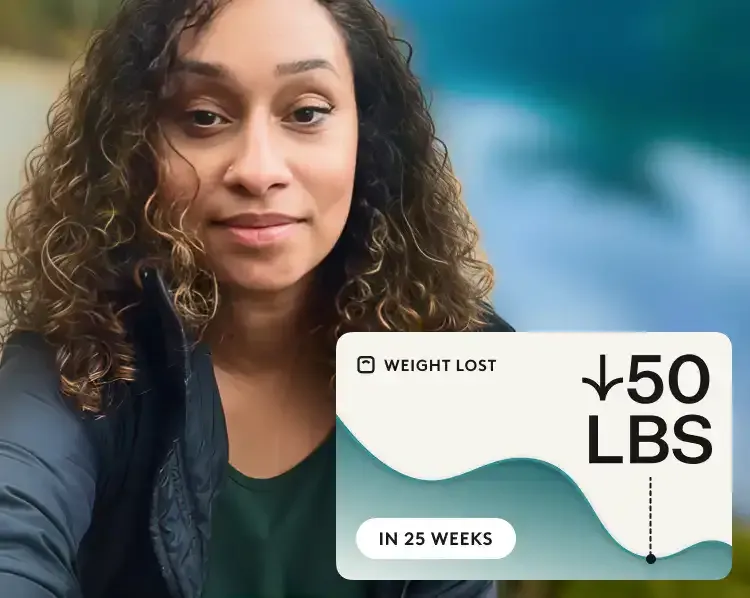
“My favorite parts of Noom are the care team and other Noomers. Sharing and getting help made me feel like I wasn’t doing it alone. That support made all the difference.”
Desirea N. — Real Noom user
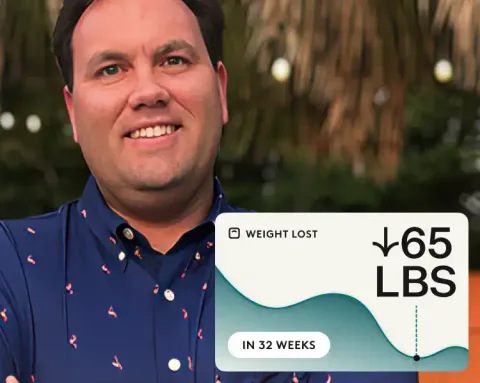
“Noom has taught me that every day is a new chance to make better, healthier choices. It’s taught me how to stop overeating.”
Matthew M. — Real Noom user
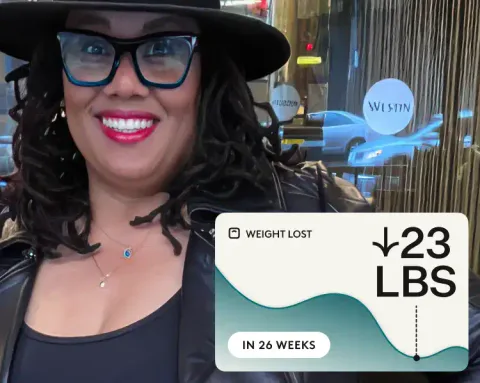
“Clinicians who understand how supportive medication can be is one of the best parts of Noom! I was convinced I wouldn’t have success but I’m down 11 pounds in two months.”
Lila M. — Real Noom user
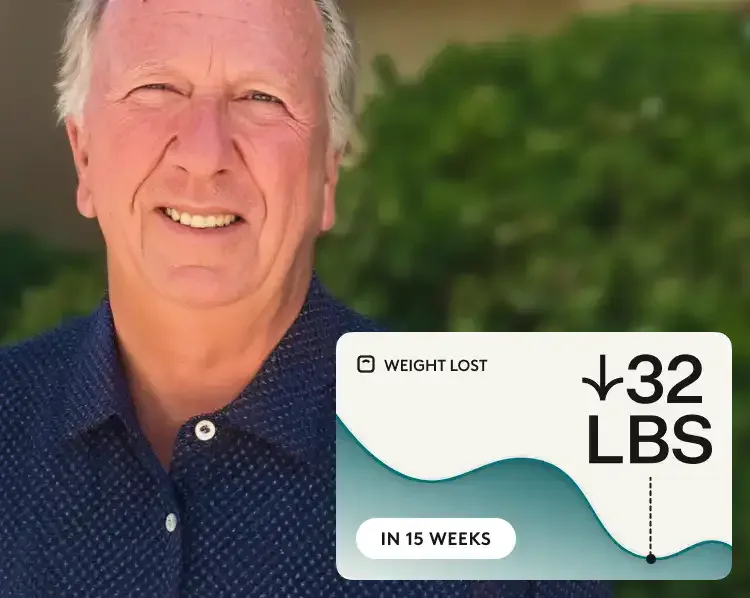
“Noom provided me with the medication which I could not get through Medicare. I have learned the tricks to better eating and life in general.”
Steve M. – Real Noom user
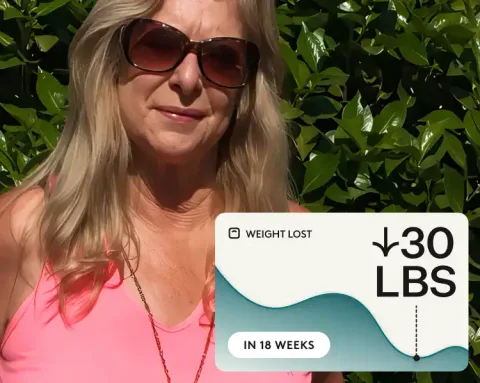
“Noom has changed my life and I’m so thankful, I feel great, have more energy and am no longer prediabetic.”
Daisy R. – Real Noom user
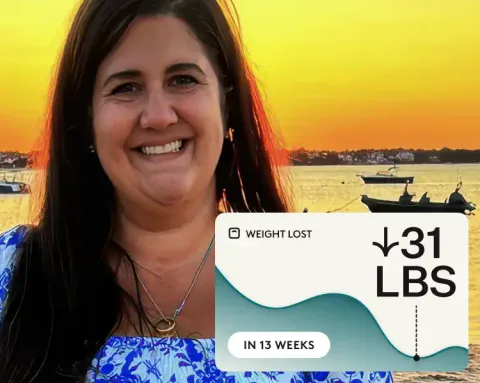
“All of the Noom providers that I’ve met with have been exceptional and prescribed medications that are appropriate for my situation and health.”
Sarah R. – Real Noom user
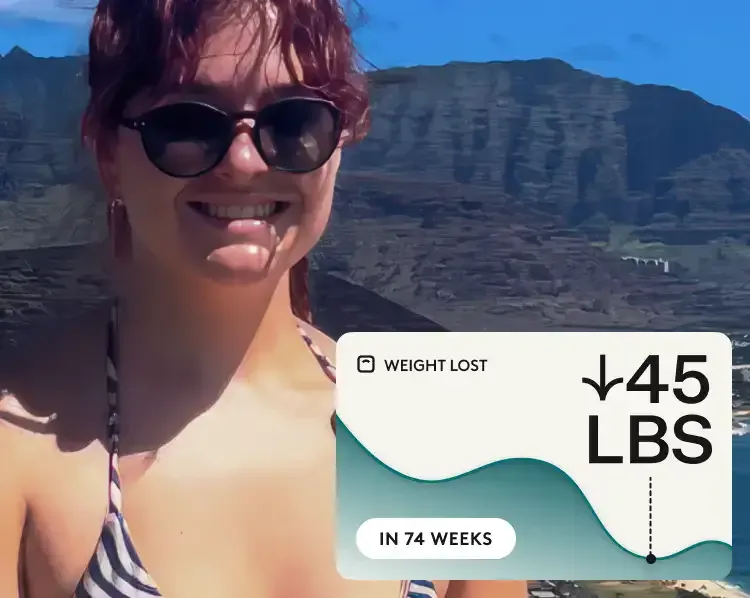
“Noom made the process so simple and now I feel full, free from diet obsession, and at ease in my body again.”
Madison S. – Real Noom user
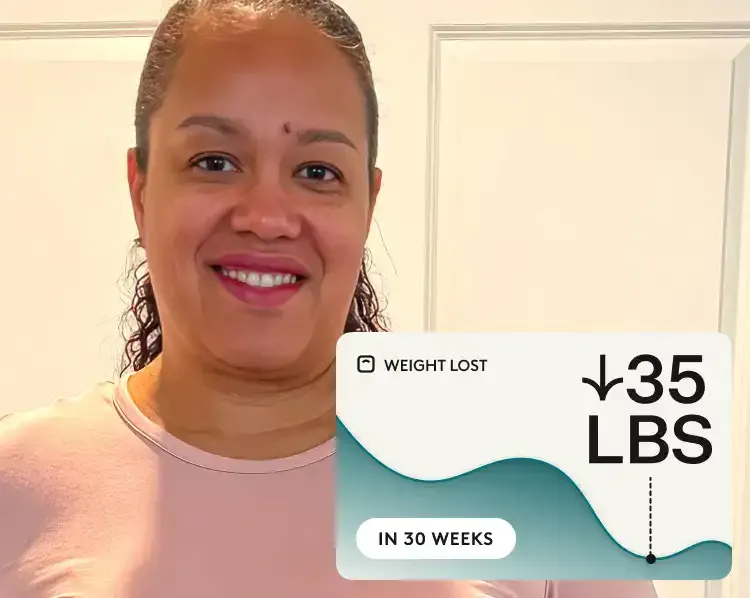
“My doctor recommended Noom after I was frustrated trying to lose weight. The lessons helped change my relationship with food. My body feels lighter & energized.”
Sonday K. – Real Noom user
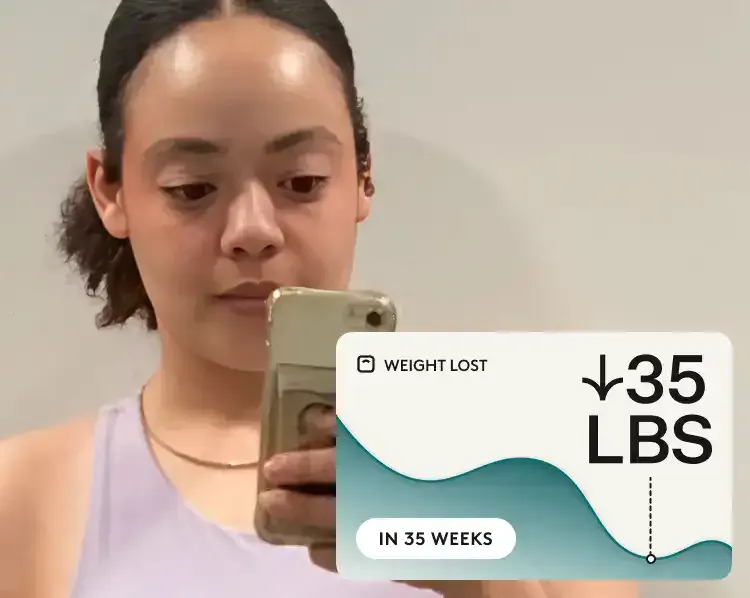
“I built healthy habits with coaching and lessons that make me confident I can maintain my weight loss long term.”
Cam K. – Real Noom user
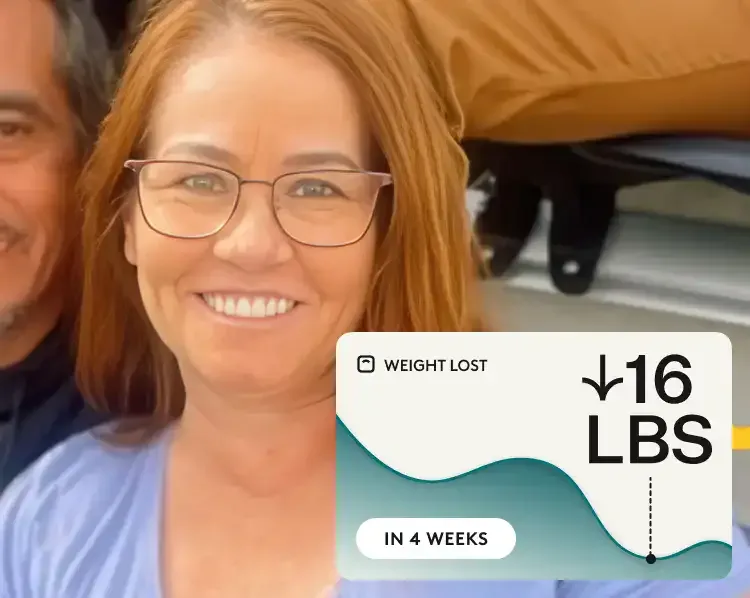
“With the right medication through Noom, hunger and sugar cravings finally quieted and I have the tools to break the cycle.”
Laura TR. – Real Noom user
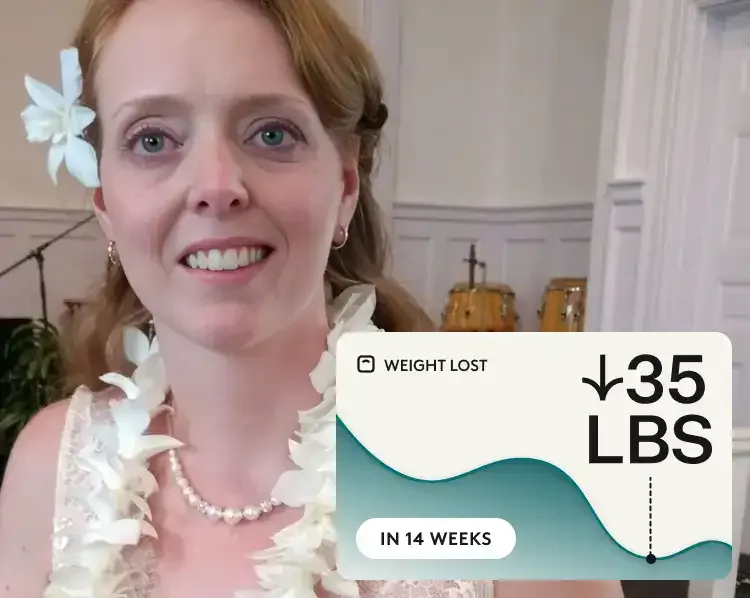
“Cravings and food noise are gone, I finally feel confident in the healthy habits I’ve built to last with Noom.”
Jessica S. – Real Noom user
The bottom line: Mounjaro can be very effective for weight loss
Mounjaro® is a powerful option for both blood sugar control and meaningful weight loss off-label. It’s tirzepatide works on two key appetite and metabolism hormones (GLP-1 and GIP), which is a big reason so many people see strong results over time. If you’re using it for weight loss, the journey is usually slow and steady: starting on a low dose, gradually increasing, and pairing it with balanced eating and regular activity. And while it shares a lot of similarities with other GLP-1 medications like Ozempic® and Wegovy®, its dual-hormone approach makes it a unique and often more effective option for many people.
Since Mounjaro® is only approved for type 2 diabetes, it may be covered for that—but rarely for weight loss. Zepbound® can be more affordable in the vial-and-syringe form through Lilly Direct.
If you want to know more about whether weight loss medication is right for you, see if you qualify for Noom Med. You’ll be connected with a clinician who can find the right medication for you and prescribe it if needed. Plus, they’ll help you manage side effects and create a diet plan to reach your goals.
Editorial standards
At Noom, we’re committed to providing health information that’s grounded in reliable science and expert review. Our content is created with the support of qualified professionals and based on well-established research from trusted medical and scientific organizations. Learn more about the experts behind our content on our Health Expert Team page.