
What you’ll learn:
- The viral “gelatin weight loss trick” involves eating or drinking a gelatin mixture about 30 minutes before a meal to curb appetite.
- While it may help you feel temporarily fuller, eating or drinking gelatin doesn’t lead to meaningful or lasting weight or fat loss.
- To lose weight in a healthy, sustainable way, focus on improving your eating habits and increasing movement. Skip the trendy quick fixes.
If you’ve spent time on TikTok or YouTube lately, chances are the gelatin or Jell-O weight loss trick has popped up on your feed. The idea is simple: Mix a gelatin or Jell-O packet with hot water. Then either drink it before it gels or let it set in the fridge and pop a cube or two before you eat. Some versions of the trend even mix gelatin with juice, tea, or pink salt to boost flavor or add “metabolic” benefits (more on those below).
Why the sudden interest in this jiggly snack? Part of gelatin’s renewed popularity comes from its connection to collagen, a wellness trend touted for everything from skin health to gut support. But collagen powders, drinks, and gummies can be pricey, which is why many creators are turning to plain gelatin. They consider it a more affordable source of similar proteins and an accessible alternative.
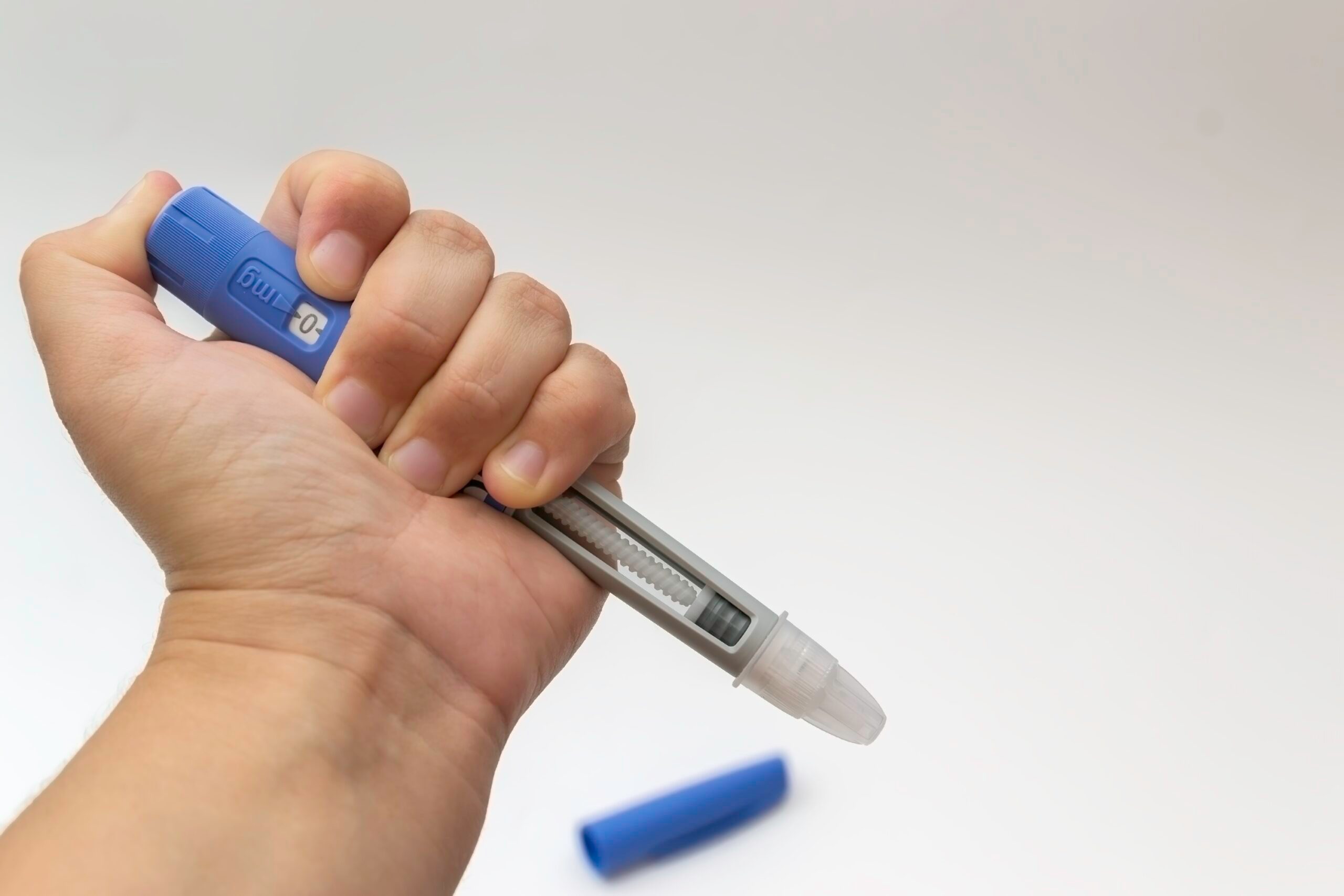
Followers claim your appetite will shrink and you’ll lose weight. Some creators even call it a “natural Ozempic,” saying it’s a DIY take on the appetite-suppressing effects tied to GLP-1 medications.
It’s easy to see why the idea has become popular. People are searching for simpler, more affordable ways to manage their hunger.
“The gelatin trick sits at the crossroads of two major trends,” says Kayla Reynolds, MS, NASM-CPT, Director of Knowledge, Learning & Behavior at Noom. “It taps into the popularity of high-protein eating and the fascination with simple, science-inspired hacks. Unfortunately, there’s not much evidence behind it.”
So what is this weight-loss promise actually based on, and does it stand up to scrutiny? Let’s unpack the science and psychology behind the hype.
What’s the difference between gelatin and collagen?
Both gelatin and collagen come from the same source: the connective tissues, bones, and skin of animals. The main difference lies in how they’re processed and used.
- Collagen is the structural protein found in animal connective tissue (like skin and bones). For supplements, this collagen is further broken down into smaller fragments called collagen peptides, which dissolve easily in cold liquids and are absorbed quickly by the body. That’s what you find in most collagen powders, drinks, and gummies.
- Gelatin, on the other hand, is collagen that’s been cooked. Heating collagen-rich parts (like bones and skin) causes the protein strands to unravel and partially break down. When this mixture cools, it forms a gel, creating that signature jiggly texture you see in gelatin snacks.
Because the two proteins come from the same material, their amino acid profiles are nearly identical. But while collagen peptides dissolve instantly in cold or room temperature liquids, gelatin must be dissolved in hot liquid and will solidify when cooled.
That’s why many social media creators consider gelatin the budget-friendly version of collagen: same origin, similar amino acids, but a fraction of the price.
| Nutrient (per 10 grams of powder) | Gelatin | Collagen peptides |
|---|---|---|
| Calories | 33 calories (USDA) | 35 calories (WebMD) |
| Protein | 8–9 g | 9 g |
| Fat | 0 g | 0 g |
| Carbohydrates | 0 g | 0 g |
| Texture/solubility | Dissolves in hot water, gels when cooled | Dissolves in cold water, stays liquid |
| Common uses | Cooking, treats/snacks, gummies | Added to coffee/smoothies, sold as supplements |
| Cost range | About $0.10 per 10 g | About $0.80–$1.20 per 10 g |
What is the gelatin trick for weight loss?
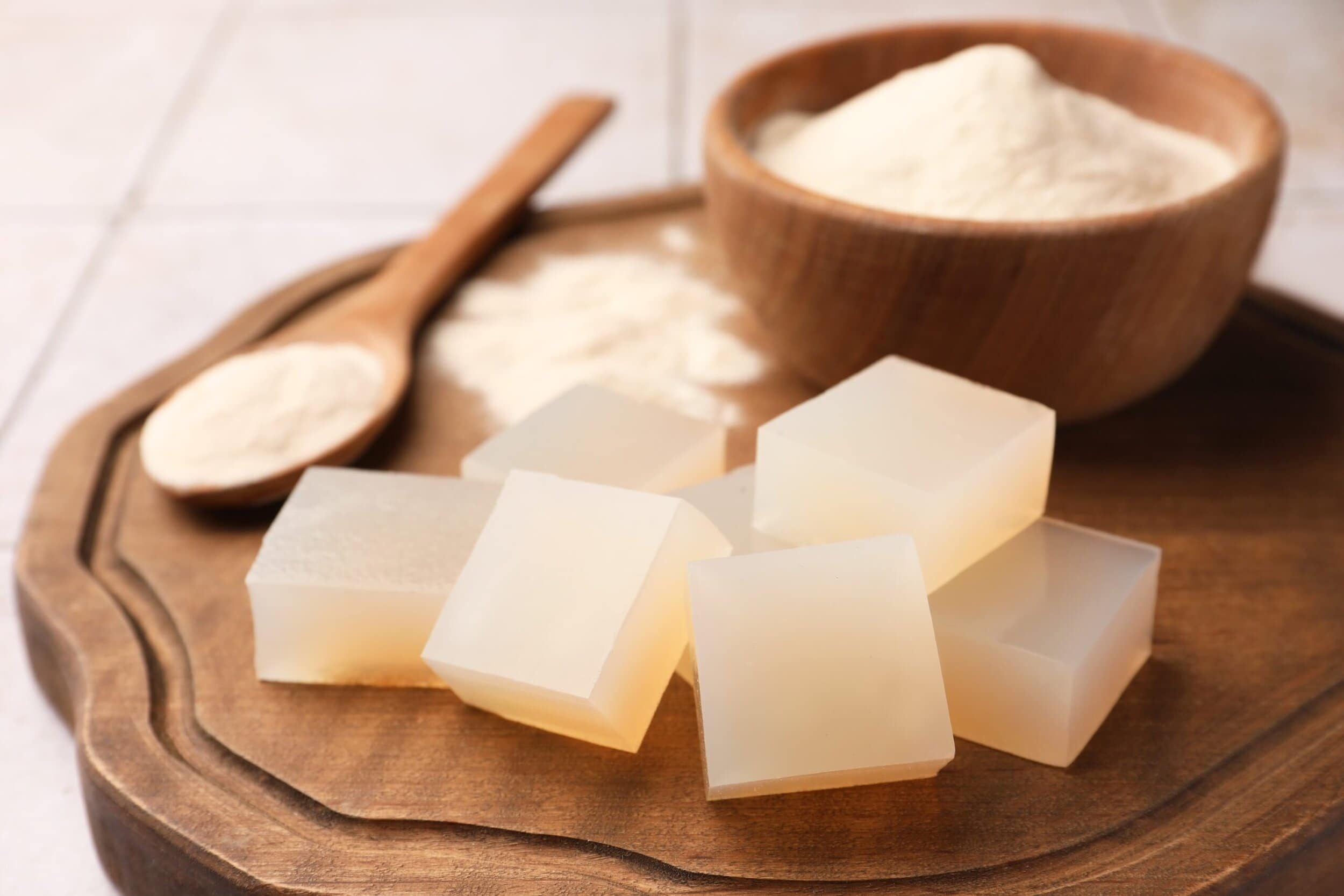
The gelatin weight loss trick is promoted as a pre-meal ritual. You dissolve unflavored or sugar-free flavored gelatin in a hot liquid, then chill it into a soft “Jell-O-like” snack. You can also drink it warm before it sets. Some people pop off a square and chase it with water before a meal.
The claim: Eating it 15 to 30 minutes before a meal helps you feel fuller faster, cut cravings, and reduce calorie intake.
Social posts show endless variations: Some add lemon juice, apple cider vinegar, green tea, or pink Himalayan salt for extra “metabolic” benefits.
A simple recipe for the gelatin weight loss trick
The classic gelatin weight loss recipe making the rounds is surprisingly easy.
You’ll need:
- 1 tablespoon (tbsp.) unflavored or sugar-free flavored gelatin (like Knox or a sugar-free Jell-O mix)
- 1 cup hot liquid, usually water, but some people use herbal tea, green tea, juice, or coffee
- Optional: squeeze of lemon, splash of apple cider vinegar, or a pinch of pink Himalayan salt
How to make it:
- Sprinkle the gelatin over 2 to 3 tbsp. of cold water and let it sit for about 5 minutes to “bloom.” (Blooming helps the gelatin dissolve evenly for a smooth, lump-free texture once it’s heated.)
- Once it’s thickened, pour in the hot liquid while stirring continuously until the gelatin fully dissolves.
- Add your optional flavorings, then refrigerate until set (about 2 to 3 hours).
Fans typically have a serving about 15 to 30 minutes before a meal. Some people cut the chilled version into small squares and eat one or two as a pre-meal snack.
Tip: Blooming lets the gelatin absorb water and unfold its protein strands so it dissolves smoothly and sets evenly. Always make sure it’s fully dissolved before drinking so it doesn’t clump or stick in your throat.
Variations on the gelatin weight loss trick
Like most social-media wellness hacks, this trend has evolved into several creative variations. Here are some of the most common—and what each actually does:
- Green tea gelatin: Replace hot water with brewed green tea. Caffeine adds a small boost in alertness and may slightly reduce appetite.
- Lemon or apple cider vinegar (ACV) gelatin: Add 1 to 2 teaspoons (tsp.) of lemon juice or ACV for tang. It’s often promoted as a metabolism booster, though there’s no evidence it increases metabolic rate or burns fat.
- Pink salt gelatin: Add a small pinch—about 1/8 tsp.—of pink Himalayan salt before the gelatin sets. Some people add salt, thinking it will help improve fluid balance in the body since sodium helps your cells regulate hydration and supports muscle and nerve function.
- Coffee gelatin: Use brewed coffee instead of water for a caffeine kick.
- Protein-boosted gelatin: Stir in a half scoop of collagen powder before chilling to increase protein content.
- Fruit-infused gelatin: Mix in a few mashed berries or 1 or 2 tbsp. of 100% fruit juice for natural sweetness.
Why is the gelatin trick for weight loss popular?
It feels like a “quick fix”
In 10-second clips, influencers promise dramatic results through the appealing, colorful gelatin drinks or cubes: “I lost 10 pounds in a week!” or ”This is my natural Ozempic!” The simplicity and visual satisfaction make it instantly shareable.
“Developing healthy eating habits can feel overwhelming and daunting, so when a simple ingredient or recipe promises big results, it feels appealing,” says Reynolds.
It’s cheap and accessible
Gelatin packets cost less than a dollar and are available in every grocery store. For those looking for a low-cost alternative to collagen supplements or other pricier trends, the gelatin trick feels attractive—something you can do yourself with household ingredients.
It borrows collagen’s health halo
Wellness influencers often take that a step further, implying that collagen’s skin-firming effects can also tone the body from within. In reality, collagen and gelatin don’t act on fat tissue. Any visible toning comes from muscle gain or fat loss, not from these proteins themselves.
Some small collagen peptide trials have shown modest reductions in fat mass for older adults after 12 weeks, but these effects are inconsistent in the literature and generalizable to the population at large. Gelatin, which is less refined than collagen, hasn’t shown similar outcomes.
It meshes with the current “protein-first” culture
When you dissolve a full packet of unflavored gelatin (about 7 grams) into a cup of water, tea, or coffee, you end up with roughly 6 grams of protein and 23 calories, with no fat or carbs. That might be enough protein to take the edge off hunger, but not enough to meaningfully impact metabolism or muscle mass. The recommended amount of protein at a given meal is at least 20 to 30 grams. (Adding fruit, sweetener, or juice will change the sugar and calorie count.)
Does the gelatin trick for weight loss work? Analyzing the claims
Claim 1: Gelatin can help people feel full
Verdict: Maybe.
In one study, some participants ate a custard-style breakfast made with gelatin, while others ate breakfasts made with casein, whey, or soy protein. Those who had the gelatin-based breakfast reported feeling fuller after breakfast and ate about 20% fewer calories at lunch than participants who had the whey or soy versions.
In another study, participants drank a gelatin-based liquid meal, and researchers measured changes in appetite-related hormones after eating. The gelatin meal led to higher post-meal GLP-1 and insulin levels—two hormones that help regulate appetite and satisfaction—compared with typical responses seen after carbohydrate-rich meals in previous studies.
This hormonal pattern suggests why some people feel more satisfied after gelatin. It may briefly trigger appetite-regulating signals.
Claim 2: Gelatin can help people lose weight
Verdict: No.
When researchers tested gelatin-enriched diets over several months, the early appetite benefits didn’t translate into lasting weight loss. In one four-month trial, participants followed high-protein diets—some with gelatin, others with milk-based proteins like casein. The results? Nearly identical. There was no extra fat loss or metabolism boost in the gelatin group.
So while gelatin might help you feel fuller for a meal or two, it didn’t lead to better long-term weight control than other protein sources.
Bottom line: Increasing protein can support fullness and muscle maintenance, but it’s achieving a caloric deficit and building consistent, healthy habits that make the real difference for weight loss.
“Replacing a high-calorie snack with a gelatin snack can help create a calorie deficit by reducing your appetite and calorie intake,” Reynolds explains. “But there’s no evidence that this will lead lead to meaningful or lasting weight loss.”
Is the gelatin hack for weight loss safe?
Overall, yes. But as always, moderation matters. If you want to try this trend, always make sure the mixture is fully dissolved before eating or drinking it. Undissolved gelatin can clump and pose a choking risk. And remember, more isn’t more. Larger amounts won’t speed up results, and they may cause digestive discomfort.
- Watch the additives. Many sugar-free gelatins contain artificial sweeteners and dyes, which may cause bloating or gastrointestinal upset. If this trend appeals to you, make your own drink or cubes with unflavored gelatin and fresh juice or tea.
- Don’t treat it as a meal replacement. Homemade low-sugar gelatin is low in calories and nutrients. If it crowds out balanced meals, your body misses out on fiber, healthy fats, and essential vitamins and minerals.
- Mind dietary restrictions or preferences. Traditional gelatin is made from animal collagen, so it’s not suitable for vegans or vegetarians. Plant alternatives like agar-agar will set the same way, but they don’t provide protein, so you’ll lose the fullness benefit.
“If you like the texture and you genuinely enjoy it, great,” Reynolds says. “But if you’re relying on it every day to suppress your hunger, that’s not healthy. Instead, I recommend that people focus on eating balanced meals and snacks for to feel satisfied and energized throughout the day..”
The bottom line: If you like gelatin, try it. But don’t expect it to work miracles
The gelatin weight loss trick isn’t dangerous, and it may even help decrease appetite. But it’s not the breakthrough that social media makes it out to be. The evidence supports short-term satiety, not sustained weight loss.
“Think of it as a low-calorie snack, not a solution,” says Reynolds. “Sustainable weight loss comes from holistic health habits: eating balanced meals, managing stress, staying active, and getting quality sleep.”
If you’re curious, try eating a small portion before lunch or dinner. Don’t think of it as a meal replacement. Because at the end of the day, no snack outperforms sustainable, evidence-based habits.
Want to learn more and get daily guidance for improving your habits? Download Noom now to see all of our new features to help you stay on track: iOS and Android.
Editorial standards
At Noom, we’re committed to providing health information that’s grounded in reliable science and expert review. Our content is created with the support of qualified professionals and based on well-established research from trusted medical and scientific organizations. Learn more about the experts behind our content on our Health Expert Team page.