

What you’ll learn:
- Wegovy® is a once-weekly GLP-1 medication FDA-approved for weight loss.
- People lose an average of 15% of their starting weight on the highest dose, making Wegovy® one of the most effective weight-loss medications available today.
- Wegovy® and Ozempic® share the same active ingredient, but have a few important differences.
GLP-1 medications have changed the face of modern weight loss, redefining what is possible and giving people a clear path that was never there before. It all started with Ozempic®, a semaglutide medication for diabetes that also helped people lose significant amounts of weight. Wegovy® followed in 2021 as the first semaglutide medication approved for weight loss.
It’s considered Ozempic’s “sister” medication. Both contain the same active ingredient, semaglutide, but they’re approved for different purposes: Ozempic® for type 2 diabetes management, and Wegovy® specifically for weight loss.
Like Ozempic®, Wegovy® is a once-weekly injection that helps lower appetite, slow digestion, and stabilize blood sugar.
Its growing popularity has also brought plenty of questions: How is it different from Ozempic®? How much weight can people realistically lose? What are the right dosages and possible side effects? And of course, what about cost and long-term use?
Let’s break down what Wegovy® really does for weight loss, how it fits into a long-term plan, and what to know before getting started.

The Easy Way
to lose weight and get healthy.
What is Wegovy® and how does it work?
Wegovy® is a weight loss medication made with semaglutide, a medication that mimics the effect of a natural gut hormone called GLP-1 (glucagon-like peptide-1). GLP-1 is released after you eat to lower your appetite and slow down how quickly food moves through your stomach so it can be digested.
By binding to GLP-1 receptors, the semaglutide in Wegovy enhances these natural signals, helping to keep appetite low and keep you feeling full for longer periods of time, so you eat less food.
How? These receptors are located in different parts of your body and digestive system. Here’s what happens when semaglutide activates them:
- In the stomach, it slows how quickly food empties, helping you stay full longer.
- In the brain’s appetite and reward centers, it lowers hunger.
- In the pancreas, it stabilizes insulin secretion to regulate blood sugar.
Learn more: What is semaglutide? Exploring the weight loss benefits, side effects, and cost
Why did Wegovy® become popular for weight loss?
Wegovy® is the result of nearly a decade of progress in GLP-1 medications. It began with Saxenda® (liraglutide), approved in 2014 as the first GLP-1 specifically for weight management. It helped people lose about 5 to 6% of their body weight, but it required daily injections, and weight loss was moderate.
A few years later, Ozempic® arrived (2017), using the newer molecule semaglutide. It was only approved for type 2 diabetes, but it introduced something people immediately loved: once-weekly dosing. As people noticed weight loss even at diabetes doses, interest surged and conversations spread far beyond the endocrinology world.
In 2021, when the FDA approved Wegovy®, it was the first once-weekly semaglutide medication designed for weight loss. In clinical trials, people taking Wegovy® lost an average of about 15% of their starting weight. That level of effectiveness was unlike anything the weight-loss world had seen before.
The combination of weekly dosing, better tolerability, and dramatically higher effectiveness made Wegovy® feel like an entirely new category of support, not just another medication. People also trusted it more quickly because semaglutide was already widely used and understood through Ozempic. Wegovy® became the first weight-loss medication that felt both clinically strong and practically doable, helping it rise from a new option to a cultural moment almost instantly.
Learn more about GLP-1 medications.
How is Wegovy® different from Ozempic®?
Wegovy® and Ozempic® are both made with semaglutide, but they’re approved for different uses and have slightly different dosing ranges. Wegovy® is FDA-approved for weight management and is also approved to reduce cardiovascular risk in people with obesity and a history of heart disease. It can be prescribed at a higher maximum dose (up to 2.4 mg weekly), which may offer stronger appetite suppression and more substantial weight-loss support.
Access GLP-1 Weight Loss with Noom
Explore a wide range of prescription medications supported by Noom’s program.
Microdose GLP-1rx
Noom GLP-1rx
Noom GLP-1rx Plus
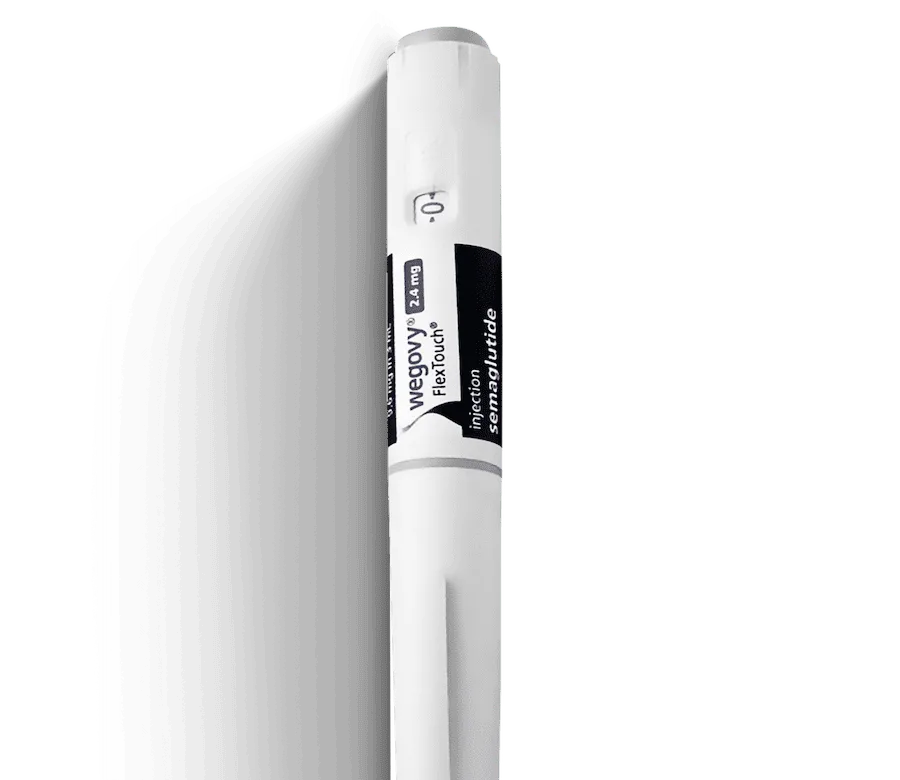
Wegovy®
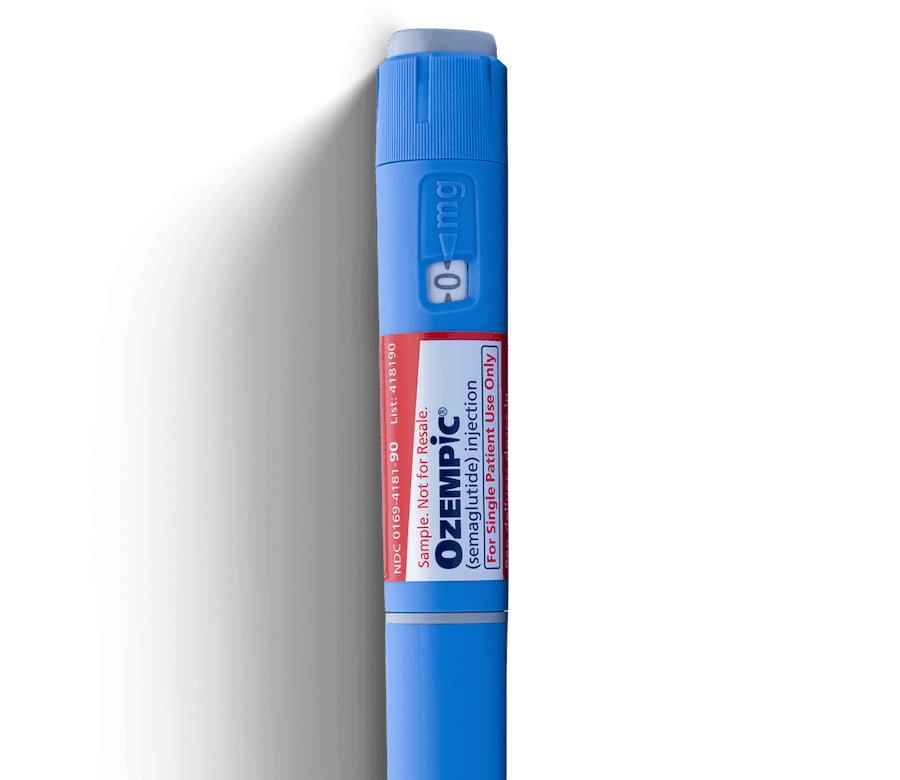
Ozempic®
Metformin
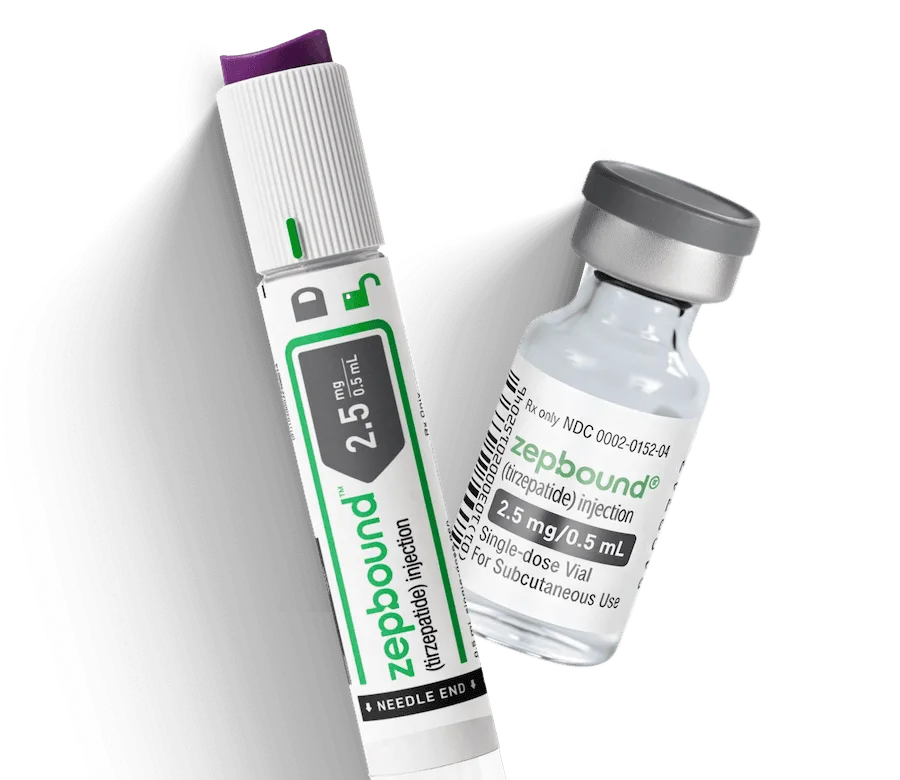
Zepbound®
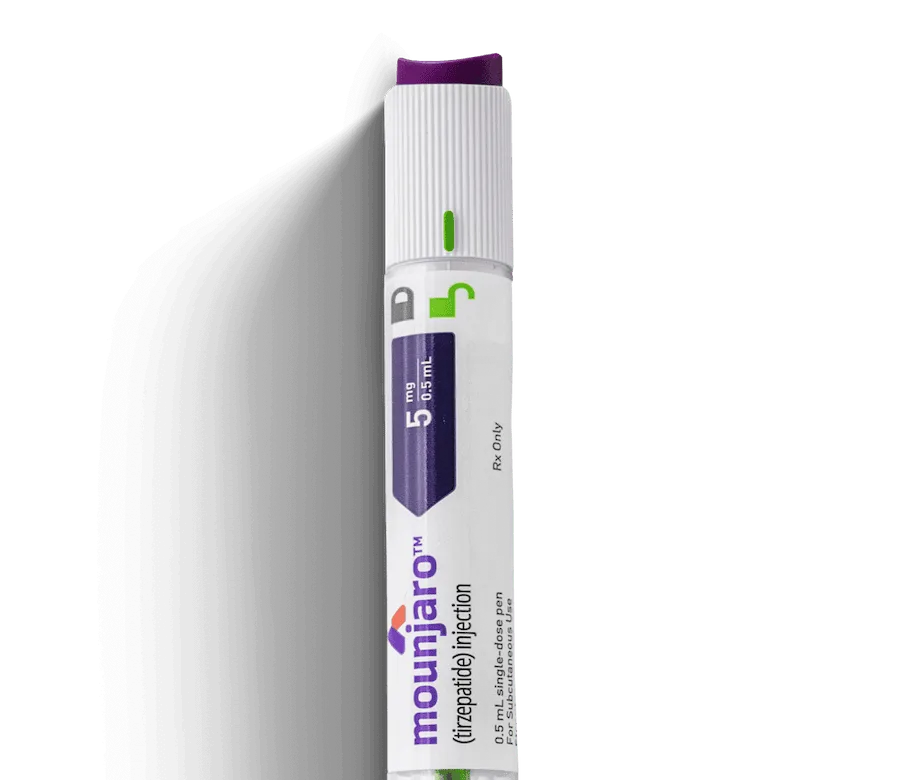
Mounjaro®
Liraglutide
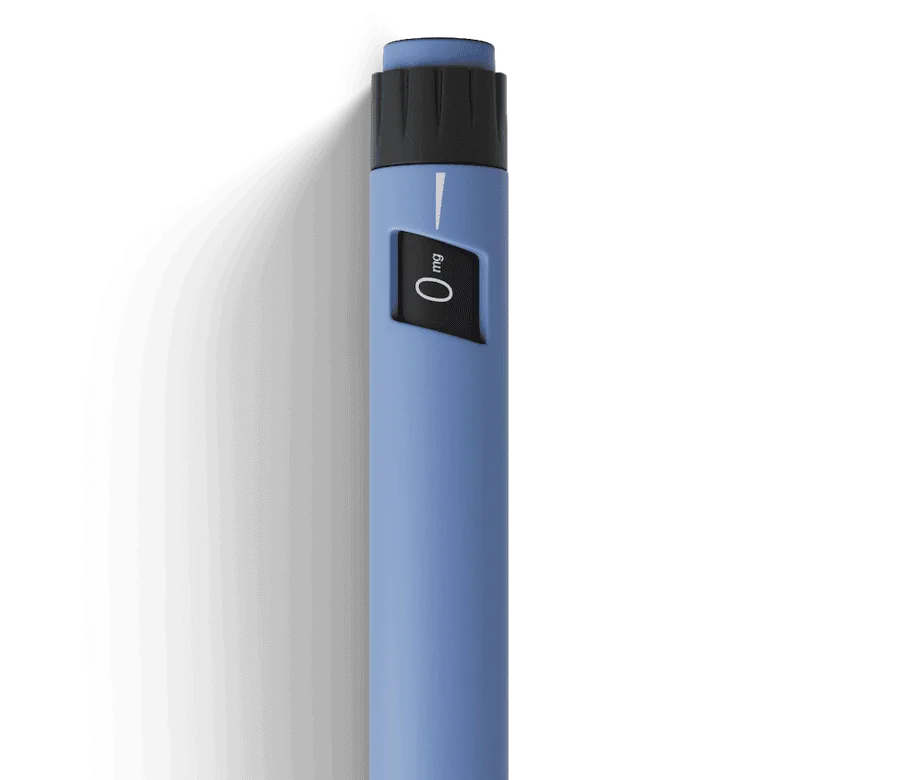
Ozempic® is FDA-approved for type 2 diabetes and can be prescribed off-label for weight loss when appropriate. Its dosing increases up to 2 mg weekly, a slightly lower maximum dose that may provide a more modest appetite effect compared to Wegovy®.
Learn more about the difference between Ozempic® and Wegovy®.
How much weight can I lose with Wegovy®?
In a 2-year study, people who used Wegovy® lost around 15% of their starting weight on average. So if you weigh 250 pounds, that’s roughly 37 to 38 pounds.
And of course, that’s just the average. Some people lose more, some lose a little less. In that same study, about 77% of people lost at least 5%. Interestingly, the placebo group barely budged—only about 3%—which really shows how much semaglutide can move the needle.
What’s also encouraging? Most people stuck with it. More than 90% completed the full 104 weeks, and many kept seeing steady progress.
How quickly will I lose weight with Wegovy®?
Most people start to notice changes in the first few weeks, losing about 2% of their body weight by Week 4. As the dose increases, weight loss tends to build in a steady way. In a large clinical trial, people reached on average 6% by Week 12, 8% by Week 16, and roughly 14 to 15% by the one- to two-year mark.
| Week | Average weight loss (%) |
|---|---|
| Week 4 | 2% |
| Week 12 | 6% |
| Week 16 | 8% |
| Week 36 | 14% |
| Week 104 | 15% |
Wegovy®: Cost and insurance considerations
Wegovy® can make a real difference for people working toward weight goals, but it can be pricey, and insurance still doesn’t regularly cover weight loss medications. The list price is around $1,350 per month at any dose. But what you end up paying depends on your insurance plan, pharmacy choice, and access to any available savings programs.
When does insurance cover Wegovy®?
Most insurers don’t cover Wegovy, but that landscape seems to be shifting. According to the 2025 KFF Employer Health Benefits Survey, coverage among large employers offering GLP-1 drugs for weight loss grew from 28% in 2024 to 43% in 2025.
As for Medicare Part D, it still doesn’t cover GLP-1 medications like Wegovy® for weight loss, and Medicaid access varies depending on the state. If you’re considering Wegovy®, contact your insurance provider directly to confirm coverage, copay tiers, and any prior authorization requirements.
- If you have commercial insurance, you may qualify for the Wegovy® Savings Card, which can lower your copay to as little as $0 per month. The card covers up to $225 per 28-day supply, depending on your plan’s terms. Medicare, Medicaid, and other government insurance plans aren’t eligible.
Can you save on Wegovy® if I get it through the manufacturer?
Yes: If you don’t have coverage, you can get your Wegovy® prescription filled through the manufacturer’s NovoCare® Pharmacy. The first two months (0.25 mg and 0.5 mg doses)* will cost $199. All doses after that will cost $349 per month.
Learn more: Wegovy® costs in 2025: With and without insurance coverage
*Costs are subject to change. Always check with NovoCare® Pharmacy to confirm prices and eligibility.
Is there a generic for Wegovy®?
If you’re hoping for a generic version of Wegovy®, you’ll have to wait a bit longer. Semaglutide is still under patent protection by Novo Nordisk, which keeps other companies from producing generic versions of the medication.
The current U.S. patent runs through about 2032, meaning it could be several years before more affordable alternatives appear. When that happens, it could open the door for broader access to GLP-1 medications for weight loss.
Wegovy®: Dosage and how to take it
Wegovy® is a once-weekly shot in a prefilled pen that you’ll use to deliver the dose just under the skin. You can inject it in your abdomen, thigh, or upper arm, but it’s best to rotate each time to avoid any irritation. Most people find it simple after the first few tries, and the needle is much smaller than you might expect.
The Easy Way
to lose weight and get healthy.
The medication starts at the lowest dose and gradually increases over time. This slow buildup gives your body time to adjust and helps reduce common side effects. Everyone’s timeline looks a little different, but many people follow a step-up schedule like this:
| Week | Weekly dose | What to expect |
|---|---|---|
| Weeks 1-4 | 0.25 mg | Starting phase—your body adjusts to the medication. |
| Weeks 5-8 | 0.5 mg | Slight appetite changes may start to appear. |
| Weeks 9-12 | 1.0 mg | Weight loss progress often becomes more noticeable. |
| Weeks 13-16+ | 1.7 mg | Commonly used as a maintenance dose if tolerated well, but your provider may increase your dose depending on your progress. |
| Maximum dose | 2.4 mg | Maximum approved dose for long-term results. |
Not everyone needs to increase to the maximum dose. The goal is to lose steady weight (1 to 2 pounds per week) with the fewest side effects.
Do I need to get to the maximum dose of Wegovy® to lose weight?
Not necessarily. Many people start losing weight well before they reach the highest dose. Wegovy is designed with a slow, step-up schedule so your body can adjust, and plenty of people stay on a lower dose if it’s working well for them or if they’re more comfortable there.
A clinical trial shows that weight loss increases as the dose increases, but both doses still lead to meaningful progress. Here’s what that looked like:
| Semaglutide dose | Average weight loss at 68 weeks | % who lost at least 5% of their body weight |
|---|---|---|
| 1.7 mg (lower dose) | 9.6% | 72% |
| 2.4 mg (full dose) | 13.2% | 83% |
What this really means is that you don’t have to hit the maximum dose to see results, but the full 2.4 mg dose typically leads to the greatest weight loss in studies.
Learn more: Wegovy® dosage guide: Finding the right dose for weight loss results
Wegovy®: Side effects and safety
Because Wegovy® works by changing how your body handles food, it’s really common to notice some digestive shifts when you first start—or when your dose increases. Most people experience mild, temporary symptoms that settle down as their body adjusts. More serious side effects are rare, but it’s still important to know the warning signs so you can get medical attention quickly if something doesn’t feel right.
The most common side effects of Wegovy®
Most side effects happen as your body adapts to semaglutide. They’re usually mild, short-lived, and tend to fade after the first few weeks.
Common side effects include:
- Nausea
- Vomiting
- Diarrhea or constipation
- Abdominal pain or bloating
If they don’t improve or start to interfere with daily life, your healthcare provider can adjust your dose or recommend supportive strategies.
Learn more: Managing the side effects of Wegovy®: What you need to know
Rare but serious side effects
Wegovy® is generally safe, but in rare cases, it can cause serious medical reactions. Knowing the warning signs can help you respond quickly if something doesn’t feel right.
- Pancreatitis: Severe abdominal pain that reaches your back or comes with vomiting can indicate inflammation of the pancreas. Seek medical care immediately. Learn more about the connection between semaglutide and pancreatitis.
- Gallbladder problems: Pain in the upper right abdomen, fever, or yellowing of your eyes or skin may mean gallstones or gallbladder inflammation. Get immediate medical care.
- Hypoglycemia: If you also use insulin or certain diabetes medications, your blood sugar could drop too low. Look out for shaking, sweating, or confusion, and seek immediate help if symptoms worsen.
- Kidney strain: Dehydration from nausea or vomiting can affect kidney function. Signs include swelling, fatigue, or reduced urination—see your doctor right away if these occur.
- Severe allergic reactions: Difficulty breathing, facial swelling, or hives are signs of a serious allergic reaction. Call emergency services immediately.
- Changes in mood or behavior: Feelings of sadness, anxiety, or self-harm should be discussed urgently with your healthcare provider.
- Vision disturbances: Sudden vision changes require immediate medical care.
- Heart rate changes: A racing pulse or fluttering heartbeat that doesn’t go away should be checked as soon as possible.
- Thyroid tumors or cancer: This risk has only been seen in animal studies, but lumps, swelling, or a hoarse voice may be warning signs. Tell your healthcare provider immediately if you notice any of these changes.
Read the complete guide to safety with Wegovy®.
Who shouldn’t take Wegovy®?
Wegovy® can be highly effective, but it isn’t the right fit for everyone. Your healthcare provider will review your health history to make sure it’s safe before starting treatment.
You should not take Wegovy® if:
- You or a family member has a history of medullary thyroid carcinoma (MTC) or multiple endocrine neoplasia type 2 (MEN 2).
- You’ve had allergic reactions to semaglutide or similar medications.
- You’re pregnant, breastfeeding, or planning to become pregnant.
Your provider will decide if Wegovy® is right for you if:
- You’ve had pancreatitis: Past inflammation of the pancreas may increase your risk.
- You have severe digestive problems: Wegovy® slows digestion, so it might worsen conditions like gastroparesis or chronic bloating.
Wegovy® vs. other GLP-1s: Weight loss potential
Wegovy® is one of several GLP-1 medications studied for weight management, and it continues to set a high benchmark for results. Here’s how it compares to other commonly prescribed GLP-1 medications:
| Medication | Study length | Average weight loss |
|---|---|---|
| Semaglutide – 2.4 mg (Wegovy®) | 68 weeks | 15% |
| Tirzepatide – 15 mg (Zepbound®) | 72 weeks | 21% |
| Liraglutide – 3 mg (Saxenda®) | 56 weeks | 6% |
The best fit really depends on your goals, side effect tolerance, and what feels sustainable. A quick chat with your provider can help you figure out which one makes sense for you.
If you want to learn more about how Wegovy® compares to other GLP-1 medications, in more detail, check out:
Will I have fewer side effects on Zepbound® vs. Wegovy?
Both medications cause similar side effects overall, but there are a few clear patterns:
- Zepbound® tends to have slightly fewer stomach-related side effects, especially vomiting, constipation, and reflux.
- Wegovy® has fewer injection site reactions, which show up more often with Zepbound®.
- For nausea, diarrhea, headaches, and dizziness, the rates are almost identical.
So while the differences are small, Zepbound® may be a bit easier on digestion, and Wegovy® may be gentler on the skin.
Below is a side-by-side comparison of how often common side effects occurred in a study that looked at Wegovy® vs. Zepbound®:
| Symptom | Wegovy® (Semaglutide 1.7–2.4 mg) | Zepbound® (Tirzepatide 10–15 mg) |
|---|---|---|
| Nausea | 44% | 44% |
| Vomiting | 21% | 15% |
| Diarrhea | 23% | 24% |
| Constipation | 29% | 27% |
| Abdominal pain | 7% | 6% |
| Dyspepsia (indigestion) | 7% | 6% |
| GERD | 11% | 6% |
| Fatigue | 12% | 10% |
| Dizziness | 5% | 6% |
| Headache | 7% | 7% |
| Injection site reaction | <1% | 9% |
Read more: Wegovy® vs. Zepbound® side effects: How are they different?
Frequently asked questions (FAQs) about Wegovy® and weight loss
These quick answers cover the most common questions people have about how it works, safety, and what to expect along the way.
Can you switch from Ozempic® to Wegovy® for weight loss?
Yes, you can switch from Ozempic® to Wegovy® under your doctor’s guidance. Since both use the same active ingredient, semaglutide, the switch will be more about pricing and dose than anything else.
Learn more about how Wegovy® and Ozempic® compare.
Can you drink alcohol while taking Wegovy®?
There’s no strict rule against it, but moderation matters. Alcohol can worsen nausea or dehydration and may affect blood sugar levels, so it’s best to check in with your doctor if you drink regularly.
How long can you safely take Wegovy®?
There’s no set time limit. Wegovy® is designed for long-term use as long as it’s working well and side effects stay manageable. Your healthcare team will keep an eye on your progress to make sure it continues to be the right fit. In fact, some people don’t stop Wegovy and take a maintenance dose to keep weight off.
Can you stop taking Wegovy® abruptly?
It’s better not to stop suddenly. Quitting too quickly can bring back hunger and weight gain fast, so talk with your provider about tapering off gradually if you’re ready to stop.
Learn more: What happens when you stop taking Ozempic® or Wegovy®?
Is it safe to stop and restart Wegovy®?
Yes, but always check with your provider first. If it’s been more than two weeks since your last dose, you may need to restart at a lower dose to reduce side effects.
What kind of diet and exercise plan works best with Wegovy®?
You’ll get the best results by pairing Wegovy® with a balanced, protein-rich diet and regular activity. Even light strength training can help preserve muscle and keep your energy up as you lose weight.
Learn more about how exercise can work with GLP-1 medications.
Does Wegovy® cause muscle loss or facial fat loss, and how can you help preserve muscle?
Any quick weight change can cause some muscle loss. Focusing on protein, hydration, and resistance training can help maintain muscle and balance overall results.
Learn more about managing Wegovy® side effects.
How does Wegovy® interact with other medications?
Wegovy® can change how your body absorbs other medications since it slows digestion. Always share your full medication list with your provider—especially if you take diabetes drugs, blood thinners, or anything that affects your stomach.
Reviews from real Noom users
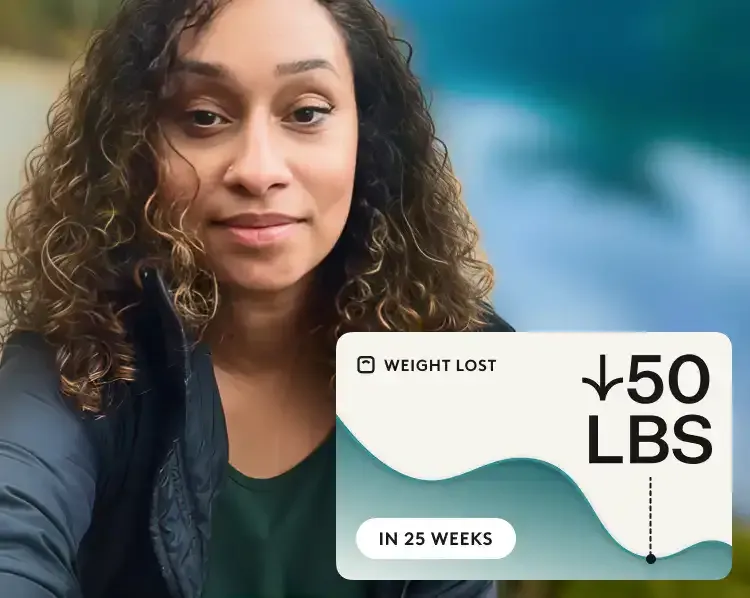
“My favorite parts of Noom are the care team and other Noomers. Sharing and getting help made me feel like I wasn’t doing it alone. That support made all the difference.”
Desirea N. — Real Noom user
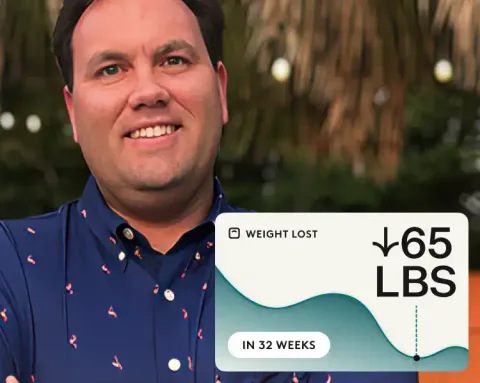
“Noom has taught me that every day is a new chance to make better, healthier choices. It’s taught me how to stop overeating.”
Matthew M. — Real Noom user
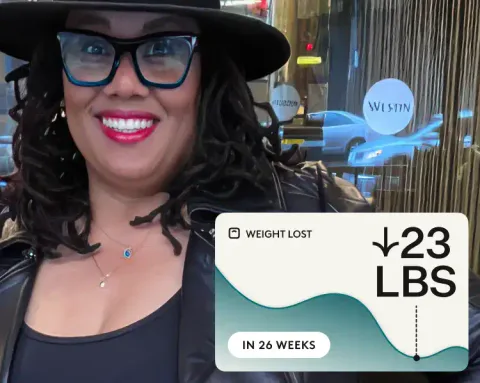
“Clinicians who understand how supportive medication can be is one of the best parts of Noom! I was convinced I wouldn’t have success but I’m down 11 pounds in two months.”
Lila M. — Real Noom user
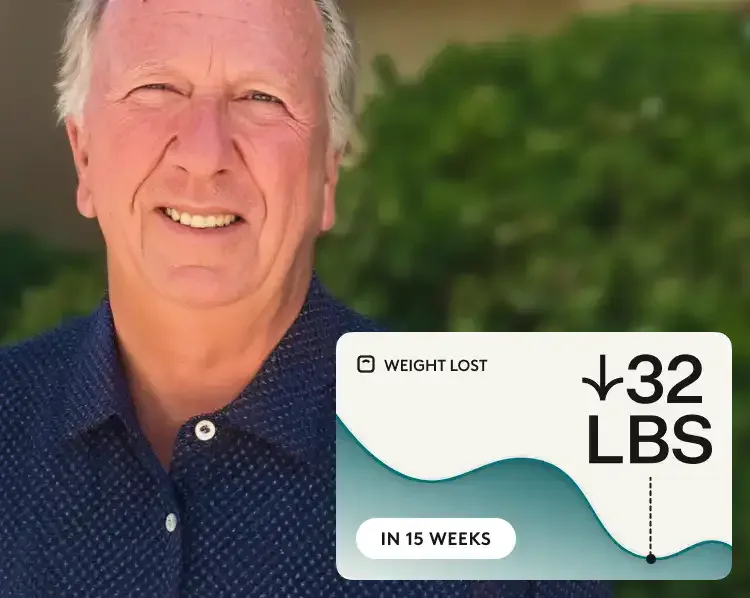
“Noom provided me with the medication which I could not get through Medicare. I have learned the tricks to better eating and life in general.”
Steve M. – Real Noom user
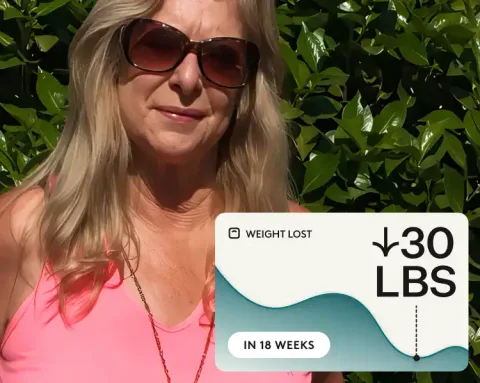
“Noom has changed my life and I’m so thankful, I feel great, have more energy and am no longer prediabetic.”
Daisy R. – Real Noom user
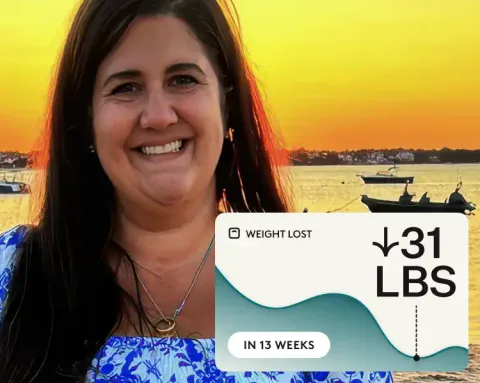
“All of the Noom providers that I’ve met with have been exceptional and prescribed medications that are appropriate for my situation and health.”
Sarah R. – Real Noom user
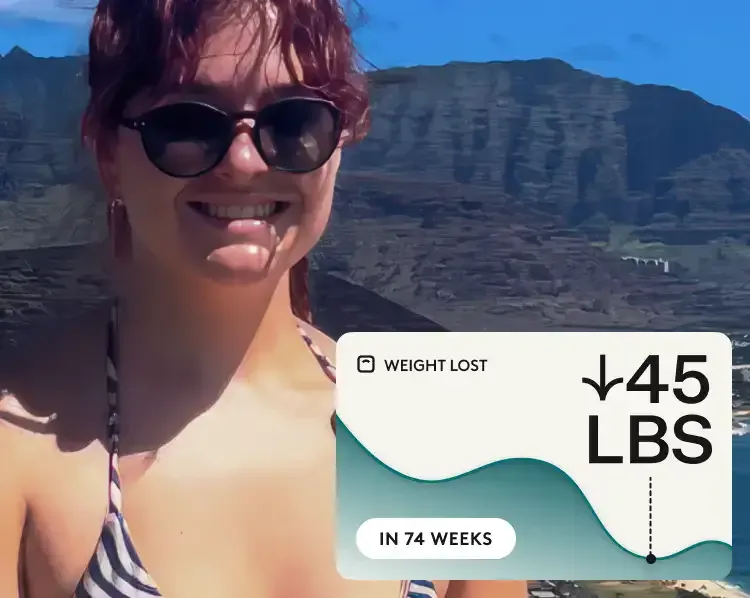
“Noom made the process so simple and now I feel full, free from diet obsession, and at ease in my body again.”
Madison S. – Real Noom user
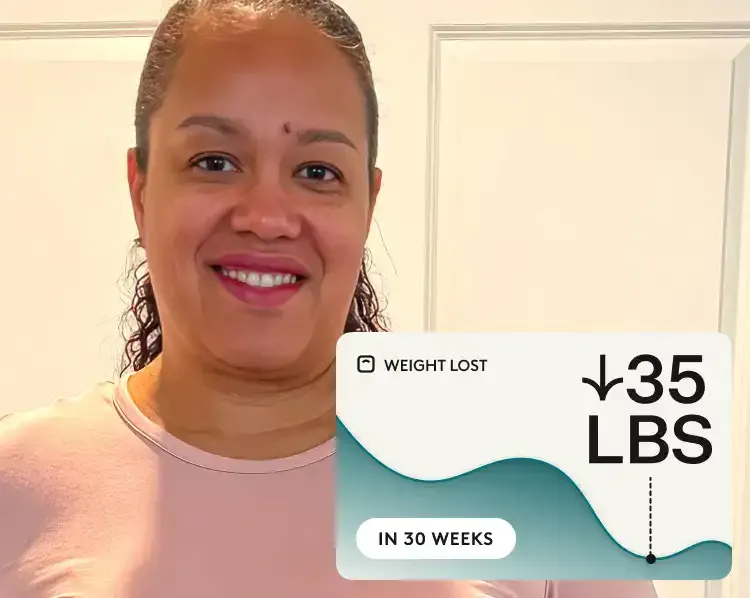
“My doctor recommended Noom after I was frustrated trying to lose weight. The lessons helped change my relationship with food. My body feels lighter & energized.”
Sonday K. – Real Noom user
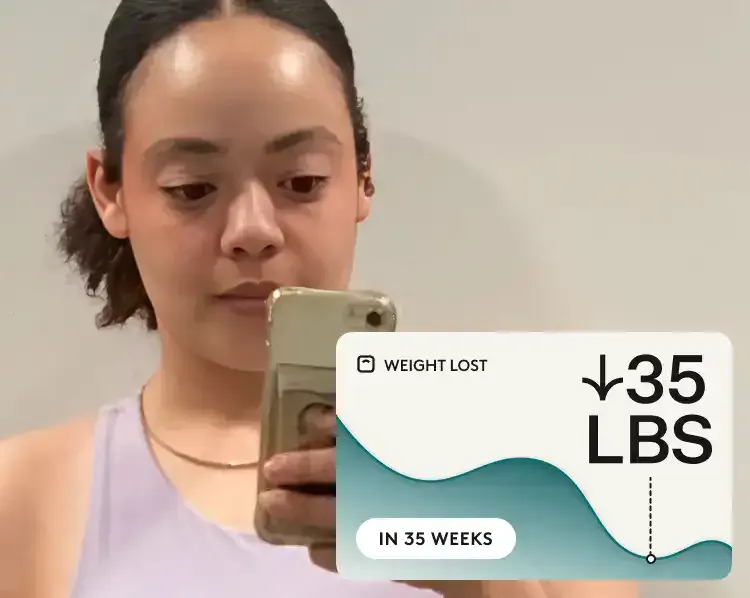
“I built healthy habits with coaching and lessons that make me confident I can maintain my weight loss long term.”
Cam K. – Real Noom user
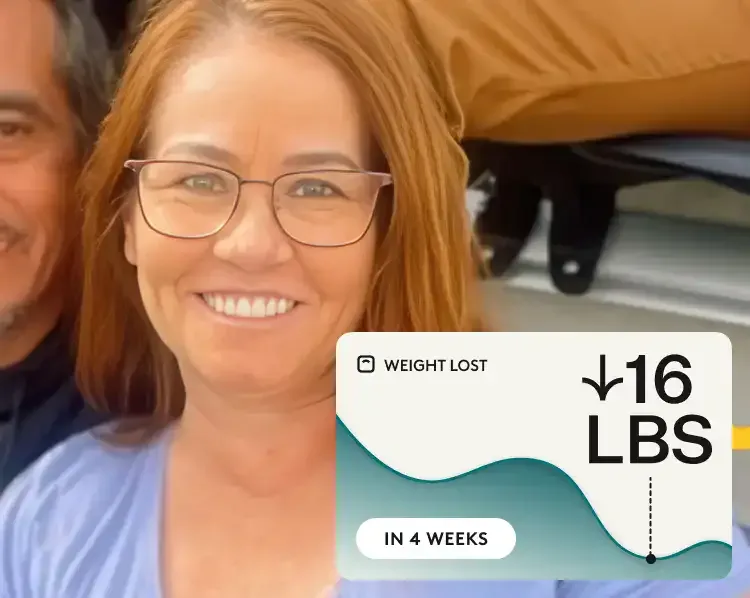
“With the right medication through Noom, hunger and sugar cravings finally quieted and I have the tools to break the cycle.”
Laura TR. – Real Noom user
“Cravings and food noise are gone, I finally feel confident in the healthy habits I’ve built to last with Noom.”
Jessica S. – Real Noom user
The bottom line: Wegovy is highly effective for weight loss
Wegovy® has changed what’s possible in weight care. With average weight loss around 15%, weekly dosing, and strong safety data, it offers a level of support that simply didn’t exist a decade ago. And while it shares its active ingredient with Ozempic®, Wegovy® is approved specifically for weight loss
But real change happens when you pair the medication with consistent habits: balanced meals, movement you enjoy, steady hydration, and a plan you can actually live with. Wegovy® can quiet the hunger and help you stay on track, but your day-to-day choices still shape the long-term results.
If you’re ready to find out what the possibilities are, see if you qualify for Noom Med. If you qualify, you’ll be paired with a clinician who can find the right medication for you and prescribe it if needed. Then they’ll help you develop a lifestyle plan that works just for you.
Note: Ozempic is not FDA-approved to treat obesity or for weight loss.
Editorial standards
At Noom, we’re committed to providing health information that’s grounded in reliable science and expert review. Our content is created with the support of qualified professionals and based on well-established research from trusted medical and scientific organizations. Learn more about the experts behind our content on our Health Expert Team page.