
What you’ll learn:
- So-called “zero-calorie foods” aren’t truly calorie-free; they’re usually very low-calorie fruits and vegetables that add volume to meals.
- These foods can support weight loss by helping you feel full on fewer calories, but they work best when paired with enough protein, healthy fats, and overall balanced nutrition.
- There’s no such thing as a “negative-calorie” food, but choosing high-water, high-fiber foods can make creating a calorie deficit feel more manageable.
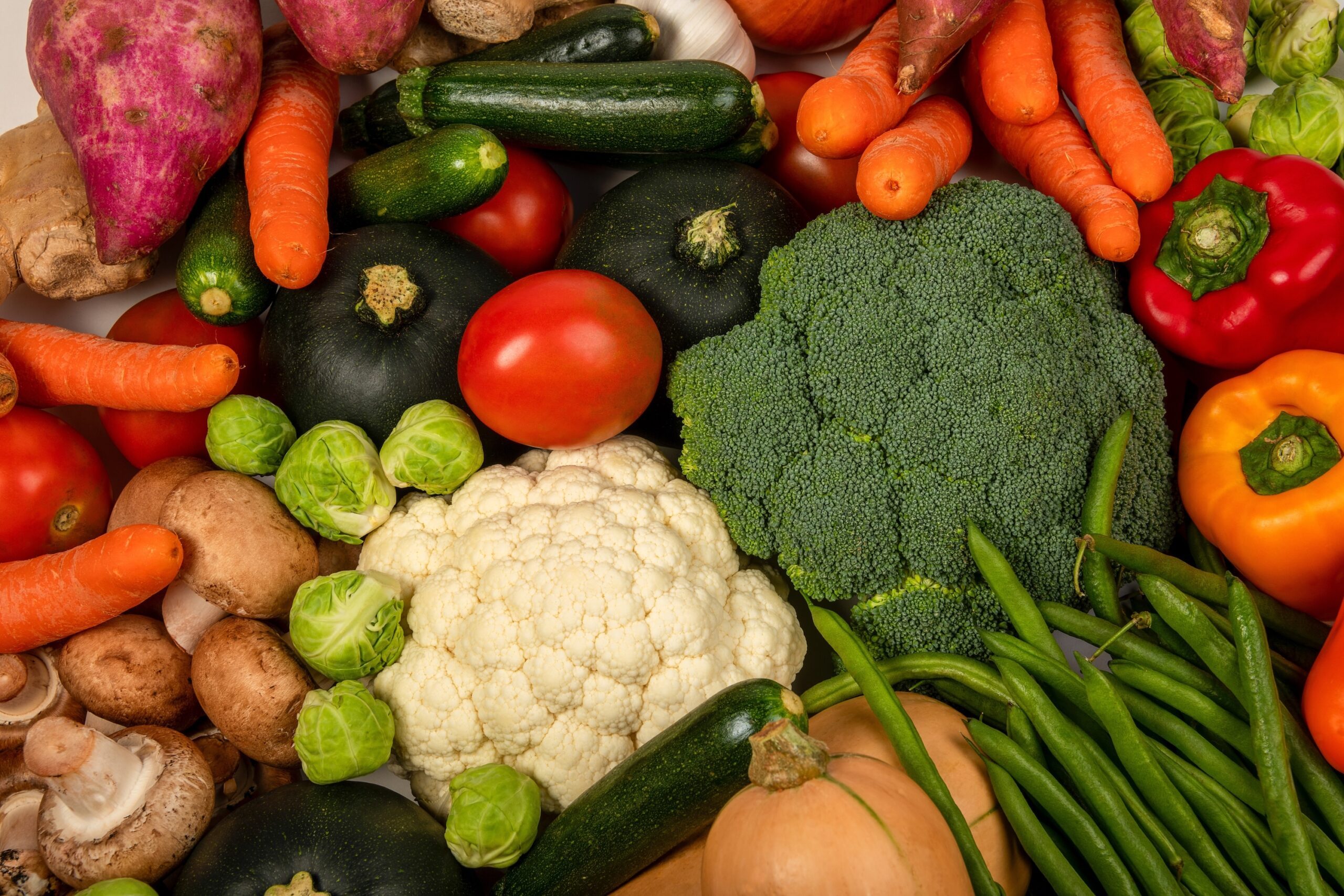
The idea of “zero-calorie” foods isn’t new, but it’s trending again on social media, where influencers claim you can eat unlimited amounts without taking in meaningful calories. They often point to things like celery, cucumbers, lettuce, broccoli, zucchini, or broth-based soups as “free” foods. But do any foods actually have zero calories?
“There’s really no such thing as zero-calorie food,” says Kayla Reynolds, MS, NASM-CPT, Director of Knowledge, Learning & Behavior at Noom. “Everything you eat has some energy value, even if only a few calories, like with many vegetables. The only exception is water and diet soda.”
In reality, every food contains calories; some are just so low that they get rounded down. Most of the foods people call “zero-calorie” are simply very low-calorie fruits and vegetables. The only truly zero-calorie items—aside from water—are manufactured products like diet beverages.
Even though they aren’t calorie-free, these very low-calorie foods can be nutrient-dense and filling, helping you stay satisfied while keeping your total intake in check. That matters, because weight loss comes down to creating a calorie deficit—by eating fewer calories, moving more, or both. And since reducing calories can be challenging, it’s easy to see why these foods are appealing: they let you eat generous portions while still keeping calories low.
We’ll break down the science behind these foods, how they support weight loss, and how to build balanced meals and snacks that strengthen habits for long-term, sustainable results.
The difference between “zero-calorie” and “low-calorie” foods—and why it matters
First, a quick refresher. A calorie is simply the amount of energy your body gets from food. In the U.S., “zero-calorie” or “calorie-free” is a legal labeling term—not a literal one. It means a single serving contains fewer than 5 calories, which is considered too small to meaningfully affect your daily intake. “Low-calorie,” on the other hand, applies to foods that have 40 calories or fewer per serving.
This is why products like diet sodas, sugar-free gum, mints, flavored waters, and zero-calorie sweeteners (like stevia or sucralose) can legally display “0 calories” on the label—even though they may contain a small amount.
When people talk about “zero-calorie foods,” they’re usually referring to two groups:
- Whole foods that are naturally very low in calories (like celery, cucumbers, lettuce, or leafy greens), and
- Manufactured products, like diet sodas, are engineered to have negligible calories.
Understanding this difference matters for nutrition and for weight loss. To lose weight, you need a calorie deficit—eating fewer calories, moving more, or both. Very low-calorie foods can help with that because you can eat satisfying portions without significantly increasing your daily intake. They’re not truly calorie-free, but they’re low enough in calories that they can add volume to meals and snacks while keeping your total intake in check.
“Zero-calorie” foods list
People often refer to certain foods as “zero-calorie,” even though they do contain some calories. They’re simply so low that, when rounded down, they’re treated as almost negligible. These whole foods are nutrient-dense, low in calories, and great for adding volume to meals so you can feel full without significantly increasing your daily intake.
| Food | Calories (per 100 g – est.) |
|---|---|
| Shirataki noodles | 5–10 |
| Watercress | 11 |
| Celery | 14 |
| Cucumbers | 15 |
| Radishes | 16 |
| Romaine lettuce | 17 |
| Iceberg lettuce | 14–17 |
| Zucchini | 17 |
| Tomatoes | 18 |
| Sauerkraut | 19 |
| Asparagus | 20 |
| Mushrooms (white) | 22 |
| Spinach | 23 |
| Cauliflower | 25 |
| Green cabbage | 25 |
| Spaghetti squash | 27 |
| Watermelon | 30 |
| Green peppers | 20–30 |
| Salsa (fresh) | 30–40 |
| Green beans | 31 |
| Strawberries | 32 |
| Cantaloupe | 34 |
| Nori seaweed | 35 |
| Honeydew | 36 |
| Hearts of palm | 36 |
| Jicama | 38 |
| Peaches | 39 |
| Blackberries | 43 |
| Apricots | 48 |
| Raspberries | 52 |
Can zero-calorie and low-calorie foods help you lose weight?
While there are no true zero-calorie foods found in nature, plenty of foods are naturally very low in calories—and they can absolutely support weight loss when they’re part of a balanced diet. Fruits and vegetables, in particular, offer high volume, high water content, and fiber, which help you feel full on fewer calories.
Below, we’ll break down the science behind these claims and what it really means for your goals.
Claim 1: Low-calorie foods can help create a calorie deficit.
Verdict: True.
Low-calorie foods can be helpful when you’re trying to create a calorie deficit. For example, choosing cucumbers over pita chips can help you stay satisfied for fewer calories.
Noom categorizes foods as orange, yellow, or green, based on their caloric density—how many calories they contain relative to their weight. This is similar to volume eating, where you build meals around foods that are naturally filling but lower in calories. Green foods have the lowest calorie density and/or are high in protein, which means you can enjoy larger, more satisfying portions for fewer calories.
Just keep this in mind: Green foods are great for snacks and for adding volume to meals, but they’re meant to complement a balanced diet. You still need a mix of lean protein, healthy fats, and high-fiber carbs to stay nourished and support long-term weight loss.
Claim 2: There are some foods that burn more calories than you take in, called negative calorie foods.
Verdict: False.
You may have heard that some foods—like celery—are “negative calorie,” meaning your body supposedly burns more energy digesting them than the food provides. If it sounds too good to be true, that’s because it is.
Two medium celery stalks have about 7 calories. Your body does burn some energy during digestion (the thermic effect of food), but it’s only about 8% of the calories you eat—not nearly enough to cancel out the energy in the food. You still net roughly 6 calories from celery, not zero or negative.
A small study even tested this idea by feeding lizards raw celery—the classic “negative-calorie” example. Even with such a low-calorie food, the lizards still gained a small amount of net energy from the meal.
While negative-calorie foods don’t actually exist, very low-calorie foods like celery can still support weight loss. They’re high in water and fiber and very low in calories, helping you feel full without significantly raising your daily intake.
Claim 3: The fiber in these low-calorie foods helps with weight loss.
Verdict: True.
Many low-calorie foods are high in fiber, which helps you feel full on fewer calories and makes it easier to stick to a reduced-calorie diet. Fiber slows digestion, supports steady blood sugar, and helps prevent the quick return of hunger—all of which make weight management more sustainable.
Research also shows that fiber doesn’t just support long-term health; it plays an active role in weight-loss success. In a large calorie-restricted diet trial, people who increased their fiber intake the most lost significantly more weight and adhered better to their diet than those who didn’t.
Another study supports the idea that fruits and vegetables rich in fiber can help with weight loss. The researchers found that increasing whole-food fiber intake—especially through fruit and vegetable consumption—was associated with weight loss, even without strict calorie restriction.
Are these “zero-calorie” foods safe?
Very low-calorie foods are generally safe as a part of a balanced diet, but they don’t typically give you all the essential nutrients your body needs. You need a combination of lean protein, healthy fats, and high-fiber carbohydrates to fuel your body. Here are the main concerns with focusing too much on very low-calorie foods:
Not eating enough nutrients.
Since most low-calorie foods are fruits and vegetables, you’ll need to be sure you are getting enough protein and healthy fats.
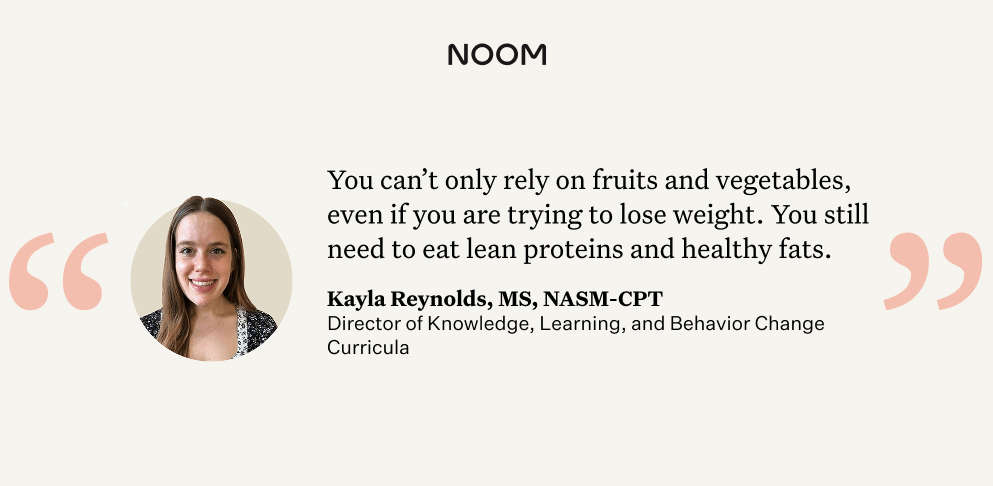
“You can’t only rely on fruits and vegetables, even if you are trying to lose weight. You still need to eat lean proteins and healthy fats,” says Reynolds. “Protein and healthy fats help you maintain lean muscle mass and keep hormones regulated. Both are important for overall health and lasting weight loss.”
Eating too few calories
When you prioritize eating very low-calorie foods, there’s a greater risk of eating too few calories than what your body needs to thrive. When you aren’t eating enough calories, it becomes much harder to get all the nutrients your body needs to function well. Over time, that can lead to nutrient deficiencies, fatigue, and dangerous electrolyte imbalances.
Hyper-fixation on calories
Research shows that when eating becomes centered around numbers, cravings often get stronger—not weaker. One study on food-cue reactivity found that people who fixate more on food cues and cravings are significantly more likely to eat more and gain weight over time.
Frequently asked questions about “zero-calorie” foods
What are the 10 so-called “negative-calorie” foods?
You’ll often hear people claim these foods take more energy to digest than they provide:
- Celery
- Broccoli
- Cauliflower
- Brussels sprouts
- Leafy vegetables: chard, watercress, arugula, lettuce, spinach, kale, and chicory
- Onions
- Turnip
- Cucumber
- Red pepper
- Radish
While again, negative-calorie foods don’t exist, they are linked to weight loss, because they’re low in calories, high in water and fiber, and naturally filling. When you eat more of these foods, it becomes easier to stay satisfied on fewer calories—supporting long-term weight goals without restricting volume.
What happens if you only eat zero-calorie foods?
Relying only on zero- or very low-calorie foods is dangerous. Your body needs a certain number of calories and a balance of nutrients to function properly. Eating too few calories for an extended time is never recommended. While low-calorie foods like fruits and vegetables are important, they should complement a balanced diet, not replace it. Include lean protein, high-fiber carbs, and healthy fats to have a well-rounded plate.
What is the healthiest zero-calorie drink?
Water is the healthiest zero-calorie drink because it hydrates you without additives. Unsweetened teas, sparkling water, herbal teas, and black coffee are also nearly calorie-free.
Some zero-calorie drinks—like diet sodas or flavored seltzers—contain artificial sweeteners, sugar alcohols, or preservatives that can cause bloating, cravings, or digestive discomfort in some people. But they can be enjoyed in moderation. Everyone responds differently, so notice how these ingredients affect you. Center your hydration around water and unsweetened options, and use natural add-ins like lemon or mint for flavor.
Can you eat “zero-calorie” foods during fasting?
It depends on the type of fast you’re doing—there’s no single rule that applies to everyone. Religious or spiritual fasts typically have their own guidelines. With intermittent fasting, most approaches allow only water, black coffee, or plain tea during the fasting window. Some people choose to include things like mineral water or herbal tea, while others keep it stricter. It really comes down to your personal fasting style and what feels right for your body and goals.
The bottom line: Very low-calorie foods can help with weight loss as part of a balanced diet
Zero-calorie foods don’t really exist, but very low-calorie foods do, and they can play a helpful role if you’re trying to lose weight. Fruits, vegetables, and other high-volume, low-calorie foods let you fill your plate, feel satisfied, and still keep calories in check.
But very low-calorie foods should be a part of a balanced diet. Your body still needs enough protein, healthy fats, carbs, and vitamins and minerals to keep your metabolism steady, your hunger cues balanced, and your energy up. When you pair low-calorie foods with these nutrients, you get the best of both worlds: volume that keeps you full and fuel that keeps you going.
Long-term success comes from building balanced meals and working with your biology. Download Noom on iOS & Android to learn more healthy, habit-building strategies to make sustainable, balanced choices for the long term.
Editorial standards
At Noom, we’re committed to providing health information that’s grounded in reliable science and expert review. Our content is created with the support of qualified professionals and based on well-established research from trusted medical and scientific organizations. Learn more about the experts behind our content on our Health Expert Team page.