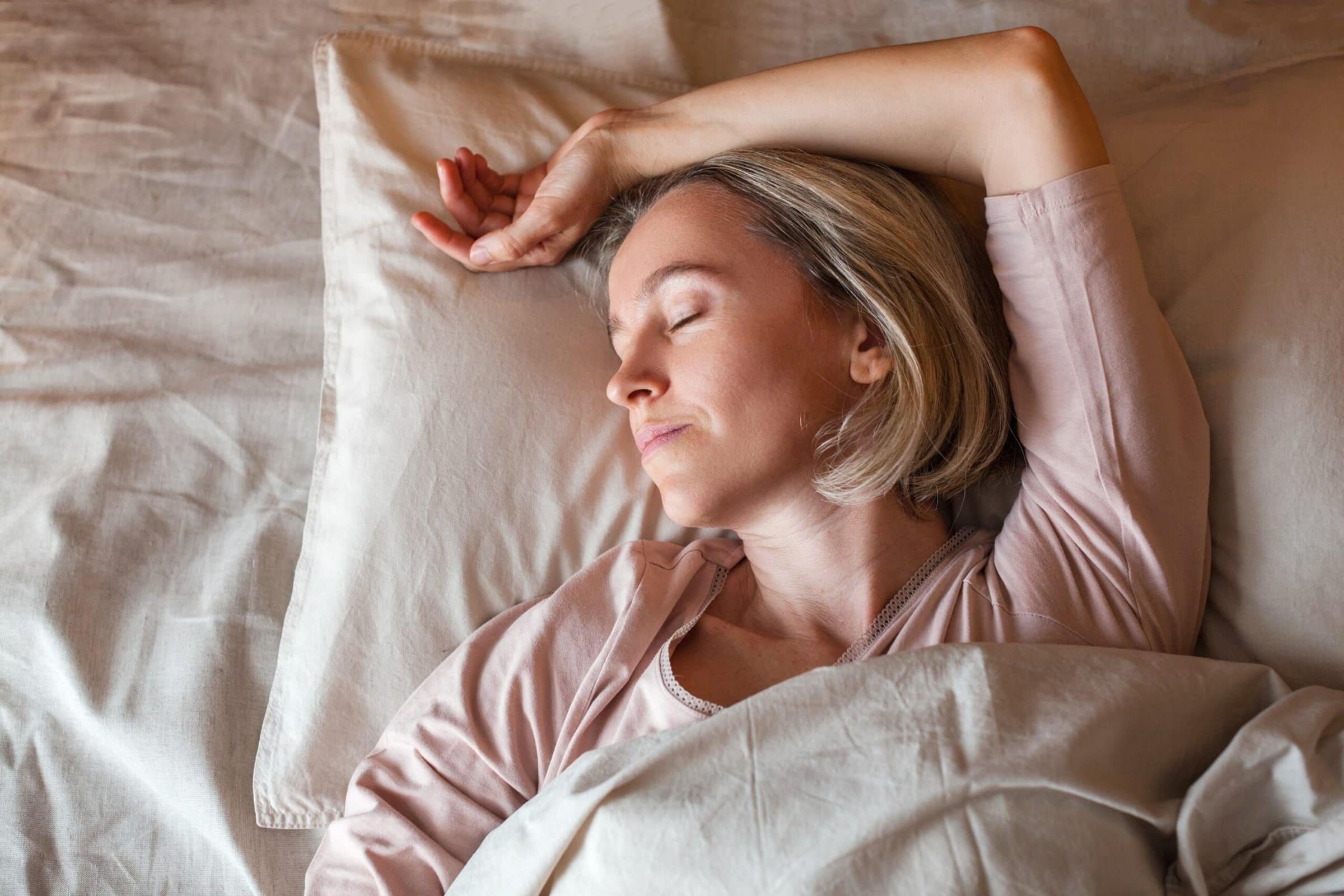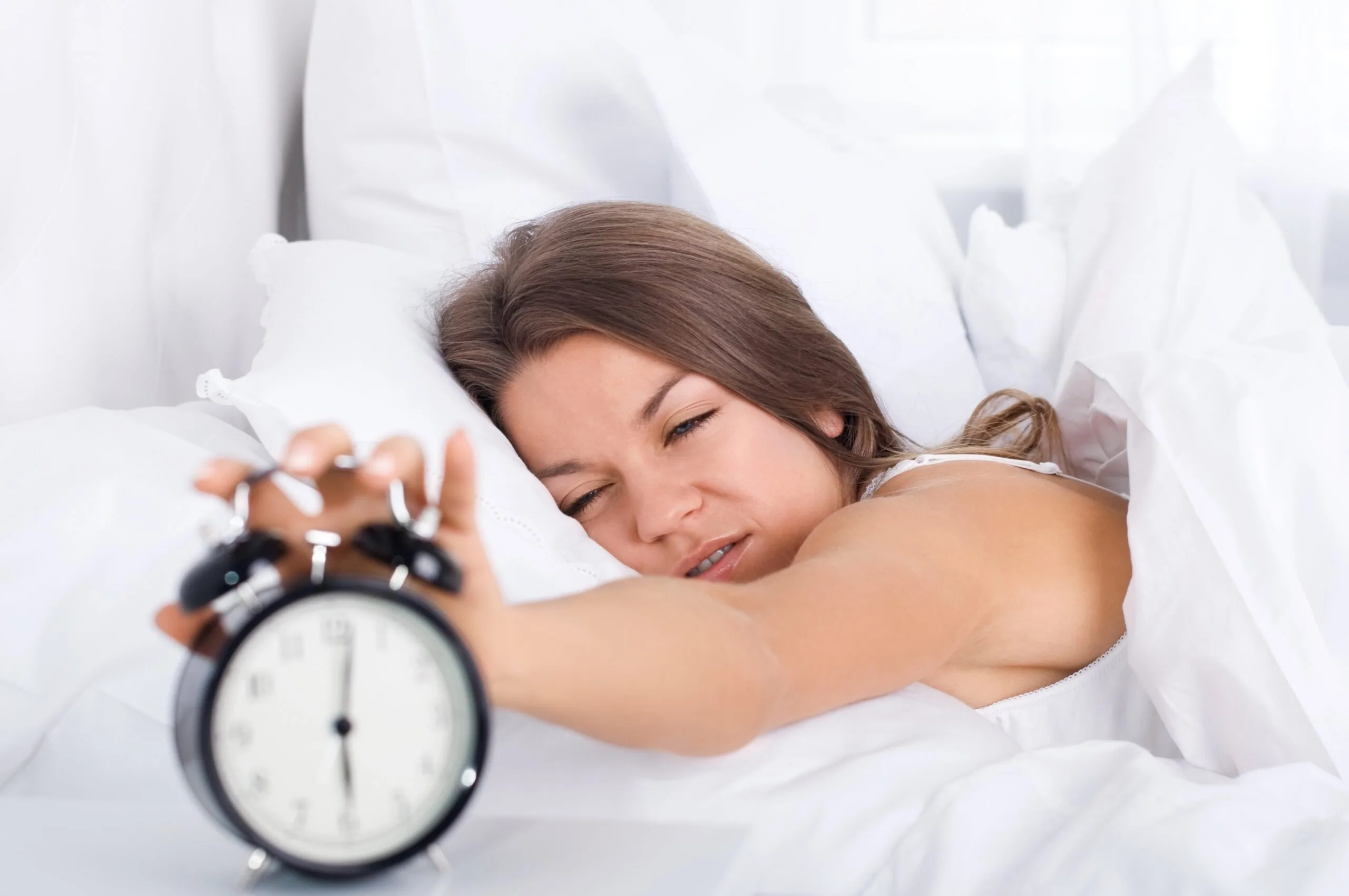
Missing out on sleep doesn’t just leave you groggy—it accelerates aging at the cellular level. Just one bad night can raise cortisol (your stress hormone), increase inflammation, and impair your body’s ability to repair itself.
Over time, chronic sleep deprivation has been linked to shorter telomeres. These are protective caps on your DNA that indicate accelerated aging and a greater risk of chronic diseases like cancer, heart disease, and diabetes.
Rx weight loss, the right way, with Noom
Get access to prescription weight loss medication with Noom.Microdose GLP-1s
Wegovy®

Ozempic®
Metformin
Zepbound®
Mounjaro®
Liraglutide
In other words, sleep loss doesn’t just make you tired—it makes you older.
Good sleep = better health
The science is clear: quality sleep is linked to longer life. In a large study of more than 172,000 people, those with the healthiest sleep patterns—sleeping 7 to 8 hours per night with minimal disruption—lived up to five years longer than those with poor sleep habits.
Importantly, the researchers didn’t look at sleep duration alone. They evaluated a composite pattern of healthy sleep behaviors and linked those patterns to national death records to assess long-term mortality risk and life expectancy.
Key findings included:
- Adults who followed an overall “low-risk” sleep pattern were significantly less likely to die from any cause during the study period.
- Healthier sleep wasn’t just linked to overall longevity. It was also associated with a lower risk of dying from heart disease and cancer compared with people who reported fewer healthy sleep habits.
- Nearly 8% of deaths in the study were statistically attributed to suboptimal sleep patterns—suggesting that poor sleep behaviors alone accounted for a measurable portion of mortality.
- When researchers estimated life expectancy starting at age 30, the gap was meaningful: people who met all 5 healthy sleep criteria lived longer than those who met zero or one. Men lived about 4.7 years longer, and women lived about 2.4 years longer.
What did the study mean by a “low-risk” sleep pattern?
Researchers didn’t define healthy sleep based on hours alone. A “low-risk” sleep pattern included 5 specific factors:
- Sleeping 7 to 8 hours per night
- No frequent trouble falling asleep
- No frequent trouble staying asleep
- Not using sleep medication
- No regular daytime sleepiness
Participants who met more of these criteria had progressively lower mortality risk. Those who met all 5 had the greatest longevity benefit.
Why sleep is so powerful for longevity
Sleep isn’t passive—it’s when your body does its deepest repair work. During deep and REM sleep, your body:
- Clears neurotoxins and metabolic waste from the brain.
- Regulates hormones like cortisol, leptin, and growth hormone, which affect stress, hunger, and cell repair.
- Repairs DNA damage that accumulates during the day.
- Strengthens memory, learning, and emotional regulation.
🎯 Fact: Every night you sleep well is a step toward a longer, healthier life.
The good news? A few microchanges can help you get there.
6 microhabits to boost your sleep (and slow aging)
1. Avoid caffeine after 2 p.m. and heavy meals late at night
Caffeine can stay in your system for hours, so stopping earlier can make it easier to fall asleep and improve sleep quality.
2. Dim screens 1 to 2 hours before bed
Dimming lights in the evening helps support melatonin release and prepares your brain for sleep.
3. Do a “brain dump” before bed to reduce mental clutter.
4. Stick to consistent bedtime and wake-up times, even on weekends
Waking up at a consistent time helps regulate your internal clock, making it easier to fall asleep at night and feel more alert during the day.
Reviews from real Noom users
Desirea N. — Real Noom user
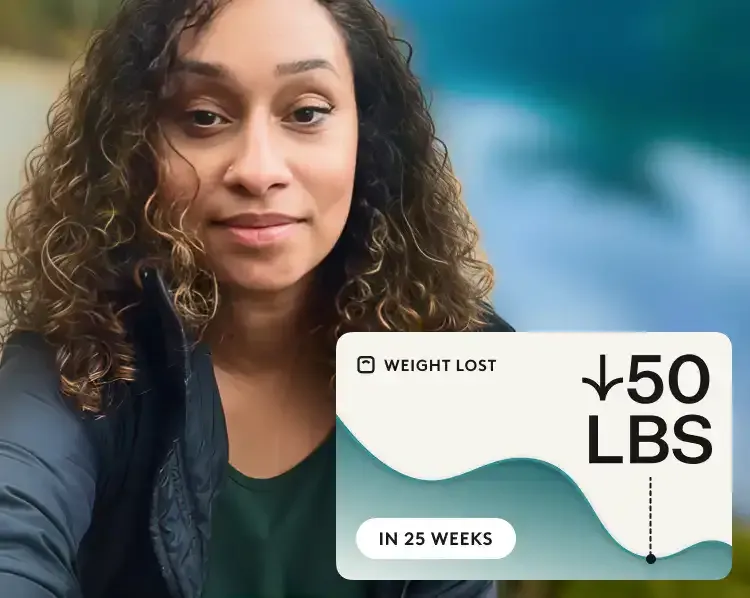
“My favorite parts of Noom are the care team and other Noomers. Sharing and getting help made me feel like I wasn’t doing it alone. That support made all the difference.”
Desirea N. — Real Noom user
Matthew M. — Real Noom user
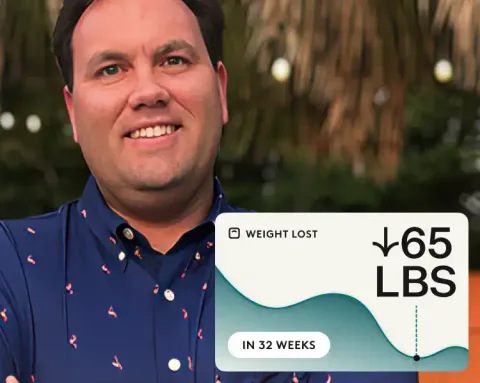
“Noom has taught me that every day is a new chance to make better, healthier choices. It's taught me how to stop overeating.’’
Matthew M. — Real Noom user
Lila M. — Real Noom user
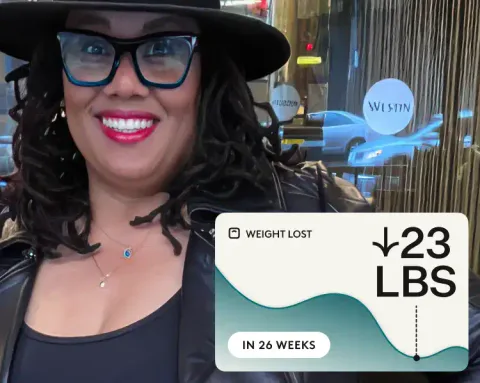
“Clinicians who understand how supportive medication can be is one of the best parts of Noom! I was convinced I wouldn’t have success but I’m down 11 pounds in two months.’’
Lila M. — Real Noom user
Steve M. — Real Noom user
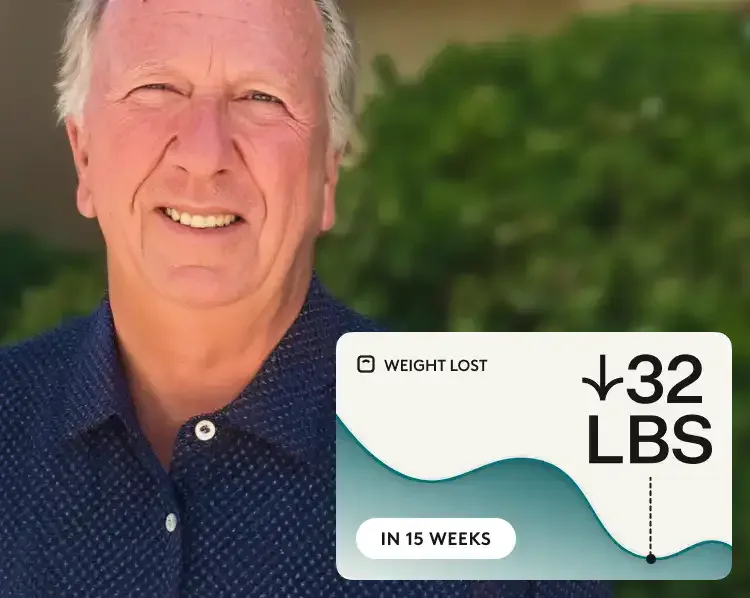
“Noom provided me with the medication which I could not get through Medicare. I have learned the tricks to better eating and life in general.”
Steve M. – Real Noom user
Daisy R. — Real Noom user
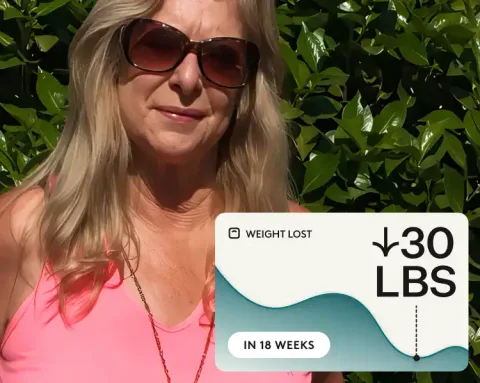
‘’Noom has changed my life and I’m so thankful, I feel great, have more energy and am no longer prediabetic.”
Daisy R. – Real Noom user
Sarah R. — Real Noom user
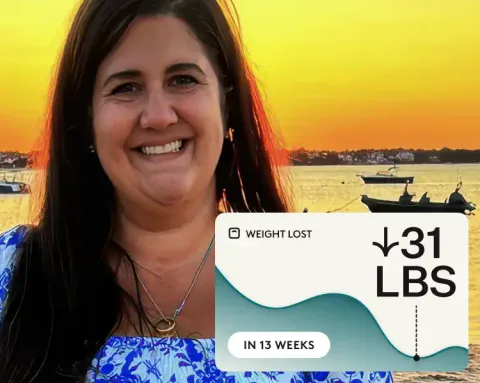
“All of the Noom providers that I’ve met with have been exceptional and prescribed medications that are appropriate for my situation and health.”
Sarah R. – Real Noom user
Madison S. — Real Noom user
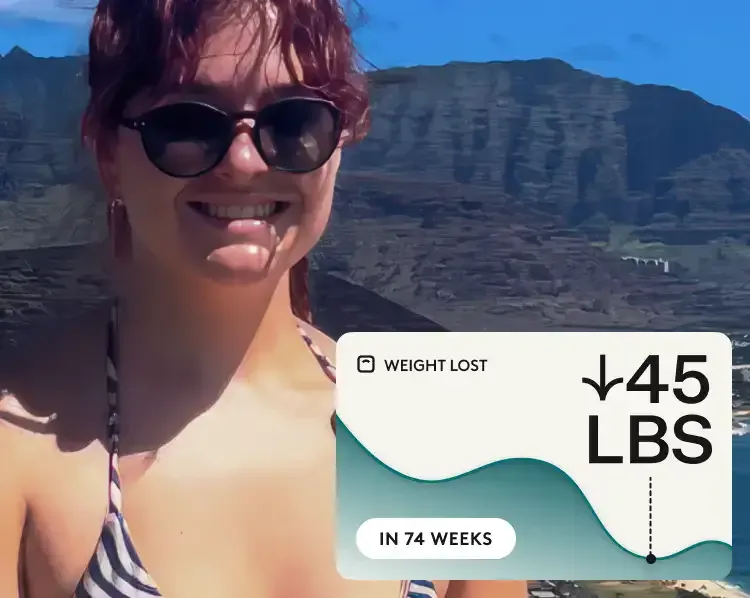
“Noom made the process so simple and now I feel full, free from diet obsession, and at ease in my body again.”
Madison S. – Real Noom user
Sonday K. — Real Noom user
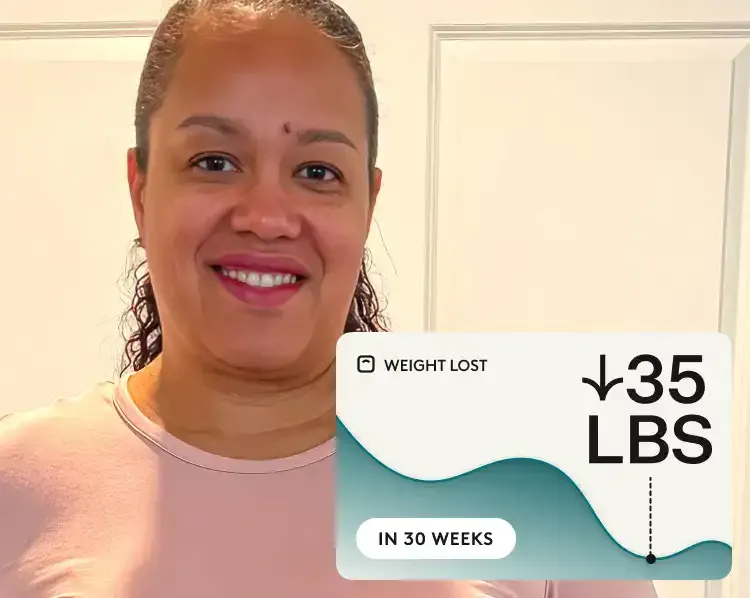
“My doctor recommended Noom after I was frustrated trying to lose weight. The lessons helped change my relationship with food. My body feels lighter & energized.”
Sonday K. – Real Noom user
Cam K. — Real Noom user
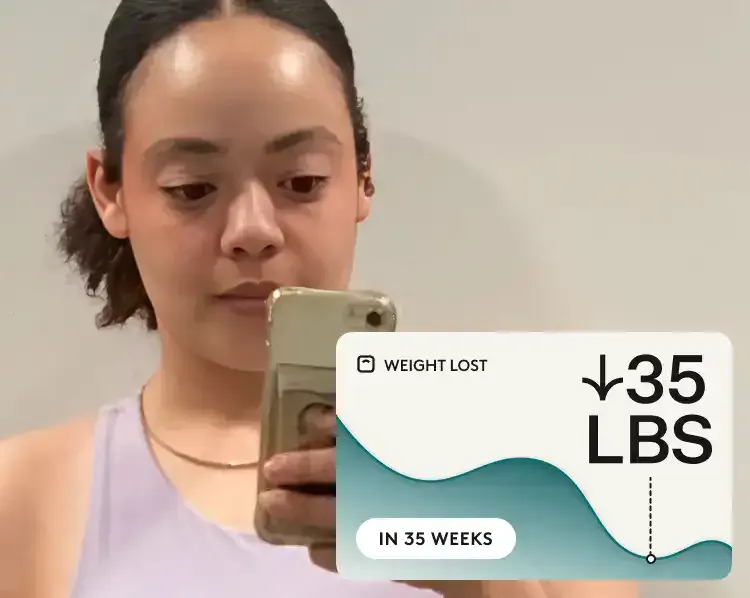
“I built healthy habits with coaching and lessons that make me confident I can maintain my weight loss long term.”
Cam K. – Real Noom user
Laura TR. — Real Noom user
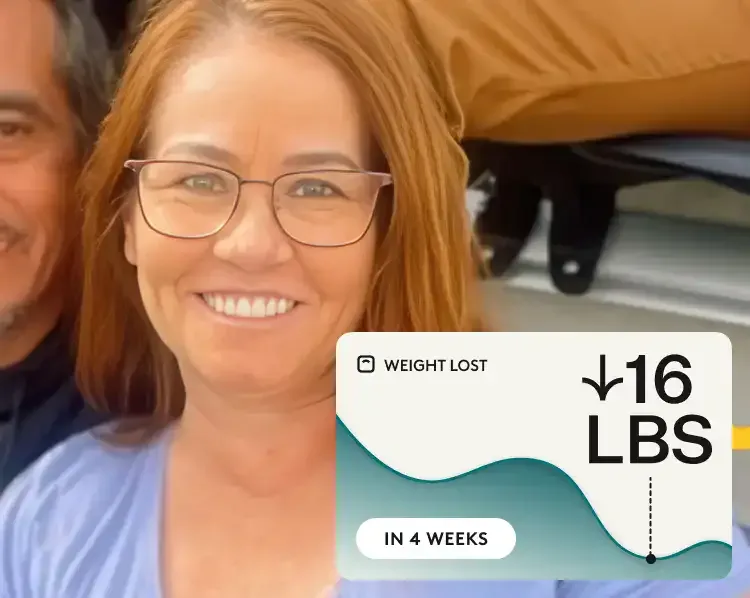
“With the right medication through Noom, hunger and sugar cravings finally quieted and I have the tools to break the cycle.”
Laura TR. – Real Noom user
Jessica S. — Real Noom user
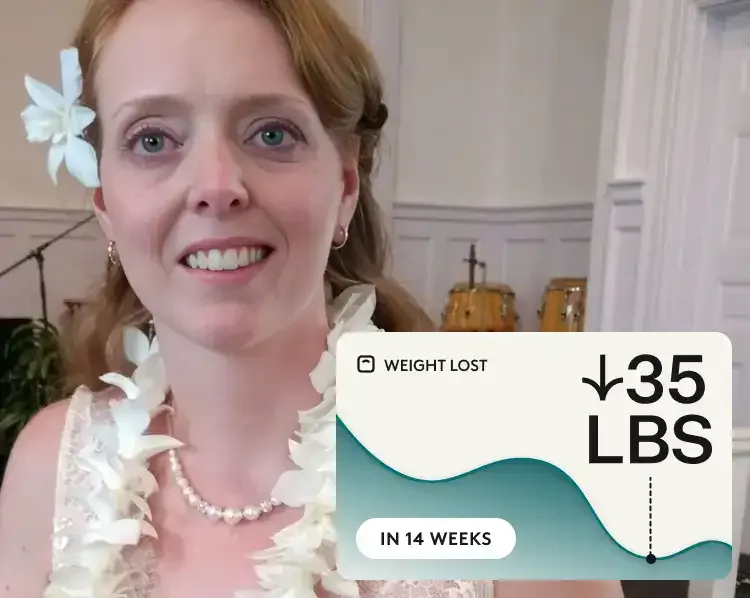
“Cravings and food noise are gone, I finally feel confident in the healthy habits I’ve built to last with Noom.”
Jessica S. – Real Noom user
5. Wind down gently by reading, deep breathing, or stretching.
6. Go outside and get sunlight when you wake up to reset your circadian rhythm (which regulates your sleep-wake cycles).
Download Noom for free on iOS or Android for daily lessons designed to help you build sustainable habits around sleep, eating, and stress.
Editorial standards
At Noom, we’re committed to providing health information that’s grounded in reliable science and expert review. Our content is created with the support of qualified professionals and based on well-established research from trusted medical and scientific organizations. Learn more about the experts behind our content on our Health Expert Team page.