What you’ll learn:
- New research raises questions about xylitol and heart health, but it doesn’t prove xylitol causes heart attacks or strokes.
- Xylitol can be found in sugar-free gum, toothpaste, vitamins, and keto foods, and it’s also sold as a sugar substitute for cooking and baking.
- You don’t need to avoid xylitol, but it’s helpful to know which alternative sweeteners are in the products you use.
The world of sugar substitutes has exploded over the past few decades. What was once dominated by names like saccharin and aspartame has grown into an A-to-Z list of options, from plant-derived sweeteners like stevia and monk fruit to sugar alcohols like erythritol and xylitol. Each works a little differently, but the goal is largely the same: deliver sweetness with fewer calories and less impact on blood sugar than table sugar.
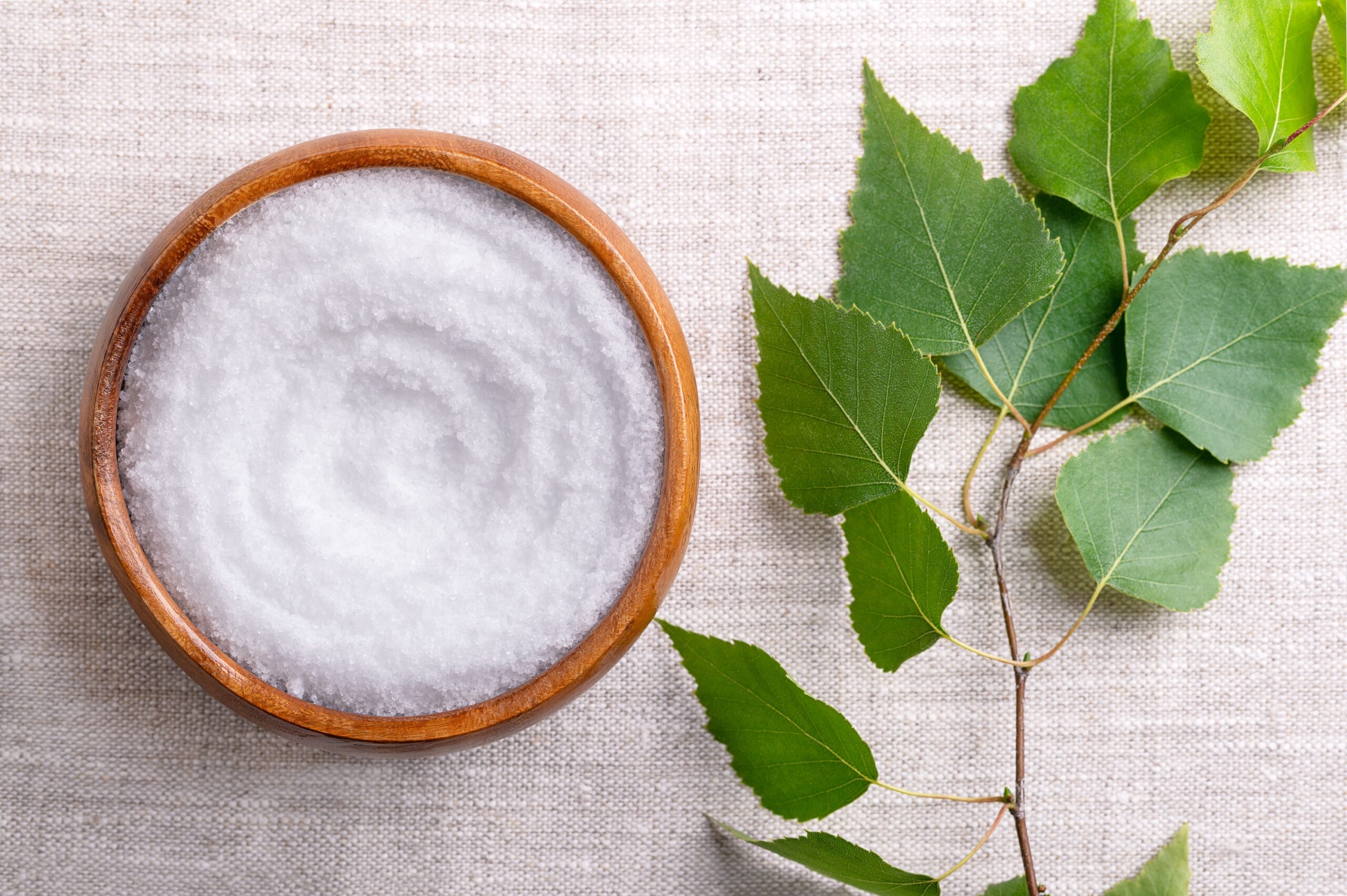
Xylitol is a sugar alcohol found in everything from sugar-free gum and toothpaste to low-carb and keto foods. It’s also sold as a granulated sugar substitute—sometimes called “birch sugar”—that can be used for cooking and baking. It’s popular because it has fewer calories and less of an impact on blood sugar than regular sugar. But new research is raising questions about whether consuming large amounts could have an unexpected downside for heart health.
Researchers have found an association between higher levels of xylitol in the blood and a greater risk of heart attack and stroke. That doesn’t mean eating xylitol causes cardiovascular problems, but it does give researchers a reason to look more closely at how the sweetener might affect the body.
And this isn’t the first study to raise the question. In 2024, cardiovascular researchers identified a potential mechanism that could help explain the connection: Xylitol appeared to make platelets more likely to clot. Now, a much larger study involving nearly 18,000 people, some followed for decades, has found a similar association. Two studies pointing in the same direction make the findings worth paying attention to, even though there’s still a lot we don’t know.
So, should you stop chewing sugar-free gum or toss everything containing xylitol? Not necessarily. To help put the findings into perspective, we spoke with Ameen Masoodi, MD, MPH, DABOM, a Noom physician board-certified in family and obesity medicine, about what the research really means—and whether it should change how you think about xylitol. Here’s what to know.

The Easy Way
to lose weight and get healthy.
What is xylitol?
Xylitol is a type of carbohydrate called a sugar alcohol, or polyol. Despite the name, sugar alcohols aren’t the same as the alcohol in beer or wine. They’re carbohydrates with a chemical structure that resembles both sugar and alcohol, which allows them to taste sweet while being absorbed and metabolized differently from regular sugar.
Xylitol occurs naturally in very small amounts in some fruits and vegetables, and your body also produces it during normal glucose metabolism. The xylitol used in foods and other products, however, is commercially manufactured, typically from plant materials. The amounts added to sweetened foods, drinks, and oral-care products can be far more concentrated than the amounts naturally present in foods.
Xylitol is used as a sugar substitute because it provides sweetness with fewer calories and a much smaller effect on blood sugar and insulin than regular sugar. It isn’t completely metabolically neutral—xylitol can cause a small rise in both blood glucose and insulin—but the response is generally much lower than it is with glucose. In one small human study, 25 grams of xylitol produced significantly smaller increases in blood glucose and insulin than the same amount of glucose.
That combination—sweetness with fewer calories and less impact on blood sugar—is one reason xylitol is commonly used in sugar-free and reduced-sugar foods and as a substitute for sugar in cooking and baking. It’s also frequently used in gum and oral-care products because it doesn’t promote tooth decay the way regular sugar does.
Other sugar alcohols you might see on ingredient labels include erythritol, sorbitol, maltitol, mannitol, lactitol, and isomalt. Other low- or no-calorie sugar substitutes, such as allulose, stevia, monk fruit, sucralose, and aspartame, belong to different categories and work differently in the body.
Is xylitol bad for your heart? What the research found
The concern about xylitol and heart health started with a 2024 study published in the European Heart Journal. Researchers found that people with higher blood levels of xylitol were more likely to have a heart attack, stroke, or other major cardiovascular event over the next three years. Lab experiments also suggested that xylitol could make platelets—the components in your blood that help it clot—more reactive.
“What makes this study interesting is that researchers didn’t just find an association. They also found a potential mechanism that could help explain it. But that still doesn’t mean we can say that eating xylitol causes heart attacks or strokes,” says Dr. Masoodi.
Now, new research presented at the 2026 European Society of Cardiology Congress has found a similar pattern in nearly 18,000 people. Those with the highest blood xylitol levels had a 57% higher risk of a major cardiovascular event in one group and an 18% higher risk in another compared with those with the lowest levels.
Those numbers sound alarming, but they need context. The new study was observational, which means it found a link between blood xylitol levels and cardiovascular risk—it didn’t show that consuming xylitol was the cause. Still, researchers saw what appeared to be a dose-response pattern: As blood xylitol levels increased, cardiovascular event rates increased, too. The association also remained after researchers accounted for several known cardiovascular risk factors.
“This is a signal worth paying attention to, but it’s not a reason to panic,” says Dr. Masoodi. “We need more research that looks specifically at how much xylitol people consume over time and whether that translates into a higher risk of cardiovascular events.”
The Easy Way
to lose weight and get healthy.
Is xylitol bad for you? What the research does—and doesn’t—prove
The direct answer: The research raises a legitimate concern about xylitol and heart health, but it doesn’t prove that eating xylitol causes heart attacks or strokes.
The biggest limitation is that the studies found an association between xylitol levels in the blood and cardiovascular events. They weren’t designed to determine how much xylitol people regularly consumed or whether eating more xylitol led to greater cardiovascular risk.
That distinction is especially important because xylitol isn’t only something you consume—your body also produces it naturally during glucose metabolism. In other words, a high blood xylitol level doesn’t necessarily mean someone ate a lot of xylitol. Researchers still need studies that directly measure xylitol intake over time to determine whether consuming more of the sweetener itself increases cardiovascular risk.
“These findings are worth paying attention to, especially because researchers have now seen a similar pattern in multiple groups. But an association isn’t the same as causation. We still need research that directly connects how much xylitol people consume with their long-term cardiovascular risk,” says Dr. Masoodi.
The newer 2026 findings are also preliminary. They were presented at the European Society of Cardiology Congress but haven’t yet been published in a peer-reviewed journal.
Should you avoid xylitol?
For now, there’s no need to panic over the occasional stick of sugar-free gum or xylitol in toothpaste. The bigger question is whether regularly consuming large amounts of xylitol-sweetened foods could pose a risk—and that’s something researchers don’t yet know.
If you want to know if xylitol shows up in the food you eat regularly:
- Check ingredient labels. Xylitol can show up in sugar-free, keto, low-carb, and reduced-sugar products, so you may be consuming it from more than one source.
- Think moderation, not elimination. You don’t need to overhaul your diet based on these studies alone, but there’s also no compelling reason to consume large amounts of xylitol while questions about its cardiovascular effects remain.
- Talk to your doctor if you have cardiovascular concerns. If you have heart disease or risk factors for it, your clinician can help you decide whether limiting xylitol makes sense for you.
“I wouldn’t tell someone to throw away their toothpaste or worry about an occasional piece of gum. What these studies give us is another reason to be thoughtful about relying heavily on any one sugar substitute, especially while we’re still learning about its long-term effects,” says Dr. Masoodi.
Where is xylitol found? Common sources and what to look for
You probably know xylitol as an ingredient in sugar-free gum or candy. But it’s also sold on its own as a granulated sugar substitute for cooking, baking, and sweetening foods and drinks. And it can turn up in some less obvious places, including toothpaste, vitamins, nasal sprays, and medications.
How to spot it: Check the ingredient list for “xylitol.” You may also see xylitol sold or marketed as “birch sugar,” particularly in products intended for cooking and baking.
Here are some of the most common places you might encounter xylitol:
Xylitol for cooking and baking
Xylitol is sold in bags or containers much like regular granulated sugar and can be used to sweeten coffee and other drinks or in many recipes. Baking with xylitol can also mean consuming substantially more at one time than you would typically get from a piece of gum or mint.
Sugar-free foods and sweets
These are the products most likely to use xylitol specifically for its sweetness, either alone or combined with other sugar substitutes.
- Sugar-free gum, mints, and candy
- Keto and low-carb cookies, brownies, and other baked goods
- Sugar-free jams, syrups, and condiments
- Some protein and nutrition bars
- Some flavored waters and drink mixes
- Some low-sugar or keto nut butters
Oral-care products
Xylitol isn’t added to these products simply to make them taste better. It’s also used in oral care because research suggests it can help reduce cavity-causing bacteria.
- Toothpaste
- Mouthwash
- Dry-mouth lozenges and rinses
Products you might not think to check
These may be particularly easy to overlook because you probably aren’t thinking about sweeteners when you take a vitamin or use a nasal spray.
- Nasal and sinus sprays
- Chewable vitamins and supplements
- Cough drops
- Some liquid medicines
One important note for pet owners: Xylitol is highly toxic to dogs. Even a relatively small amount can cause serious poisoning, so gum, candy, medications, and other xylitol-containing products should always be kept out of their reach.
FAQs about the safety of xylitol and other sugar substitutes
Have other sugar alcohols been linked to heart disease?
Xylitol isn’t the only sugar alcohol that researchers have investigated for potential cardiovascular effects. Erythritol has also raised questions. In a 2023 study published in Nature Medicine, higher blood levels of erythritol were associated with a greater risk of heart attack, stroke, and cardiovascular death. Researchers also found evidence that erythritol could increase platelet activity and blood clot formation.
There’s some research involving other sugar alcohols, too. A 2024 study of women in the Nurses’ Health Study found that higher blood levels of mannitol and sorbitol were associated with a greater risk of coronary heart disease.
But these findings don’t prove that consuming erythritol, mannitol, or sorbitol causes heart disease. Your body can produce some of these compounds itself, and studies measuring their levels in the blood don’t necessarily tell us how much people consumed. More research is needed to understand whether dietary intake of individual sugar alcohols affects cardiovascular risk.
Does consumption of xylitol lead to any adverse side effects?
Xylitol can cause gas, bloating, abdominal discomfort, and diarrhea, especially when larger amounts are consumed quickly. Individual tolerance varies, and there is no single symptom threshold that applies to everyone.
Access GLP-1 Weight Loss with Noom
Explore a wide range of prescription medications supported by Noom’s program.
Microdose GLP-1rx
Noom GLP-1rx
Noom GLP-1rx Plus
Wegovy®
Ozempic®
Metformin
Zepbound®
Mounjaro®
Liraglutide
In one controlled study, 35- and 50-gram doses consumed in water produced significantly more intestinal symptoms and watery stools than sucrose. Another small experiment found bloating and diarrhea in most participants after a 50-gram dose.
To put those doses in context: a single piece of xylitol gum or mint typically contains about 0.3 to 1.1 grams. Reaching 35 to 50 grams in one sitting would mean eating dozens of pieces of gum or mints at once, which isn’t how these products are typically used. The doses that cause symptoms are more realistically reached through baking with xylitol or eating xylitol-sweetened treats, where a single recipe or serving can contain 20 grams or more.
What is allulose, and is it a sugar alcohol?
Allulose is a sugar substitute, but it isn’t a sugar alcohol. It’s a type of simple sugar, sometimes called a “rare sugar,” that occurs naturally in very small amounts in foods such as figs and raisins. Although its chemical structure is similar to other sugars, your body metabolizes it differently.
Allulose provides about 0.4 calories per gram compared with about 4 calories per gram for regular sugar and has little effect on blood glucose or insulin. That makes it useful in reduced-sugar foods where manufacturers want something that behaves more like regular sugar than high-intensity sweeteners do.
Are all sugar substitutes the same?
No. “Sugar substitute” is an umbrella term for several different types of sweeteners. Sugar alcohols include xylitol, erythritol, sorbitol, maltitol, mannitol, and lactitol. Allulose is a rare sugar that is metabolized differently from regular sugar. High-intensity sweeteners include options such as aspartame and sucralose, while stevia and monk fruit sweeteners are derived from plants.
They have different chemical structures and are processed differently by the body, so research about one sweetener shouldn’t automatically be applied to another.
Do sugar substitutes raise blood sugar or insulin?
It depends on the sweetener. Sugar alcohols generally have a smaller effect on blood glucose than regular sugar, although the response varies by type. Allulose also has little effect on blood glucose or insulin, while high-intensity sweeteners such as aspartame and sucralose generally don’t directly raise blood sugar.
That’s one reason these ingredients are frequently used in sugar-free and reduced-sugar foods. But having less impact on blood sugar doesn’t necessarily mean a sweetener has no other effects on the body.
Which sugar substitute is the healthiest?
There isn’t one sugar substitute that’s clearly the healthiest choice for everyone. Different sweeteners have different advantages, drawbacks, and amounts of long-term research behind them. And you don’t necessarily need to replace sugar with another sweetener every time you want to reduce it.
If you use sugar substitutes, consider them one tool for reducing added sugar rather than something you need to consume in large amounts. What matters most is your overall eating pattern, including how much added sugar and highly sweetened food you consume in general.
Noom’s Most Powerful Program
A dual-pathway GLP-1 and behavior change for lasting results.
The bottom line: Should you stop using xylitol?
The new research doesn’t prove that eating xylitol causes heart attacks or strokes, but it does raise enough questions to make how much you consume worth paying attention to.
That doesn’t mean you need to toss your toothpaste or worry about an occasional piece of sugar-free gum. The bigger concern is regularly consuming larger amounts of xylitol through foods and drinks—and potentially getting it from several products throughout the day without realizing it.
If xylitol shows up frequently in the foods you eat, check ingredient labels and consider cutting back while researchers continue to study its long-term effects. And if you have heart disease or cardiovascular risk factors, talk with your clinician about whether avoiding or limiting xylitol makes sense for you.
“You don’t need to panic about xylitol, but these findings are a good reminder that ‘sugar-free’ doesn’t automatically mean a food is better for you. Rather than focusing too much on any one sweetener, look at the bigger picture—how often you’re eating highly sweetened foods and what the rest of your diet looks like,” says Dr. Masoodi
Ultimately, xylitol is a good example of why nutrition science keeps evolving. You don’t need perfect information to make a reasonable choice: Know where xylitol is showing up in your diet, keep your intake in perspective, and choose mostly minimally processed foods when you can.
Keep up with the latest in healthy eating, nutrition, and weight loss by downloading Noom on iOS or Android.
Editorial standards
At Noom, we’re committed to providing health information that’s grounded in reliable science and expert review. Our content is created with the support of qualified professionals and based on well-established research from trusted medical and scientific organizations. Learn more about the experts behind our content on our Health Expert Team page.