What you’ll learn:
- Most of the fat you lose leaves your body through your lungs as carbon dioxide, while a smaller amount leaves as water.
- Exercise can help your body burn stored fat, but breathing harder or sweating more doesn’t cause fat loss on its own.
- When you lose fat, your fat cells mostly get smaller rather than disappearing, and you can’t control where you lose fat first.
When you lose weight, where does it actually go? It’s a question most people have wondered at some point. Does it really burn off, as the phrase “burn fat” suggests, or does something else happen?
“It’s one of the questions I get asked the most, and almost nobody guesses the real answer,” says Maggie Hudspeth, Noom’s Senior Manager of Coaching. “Once people hear the explanation, they can’t believe no one explained it to them sooner.”
Part of why this question is back in the conversation right now is due to the popularity of GLP-1 medications. According to a survey, an estimated 1 in 8 adults in the U.S. reported having used a GLP-1 drug like Zepbound or Wegovy. These medications can help people lose an average of 18 to 21% of their starting body weight, which translates to a lot of weight being lost.
With more people now losing substantial amounts of weight—often more than they previously achieved through lifestyle changes alone—that brings an old question back into focus: Where does that weight actually go?
Here’s one thing to know: GLP-1 medications can change appetite, slow digestion, and affect blood sugar regulation, but they don’t change what happens to stored fat once your body breaks it down. That biology is essentially the same whether weight loss happens through medication, changes in eating and activity, or a combination of approaches.

The Easy Way
to lose weight and get healthy.

So let’s start with the surprisingly literal answer to the question: How does fat leave the body?
What is fat, and does it actually “burn”?
Before getting into where fat actually goes, it helps to know what it is in the first place—and what your body is doing to it when you “burn” it.
How fat is stored in the body
Your body stores much of its extra energy as triglycerides—yes, the same type of fat measured on a standard cholesterol panel. A blood test measures triglycerides circulating in your bloodstream, while stored triglycerides are packed inside fat cells. Chemically, though, they’re the same type of molecule.
Triglycerides are made primarily of carbon, hydrogen, and oxygen atoms. When your body takes in more energy than it needs at that time, some of that excess energy can be converted into triglycerides and stored in fat cells, called adipocytes, for later use.
This is exactly what fat cells are built to do. A review of the biology behind fat storage and release describes adipose tissue as a tightly regulated buffer that helps the body manage changes in energy intake and expenditure.
How does burned fat leave the body? What oxidation means
When your body needs to tap into that stored energy—such as when you consistently use more energy than you take in—it breaks triglycerides down through a process called lipolysis. The resulting fatty acids can then be used for energy through a series of metabolic reactions collectively referred to as fat oxidation.
That’s what “burning” fat really means. Your body isn’t literally burning it like fuel in a fire; it’s breaking down fat molecules through chemical reactions that ultimately rely on oxygen. In the process, the atoms that made up those fat molecules are converted into substances your body needs to get rid of.
So how does burned fat actually leave the body? That’s where the surprising part comes in.
How does fat leave the body?
This is the part most people—including plenty of professionals—explain wrong. A widely cited study actually surveyed health professionals and found that most believed fat gets converted into energy or heat and simply ceases to exist. That can’t be true—matter doesn’t just disappear—so the researchers traced exactly where the atoms go.
How does body fat leave the body? Carbon dioxide vs. water
When triglycerides are oxidized, the atoms don’t vanish—they leave the body as two waste products: carbon dioxide (CO₂) and water (H₂O). This is the clearest answer to how body fat leaves the body at the atomic level: the researchers calculated the exact split, finding that when 22 pounds of fat is fully broken down, about 18 pounds, 8 ounces leaves as exhaled carbon dioxide, and the remaining 3 pounds, 8 ounces becomes water. In other words, roughly 84% of the fat you lose leaves through your lungs, and the other 16% leaves as water—through urine, sweat, tears, and breath moisture.
Noom’s Most Powerful Program
A dual-pathway GLP-1 and behavior change for lasting results.
Why breathing matters more than sweating
To be clear, breathing faster doesn’t cause fat loss on its own. Breathing is simply the main exit route for the atoms from fat after your body has metabolized it. The carbon atoms that were once part of stored triglycerides ultimately combine with oxygen during metabolism and are released as CO₂, which you exhale.
That helps explain the connection with exercise. Physical activity increases your energy expenditure, and your body uses a mixture of carbohydrates and fats to help meet those demands. As those fuels are oxidized, more CO₂ is produced, and your breathing increases to help remove it. The faster breathing isn’t causing the fat loss—it’s part of what happens as your body works harder and uses more fuel.
“This is the part that surprises people most: you’re not sweating fat out; you’re breathing it out. Every workout is doing more than you can see,” Hudspeth says.
Exercise isn’t required for this process to happen. A calorie deficit works through the same basic pathway. When your body needs more energy than you’re taking in, it can draw on stored triglycerides to help make up the difference. Those fats are broken down and oxidized, with their carbon eventually leaving your body as exhaled CO₂.
You probably won’t notice any meaningful difference in your breathing from a calorie deficit alone. But at the molecular level, the fat being used for energy ultimately leaves through the same routes.
Once you know most of the mass from lost fat exits as exhaled CO₂, cardio and daily movement start making more intuitive sense—not because breathing itself burns fat, but because movement requires energy, and some of that energy can come from stored fat. It also explains why a few widely believed ideas about where fat goes don’t hold up.
4 common myths about how fat leaves the body
Now that the mechanism is clear, it’s easier to see exactly why these popular beliefs don’t check out—the idea that you can spot-reduce belly fat with targeted exercise, that you can choose which area loses fat first, and that sweating more without moving means burning more fat.
Myth: You can spot-reduce belly fat
This is the one behind every “flatten your belly in 2 weeks” ab program. A review of 13 studies looked at whether training a specific area of the body led to greater fat loss in that same area. The researchers found no evidence that localized muscle training produced localized fat loss.
That tracks with what you just read: fat gets mobilized from storage and oxidized wherever your body pulls it from, then exits mostly through your lungs as CO₂—not through the muscle doing the work. Working a muscle doesn’t create a shortcut straight from that muscle to your breath. It may build the muscle, but it won’t get rid of the fat sitting on top of it.
“I still hear ‘I need to work my abs to lose belly fat’ every week. The muscle and the fat on top of it just aren’t connected that way. But that doesn’t mean ab workouts aren’t effective for building and strengthening muscle.” Hudspeth says.
Myth: You can target face fat or other specific areas to lose from
This is a different myth than spot reduction. Spot reduction is about trying to work a specific muscle to lose the fat over it; this one is about which area your body pulls fat from first, regardless of what exercise (if any) you’re doing. A peer-reviewed review of fat cell biology found that fat cells in different parts of the body don’t behave identically: regional fat deposits can differ in their sensitivity to signals that encourage or inhibit fat release, with factors including sex hormones influencing those differences.
That’s why some people notice their face thinning out well before their midsection changes at all. You can’t reliably control that order with facial exercises, a specific diet, or supplements, whether you’re losing weight through exercise, calorie restriction, or with the help of a GLP-1 medication.
Myth: Sweating more means burning more fat
Sweat is mostly water your body releases to cool itself down—a very different exit route than the CO₂ pathway explained above. That said, this myth isn’t entirely made up: exercise can both increase energy expenditure and make you sweat, so the two often show up together. But sweating itself isn’t what causes fat loss. It’s primarily your body’s way of cooling itself, not a sign that fat is leaving.
A sauna suit or an extra-sweaty session can make the scale move temporarily, but that’s primarily water weight, and it comes right back once you rehydrate.
Myth: Fat cells disappear when you lose weight
This one’s less about where fat goes and more about what happens to the fat cells themselves. It seems reasonable to assume that losing weight means losing fat cells, but a landmark study found that the total number of fat cells in adults stays remarkably constant, even after major weight loss.
Researchers found that people who lost significant weight through bariatric surgery still had about the same total number of fat cells years later—just smaller ones. Individual fat cells do die and get replaced over time, but weight loss itself primarily reduces the amount of fat stored inside those cells rather than substantially reducing their total number.
In other words, when you lose body fat, you’re generally shrinking your fat cells rather than getting rid of them.
“People are always a little unsettled to hear this one,” Hudspeth says. “For many it means there’s no finish line where the fat cells are just gone for good—it’s more about keeping those cells smaller over time with the improved habits that got you there.”
How to burn fat faster: What actually helps
Oxidation is what actually breaks fat down, and breathing is just how the byproducts leave. With that in mind, let’s look at how exercise and overall energy balance work in tandem to boost fat loss.
How exercise helps release stored fat
Exercise doesn’t help because it makes you breathe harder. Physical activity increases your body’s energy needs, and stored fat is one of the fuels it can draw on to help meet them.
Access GLP-1 Weight Loss with Noom
Explore a wide range of prescription medications supported by Noom’s program.
Microdose GLP-1rx
Noom GLP-1rx
Noom GLP-1rx Plus
Wegovy®
Ozempic®
Metformin

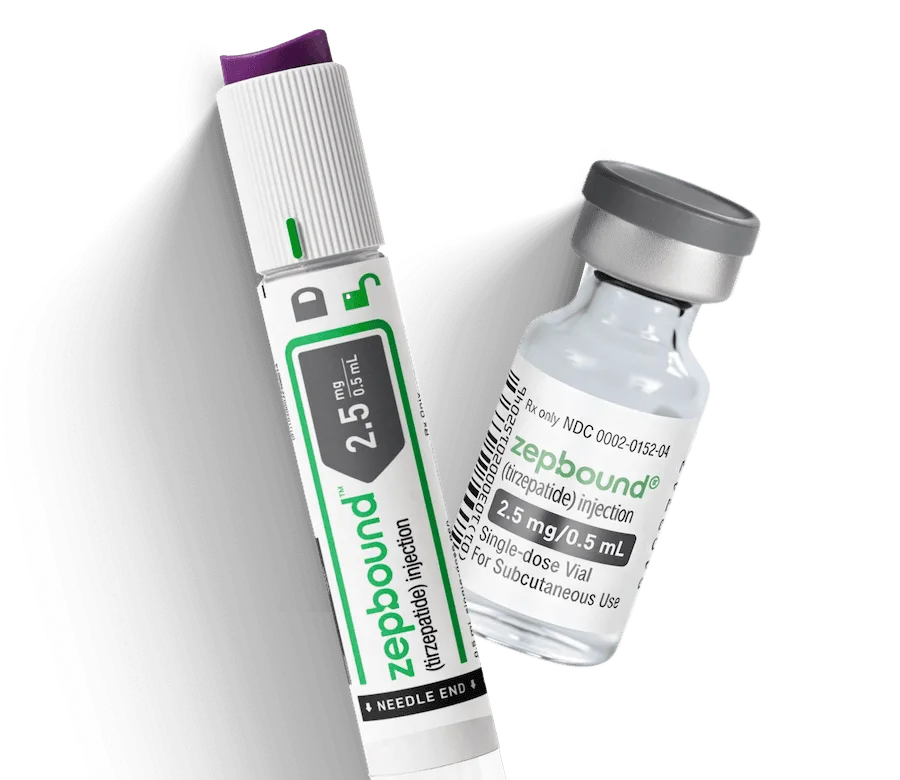
Zepbound®
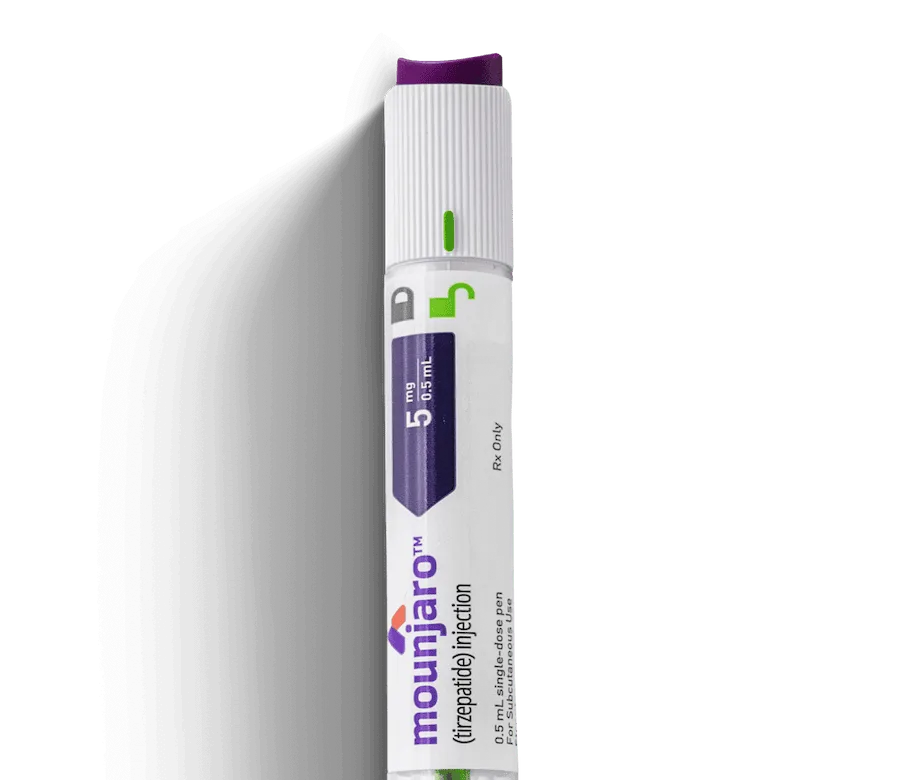
Mounjaro®
Liraglutide
A review of exercise’s effects on fat tissue found that physical activity can stimulate lipolysis—the release of fatty acids from fat cells—making those fatty acids available for your muscles and other tissues to use for energy. Your body typically uses a mixture of fat and carbohydrates during exercise, with the proportions depending on factors like exercise intensity and duration.
The faster breathing that comes with exercise is a downstream effect of increased metabolism, not the cause of fat loss. As your body uses more fuel, it consumes more oxygen and produces more CO₂, which you then need to exhale.
So breathing harder isn’t what moves fat loss along. Exercise helps by increasing energy expenditure and, under the right conditions, drawing on stored fat for fuel—which is also why simply breathing faster or doing breathing exercises doesn’t produce the same effect.
Why energy balance matters more than any single habit
Your body can release and oxidize stored fat during exercise, but that doesn’t necessarily translate into a net loss of body fat. What matters is what happens to your energy balance over time.
If the energy you take in consistently matches what your body uses, fat that’s burned at one point can effectively be replaced later. But when you consistently use more energy than you take in, your body has to draw on stored energy to help make up the difference. Over time, that sustained energy deficit is what reduces your body’s fat stores.
Exercise can help create that gap by increasing how much energy you use; changes to how much you eat can affect the other side of the equation. You don’t necessarily need to do both to lose fat, but combining physical activity with sustainable changes to eating habits can make weight management easier and offers health benefits beyond weight loss.
Does fat leave the body differently when you’re losing weight vs. just maintaining?
The mechanism itself doesn’t change depending on your goals—but the balance between storing and using fat does. Here’s what that looks like on both ends: what changes during active weight loss, and what’s still happening in the background even when you’re not trying to lose anything at all.
What happens to fat during active weight loss
When you consistently take in less energy than your body uses, your body draws more heavily on stored energy to help make up the difference. Triglycerides are released from fat cells, their fatty acids can be oxidized for energy, and the carbon from that stored fat ultimately leaves primarily as exhaled CO₂.
But fat loss isn’t simply a matter of how much fat you burn at any one moment. Your body is constantly storing and using fat throughout the day. During sustained weight loss, the balance shifts so that, over time, more fat leaves your fat cells than gets stored back in them. That’s what gradually makes those cells—and your overall fat stores—smaller.
What happens when you’re maintaining weight
Even at maintenance, this same cycle is running constantly in the background. Fat cells are continually storing and releasing triglycerides, and your body regularly oxidizes fat for energy. The difference is that, over time, the amount being stored and the amount being used are roughly balanced, so your total fat stores remain relatively stable.
Weight loss isn’t a switch that flips on—it’s an ongoing process of fat storage and use that tips toward a net loss when you’re in a sustained energy deficit.
This distinction also matters if you’ve ever felt like the scale isn’t moving despite “doing everything right.” Day-to-day weight naturally bounces around due to water retention, food and waste in your digestive system, glycogen stores, and hormonal changes, which can temporarily mask changes in body fat.
FAQs about how fat leaves the body
Does fat turn into muscle?
No. Fat and muscle are two completely different types of tissue, and neither one can convert into the other. What can look like that happening is building muscle while losing fat at the same time, which can reshape your body even if the scale barely moves. That’s one reason the number on the scale doesn’t always tell the whole story about changes in body composition.
Can you lose fat without losing weight?
Yes. If you’re building muscle while losing fat, your weight can hold relatively steady while your body composition shifts underneath it. This can happen when you start strength training, which is part of why the scale isn’t always the most useful way to track progress. Try Noom Body Scan for a clearer picture of what is happening to your body composition.
Why do some body parts lose fat before others?
A combination of factors influences where you tend to lose fat first, including genetics, sex hormones, and biological differences between fat deposits in different parts of the body. You can’t reliably control that pattern by choosing exercises that target a particular area—the same reason doing ab exercises doesn’t guarantee you’ll lose belly fat first.
Can you speed up fat loss by breathing faster or deeper on purpose?
No. Breathing faster doesn’t make your body oxidize more fat. Under normal conditions, your blood is already highly saturated with oxygen, so taking deeper breaths doesn’t suddenly provide your cells with substantially more oxygen to burn additional fat.
Breathing faster than your body needs can instead cause you to exhale CO₂ faster than your body produces it, lowering the amount of CO₂ in your blood. That’s why hyperventilating can make you feel lightheaded or dizzy—it isn’t a sign that you’re breaking down more fat.
During physical activity, the relationship works in the other direction: your muscles need more energy, your metabolism speeds up, and your body responds by increasing your breathing to take in oxygen and remove the additional CO₂ being produced. The increased breathing is a response to greater metabolic demand, not the thing causing it.
The Easy Way
to lose weight and get healthy.
The bottom line: Fat leaves the body mainly through exhalation and some fluid loss
Fat doesn’t get converted into energy or simply disappear, and it doesn’t leave primarily through sweat or urine. When stored fat is broken down and oxidized, its chemical energy is released while most of its mass ultimately becomes carbon dioxide that you exhale. A smaller share becomes water that leaves through urine, sweat, breath moisture, and other bodily fluids.
That’s the real answer to how fat leaves the body, whether you’re losing weight through changes to your diet, exercise, or with the help of a GLP-1 medication.
None of this changes what supports fat loss day-to-day: Eating in a way that creates a sustainable energy deficit over time, moving your body regularly, and remembering that changes in body fat don’t always show up immediately on the scale. Understanding where that fat actually goes can help take some of the mystery out of the process—and make it easier to recognize that day-to-day fluctuations don’t necessarily reflect what’s happening to your body fat.
“The message remains the same: eat well, move your body, be patient. But knowing where the weight is actually going can help demystify the process,” Hudspeth says.
Ready to track your progress? Download Noom on iOS or Android to take your first Body Scan and see how your food and exercise habits pay off. Plus, you’ll get daily tips on improving your habits to help make weight loss last.
Editorial standards
At Noom, we’re committed to providing health information that’s grounded in reliable science and expert review. Our content is created with the support of qualified professionals and based on well-established research from trusted medical and scientific organizations. Learn more about the experts behind our content on our Health Expert Team page.