

What you’ll learn:
- The highest Wegovy® dose (7.2 mg) leads to the most weight loss on average, but not everyone needs it to see steady results.
- The most effective Wegovy® dose is the one that helps you lose weight with side effects you can manage.
- Many people stay on lower Wegovy® doses longer because treatment is personalized to how they’re responding.
If you’re starting Wegovy® for weight loss—or thinking about it—you’ve probably noticed there isn’t just one dose. Treatment starts low and gradually increases over time, but that raises an important question: Do you need the highest dose to get the best results?
Not necessarily.
While Wegovy® now includes a new highest dose—Wegovy® HD (7.2 mg), approved in March 2026—the most effective dose isn’t the same for everyone. Some people lose significant weight without ever reaching the highest maintenance dose, while others benefit from increasing their dose if they’re tolerating treatment well and still have weight to lose.
The goal isn’t simply to reach the highest dose. It’s to find the dose that gives you the best balance of weight loss and manageable side effects. Your progress will also depend on factors like your eating habits, physical activity, and how your body responds to the medication.
That said, clinical trials do show that higher Wegovy® doses generally lead to greater average weight loss. Let’s look at what the research found at each dose—and how to think about which one may be right for you.
Noom’s Most Powerful Program
A dual-pathway GLP-1 and behavior change for lasting results.
What is Wegovy®—and how does dosing work?
Wegovy® is a GLP-1 receptor agonist with the active ingredient semaglutide. It works by mimicking the GLP-1 hormone to help reduce appetite, slow digestion, and regulate blood sugar, making it easier to eat less and lose weight.
Wegovy® comes in two forms: a once-weekly injection and a once-daily pill. This article focuses on the injectable version, which at its highest dose has been associated with an average weight loss of about 18% of body weight in clinical trials.
For someone who starts at 200 pounds, that’s an average weight loss of about 36 pounds. Keep in mind that this is an average—some people lose more, while others lose less.
Wegovy® dosing: The standard schedule
Treatment starts at the lowest dose (0.25 mg) and is typically increased every four weeks, as long as you’re tolerating the medication well. If you’re experiencing side effects that are difficult to manage—or you’re losing weight more quickly than expected—your healthcare provider may recommend staying on your current dose longer before increasing it. In general, clinicians aim for steady, sustainable weight loss of about 1 to 2 pounds per week with minimal side effects.
Here’s the standard dosing schedule for injectable Wegovy®:
| Wegovy® dosage | Average timeline |
|---|---|
| 0.25 mg | Weeks 1–4 |
| 0.5 mg | Weeks 5–8 |
| 1 mg | Weeks 9–12 |
| 1.7 mg | Weeks 13–16 |
| 2.4 mg | Weeks 17 onwards (recommended maintenance dose) |
| 7.2 mg (Wegovy® HD) | Week 21 and beyond (if clinically indicated) |
Read more: Wegovy® dosage guide: Finding the right dose for weight loss results
Which Wegovy® dose is most effective? It depends.
The short answer: the 7.2 mg dose produced the greatest average weight loss in clinical trials, but the difference between that and the 2.4 mg dose is smaller than many people expect.
Wegovy® HD (7.2 mg) vs. Wegovy® (2.4 mg): What the research found
The best comparison comes from a 72-week clinical trial that tested Wegovy® HD (7.2 mg) and Wegovy® (2.4 mg) head-to-head in adults with overweight or obesity. Both groups lost a significant amount of weight, but the higher dose led to slightly greater average weight loss.
| Dose | Average weight loss |
| Wegovy® HD (7.2 mg) | 18.7% |
| Wegovy® (2.4 mg) | 15.6% |
For someone starting at 200 pounds, that’s the difference between losing about 37 pounds on 7.2 mg and about 31 pounds on 2.4 mg—roughly 6 additional pounds on average with the higher dose.
It’s also worth keeping the results in perspective. People taking placebo lost only about 4% of their body weight on average. In other words, the biggest jump isn’t between 2.4 mg and 7.2 mg—it’s between taking Wegovy® and not taking it.
Access GLP-1 Weight Loss with Noom
Explore a wide range of prescription medications supported by Noom’s program.
Microdose GLP-1rx
Noom GLP-1rx
Noom GLP-1rx Plus
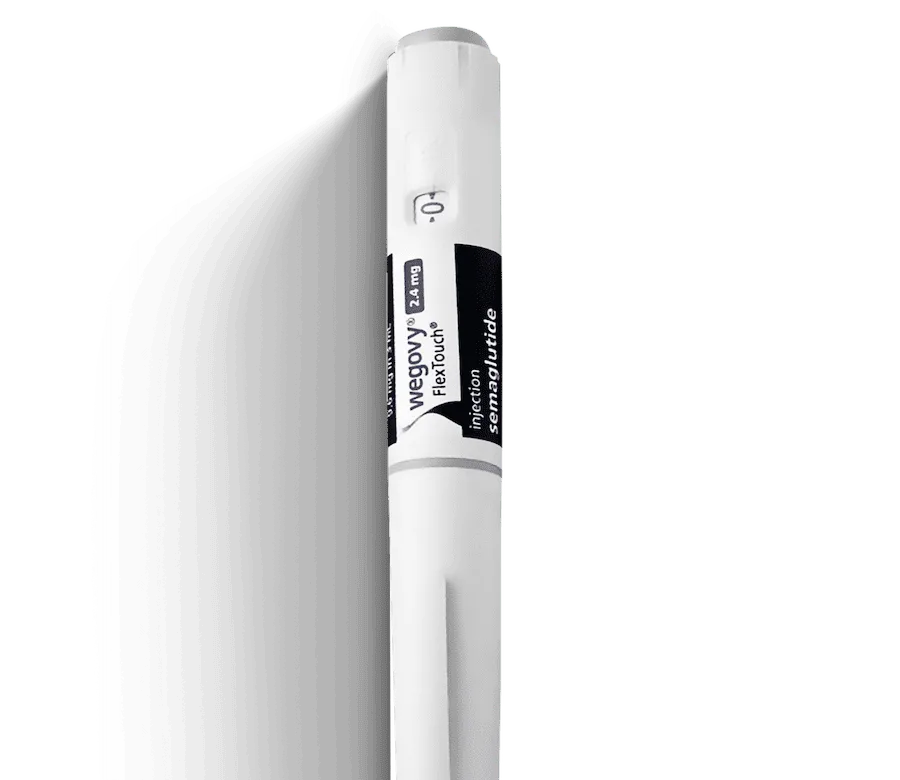
Wegovy®
Ozempic®
Metformin
Zepbound®
Mounjaro®
Liraglutide
So, should everyone aim for the highest dose?
Not necessarily.
Higher doses generally produce greater average weight loss, but that doesn’t mean everyone needs to reach 7.2 mg to have excellent results. Many people lose a substantial amount of weight on 2.4 mg and are able to maintain that loss over time.
The right maintenance dose is the one that gives you the best balance of effectiveness and tolerability. If you’re continuing to lose weight steadily and your side effects are manageable, your healthcare provider may recommend staying where you are. If your weight loss has plateaued and you’re tolerating treatment well, moving to 7.2 mg may provide some additional benefit.
Ultimately, the “most effective” Wegovy® dose isn’t necessarily the highest one—it’s the dose that helps you reach and maintain your goals while minimizing side effects.
Why the highest dose isn’t always the best dose
Although 7.2 mg produced the greatest average weight loss in clinical trials, that doesn’t make it the right maintenance dose for everyone. Healthcare providers don’t increase your dose simply because a higher one is available—they weigh:
- How much weight you’re losing at your current dose
- Whether your appetite and food noise are well controlled
- How well you’re tolerating your current dose
- Whether additional weight loss is likely to outweigh the risk of more side effects
For some people, moving to a higher dose makes sense. Others keep losing weight and feel satisfied on a lower maintenance dose.
Higher doses may bring more side effects
When starting Wegovy®, side effects like nausea, diarrhea, constipation, and abdominal pain are common, but they’re usually manageable and tend to improve over time. They can return or briefly intensify with dose increases. While the side effects between the two highest doses are largely the same, with nausea topping the list, most were reported more often with 7.2 mg.
In particular, dysesthesia—a group of abnormal skin sensations that can include burning, tingling, prickling, numbness, or increased sensitivity—was much more common at the 7.2 mg dose. In the head-to-head study, it showed up in 22% of people taking 7.2 mg, compared with 6% on the 2.4 mg dose.
The other differences were smaller. Nausea affected 39% of people taking 7.2 mg versus 35% taking 2.4 mg, while vomiting was reported by 22% versus 16%. Abdominal pain was also slightly more common with the higher dose, at 12% compared with 9%, and constipation rates were nearly the same, at 20% versus 19%.
Here’s how they compare between the two doses:
| Side effect | Wegovy® 2.4 mg (%) | Wegovy® 7.2 mg (%) |
|---|---|---|
| Nausea | 35 | 39 |
| Vomiting | 16 | 22 |
| Dysesthesia | 6 | 22 |
| Constipation | 19 | 20 |
| Abdominal pain | 9 | 12 |
The important thing is staying on the medication. Side effects that interfere with eating well, staying active, or continuing treatment can make it harder to maintain the habits that support weight loss. That’s why the most effective dose isn’t automatically the highest one—it’s the dose that provides meaningful results with side effects you can manage.
Read more: Dysesthesia and Wegovy®: what the high-dose side effect feels like
Severe side effects: 7.2 mg vs. 2.4 mg
Like all semaglutide medications, Wegovy® has also been linked to rare but potentially serious side effects, including pancreatitis, gallbladder disease, kidney injury, severe allergic reactions, and a possible risk of thyroid C-cell tumors (seen in animal studies but not confirmed in humans). These events were uncommon in clinical trials, and there is no evidence that the 7.2 mg dose increased the risk of these serious side effects compared with the 2.4 mg dose.
As with any medication, your healthcare provider will weigh the potential benefits and risks when deciding whether increasing your dose is appropriate.
Consistency and tolerability matter more than reaching the highest dose of Wegovy®
The most effective Wegovy® dose isn’t necessarily the highest one—it’s the dose that helps you stay on treatment, lose weight steadily, and keep side effects manageable.

The Easy Way
to lose weight and get healthy.
Someone who loses 15% of their starting weight on 2.4 mg with few side effects may ultimately have a better outcome than someone who struggles to tolerate 7.2 mg. Wegovy® works gradually over months, not weeks, so staying on treatment consistently is often more important than reaching the highest possible dose as quickly as possible.
That’s also what happens in the real world. In a study of more than 110,000 people prescribed Wegovy®, only 13% had reached the 2.4 mg maintenance dose by their fifth prescription, and just 10% followed the label’s recommended schedule of increasing the dose every four weeks. Many remained on 1 mg for months before increasing—or didn’t increase at all.
These findings suggest that healthcare providers frequently individualize dosing based on how each person is responding, rather than following the fastest possible path to the highest dose. If a lower dose is helping you lose weight and you feel well, there may be little reason to rush to a higher one. On the other hand, if your weight loss has slowed and you’re tolerating treatment well, increasing your dose may be worth discussing with your healthcare provider.
What happens if you stop losing weight on Wegovy®?
It’s normal for the rate of weight loss to slow over time on Wegovy®. Many people lose weight steadily at first, then find the pace gradually levels off—this is known as a weight loss plateau, and it’s a normal part of the process rather than a sign the medication has stopped working.
Research on semaglutide reflects this pattern: progress tends to level off around week 60 of treatment and stay fairly stable after that, regardless of dose. That timing lines up with what many people experience—steady loss for the first year or so, followed by a period where the scale moves much more slowly.
A plateau doesn’t always mean you need a higher dose
It’s understandable to assume that stalled weight loss means it’s time to increase your medication. But that’s only one possibility, and it’s not always the right one. Healthcare providers typically look at the bigger picture before recommending a dose increase, considering questions like:
- Have you been taking your medication consistently?
- Have your eating habits changed since you started treatment?
- Are you getting enough protein to help preserve muscle mass?
- Have you added resistance or strength training to your routine?
- Are you sleeping well and managing stress?
Depending on your situation, your provider may recommend reviewing your nutrition, activity, sleep, and stress before deciding to increase your dose.
Read more: Wegovy® plateau: Why weight loss stalls and what to do next
FAQ about most effective dose of Wegovy®
Will the cost of Wegovy® increase as my dose increases?
If you’re paying cash through NovoCare® Pharmacy for Wegovy®, the answer is yes—but not evenly across every step. If you have insurance coverage (or qualify for the Medicare GLP-1 Bridge Program), what you pay typically doesn’t change as you move up in dose.
Read more: Wegovy® costs in 2026: With and without insurance coverage
How much does Wegovy® cost when paying cash through NovoCare® at each dose?
Current pricing through the NovoCare® Pharmacy is:
- 0.25 mg or 0.5 mg: $199/month
- 1 mg, 1.7 mg, or 2.4 mg (standard pricing): $349/month
- Wegovy® HD 7.2 mg: $399/month
The $199 rate only applies to people using the two starting doses, and only for 2 monthly fills through December 31, 2026. Once that offer runs out—or once you’ve moved past 0.5 mg—the price increases to $349/month for all doses.
Read more: What does Wegovy® cost without insurance? How to navigate pricing
Does the Medicare cover Wegovy®?
Standard Medicare doesn’t cover weight loss medications, but a trial program called the Medication GLP-1 Bridge Program which run through through December 31, 2027, allows people with Medicare Part D who meet certain qualifications to get Wegovy® for $50 a month. Unlike NovoCare® self-pay pricing, that rate covers every dose with no increase as your dose increases. Learn more and see who qualifies.
What is the highest dose of Wegovy®?
The highest available dose increased in March 2026 when Wegovy® HD, 7.2 mg, was approved. Before that, 2.4 mg was the highest maintenance dose available.
Learn more: Wegovy® dosage guide: Finding the right dose for weight loss results
How long does it take to reach the highest dose of Wegovy®?
If you follow the standard dosing schedule, it takes a minimum of 21 weeks to reach Wegovy® HD (7.2 mg). You’ll spend at least four weeks at each dose—0.25 mg, 0.5 mg, 1 mg, 1.7 mg, and 2.4 mg—before increasing to 7.2 mg.
That said, reaching the highest dose isn’t the goal for everyone. The goal is to find the dose that gives you the best balance of weight loss and manageable side effects. Some people stay on each dose longer before increasing, while others continue on 2.4 mg because it’s working well and they don’t need to move up.
Can I skip doses to reach 7.2 mg faster?
No. Each dose requires a minimum of 4 weeks before increasing, and there’s no way to move directly from a lower dose to 7.2 mg without holding at 2.4 mg first. Your provider may also choose to hold you at any dose longer than the minimum if you need more time to adjust.
Reviews from real Noom users
“My favorite parts of Noom are the care team and other Noomers. Sharing and getting help made me feel like I wasn’t doing it alone. That support made all the difference.”
Desirea N. — Real Noom user
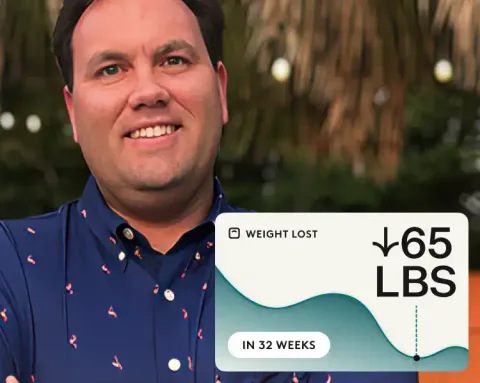
“Noom has taught me that every day is a new chance to make better, healthier choices. It’s taught me how to stop overeating.”
Matthew M. — Real Noom user
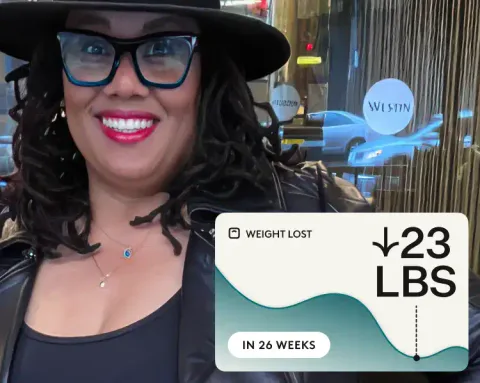
“Clinicians who understand how supportive medication can be is one of the best parts of Noom! I was convinced I wouldn’t have success but I’m down 11 pounds in two months.”
Lila M. — Real Noom user
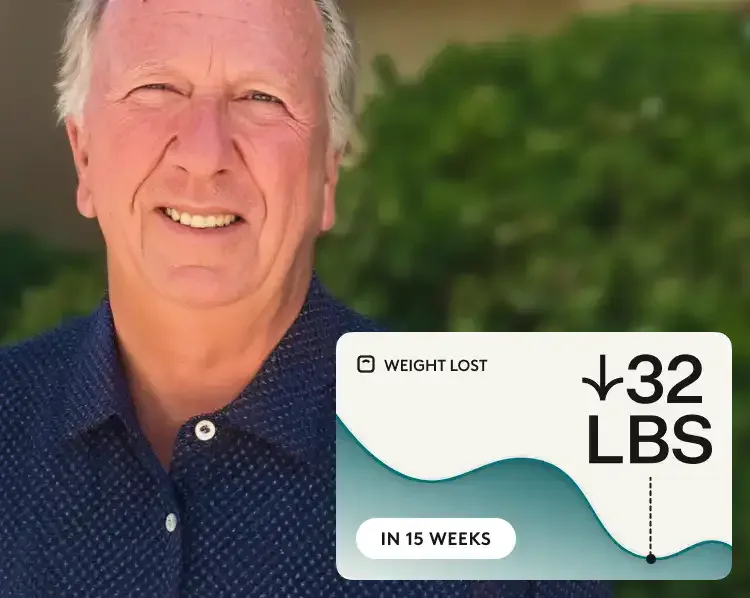
“Noom provided me with the medication which I could not get through Medicare. I have learned the tricks to better eating and life in general.”
Steve M. – Real Noom user
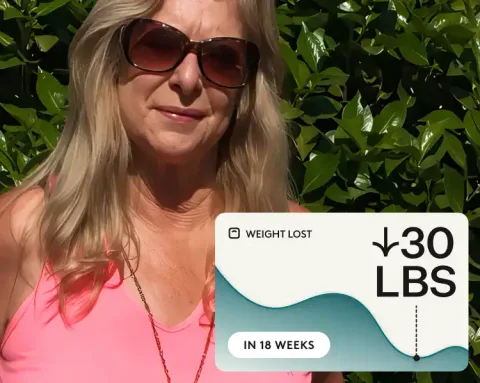
“Noom has changed my life and I’m so thankful, I feel great, have more energy and am no longer prediabetic.”
Daisy R. – Real Noom user
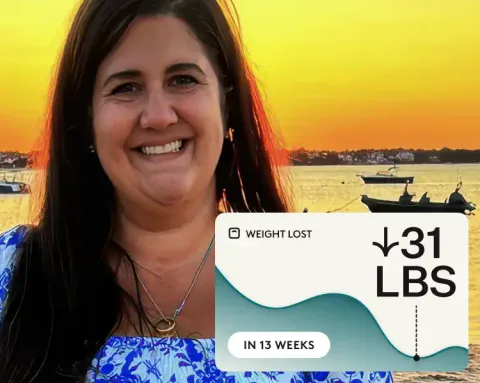
“All of the Noom providers that I’ve met with have been exceptional and prescribed medications that are appropriate for my situation and health.”
Sarah R. – Real Noom user
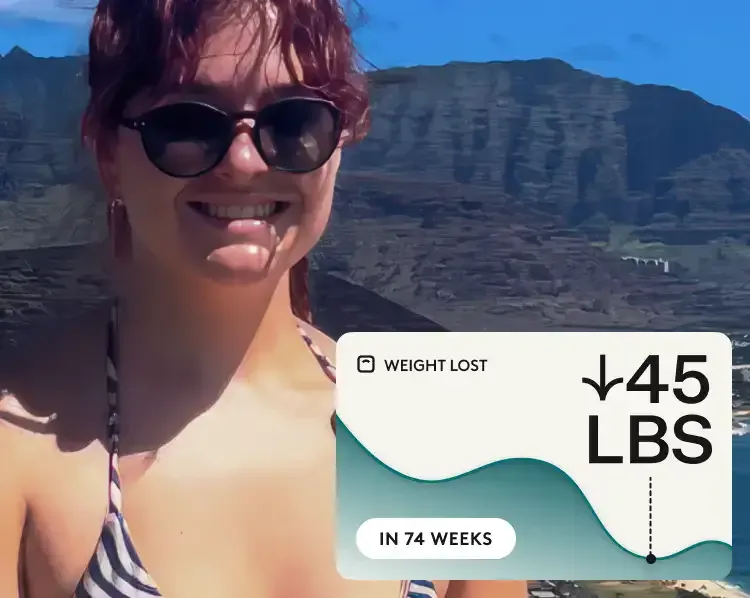
“Noom made the process so simple and now I feel full, free from diet obsession, and at ease in my body again.”
Madison S. – Real Noom user
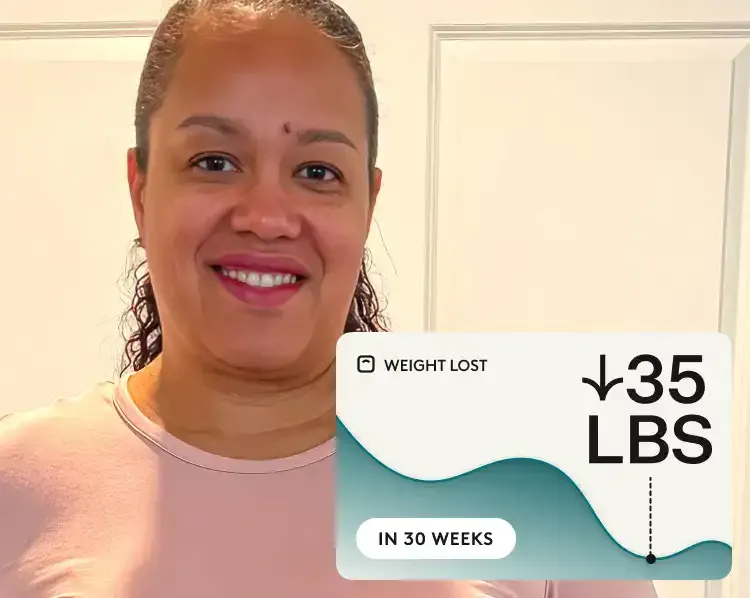
“My doctor recommended Noom after I was frustrated trying to lose weight. The lessons helped change my relationship with food. My body feels lighter & energized.”
Sonday K. – Real Noom user
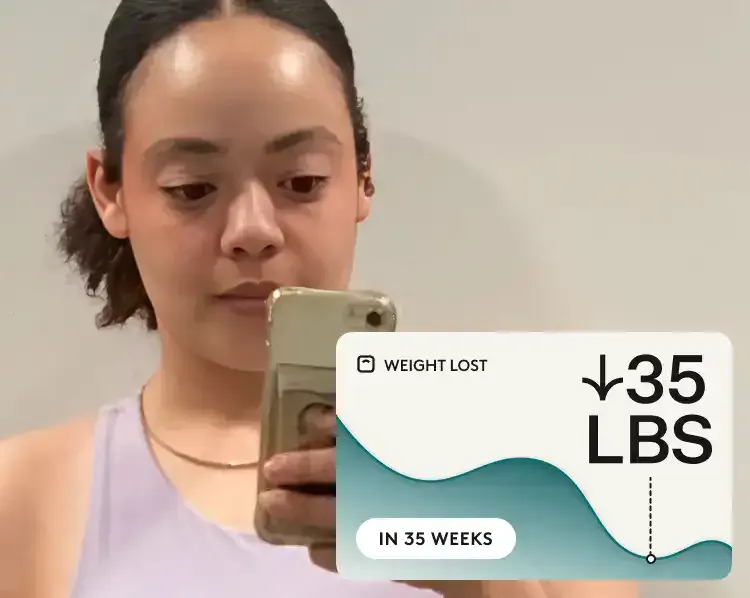
“I built healthy habits with coaching and lessons that make me confident I can maintain my weight loss long term.”
Cam K. – Real Noom user
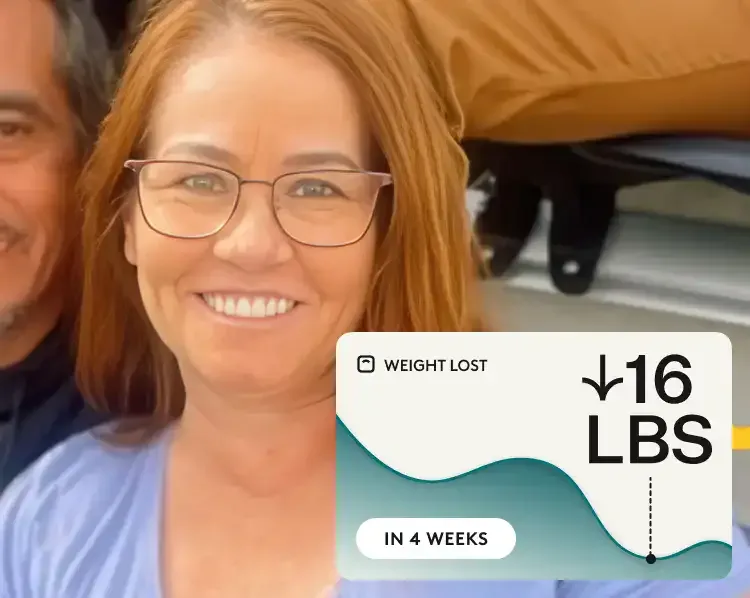
“With the right medication through Noom, hunger and sugar cravings finally quieted and I have the tools to break the cycle.”
Laura TR. – Real Noom user
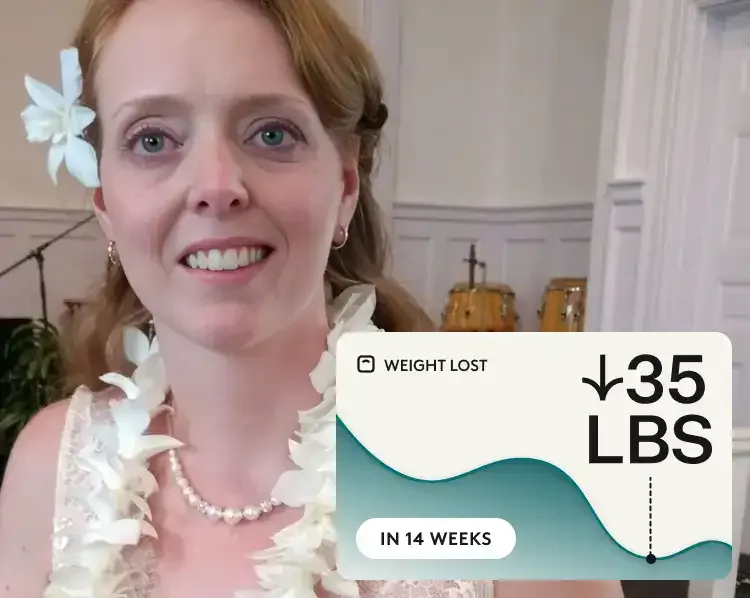
“Cravings and food noise are gone, I finally feel confident in the healthy habits I’ve built to last with Noom.”
Jessica S. – Real Noom user
The bottom line: The most effective Wegovy® dose is different for everyone
In studies, Wegovy® HD 7.2 mg delivers the greatest average weight loss, but that doesn’t make it the right maintenance dose for everyone on Wegovy®. It’s meant for people who have additional weight to lose but are already on the 2.4mg dose but aren’t losing as much weight.
The gap between 7.2 mg and 2.4 mg is a relatively small percentage for many, and it comes with the potential for stronger side effects. For some people, that might make sense, and for others, staying at 2.4 mg—or an even lower dose—is the better move.
Rather than focusing on reaching the highest dose as quickly as possible, it’s more helpful to find the dose that supports sustainable, steady weight loss and fits your life. Working closely with your healthcare provider can help ensure that dose adjustments are based on how you’re responding, not simply on how high the label allows you to go.
If you’re considering Wegovy®, see if you qualify for Noom Med. If so, you’ll be connected with a clinician who can help determine whether Wegovy®—or another option—is the right fit, and prescribe it if needed. Then, your dedicated Care Team provides ongoing monitoring throughout every stage of treatment. You’ll also get access to Noom’s behavior-change program, which helps build the eating and activity habits that work alongside the medication for lasting weight loss.
Editorial standards
At Noom, we’re committed to providing health information that’s grounded in reliable science and expert review. Our content is created with the support of qualified professionals and based on well-established research from trusted medical and scientific organizations. Learn more about the experts behind our content on our Health Expert Team page.