

What you’ll learn:
- Sulfur burps are foul-smelling or foul-tasting burps, often compared to rotten eggs, that some people report while taking GLP-1 medications.
- Burping is a reported side effect of GLP-1 medications, but studies don’t track how often those burps smell or taste like sulfur.
- Identifying personal gas triggers and certain OTC medications may help with burping, but nothing has been proven to eliminate sulfur burps.
Most people know that GLP-1 medications can cause side effects like nausea, vomiting, stomach pain, and constipation. But there are some lesser-known side effects that can be surprising. One is commonly referred to as sulfur burps. People describe foul-smelling burps that smell something like rotten eggs. Is the medication the cause?
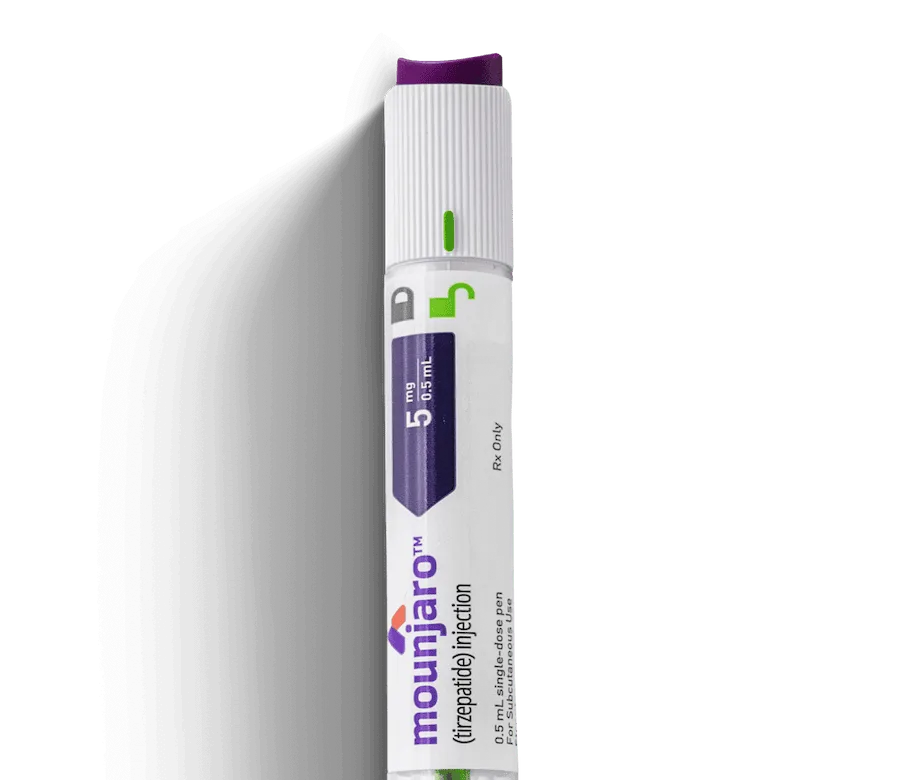
GLP-1 might be part of the explanation. Burping, referred to as eructation in prescribing information, is a reported side effect of several GLP-1 medications, including those with semaglutide (Wegovy® and Ozempic®) and tirzepatide Zepbound® and Mounjaro®).
But clinical trials don’t usually record the odor of the burps. So, while burping can happen to some people, it isn’t clear why they smell like sulfur.
What could be going on that leads to smelly sulfur burps? Let’s take a look at which GLP-1 medications have been linked to belching, what you can try to reduce them, and when it’s time to contact your doctor.
What is a sulfur burp?
A sulfur burp is a burp with an unpleasant smell or taste, often described as sulfurous, eggy, or similar to rotten eggs. “Sulfur burp” isn’t a formal medical diagnosis; it’s a descriptive term for this particular kind of belch. The medical term you’re more likely to see in studies and prescribing information is eructation, which simply means belching.
Noom’s Most Powerful Program
A dual-pathway GLP-1 and behavior change for lasting results.
The smell may come from hydrogen sulfide, a gas known for its characteristic rotten-egg odor that is naturally produced by bacteria in the digestive tract.
So why might people notice sulfur burps while taking a GLP-1 medication? The exact reason hasn’t been established, and clinical trials don’t distinguish sulfur-smelling burps from other belching. But GLP-1 medications affect digestion, which could help explain why some people notice changes in gas and burping.
“What people call ‘sulfur burps’ isn’t a separate medical condition—it’s a description of a rotten-egg smell or taste that may come from sulfur-containing gases like hydrogen sulfide,” says Dr. Ameen Masoodi, MD, an obesity specialist. “Because GLP-1 medications slow digestion, food can remain in the stomach longer, which may change how gas builds up or is released. We know belching can happen with these medications, but we don’t have studies showing exactly why some people experience the sulfur smell.”
Sulfur burps also aren’t unique to GLP-1 medications. Gas and belching can be influenced by how quickly you eat, what you eat, constipation, reflux, infections, and other digestive conditions.
Do GLP-1 medications cause sulfur burps?
They can cause burping, and some people taking GLP-1 medications describe those burps as having a sulfur or “rotten egg” smell. But clinical trials don’t specifically track sulfur burps, so we don’t know how common that particular type of burp is.
What we can look at is how often people reported belching (again called eructation in prescribing information) in clinical trials. Since the same active ingredient can be sold under different brand names and studied at different doses and in different groups of people, the numbers can vary even when the medication itself is similar.
Here’s what the prescribing information shows:
- Semaglutide (Wegovy® and Ozempic®): Belching was reported by 7% of those taking Wegovy® 2.4 mg and about 1% to 3% of people taking injectable Ozempic®, depending on the dose.
- Tirzepatide (Zepbound® and Mounjaro®): About 4% to 5% of people taking Zepbound® and 2.5% to 3.3% of people taking Mounjaro® reported belching, depending on the dose.
- Liraglutide (Saxenda® and Victoza®): 4.5% of adults taking Saxenda® reported belching. Belching isn’t listed separately among the common side effects in the Victoza® prescribing information.
- Orforglipron (Foundayo®): Belching was reported by 6% to 8% of people taking Foundayo®, depending on the dose.
The important thing to remember is that these numbers are for belching in general, not sulfur-smelling burps specifically, and they aren’t meant to be compared head-to-head because the medications were studied at different doses and in different groups of people.
And not every sulfur burp that happens while you’re taking a GLP-1 is necessarily caused by the medication. What you eat, how quickly you eat, constipation, reflux, infections, and other digestive issues can also contribute to gas and burping.
Why do GLP-1s cause burping?
Researchers haven’t confirmed exactly why GLP-1 medications can cause more burping, but their effect on digestion is likely part of the explanation. GLP-1s slow how quickly food leaves your stomach, which helps you feel full longer but can also contribute to digestive symptoms like fullness, bloating, reflux, and belching.
Access GLP-1 Weight Loss with Noom
Explore a wide range of prescription medications supported by Noom’s program.
Microdose GLP-1rx
Noom GLP-1rx
Noom GLP-1rx Plus
Wegovy®
Ozempic®
Metformin
Zepbound®
Mounjaro®
Liraglutide
“Because GLP-1 medications slow digestion, food and gas may spend more time in the upper digestive system,” says Dr. Masoodi. “That can change how gas builds up and moves, which may be one reason some people notice more frequent or stronger-smelling burps.”
Other things can contribute, too. Constipation and reflux can make gas and belching more noticeable, while eating quickly, chewing gum, drinking carbonated beverages, and certain foods can increase gas or swallowed air. Gas symptoms can also occur with digestive conditions like gastroparesis and small intestinal bacterial overgrowth.
If sulfur burps are severe, persistent, or come with symptoms like ongoing diarrhea or significant abdominal pain, check in with your healthcare provider rather than assuming your GLP-1 is the cause.
When do GLP-1 sulfur burps start?
For burping in general, we know it can happen while taking GLP-1 medications, but clinical trials don’t give us a precise timeline for when it typically starts. Some digestive side effects are more common during dose escalation.
For Wegovy®, GI reactions were reported most frequently during dose escalation.
For sulfur burps specifically, we know even less. Trials don’t separate sulfur-smelling burps from ordinary belching, so we can’t say when they typically begin or whether they’re more likely after the first dose, several doses, or a dose increase.
If you notice new or worsening burping after starting a GLP-1 or increasing your dose, keep track of when it happens and let your prescriber know if it becomes persistent or bothersome.
How long do GLP-1 burps and sulfur burps last?
There’s no established timeline for burping in general. Clinical trials tell us that belching can occur with several GLP-1 medications, but they don’t tell us how many days or weeks it typically lasts. Some gastrointestinal side effects become less common over time, but we can’t assume belching always follows that pattern.
And for sulfur burps specifically, there’s even less information. Because trials don’t track the smell or taste of burps, we don’t know whether sulfur burps tend to go away as your body adjusts, continue at the same dose, or return after dose increases.
If burping or sulfur burps continue, get worse, or come with other concerning digestive symptoms, talk to your healthcare provider rather than assuming they’ll eventually go away.
How to reduce GLP-1 burps—and possibly sulfur burps
There isn’t a proven way to prevent sulfur burps specifically. But because sulfur burps are still burps, strategies that reduce belching, swallowed air, and other digestive symptoms may help. Experts who treat people taking GLP-1 medications also recommend many of these strategies for managing gastrointestinal side effects.
- Eat smaller meals and slow down. Eating smaller, more frequent meals and eating slowly can help reduce gas symptoms. GLP-1 experts similarly recommend smaller, more frequent meals, eating slowly, stopping when full, and avoiding lying down right after eating.
- Cut back on carbonation and swallowed air. Carbonated drinks, chewing gum, sucking on hard candy, drinking through a straw, and eating or drinking too quickly can increase how much air you swallow and contribute to belching.
- Track possible food triggers. There isn’t a proven list of foods that cause sulfur burps specifically, and triggers vary from person to person. But certain foods like beans, peas, lentils, cruciferous vegetables like cabbage and broccoli, dairy products, certain fruits, whole grains, and foods containing sugar alcohols like sorbitol and xylitol are common gas triggers. Rather than cutting out several nutritious foods at once, try changing one thing at a time or keeping a food diary to see what seems to make your symptoms worse.
- Stay hydrated. GLP-1 experts recommend getting enough fluids, generally in small sips, when managing digestive side effects. Hydration is especially important if you’re also experiencing vomiting or diarrhea.
- Pay attention to constipation. Constipation can occur with GLP-1 medications and may come with bloating and other digestive discomfort. Expert recommendations include adequate fluids, fiber, and physical activity to help manage it. Make sure to increase fiber gradually, since it can worsen gas and bloating. If you have persistent vomiting or feel unusually full long after eating, ask your clinician before adding fiber supplements.
- Talk to your prescriber if symptoms are difficult to tolerate. If gastrointestinal symptoms develop or persist while your dose is being increased, expert guidance supports options such as delaying the next increase or extending the dose-escalation period. Don’t lower, skip, or stop your GLP-1 on your own. However, if you develop severe, persistent abdominal pain, particularly pain that spreads to your back, stop the medication and seek immediate medical attention.
What can I take to get rid of sulfur burps?
There isn’t a medication proven to get rid of GLP-1 sulfur burps specifically. But a few over-the-counter products may help with the sulfur-containing gas or other gas symptoms that could be contributing:
- Bismuth subsalicylate (Pepto-Bismol®): This has the most direct evidence related to hydrogen sulfide. In a small study of 10 healthy adults, bismuth subsalicylate reduced hydrogen sulfide release in the colon by more than 95%. But the study didn’t involve people taking GLP-1 medications or measure sulfur burps, so we don’t know whether Pepto-Bismol® will get rid of them. Pepto-Bismol contains a salicylate. Do not use it if you have an aspirin or salicylate allergy, take another salicylate product, or have an ulcer or bleeding problem. If you take a blood thinner, ask your clinician or pharmacist before using it.
- Simethicone (Gas-X®, Phazyme®): Simethicone is intended to relieve gas symptoms by helping gas bubbles combine so they’re easier to pass. It doesn’t neutralize hydrogen sulfide, though, and there isn’t evidence that it specifically treats sulfur burps.
- Alpha-galactosidase (Beano®): If certain foods seem to trigger your gas, this digestive enzyme may help break down some of the carbohydrates in foods such as beans and other gas-producing foods. Small randomized trials found that alpha-galactosidase reduced intestinal gas production and gas-related symptoms after high-fermentable-carbohydrate meals. Again, it hasn’t been studied specifically for sulfur burps or in people taking GLP-1s.
“I wouldn’t recommend treating the smell alone,” says Dr. Masoodi. “Think about what else is happening—whether you’re also constipated, bloated, having reflux, or noticing symptoms after certain foods. Treating the underlying digestive issue may be more helpful than simply trying to neutralize the sulfur.”
Before taking an OTC medication regularly, check with your healthcare provider or pharmacist, especially if you take other medications or have underlying health conditions.
When should you contact your clinician about sulfur burps?
Sulfur burps can be uncomfortable, but the smell itself isn’t necessarily what makes them concerning. Pay attention to how persistent they are and, especially, what other symptoms are happening along with them.

The Easy Way
to lose weight and get healthy.
“Sulfur burps by themselves are very different from sulfur burps that come with significant pain, repeated vomiting, or other new or worsening digestive symptoms,” says Dr. Masoodi, MD. “If something feels more severe than the digestive side effects you normally experience, or it’s interfering with your ability to eat or drink, that’s a reason to contact your healthcare provider rather than simply trying to manage it at home.”
When to contact your provider
If the burps are persistent or getting worse, are interfering with eating or daily life, or come with ongoing constipation, diarrhea, reflux, vomiting, or feeling unusually full long after eating. It’s also worth checking in if symptoms become difficult to tolerate after a dose increase or you’re unsure whether to move on to your next dose.
When to get emergency medical care:
Signs you need immediate medical care include:
- Severe abdominal pain, especially if it doesn’t go away or radiates to your back
- Repeated vomiting or being unable to keep fluids down
- Severe abdominal swelling with vomiting, constipation, or an inability to pass stool or gas
- Vomiting blood or having black, tarry stools. One thing to remember is that if you’re taking Pepto-Bismol, it can temporarily darken your stool or tongue harmlessly. However, black, tarry or sticky stools—especially with weakness, dizziness, abdominal pain or vomiting blood—need urgent medical evaluation. Do not automatically assume the medication is responsible.
Yellowing of your skin or eyes can be a sign of a gallbladder or liver problem and should also be evaluated promptly.
These symptoms can be a sign that something more serious is going on, such as pancreatitis, a gallbladder problem, severe dehydration, or an intestinal blockage, rather than ordinary GLP-1 digestive side effects.
Frequently asked questions about GLP-1 sulfur burps
Are sulfur burps dangerous?
Sulfur burps themselves aren’t necessarily a sign of something dangerous. What matters more is how often they’re happening and what other symptoms come with them. If you also have severe abdominal pain, repeated vomiting, severe abdominal swelling, or an inability to pass stool or gas, seek medical care. These can be signs of something more serious than typical GLP-1 digestive side effects, such as pancreatitis, severe dehydration, gallbladder problems, or an intestinal blockage.
How do you get rid of GLP-1 sulfur burps?
There’s no proven treatment specifically for GLP-1 sulfur burps. Strategies that can help reduce gas and belching include eating smaller meals, eating slowly, cutting back on carbonated drinks, staying hydrated, addressing constipation, and tracking possible food triggers. OTC products such as bismuth subsalicylate (Pepto-Bismol®) or simethicone (Gas-X®) may help with hydrogen sulfide or gas symptoms, but neither has been shown to get rid of GLP-1 sulfur burps specifically. Contact your prescriber if the burps persist or make it difficult to eat or drink.
What drink gets rid of sulfur burps?
No drink has been proven to get rid of sulfur burps. Plain water can help you stay hydrated without adding gas the way carbonated drinks can. Ginger tea may help if you’re also experiencing nausea, but there’s no evidence that it neutralizes the sulfur associated with sulfur burps.
Are there any natural remedies for sulfur burps that work?
There aren’t any natural remedies proven to prevent or get rid of sulfur burps, including those associated with GLP-1 medications. You may see suggestions like ginger tea, peppermint, apple cider vinegar, baking soda, or activated charcoal online, but there isn’t good evidence that these remedies treat sulfur burps. Ginger has been studied for nausea and other digestive symptoms, but not sulfur burps specifically. Simple strategies like drinking water, eating smaller meals, eating slowly, and avoiding carbonated drinks may help reduce gas and ordinary belching, but they haven’t been proven to get rid of the sulfur smell.
How do you stop sulfur burps on Zepbound®?
There’s no Zepbound®-specific treatment for sulfur burps. Try the same strategies used to reduce belching and other digestive symptoms, such as smaller meals, eating slowly, and limiting carbonation. If the burps are persistent, worsening, or difficult to tolerate, talk to your prescriber before making any changes to your dose.
What triggers sulfur burps?
We don’t have a definitive list of sulfur-burp triggers. Things that can increase gas and belching generally include large meals, carbonated drinks, constipation, and certain gas-producing foods such as beans, lentils, cruciferous vegetables, dairy products, and some fruits and whole grains. Foul-smelling burps can also occur with some digestive conditions and infections.
Do sulfur burps mean there’s something wrong?
Not necessarily. The smell alone doesn’t tell you that something is wrong. What matters more is whether the burps are persistent or accompanied by other symptoms. Contact a healthcare provider if you also develop significant abdominal pain, repeated vomiting, severe abdominal swelling, persistent diarrhea, or signs of dehydration.
Reviews from real Noom users
“My favorite parts of Noom are the care team and other Noomers. Sharing and getting help made me feel like I wasn’t doing it alone. That support made all the difference.”
Desirea N. — Real Noom user
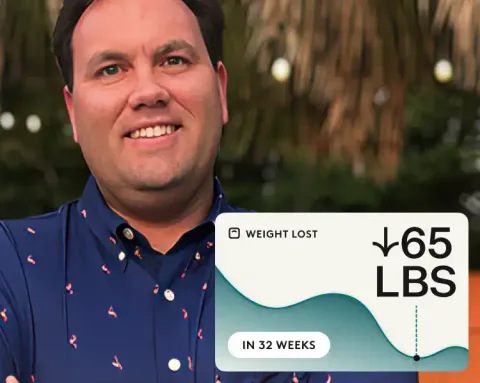
“Noom has taught me that every day is a new chance to make better, healthier choices. It’s taught me how to stop overeating.”
Matthew M. — Real Noom user

“Clinicians who understand how supportive medication can be is one of the best parts of Noom! I was convinced I wouldn’t have success but I’m down 11 pounds in two months.”
Lila M. — Real Noom user
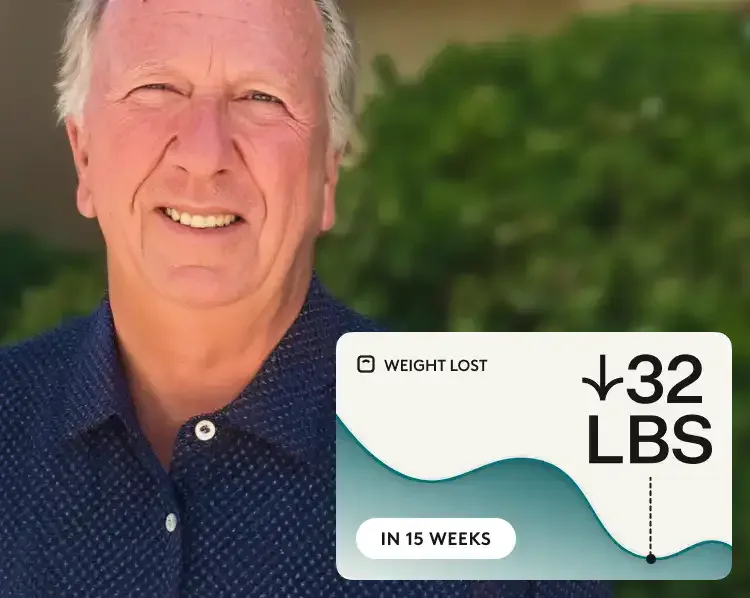
“Noom provided me with the medication which I could not get through Medicare. I have learned the tricks to better eating and life in general.”
Steve M. – Real Noom user
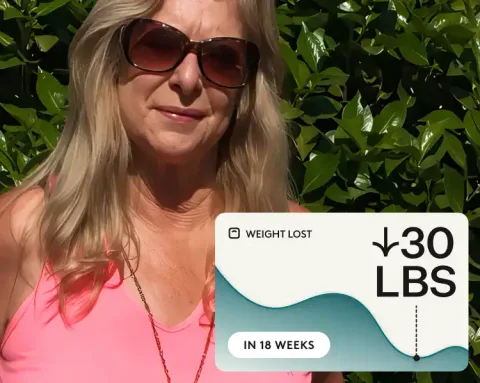
“Noom has changed my life and I’m so thankful, I feel great, have more energy and am no longer prediabetic.”
Daisy R. – Real Noom user
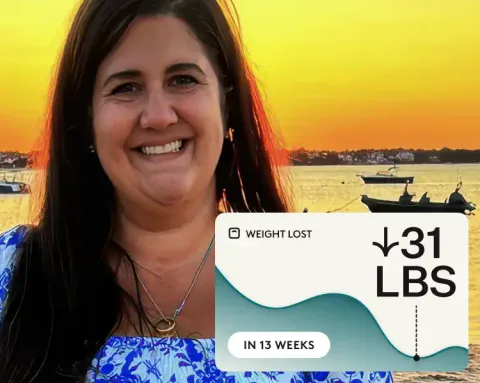
“All of the Noom providers that I’ve met with have been exceptional and prescribed medications that are appropriate for my situation and health.”
Sarah R. – Real Noom user
“Noom made the process so simple and now I feel full, free from diet obsession, and at ease in my body again.”
Madison S. – Real Noom user
“My doctor recommended Noom after I was frustrated trying to lose weight. The lessons helped change my relationship with food. My body feels lighter & energized.”
Sonday K. – Real Noom user
“I built healthy habits with coaching and lessons that make me confident I can maintain my weight loss long term.”
Cam K. – Real Noom user
“With the right medication through Noom, hunger and sugar cravings finally quieted and I have the tools to break the cycle.”
Laura TR. – Real Noom user
“Cravings and food noise are gone, I finally feel confident in the healthy habits I’ve built to last with Noom.”
Jessica S. – Real Noom user
The bottom line: GLP-1s can cause more burping, which can include sulfur burps
Sulfur burps may be one of the stranger digestive symptoms people notice while taking a GLP-1, but there’s still a lot we don’t know about them. Clinical trials confirm that belching can happen with semaglutide, tirzepatide, liraglutide, and orforglipron, but they don’t tell us how many of those burps smell or taste like sulfur—or exactly why that happens.
Slower digestion may be part of the explanation, but other factors, from constipation and reflux to foods and other digestive conditions, can contribute. There’s also no proven sulfur-burp cure. Smaller meals, less carbonation, addressing constipation, and certain OTC products may help with gas or belching, but pay attention to the bigger picture rather than focusing only on the smell.
If sulfur burps are occasional and otherwise manageable, simple changes may be enough. If they persist, interfere with eating or drinking, or come with significant pain, repeated vomiting, or other concerning symptoms, talk to your healthcare provider. Sometimes the most important clue isn’t the sulfur burp itself—it’s what’s happening along with it.
If you’re considering a GLP-1 or need help managing side effects, see if you qualify for Noom Med. If eligible, you can work with a clinician on medication and dosage decisions while getting nutrition and habit support designed to help you feel your best throughout treatment.
Editorial standards
At Noom, we’re committed to providing health information that’s grounded in reliable science and expert review. Our content is created with the support of qualified professionals and based on well-established research from trusted medical and scientific organizations. Learn more about the experts behind our content on our Health Expert Team page.