

What you’ll learn:
- Orforglipron (Foundayo®) is a once-daily GLP-1 pill that can offer another option for maintaining weight loss after using injectable Zepbound® or Wegovy®.
- In a maintenance study, people who switched to orforglipron maintained more of their previous weight loss than those who stopped treatment.
- Cost, convenience, side effects, and your individual response can help determine whether a daily pill makes sense for long-term maintenance.
People can lose a lot of weight on Zepbound® (tirzepatide) and Wegovy® (semaglutide). The catch is what happens if you stop taking the medication.
In one study, people who stopped their weekly semaglutide shot gained back about two-thirds of the weight they’d lost within a year. In another study, more than 80% of people who stopped their weekly tirzepatide shot had gained back at least a quarter of their lost weight within a year. That’s one reason obesity is treated as an ongoing condition rather than something you fix once and move on from. The same biology that made the weight loss possible tends to come back into play once you stop treating it.
That’s why GLP-1 medications are generally considered long-term treatments. But “long-term” doesn’t necessarily have to mean taking the same weekly injection forever.
Foundayo® (orforglipron), a once-daily GLP-1 pill made by Eli Lilly, the same company behind Zepbound®, is being positioned as another way to continue treatment and help maintain weight loss after an injectable GLP-1.
In a recent study, researchers looked at people who had already been treated with tirzepatide or semaglutide for 72 weeks. Researchers then switched them to either orforglipron or a placebo for another year to see how well they maintained the weight they’d already lost. The results suggest that orforglipron could offer another way to help maintain much of that weight loss without continuing a weekly injection.
Noom’s Most Powerful Program
A dual-pathway GLP-1 and behavior change for lasting results.
Here’s what to know about switching to orforglipron for maintenance, including how it works, what the research found, what you might expect after switching, and how the cost compares with staying on an injectable.
What is orforglipron, and how is it different?
Orforglipron is a once-daily GLP-1 pill sold under the brand name Foundayo®. Like Wegovy® and Zepbound®, it activates GLP-1 receptors, which help regulate appetite, digestion, and blood sugar. But the way the medication is made—and how you take it—is different.
Semaglutide (the active ingredient in Ozempic® and Wegovy®) and tirzepatide (in Mounjaro® and Zepbound®) are peptides, which are small chains of amino acids. Because peptides can be broken down during digestion, these medications have traditionally been given as injections. (The Wegovy® pill is taken orally, but requires an absorption helper to get into the body.)
Orforglipron isn’t a peptide. It’s what’s known as a small-molecule GLP-1 receptor agonist, designed to activate the GLP-1 receptor without mimicking the structure of the natural GLP-1 hormone. That allows it to be taken as a pill once a day without any food or water restrictions. You can take Foundayo® at any time of day.
The overall effect is similar to other GLP-1 medications: Orforglipron can reduce appetite, slow stomach emptying, and help regulate blood sugar. The trade-off is that it hasn’t produced as much weight loss in studies as the most effective injectable GLP-1 medications. In a phase 3 trial in adults with obesity or overweight without diabetes, people taking the highest dose lost about 12% of their starting weight on average after 72 weeks.
Orforglipron for maintenance: What does the research show
The study mentioned above, called ATTAIN-MAINTAIN, looked specifically at whether orforglipron could help people maintain weight loss after switching from an injectable GLP-1 medication. It included 376 adults who had already completed 72 weeks of treatment with either tirzepatide or semaglutide. They were then randomly assigned to switch to daily orforglipron or a placebo for another year.
For the main analysis, researchers focused on people whose weight had already reached a plateau on the injectable, meaning their weight had changed by less than 5% during the final 12 weeks of their previous treatment. Here’s what they found:
- People switching from tirzepatide: Those taking orforglipron maintained about 75% of their previous weight loss, on average, compared with about 49% for those taking a placebo. Looking at actual weight change, people who switched to orforglipron regained about 5% of their body weight on average over the year.
- People switching from semaglutide: Those taking orforglipron maintained about 79% of their previous weight loss, on average, compared with about 38% for those taking a placebo. In this group, people who switched to orforglipron regained about 1% of their body weight on average.
The benefits went beyond the number on the scale. Improvements in waist circumference, blood pressure, blood sugar, and measures like cholesterol and triglycerides were largely maintained in people who switched to orforglipron.
The transition also appeared to be generally well tolerated. The most common side effects were digestive issues like nausea, constipation, vomiting, and diarrhea, and most were mild to moderate.
The big takeaway: Switching to orforglipron didn’t necessarily mean maintaining every pound lost, especially for people coming from tirzepatide. But people who continued GLP-1 treatment with orforglipron maintained substantially more of their previous weight loss than those who stopped active treatment.
Access GLP-1 Weight Loss with Noom
Explore a wide range of prescription medications supported by Noom’s program.
Microdose GLP-1rx
Noom GLP-1rx
Noom GLP-1rx Plus
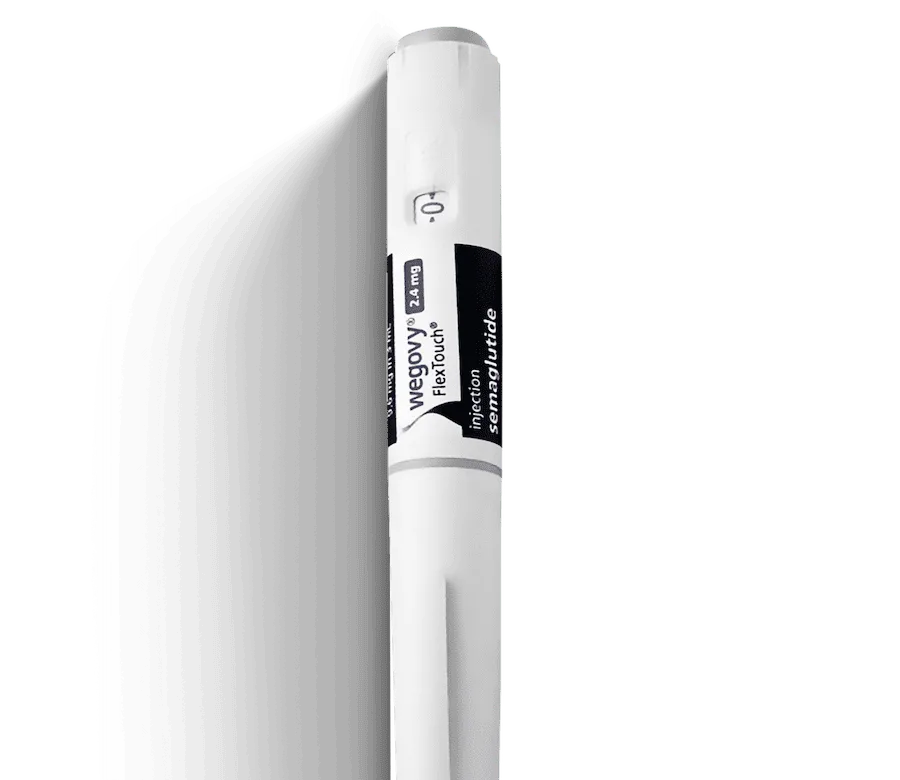
Wegovy®
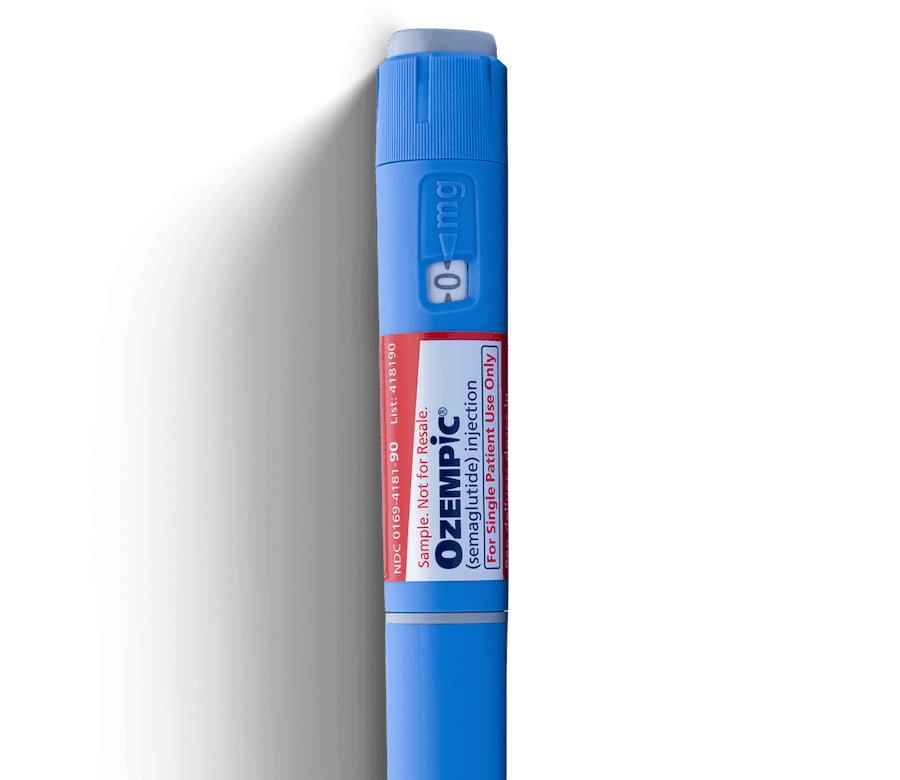
Ozempic®
Metformin
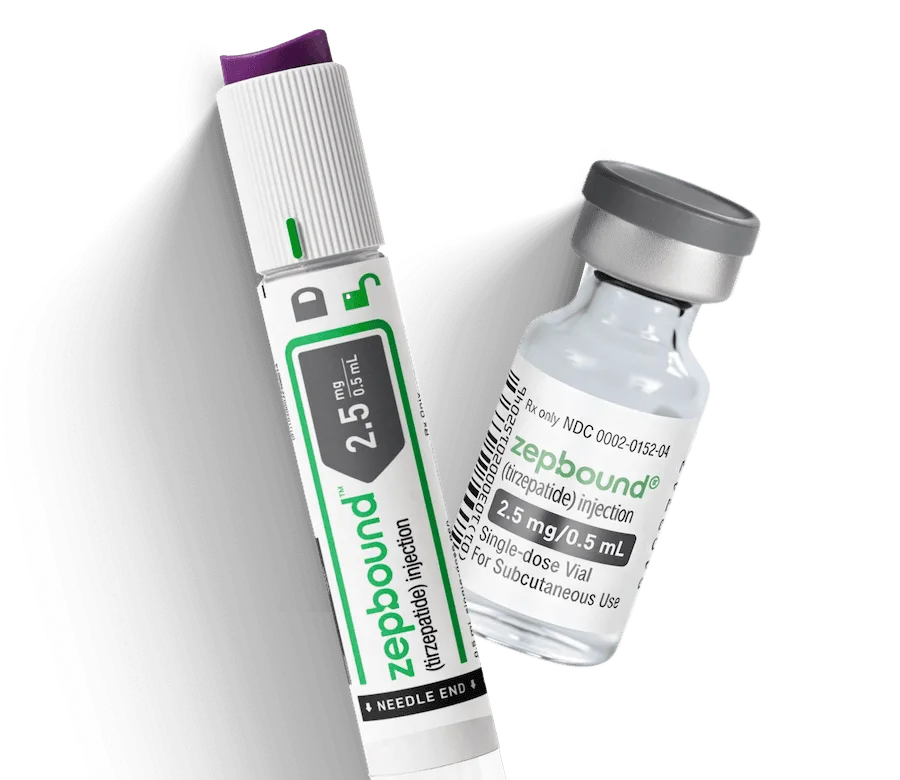
Zepbound®
Mounjaro®
Liraglutide
Why the difference between the two groups?
The study itself doesn’t answer this question, but the researcher who led it offered one possible explanation: It may come down to how the medications work.
Tirzepatide activates two hormone receptors involved in appetite and blood sugar regulation, GLP-1 and GIP, and typically produces greater weight loss than semaglutide. The researcher’s theory is that stepping down from this dual action to orforglipron, which targets only GLP-1 receptors, may result in more weight regain.
Semaglutide and orforglipron, on the other hand, both target GLP-1 receptors. His thinking is that the smaller difference between the two medications could help explain why people switching from semaglutide maintained more of their previous weight loss.
It’s a reasonable explanation for the pattern, but it’s still a theory. The study wasn’t designed to determine why people switching from tirzepatide regained more weight than those switching from semaglutide.
What the study does show clearly is that people who switched to orforglipron kept more of the weight off than those who stopped active treatment. In both groups, people taking the pill held onto roughly three-quarters of the weight they’d lost, while those taking a placebo kept only about half or less. That suggests continuing GLP-1 treatment with orforglipron made a meaningful difference.
Switching from Zepbound® vs. switching from Wegovy® to orforglipron
What might these percentages look like in pounds? Here’s a simplified example using a starting weight of 250 pounds. These calculations combine average weight-loss results from earlier trials with the maintenance percentages from the study above, so they’re meant to illustrate the numbers—not predict what will happen when someone switches.
- Switching from Zepbound® (tirzepatide) to Foundayo® (orforglipron): In a major tirzepatide trial, people taking the highest dose lost about 21% of their body weight on average. For someone starting at 250 pounds, that’s about 52 pounds, bringing their weight to about 198 pounds. If they then maintained 75% of that weight loss—the average seen among people switching from tirzepatide to orforglipron in the maintenance study—that would mean keeping off about 39 pounds and regaining about 13 pounds.
- Switching from Wegovy® (semaglutide) to Foundayo® (orforglipron): In a major semaglutide trial, people taking semaglutide 2.4 mg lost about 15% of their body weight on average. For someone starting at 250 pounds, that’s about 37 pounds, bringing their weight to about 213 pounds. If they then maintained 79% of that weight loss—the average seen among people switching from semaglutide to orforglipron in the maintenance study—that would mean keeping off about 29 pounds and regaining about 8 pounds.
Again, these are examples, not predictions. The amount of weight you lose before switching—and how much you maintain afterward—can vary considerably from person to person.
It’s also worth remembering that these medications are meant to be used alongside healthy eating and increased physical activity. Those habits remain important during maintenance, whether you stay on an injectable medication or switch to a pill.
One distinction worth flagging: Everything above is about switching from a weekly injection. If you’re already taking the Wegovy® pill and thinking about switching to Foundayo® instead, that wasn’t tested in this study. Read more about switching from the Wegovy® pill to Foundayo®, including what to know about weight loss, timing, and side effects.
Switching to orforglipron for maintenance: What to expect
Switching from a weekly injection to a daily pill involves more than just a different delivery method. Orforglipron has its own dosing schedule, side effects, and routine. Here’s what to think about and ask your clinician about.
Talk to your provider about timing
Your clinician can tell you when to take your first Foundayo® dose after your final injection based on the medication you’re taking, your current dose, and how you’re responding to treatment.
You’ll start at a lower dose and work your way up
Foundayo® comes in several doses and is gradually increased to help your body adjust and reduce side effects. Your clinician will determine how quickly to increase your dose and where to stop based on how well you’re tolerating the medication and how your weight responds.
That’s especially important when you’re taking orforglipron for maintenance. The goal may not be to continue losing as much weight as possible, but to find a dose that helps you maintain the weight loss you’ve already achieved.
Your weight may change after you switch
Switching medications doesn’t necessarily mean your weight will stay exactly where it was. In the study we discussed above, people who switched to orforglipron maintained much more of their previous weight loss than those who stopped active treatment, but some weight regain still occurred on average.
What matters more is the pattern over time. A change on the scale doesn’t automatically mean orforglipron isn’t working, and your clinician may be able to adjust your treatment if your weight isn’t responding as expected. You can also read more about what to do if you’re not losing weight on Foundayo®.
Noom’s Most Powerful Program
A dual-pathway GLP-1 and behavior change for lasting results.
Side effects could feel a little different
Foundayo® has its own side-effect profile. Like injectable GLP-1 medications, its most common side effects are gastrointestinal, including nausea, diarrhea, constipation, and vomiting. These can be more noticeable when you first start treatment or increase your dose.
Knowing which symptoms are expected and which warrant a call to your clinician can make the transition easier. Read our full guide to orforglipron and Foundayo® side effects.
How to get the best results switching to orforglipron for weight loss maintenance
The pill itself is only part of the equation. How much weight you gain, lose, or maintain after switching can also depend on the habits you continue and factors that affect how your body responds to treatment. Here’s what’s worth keeping in mind.
Keep doing what helped you lose weight
Everyone in the maintenance study was also instructed to follow a reduced-calorie diet and stay physically active. In other words, orforglipron was tested alongside those habits, not instead of them.
You don’t necessarily need to overhaul what you’re doing when you switch medications. Continuing the eating, movement, sleep, and other routines that helped you during weight loss can give you a more consistent foundation as you move into maintenance.
Give your body time to adjust
Your weight may not stay perfectly steady from week to week after switching medications. Pay more attention to the overall trend than to a few pounds of fluctuation, and keep your clinician updated about whether you’re gaining, losing, or maintaining over time. That information can help them determine whether your treatment needs to be adjusted.
Remember that your results are individual
People can respond differently to GLP-1 medications even when they’re taking the same drug and dose. Age, sex, hormonal changes, other health conditions, and medications can all be part of the picture.
For example, menopause can change body composition and make weight management feel different during midlife. If that’s relevant to you, read more about orforglipron, menopause, and weight.
Age alone, however, doesn’t appear to dramatically change how well GLP-1 medications work. A review of 64 clinical trials found that their weight-loss effects were generally consistent across adult age groups, although there were some differences based on sex.
Make sure your clinician knows about your other medications
Other medications can affect weight, appetite, and how your results look over time. Some research, for example, has found differences in GLP-1-related weight loss among people taking certain psychiatric medications.
That doesn’t mean you should stop or change another medication to get better results from orforglipron. Instead, make sure your clinician has a complete list of everything you’re taking so they can consider the whole picture if your weight changes unexpectedly.
Don’t assume another health condition means orforglipron won’t work
Having a condition that can make weight management more complicated doesn’t necessarily mean you won’t respond to GLP-1 treatment. For example, research comparing people with and without PCOS found comparable weight-loss outcomes with GLP-1 medications.
None of these factors can predict exactly what will happen when you switch. They’re simply useful context for understanding why your experience might not look exactly like the averages from a clinical trial—and why working with your clinician to follow your own weight trend matters more than trying to match someone else’s results.
Orforglipron for maintenance: Cost compared to Zepbound® or Wegovy®
Cost can be a big part of the decision to switch from Zepbound® or Wegovy® to orforglipron. For people paying entirely out of pocket, Foundayo® can cost less than either injectable, although the price depends on the dose. With insurance, the difference may be much smaller.
| Medication | Paying out of pocket | With commercial insurance + savings card | Medicare GLP-1 Bridge Program |
|---|---|---|---|
| Foundayo® (orforglipron) | $149–$349/month, depending on dose | As little as $25/month | $50/month |
| Zepbound® (tirzepatide) | $299–$449/month, depending on dose | As little as $25/month | $50/month (for the KwikPen only) |
| Wegovy® injection (semaglutide) | $349–$399/month, depending on dose | As little as $25/month | $50/month |
A few things are worth knowing about how those numbers actually work:
- If you’re paying out of pocket: Foundayo® may be the less expensive option, particularly at its lower doses. That could matter during maintenance if you and your clinician determine that a lower dose is enough to keep your weight steady.
- If you have commercial insurance: Manufacturer savings programs can bring the cost of these medications down to as little as $25 per month for eligible people. Your actual cost will depend on your insurance coverage and whether you qualify for the savings program.
- If you have Medicare: The Medicare GLP-1 Bridge Program caps the copay at $50 per month for eligible people beginning July 1, 2026. Foundayo®, the Wegovy® injection and pill, and the Zepbound® KwikPen are included. Learn more and see if you qualify.
These prices can change. Manufacturer prices and savings programs are updated periodically, and insurance coverage can change too, so check the current price and your coverage before deciding based on cost alone.
Once the price difference becomes small—or the medications have the same copay—the decision may come down to other factors: whether you’d rather take a daily pill or a weekly injection, how well you tolerate each medication, and how well each option helps you maintain the weight you’ve already lost.
FAQs about using orforglipron for maintenance
How long do you need to take orforglipron for maintenance?
There’s no set point when everyone should stop. Foundayo® is approved for long-term weight management, and the maintenance study followed people for one year after they switched. Because weight regain can occur when GLP-1 treatment ends, talk with your clinician before stopping orforglipron or any other weight-management medication.
Is Foundayo® basically Zepbound® in pill form?
No. Zepbound® contains tirzepatide, while Foundayo® contains a different active ingredient called orforglipron. There is currently no pill version of tirzepatide. Orforglipron is a different medication that happens to be made by the same company, Eli Lilly.
Can you switch from Zepbound® to orforglipron?
Yes—with your clinician’s guidance. In fact, this exact switch was studied in the ATTAIN-MAINTAIN trial. People who had taken tirzepatide for 72 weeks were switched to either orforglipron or a placebo and followed for another year. People who switched to orforglipron maintained substantially more of their previous weight loss.
Can you switch from Wegovy® to orforglipron?
Yes. The same study also followed people who switched from injectable Wegovy® (semaglutide) to orforglipron. Among participants who had reached a weight plateau before switching, those taking orforglipron maintained about 79% of their previous weight loss after one year, compared with about 38% for those taking a placebo.
Is orforglipron as effective as Zepbound® for weight loss?
Not for initial weight loss. Zepbound® has produced greater average weight loss than orforglipron in separate clinical trials. But if you’ve already lost a substantial amount of weight, the more relevant question may be how well a medication helps you maintain it. Research shows that orforglipron can help preserve much of the weight loss achieved with Zepbound® or Wegovy®.
Will I regain weight if I switch to orforglipron?
You might regain some. In the maintenance study, people switching to orforglipron maintained much more of their previous weight loss than people who stopped active treatment, but they didn’t necessarily maintain all of it. How your own weight responds can vary.
Is Foundayo® approved for weight loss?
Yes. Foundayo® is FDA-approved both to reduce excess body weight and to maintain weight reduction long term in eligible people with a BMI of 30 and above, or a BMI of 27 and above with at least one weight-related health condition, like high blood pressure or high cholesterol.
Is it better to switch to Foundayo® or stay on Zepbound® or Wegovy®?
That hasn’t been fully answered. The orforglipron maintenance study compared switching to the pill with switching to a placebo—it didn’t include a group that continued taking Zepbound® or Wegovy®. That means we can’t use this study to say that switching to orforglipron works as well as staying on your injectable.
The decision can also depend on cost, side effects, convenience, how well your current medication is working, and whether you prefer a daily pill or weekly injection. Your clinician can help you weigh those factors based on your treatment goals.
Reviews from real Noom users
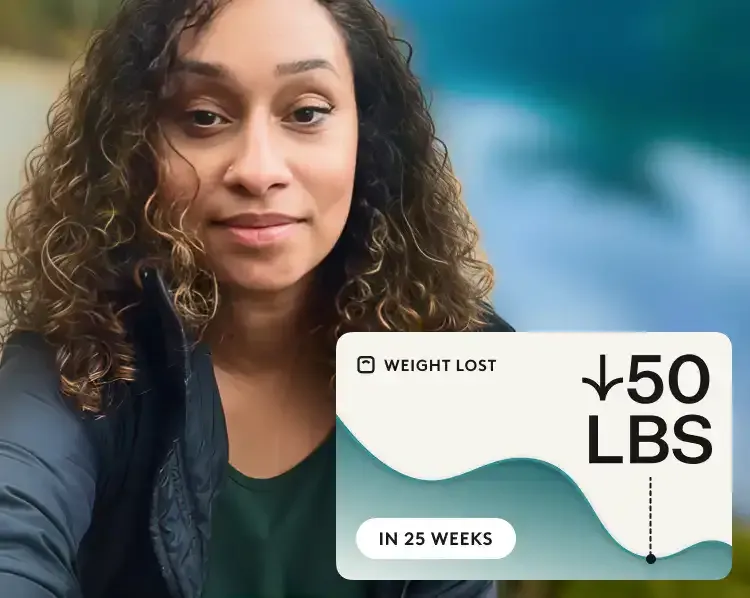
“My favorite parts of Noom are the care team and other Noomers. Sharing and getting help made me feel like I wasn’t doing it alone. That support made all the difference.”
Desirea N. — Real Noom user
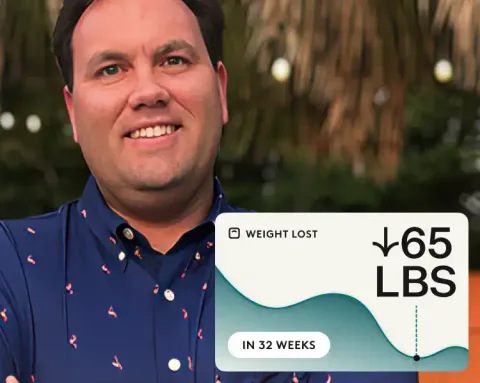
“Noom has taught me that every day is a new chance to make better, healthier choices. It’s taught me how to stop overeating.”
Matthew M. — Real Noom user
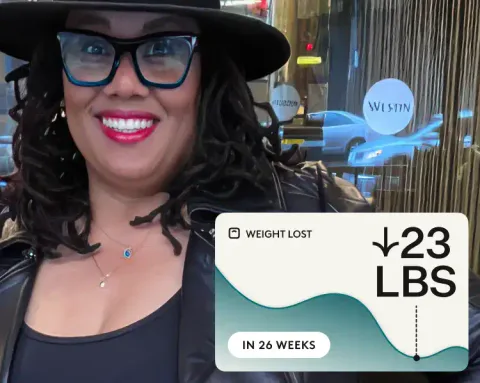
“Clinicians who understand how supportive medication can be is one of the best parts of Noom! I was convinced I wouldn’t have success but I’m down 11 pounds in two months.”
Lila M. — Real Noom user
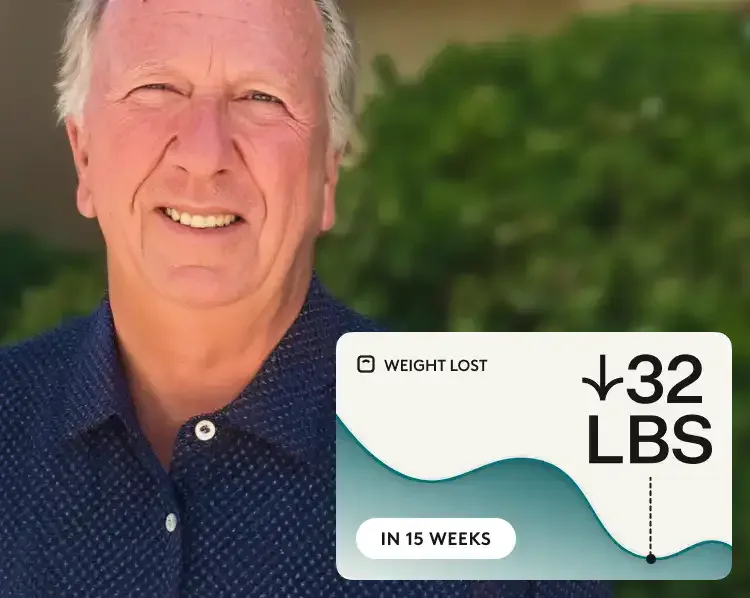
“Noom provided me with the medication which I could not get through Medicare. I have learned the tricks to better eating and life in general.”
Steve M. – Real Noom user
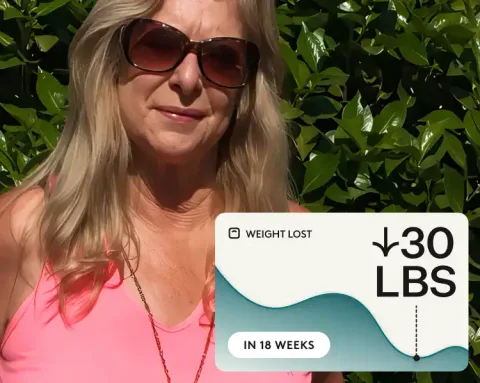
“Noom has changed my life and I’m so thankful, I feel great, have more energy and am no longer prediabetic.”
Daisy R. – Real Noom user
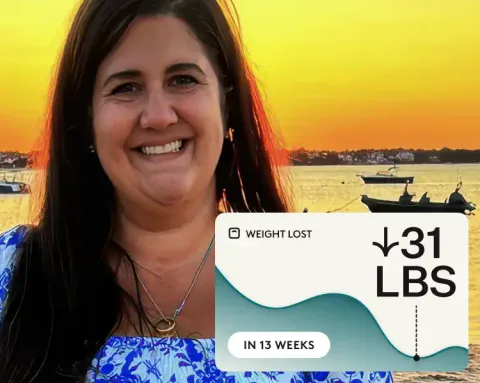
“All of the Noom providers that I’ve met with have been exceptional and prescribed medications that are appropriate for my situation and health.”
Sarah R. – Real Noom user
“Noom made the process so simple and now I feel full, free from diet obsession, and at ease in my body again.”
Madison S. – Real Noom user
“My doctor recommended Noom after I was frustrated trying to lose weight. The lessons helped change my relationship with food. My body feels lighter & energized.”
Sonday K. – Real Noom user
“I built healthy habits with coaching and lessons that make me confident I can maintain my weight loss long term.”
Cam K. – Real Noom user
“With the right medication through Noom, hunger and sugar cravings finally quieted and I have the tools to break the cycle.”
Laura TR. – Real Noom user
“Cravings and food noise are gone, I finally feel confident in the healthy habits I’ve built to last with Noom.”
Jessica S. – Real Noom user
The bottom line: Orforglipron (Foundayo®) can be helpful for keeping weight off
Reaching your goal weight doesn’t necessarily mean the treatment that helped you get there is finished. We know that stopping GLP-1 medication altogether can lead to weight regain, which makes figuring out what comes next an important part of treatment.
Orforglipron (Foundayo®) gives people another option. Research shows that people who switched to the daily pill after losing weight with tirzepatide or semaglutide maintained substantially more of that weight loss than people who stopped active treatment. It wasn’t a perfect handoff—some weight regain still occurred—but much of the original loss was maintained.
That doesn’t mean everyone doing well on Zepbound® or Wegovy® should switch. We still don’t know whether switching to orforglipron is as effective for maintenance as simply staying on the injectable, because that comparison hasn’t been tested directly. But for someone who wants to move away from weekly injections because of cost, convenience, side effects, or personal preference, having a daily pill that has actually been studied for this purpose expands the options.
Ultimately, maintenance isn’t about finding a finish line where you never have to think about your weight again. It’s about finding an approach you can realistically continue—and that helps you hold onto the progress you’ve already made.
For guidance on managing your medication and finding the option that fits your needs, see if you qualify for Noom Med. You’ll be connected with a clinician who can talk through your options and prescribe medication when appropriate. You’ll also have access to a dedicated Care Team and Noom’s GLP-1 Companion, with support for managing side effects, building a plan that works for you, and maintaining muscle as you lose or maintain weight.
Editorial standards
At Noom, we’re committed to providing health information that’s grounded in reliable science and expert review. Our content is created with the support of qualified professionals and based on well-established research from trusted medical and scientific organizations. Learn more about the experts behind our content on our Health Expert Team page.