

What you’ll learn:
- People can experience urinary incontinence during menopause due to hormonal changes, but aging is a bigger factor.
- Lifestyle changes, like diet adjustments, regular exercise, and stress management, can significantly improve symptoms of urinary incontinence during menopause.
- A variety of treatment options are available to help manage urinary incontinence effectively.
When you start Wegovy®, it’s natural to look for proof that it’s working. Maybe you’re waiting to feel less hungry. Maybe you’re watching the scale. Or maybe you’re wondering whether a little nausea means the medication has kicked in.
Wegovy® starts working in your body before you can see its full effects. Semaglutide—the active ingredient in Wegovy®—begins being absorbed after your first dose and activates GLP-1 receptors as it reaches your bloodstream. But because the medication is increased slowly, visible weight loss usually takes longer. Some people notice appetite changes in the first few weeks, usually before you can see changes on the scale.
That gradual start is intentional. Wegovy® comes as a weekly injection and a daily pill, and both forms use a step-by-step dosing schedule to give your body time to adjust. The schedules are the fastest possible pace—not a deadline or even a goal. Your dose may stay the same for longer if side effects are difficult, and not everyone will reach the highest number possible. The goal is to find a dose that works and feels manageable, not to race to the maximum dose.
Below, we’ll look at what may happen first, how the timeline changes as your dose increases, and what to do if progress feels slower than expected.
How Wegovy® works in your body
Wegovy® works in several parts of the body at once. By mimicking the natural GLP-1 hormone, semaglutide affects appetite, digestion, and blood sugar regulation:
Noom’s Most Powerful Program
A dual-pathway GLP-1 and behavior change for lasting results.
- In the brain: It lowers hunger signals and can quiet cravings and food noise, making it easier to stop when you feel full.
- In the pancreas: It helps your body release insulin when blood sugar is high and prevents the liver from releasing too much sugar.
- In the stomach: It slows digestion, helping you stay full longer and feel satisfied with smaller portions. This can also contribute to nausea, reflux, bloating, or constipation.
Together, these changes can make eating less feel more manageable and lead to a calorie deficit.
When does Wegovy® start working?
Semaglutide research shows that the medication is absorbed and begins circulating after it is taken. That means Wegovy® is doing something in the body well before most people see meaningful weight loss.
Still, “working” can mean a few different things. You may notice changes in appetite, digestion, blood sugar, or weight at different points. These effects don’t always happen in the same order, but here are some common early signs.
Appetite and food noise may change first
Some people notice less hunger, earlier fullness, or fewer thoughts about food within the first week or two. “Food noise” is the mental chatter that can make food feel hard to ignore. You might find yourself thinking about the next meal while eating the current one, feeling pulled toward snacks you weren’t planning to have, or needing a lot of effort to stop eating when you’ve had enough.
When that noise gets quieter, you may find it easier to pass on a snack, leave food on your plate, or feel satisfied with a smaller portion. In a study of semaglutide and appetite, the medication reduced hunger, food cravings, and energy intake while increasing feelings of fullness. The study measured these effects after 12 weeks, so it supports the appetite mechanism but does not promise that everyone will feel it during week one.
Digestive effects can appear early
Nausea, constipation, diarrhea, reflux, and a lingering sense of fullness are common when you begin Wegovy® and might return when you move to a higher dose. In the STEP 1 trial, gastrointestinal side effects were common and were usually mild to moderate.
Importantly, these symptoms don’t have to show up for Wegovy® to work. Feeling nauseated isn’t a sign that you have found the “right” dose, and having no side effects does not mean the medication isn’t working. And severe symptoms don’t mean it’s working better. If symptoms are severe, persistent, or make it difficult to eat or drink, contact your clinician.
Read more: Wegovy® side effects and how to manage them
Blood sugar and energy may feel steadier for some people
GLP-1 medications help the body release insulin when blood sugar is elevated. These effects can smooth out post-meal glucose changes, particularly in people who have type 2 diabetes or insulin resistance. Some people describe fewer post-meal crashes or steadier energy as treatment continues, but this isn’t a predictable week-by-week milestone. A review of GLP-1 medications and metabolic effects explains how glucose regulation may contribute.
Wegovy® timeline: Week-by-week weight loss and what to expect
When weight loss becomes noticeable varies from person to person, and can have a lot to do with their habits and biology. Some people see a small change by weeks 3 or 4. For many, the downward trend becomes easier to see around weeks 4 to 8. Others don’t notice much until weeks 6 to 8 or later, especially if they stay on a starting dose longer to manage side effects.
Access GLP-1 Weight Loss with Noom
Explore a wide range of prescription medications supported by Noom’s program.
Microdose GLP-1rx
Noom GLP-1rx

Noom GLP-1rx Plus
Wegovy®

Ozempic®

Metformin

Zepbound®
Mounjaro®
Liraglutide
All of those timelines can be normal. The first doses are meant to help your body adjust, not produce the full weight-loss effect. Day-to-day changes in water, sodium, digestion, and hormones can also hide early fat loss, so look at the trend over several weeks rather than one weigh-in.
The titration schedule is central to how Wegovy® works. Both forms start at the lowest dose so the body can adjust and the risk of side effects is lower. Weight loss tends to build as the dose rises, but reaching the highest dose isn’t the goal. Finding the dose that helps you lose steady weight, about 1 to 2 pounds per week, with the fewest side effects is the goal.
A study of how people really use Wegovy® found that many people didn’t follow the fastest schedule or reach 2.4 mg, showing how individualized treatment can be.
If you have side effects, your clinician may keep you at the same step for another four weeks or recommend a lower maintenance dose. You can’t skip steps, and you shouldn’t increase your dose without your prescriber’s direction.
| Week of treatment | Weekly injection dose | Approximate average cumulative weight loss* | Purpose of this step |
|---|---|---|---|
| Weeks 1–4 | 0.25 mg | About 1%–2% by week 4 | Starting dose that helps the body adjust |
| Weeks 5–8 | 0.5 mg | About 3%–4% by week 8 | First dose increase, if the starting dose is tolerated |
| Weeks 9–12 | 1 mg | About 5%–6% by week 12 | Continued escalation, if appropriate |
| Weeks 13–16 | 1.7 mg | About 7%–8% by week 16 | Dose increase or a possible maintenance dose for adults |
| Weeks 17–20 | 2.4 mg | About 8%–10% by week 20; 14.9% by week 68 | Recommended maintenance dose for most adults using the injection for weight management |
| Week 21 or later | 7.2 mg Wegovy® HD | 18.7% by week 72 | Optional higher maintenance dose only after at least four weeks at 2.4 mg, if additional weight loss is needed and the dose is tolerated |
Weeks 1–4: Starting at 0.25 mg
The first month is mostly about helping your body adjust. You may feel less hungry, think about food less often, or get full with smaller portions. In STEP 1, average weight loss was about 1% to 2% by week 4, so it’s normal if the scale hasn’t moved much. Your clinician will consider how you’re feeling—not just what the scale says—before deciding when to increase your dose.
Weeks 5–8: Moving to 0.5 mg
If treatment feels manageable, your clinician may increase the dose to 0.5 mg. Appetite and fullness changes may become more consistent, and average weight loss reached about 3% to 4% by week 8. Digestive symptoms can briefly return after an increase, so your clinician may keep you at the same dose longer if needed.
Weeks 9–12: Stepping up to 1 mg
At 1 mg, some people notice more reliable appetite control, longer-lasting fullness, or clearer changes in their eating patterns. In the trial, average weight loss was about 5% to 6% by week 12, but others needed more time. Your clinician can look at your progress, side effects, and overall health when deciding what comes next.
Weeks 13–16: Moving to 1.7 mg
For adults, 1.7 mg can be another step or a maintenance dose. People following the trial schedule had lost about 7% to 8% on average by week 16, but your progress may look different. If this dose is helping and feels manageable, your clinician may recommend staying there.
Weeks 17–20: Potentially reaching 2.4 mg maintenance
For people following the standard schedule, 2.4 mg is the recommended maintenance dose. Average weight loss was about 8% to 10% by week 20 and reached 14.9% by week 68. Getting to 2.4 mg can take longer, and some people remain at 1.7 mg if it works well for them. Your clinician will consider your appetite, progress, health markers, and side effects rather than treating 2.4 mg as a requirement.
Week 21 and beyond: Wegovy® HD 7.2 mg for some adults
Wegovy® HD is an optional higher maintenance dose, not the automatic next step. It may be considered only after an adult has tolerated 2.4 mg for at least four weeks and a clinician decides that additional weight loss would be beneficial. In the STEP UP trial, people taking 7.2 mg lost 18.7% of their starting weight on average by week 72. The higher dose can also bring more side effects, so your clinician can help decide whether that tradeoff makes sense for you.
Read more:
It’s important to note that these numbers come from Wegovy® trials, where all participants also received lifestyle counseling, including guidance on a reduced-calorie eating pattern and increased physical activity. Your results outside a trial protocol can vary, so you may not reach these exact weight loss percentages even on the same doses.
Wegovy® pill timeline: How does it differ from the injection?
The Wegovy® pill contains the same active ingredient as the injection, semaglutide, but it has a different dosing schedule. The pill is taken every day, starting at 1.5 mg for 30 days, then increasing to 4 mg for 30 days, 9 mg for 30 days, and finally the 25 mg maintenance dose. This is also the fastest standard schedule. If a dose is difficult to tolerate, your clinician may delay an increase rather than moving up automatically after you’ve been at a dose for 30 days.
The overall timeline is similar to the injection: appetite changes may come first, scale changes often become clearer over the first couple of months, and results continue building through the full 64-week trial. But the pill is associated with less average weight loss than the injection.
In a weight loss study that tested oral semaglutide at the 25 mg dose in people without diabetes, people lost about 14% of their starting weight on average at 64 weeks. That’s less than the average of 18% for people on the highest (7.2mg) dose of injectable semaglutide at 72 weeks:

The Easy Way
to lose weight and get healthy.

Here’s a look at how the doses increase and what to expect:
| Week of treatment | Daily pill dose | Approximate average cumulative weight loss* | Purpose of this step |
|---|---|---|---|
| Days 1–30 | 1.5 mg | About 1%–2% by day 30 | Starting dose that helps the body adjust |
| Days 31–60 | 4 mg | About 3%–4% by day 60 | First dose increase, if tolerated |
| Days 61–90 | 9 mg | About 5%–6% by day 90 | Continued escalation, if appropriate |
| Day 91 and onward | 25 mg | 13.6% by week 64 | Daily maintenance dose for those who need it |
Days 1–30: Starting at 1.5 mg
The first month is another adjustment phase. You may notice less hunger, quieter food noise, or earlier fullness before much happens on the scale. In OASIS 4, average weight loss was about 1% to 2% by day 30, so small changes—or no visible change yet—can be normal.
Days 31–60: Moving to 4 mg
If the starting dose feels manageable, your clinician may increase it to 4 mg. Appetite changes may become more consistent, and average weight loss reached about 3% to 4% by day 60. Side effects may return after an increase, so your clinician can slow the schedule if needed.
Days 61–90: Stepping up to 9 mg
At 9 mg, some people feel fuller for longer or notice clearer changes in cravings and portion sizes. People in the trial had lost about 5% to 6% on average by day 90, but that isn’t a target everyone needs to meet. Your clinician will consider both your progress and how you feel before moving you up.
Day 91 and beyond: Reaching the 25 mg maintenance dose
The 25 mg pill is the maintenance dose, not the starting dose. In OASIS 4, average weight loss reached 13.6% by week 64, showing that results continued to build well beyond the first three months. If 25 mg is difficult to tolerate, your clinician can help adjust your treatment plan.
How you take the pill also matters. Take it in the morning on an empty stomach with no more than 4 ounces of plain water, then wait at least 30 minutes before eating, drinking anything else—including coffee—or taking another oral medication. Don’t split the tablet or change your dose on your own.
The pill and injection follow a similar overall pattern: appetite changes may come first, while weight loss builds over several months. They have not been compared head-to-head, so we can’t say that one starts working faster.
Read more: Wegovy® pill for weight loss
How side effects can affect your Wegovy® timeline
Side effects can change how quickly you move through the Wegovy® dosing schedule. Nausea, vomiting, diarrhea, constipation, reflux, and stomach discomfort are more likely when you first start treatment or increase your dose. They often become easier to manage as your body adjusts, but they can return temporarily when you move up.
Here’s a look at what people experienced:
| Symptom | % reported |
|---|---|
| Nausea | 44% |
| Vomiting | 24% |
| Diarrhea | 30% |
| Constipation | 24% |
| Stomach pain/discomfort (abdominal pain) | 20% |
| Indigestion/heartburn | 9%/5% |
Even though side effects are common, studies show that most are mild to moderate and manageable for most people. About 7% of people taking Wegovy® stopped treatment because of an adverse reaction. That’s one reason how you tolerate each dose matters. Think of it this way: If you can take it consistently and comfortably, you can stay on it long enough for it to work.
If side effects are hard to manage, tell your clinician. They might keep you at the same dose for another month instead of moving you up, or even move you back down if needed. That shifts your timeline, and that’s okay. Reaching the highest dose as quickly as possible is not the goal. Finding a dose that supports progress and feels manageable is more important.
Read more: Wegovy® side effects and how to manage them
What affects your Wegovy® results? Lifestyle changes and other issues
We know this: Two people can take the same dose and lose very different amounts of weight. Some of that difference is biological and has to do with genetics, starting weight, health conditions, other medications, and individual sensitivity to semaglutide. But daily habits matter a lot and are central to how the medication works. All major Wegovy® trials paired the medication with nutrition counseling and a reduced-calorie eating pattern. If you aren’t losing weight as fast as you’d like, look at these first.
What and how you eat matters with Wegovy
Wegovy® can lower appetite, but eating less and eating well are two different goals. Losing weight requires eating fewer calories than your body burns—but your body still needs enough protein, fiber, and other nutrients to function well while you do it. A 2025 study following GLP-1 users found participants’ daily protein and fiber intake fell well short of recommended levels, even as calorie intake dropped. Cutting calories doesn’t automatically mean getting enough of what your body needs.
- Prioritize protein. When appetite drops, muscle can go with it. Research on people using GLP-1 medications found that eating enough protein—paired with strength training—helped preserve muscle even during major weight loss. Think eggs, Greek yogurt, chicken, fish, or beans.
- Add fiber-rich foods. Vegetables, fruits, whole grains, and legumes help you feel full and keep digestion moving smoothly. That same study on GLP-1 users found fiber intake was consistently one of the biggest shortfalls—worth watching for, since fiber also helps offset the slower digestion these medications already cause.
- Try smaller meals if big ones feel like too much. These medications slow how fast food leaves your stomach, so large meals can sit heavy. Data pooled across major semaglutide trials found people lost about the same amount of weight whether or not they had GI symptoms—so eating in a way that’s more comfortable for you doesn’t work against the medication.
Read more: Why protein matters on GLP-1s
Exercise and movement are key for losing weight on Wegovy
Getting up and moving supports overall health and helps create the energy deficit needed to lose weight, plus it helps you lose fat while maintaining or building muscle. Resistance exercise in particular is associated with protecting muscle while you lose fat. Here are some important things to keep in mind:
- Weight loss on GLP-1 medications isn’t just fat loss. A review of GLP-1 medications and body composition found that lean mass, which includes muscle, can decrease during treatment, though how much varies across studies and individuals.
- Adding exercise to a GLP-1 medication changes what the weight loss is made of. A study testing liraglutide, exercise, and both together found the combination group lost nearly twice as much body fat percentage as either treatment alone, with better blood sugar control and fitness gains too.
- Even modest resistance training adds up. You don’t need an intense program—bodyweight moves, resistance bands, or a couple of weekly sessions with weights all send the same signal to your body to hold onto muscle.
Read more: Strength training on GLP-1s
Other lifestyle factors matter, too
What you eat and how you move matter, but they don’t work in a vacuum. Sleep, stress, and your daily routines all shape appetite, energy, and how sustainable healthy habits feel—and they can even affect how well your medication works.
- Prioritize sleep. Aim for a consistent schedule and enough sleep to feel rested. A 2025 observational study of people on GLP-1 medication found that people who improved their sleep during treatment lost more weight than those who didn’t—and eating dinner late or close to bedtime seemed to work against the medication’s effects.
- Find ways to manage stress. That same study found high stress levels were linked to worse weight-loss results on GLP-1 treatment. Chronic stress can also drive appetite and cravings on its own—research in 339 adults found higher stress and cortisol levels were linked to more weight gain over time. Stress management looks different for everyone—movement, time outside, or simply protecting time for things you enjoy can all help.
- Build routines you can repeat. Consistent meal, sleep, and activity patterns take some of the decision-making out of staying healthy. Aim for a handful of habits you can keep up most days, not a perfect routine every day.
Biological variability
Not everyone responds to Wegovy® the same way. How fast you respond, your starting weight, health conditions like diabetes or thyroid function, hormonal shifts like menopause, and even medications can all shape your results. Here’s a look at what the research shows.
- A slow start doesn’t mean it’s not working. In one large trial, people who lost weight quickly averaged 20% loss by week 68. Slower starters who stuck with treatment still lost a meaningful amount—about 6%.
- The same percentage looks different on the scale. A 5% loss is 10 pounds at 200 pounds, but 15 pounds at 300 pounds. Same result, different number.
- Diabetes tends to mean somewhat less weight loss. Across several trials, people without diabetes lost about 15% of their body weight on average, compared to about 10% for people with diabetes. Why isn’t fully clear yet.
- Menopause hormone therapy may play a role too. One small study found postmenopausal women on hormone therapy lost more weight (16%) than those without it (12%)—an early clue, not a settled finding.
- Certain medications can work against you—but Wegovy still helps. Some medications, like second-generation antipsychotics, are known to cause weight gain on their own. The encouraging news: a randomized trial found people on antipsychotics who added semaglutide lost about 20 pounds more than those on placebo—comparable to results in the general population.
What if you’re not losing weight on Wegovy® yet?
Before deciding Wegovy® isn’t working, look at where you are in the dosing schedule. A quiet first month means something different from no response after several months at a maintenance dose.
Wegovy’s dose is increased gradually over about 16 weeks specifically to help your body adjust, and the trial that led to its approval found that weight loss builds slowly at first and keeps accumulating for over a year—it didn’t level off until around week 60. Little or no scale change in the first few weeks is expected, not a sign of failure.
Before the scale moves much, other signs tend to show up first. A study that measured appetite directly found that semaglutide reduced hunger and increased fullness and satiety within weeks—changes people also reported feeling even while their weight was just beginning to shift.
Watch for:
- Feeling satisfied with less food
- Fewer intense cravings
- Snacking less often
- Changes in your waist measurement or how clothes fit
And if you’ve been at your maintenance dose for a while with genuinely no response, that’s not necessarily a dead end either. A study following people who stayed on treatment found that even people who saw the least early progress lost a meaningful amount of weight—an average of 6%—by continuing treatment, rather than stopping. If you’re past that point with no non-scale changes at all, that’s the moment to talk to your provider about your dose rather than assume the medication has failed.
Understanding Wegovy® plateaus
If you’ve been on Wegovy® for a while and the scale has stopped moving, first figure out if it’s a true plateau or just slow progress. A plateau means your weight trend has been flat for several weeks despite consistent dosing and habits—not just a slower pace than before.
Plateaus are common and tend to show up several months into treatment, often once you’ve lost a significant amount of weight. The trial that led to Wegovy’s approval found that weight loss stabilized between weeks 60 and 68—roughly 14 to 16 months in—meaning most people’s steepest losses happen well before that point. Plateaus can also occur around dose changes. They’re usually temporary and don’t erase the progress you’ve already made.
For what’s behind plateaus and how to move through one, see Understanding Wegovy® plateaus and what to do.
Wegovy® timeline: FAQs
How long does it take for Wegovy® to start working?
Wegovy® begins acting after the first dose, but the first noticeable changes may take days or weeks. Some people feel less hungry or get full sooner within the first couple of weeks. Changes on the scale often become clearer around weeks 4 to 8, and average weight loss continues building for a year or longer — the trial that led to Wegovy’s approval found weight loss kept accumulating until around week 60. There is no single point when everyone reaches the “full effect.”
How will I feel during the first week on Wegovy®?
You may feel less hungry, become full sooner, or think about food less often — a trial that measured appetite directly found these effects show up within weeks of starting treatment. You could also experience nausea, constipation, diarrhea, reflux, or fatigue. Some people notice very little during week one, which can also be normal. The starting dose is intentionally low, so how you feel after one injection or a few days of pills does not predict your eventual results.
How can you tell if Wegovy® is working?
Early signs can include less hunger, quieter food noise, smaller portions feeling satisfying, and staying full longer between meals — the same appetite-focused trial found these changes alongside reduced food intake, even before major scale movement. Weight loss usually follows more gradually. Look at your overall appetite and weight trends rather than using side effects—or one weigh-in—as proof that the medication is or isn’t working.
How much weight can you lose on Wegovy® in a month?
There is no dependable first-month pound range. The starting dose is designed for adjustment, and early changes in water and digestion can make the scale noisy. Some people lose a few pounds, while others see little change. A more useful question is whether hunger, portions, cravings, or your weight trend are starting to shift. Remember that trial results also included a reduced-calorie eating pattern and physical activity counseling alongside the medication.
Does the Wegovy® pill work as fast as the injection?
Both forms have a gradual timeline: appetite changes can come before visible weight loss, and results build as the dose increases. However, they have not been directly compared in a head-to-head trial — the pill’s approval trial and the injection’s trial used different designs and timeframes, so we cannot say that one works faster. The pill’s absorption also depends on following its strict morning routine: take it on an empty stomach with plain water and wait at least 30 minutes before food, other drinks, or oral medications.
What if I don’t lose weight in the first month?
That can be completely normal. The first month uses the lowest injection dose or the lowest pill dose to help your body adjust. Research following people through dose titration found that even people who saw little change early on went on to lose a meaningful amount of weight by staying on treatment. Keep taking Wegovy® as prescribed, focus on hydration and nourishing meals, and watch for non-scale changes such as less hunger or smaller portions. If nothing changes as you move through the next doses, discuss it with your clinician rather than increasing the dose on your own.
How is a Wegovy® plateau different from losing weight slowly?
If your trend is still going down—even gently—you are losing weight slowly, not plateaued. A plateau is a flat overall trend lasting several weeks despite consistent medication use and habits. Day-to-day scale fluctuations do not count as a plateau. Read more about understanding Wegovy® plateaus for more on how to tell the difference.
Why did my weight loss stop on Wegovy®?
Your calorie needs may have decreased as your body became smaller, your appetite or routines may have shifted, or constipation and fluid changes may be hiding progress temporarily. Review portions, protein, fiber, movement, sleep, and stress. If the trend remains flat for 8 to 12 weeks or weight starts returning, ask your clinician whether your dose or treatment plan needs to change. For more on why this happens and what can help, see Understanding Wegovy® plateaus.
Is Wegovy included in the Medicare GLP-1 Bridge Program?
Some people with Medicare may be able to access Wegovy for a $50/month copay. The Medicare GLP-1 Bridge Program was created to give people who are medically in need of weight loss a lower, predictable price on GLP-1 weight-loss medications. It isn’t a new insurance plan, and you don’t sign up for it, though you need to have Part D coverage to qualify.
The program includes the Wegovy® injection and pill for eligible beneficiaries. The $50 monthly copay is identical no matter which one you and your clinician choose. Noom Med can help you access medications through the Medicare GLP-1 Bridge Program.
Read more: Does Medicare cover Wegovy®?
Reviews from real Noom users
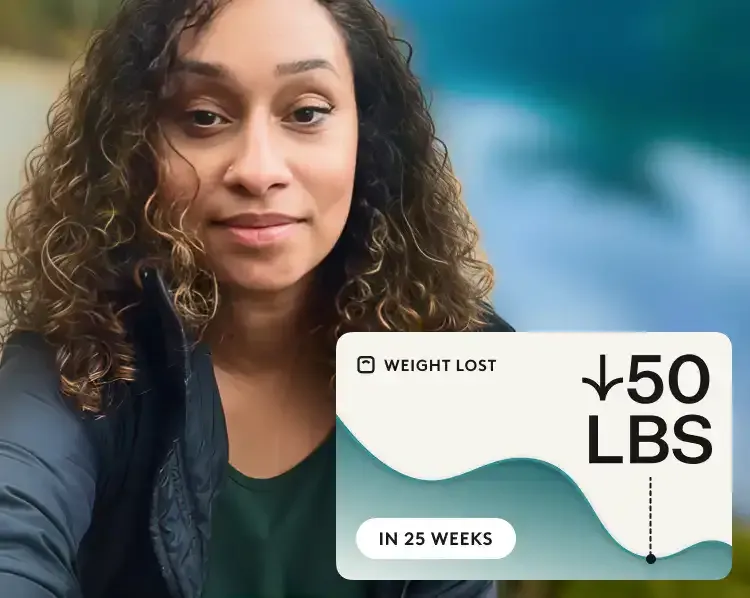
“My favorite parts of Noom are the care team and other Noomers. Sharing and getting help made me feel like I wasn’t doing it alone. That support made all the difference.”
Desirea N. — Real Noom user
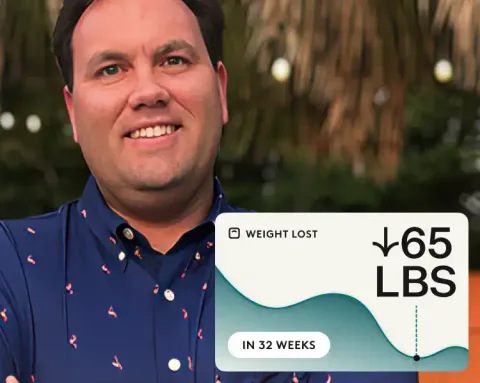
“Noom has taught me that every day is a new chance to make better, healthier choices. It’s taught me how to stop overeating.”
Matthew M. — Real Noom user
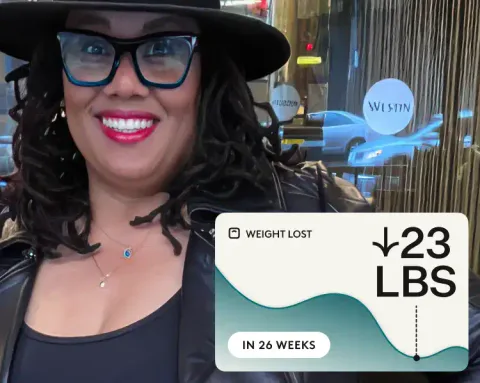
“Clinicians who understand how supportive medication can be is one of the best parts of Noom! I was convinced I wouldn’t have success but I’m down 11 pounds in two months.”
Lila M. — Real Noom user
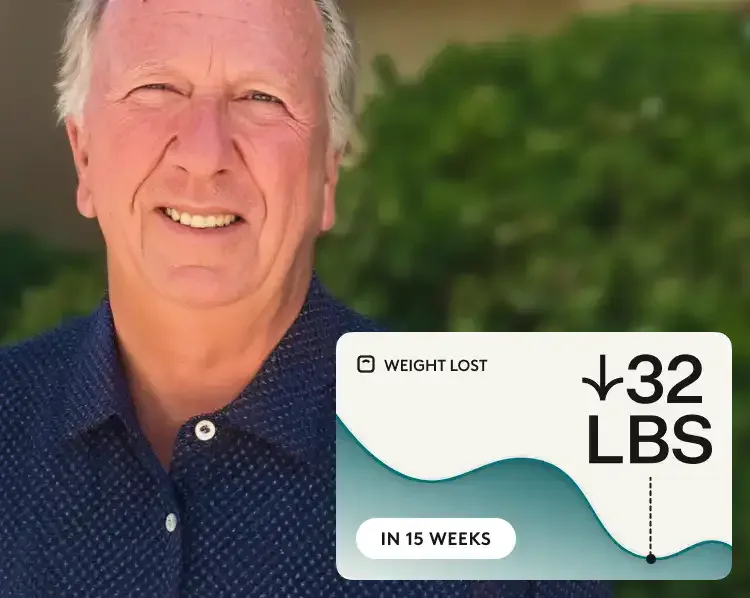
“Noom provided me with the medication which I could not get through Medicare. I have learned the tricks to better eating and life in general.”
Steve M. – Real Noom user
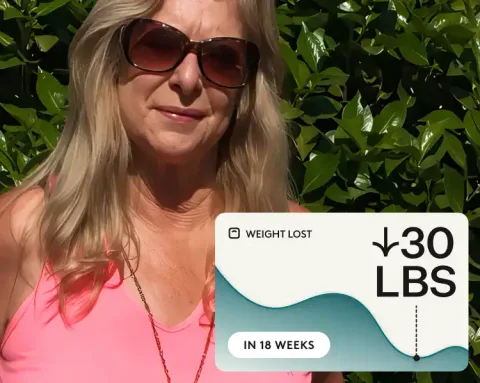
“Noom has changed my life and I’m so thankful, I feel great, have more energy and am no longer prediabetic.”
Daisy R. – Real Noom user
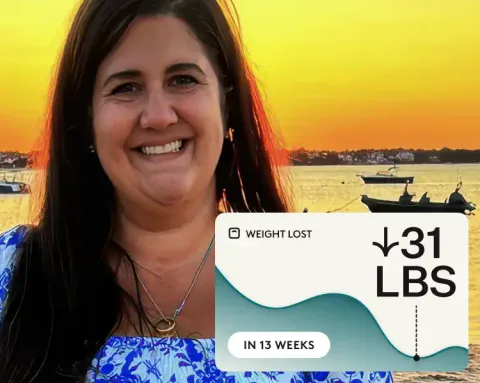
“All of the Noom providers that I’ve met with have been exceptional and prescribed medications that are appropriate for my situation and health.”
Sarah R. – Real Noom user
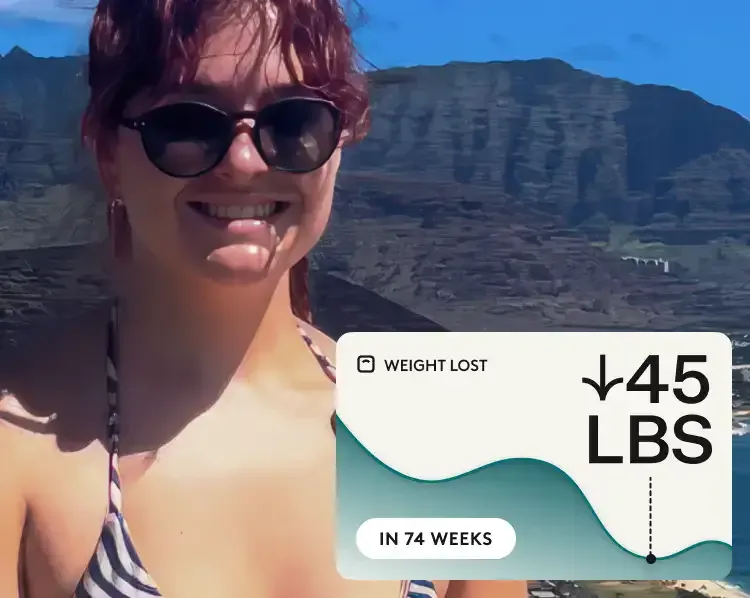
“Noom made the process so simple and now I feel full, free from diet obsession, and at ease in my body again.”
Madison S. – Real Noom user
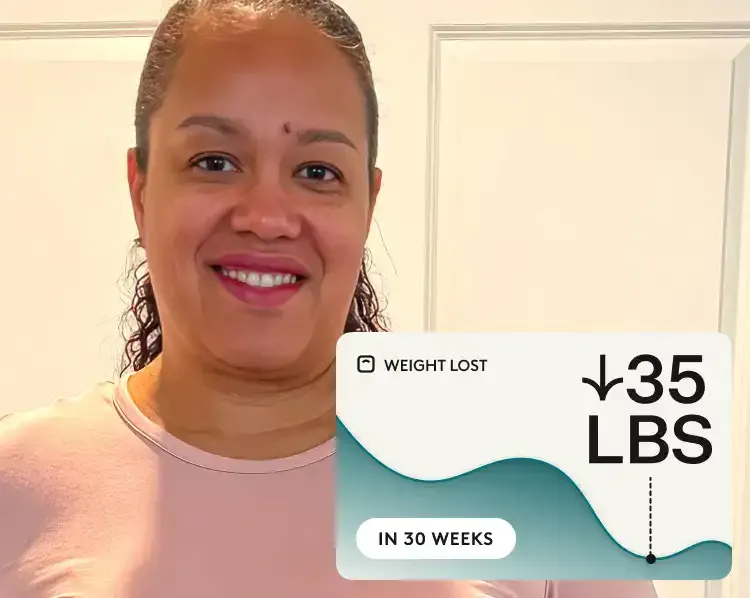
“My doctor recommended Noom after I was frustrated trying to lose weight. The lessons helped change my relationship with food. My body feels lighter & energized.”
Sonday K. – Real Noom user
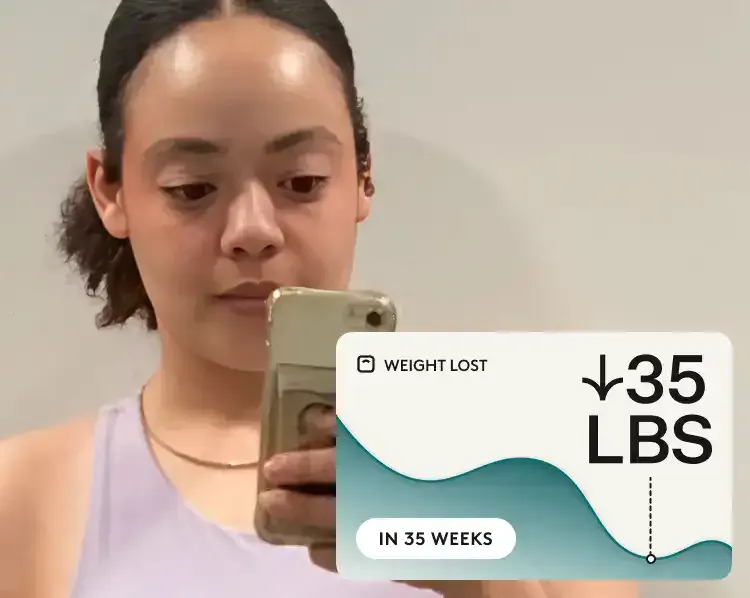
“I built healthy habits with coaching and lessons that make me confident I can maintain my weight loss long term.”
Cam K. – Real Noom user
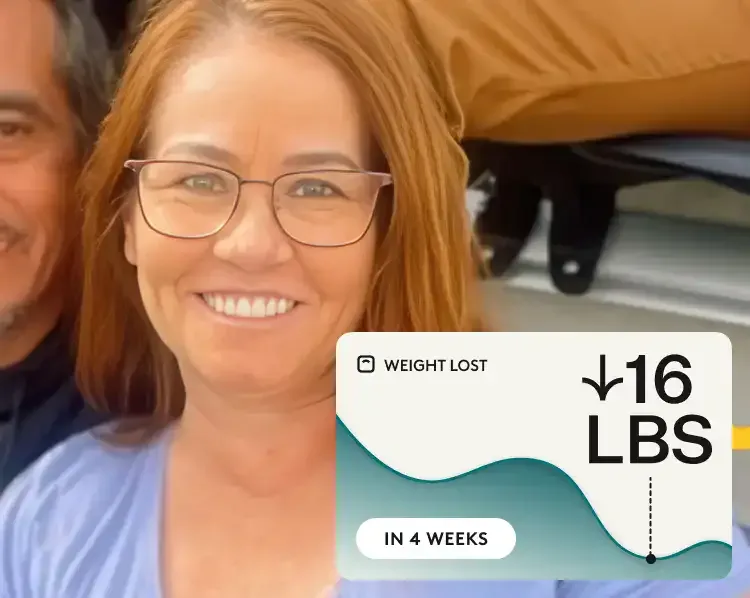
“With the right medication through Noom, hunger and sugar cravings finally quieted and I have the tools to break the cycle.”
Laura TR. – Real Noom user
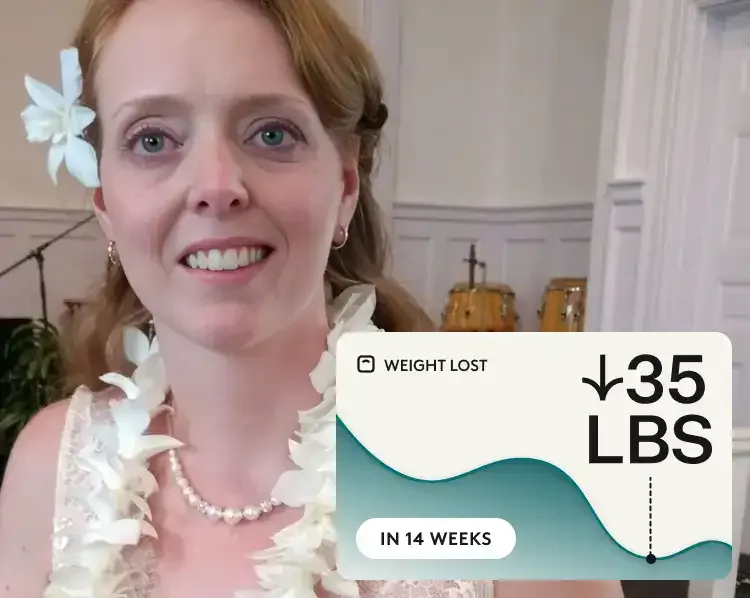
“Cravings and food noise are gone, I finally feel confident in the healthy habits I’ve built to last with Noom.”
Jessica S. – Real Noom user
The bottom line: Wegovy® works gradually, and not everyone follows the same timeline
The semaglutide in Wegovy® starts acting in the body after your first dose, but you might not see weight loss during the first few weeks. Both the weekly injection and daily pill start low and increase gradually, giving your body time to adjust while appetite and weight changes build. Not everyone needs the highest available dose, and taking longer at any step can be the right choice.
And remember that medication is only part of the process. Nutrition, movement, sleep, stress, side-effect management, and biology all influence where your results land. Slowdowns are normal, and they don’t mean Wegovy® isn’t still working. If progress stalls, there are practical habits to revisit and treatment options to discuss with your clinician.
If you’re considering Wegovy® or another weight-loss medication, see if you qualify for Noom Med. If eligible, you’ll be connected with a licensed clinician who can help you compare your options and prescribe medication when appropriate, while Noom’s behavior-change support helps you build habits that can support long-term progress.
Editorial standards
At Noom, we’re committed to providing health information that’s grounded in reliable science and expert review. Our content is created with the support of qualified professionals and based on well-established research from trusted medical and scientific organizations. Learn more about the experts behind our content on our Health Expert Team page.